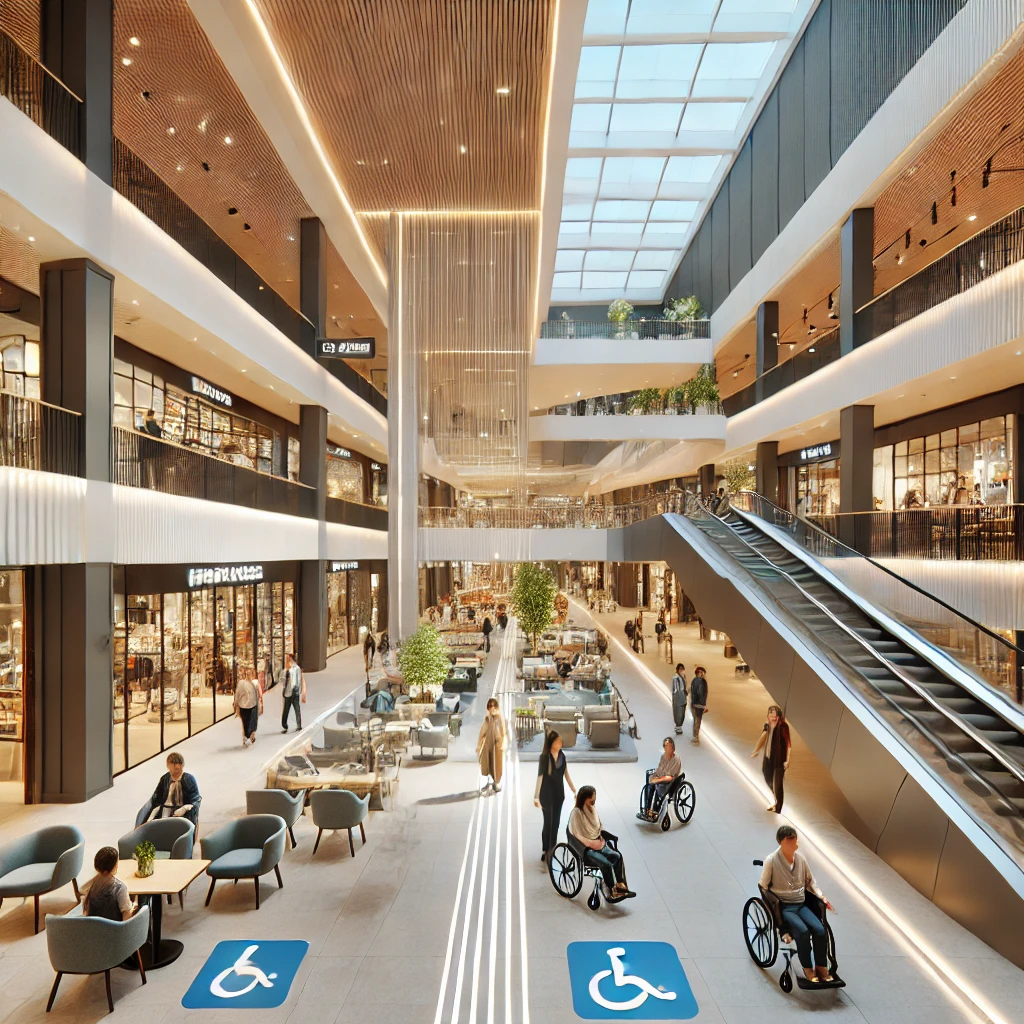
The Americans with Disabilities Act (ADA), enacted in 1990, is a pivotal civil rights law that fundamentally reshaped the landscape of equality for individuals with disabilities in the United States. Title II of the ADA governs public entities, mandating that they ensure accessibility across all public facilities and services. This includes state and local governments as well as various public agencies. The overall aim is to eliminate discrimination and foster inclusivity, promoting full participation, independent living, economic self-sufficiency, and equality of opportunity.
Understanding and complying with Title II is crucial for public entities not only to avoid legal ramifications but also to contribute to creating an equitable society. Title II is extensive, covering everything from the physical accessibility of buildings to the accessibility of programs, services, and communication. This article will delve into the various facets of Title II, focusing on how public facilities can comply and ensure they are accessible to individuals with disabilities.
Scope and Definitions Under Title II
Title II defines a “public entity” as any state or local government and any of its departments, agencies, or instrumentalities. This broad definition includes all types of public services and facilities such as public schools, courts, police and fire departments, motor vehicles departments, and employment services, among others.
A key term in Title II is “qualified individual with a disability,” which refers to someone who meets the essential eligibility requirements for receiving services or participating in programs or activities provided by a public entity, with or without reasonable modifications or aids. Essentially, Title II aims to ensure that a person with a disability has equal access to the benefits of services, programs, or activities.
The law also underscores the concept of “reasonable modifications,” which means that public entities must make changes to their usual ways of doing things in order to accommodate persons with disabilities. This could include altering policies, practices, and procedures, affecting everything from how services are delivered to how public meetings are conducted.
Physical Accessibility Requirements
One of the most visible aspects of ADA Title II compliance is the requirement for physical accessibility in public facilities. This includes both existing buildings and new construction. For existing facilities, public entities must ensure that they are accessible to individuals with disabilities unless it would fundamentally alter the service, program, or activity or impose an undue financial and administrative burden.
Specific standards for physical accessibility are outlined in the ADA Standards for Accessible Design. These standards cover aspects such as accessible entrances, parking, restrooms, and signage. For example, accessible routes must be provided from public transportation stops, accessible parking spaces, and accessible loading zones to the accessible building entrance.
New construction and alterations must comply with the ADA Standards for Accessible Design. This ensures that any new buildings or major renovations are inherently accessible. Areas of focus include not just building entrances but also features like elevators, ramps, door widths, and the heights of service counters. Public entities must also ensure that temporary facilities, such as those used during construction, are accessible.

Program Accessibility and Policy Modifications
Beyond physical accessibility, Title II of the ADA requires that public entities ensure that their programs, services, and activities are accessible to individuals with disabilities. This could include modifying policies and practices to facilitate accessibility. For instance, a public library might need to rearrange bookshelves or provide assistive technology to accommodate patrons with disabilities.
Effective communication is another crucial component of program accessibility. Public entities must provide auxiliary aids and services such as sign language interpreters, text telephones (TTYs), audio recordings, and Braille materials when needed to ensure effective communication with individuals who have hearing, vision, or speech disabilities.
Policy modifications might include allowing service animals in public facilities, providing additional time for individuals with cognitive disabilities to complete tasks, or scheduling appointments to be held in accessible locations. It’s important to note that these modifications should not fundamentally alter the nature of the service, program, or activity in question.
Enforcement and Compliance
Ensuring compliance with Title II of the ADA involves a mix of proactive and reactive measures. Public entities are encouraged to conduct self-evaluations of their programs, services, and facilities to identify and address potential barriers to accessibility. This self-evaluation should be comprehensive and cover all aspects of the entity’s operations.
In addition to self-evaluation, public entities must develop transition plans that detail steps to achieve compliance, particularly for physical barriers in existing facilities. These plans should prioritize improvements based on the frequency of use and the importance of the services offered in each facility.
Individuals who believe they have been subjected to discrimination under Title II can file complaints with the U.S. Department of Justice (DOJ), which enforces Title II. The DOJ investigates complaints, conducts compliance reviews, and can bring lawsuits on behalf of individuals with disabilities. Public entities found in violation of Title II may need to take corrective actions and provide monetary relief to victims of discrimination.
Examples and Case Studies
To illustrate the impact of Title II, consider the case of a municipal transit system that needed to ensure accessibility for individuals with disabilities. The transit system conducted a self-evaluation, identifying barriers such as inaccessible bus stops and lack of auditory announcements on buses. They developed a transition plan to address these issues, including installing curb ramps at bus stops and implementing a system for auditory announcements.
Another example is a public university that embarked on a comprehensive effort to make its campus more inclusive. This included not only ensuring physical accessibility of buildings but also enhancing program accessibility by providing captioning for online courses and hiring staff trained in disability rights and accessibility.
These examples underscore the importance of a proactive approach to compliance. By prioritizing accessibility and inclusivity, public entities can not only meet legal obligations but also create a welcoming environment for all members of the community.
Conclusion
Compliance with Title II of the ADA requires a multifaceted approach, encompassing both physical and programmatic accessibility. Public entities must be vigilant in ensuring their facilities, services, and programs are accessible to all individuals, regardless of their disabilities. This not only helps avoid legal issues but also fosters a more inclusive society where everyone can participate fully.
By understanding the scope and requirements of Title II, and implementing strategies to address accessibility, public entities can make significant strides in eliminating barriers. Self-evaluation and transition planning are critical steps in this process, providing a structured pathway to full compliance.
The ultimate goal of Title II is to ensure that individuals with disabilities have equal access to the benefits of public services, programs, and activities. Achieving this goal requires cooperation, commitment, and a proactive attitude towards inclusivity and accessibility. By doing so, public entities not only uphold the principles of the ADA but also enhance the quality of life for individuals with disabilities and enrich the community as a whole.
Frequently Asked Questions
1. What is ADA Title II and whom does it apply to?
Title II of the Americans with Disabilities Act (ADA) is crucial legislation that pertains to public entities in the United States. It was enacted to ensure that individuals with disabilities receive equal access to all public facilities and services provided by state and local governments as well as various public agencies. This means that any government entity, ranging from transportation systems, public schools, courthouses, to police stations, must be accessible to individuals with disabilities. The ultimate goal is to ensure no discrimination occurs and to actively promote the inclusion of people with disabilities, allowing them to fully participate in societal and civic life. Title II requires that physical access, communication access, and program access are all considered and properly implemented.
2. What kind of public facilities need to comply with ADA Title II?
ADA Title II requires compliance from all public facilities operated by state and local government entities. This includes, but is not limited to, buildings such as city halls, museums, libraries, public transportation facilities like train and bus stations, public schools, and recreational facilities such as parks and community centers. Additionally, services such as police and fire departments are also included. Compliance ensures these environments are accessible, meaning they should have features such as ramps, elevators, accessible restrooms, as well as alternative formats like sign language interpreters where needed. Public facilities must take proactive steps to remove any kind of physical, communication, or procedural barriers that would inhibit the inclusion of individuals with disabilities.
3. How must public entities demonstrate compliance with ADA Title II?
Public entities demonstrate compliance with ADA Title II by conducting thorough self-evaluations of their facilities and programs to determine areas where accessibility improvements are needed. They are then required to make the necessary modifications to remove access barriers. This could include structural changes like installing ramps or elevators, modifying communication methods to include services like TTY (teletypewriter) for the deaf or hard of hearing, and ensuring accommodations such as accessible seating and paths within their facilities. Additionally, they must provide staff training to properly assist and interact with individuals with disabilities. Documentation of these evaluations and modifications must be maintained, and entities are encouraged to develop formal corrective action plans and timelines to address identified issues.
4. What are the consequences for non-compliance with ADA Title II?
Non-compliance with ADA Title II can result in both legal and reputational consequences for public entities. Legally, individuals with disabilities who feel discriminated against can file complaints with federal agencies, such as the Department of Justice, which may initiate investigations and legal action. Additionally, individuals can file private lawsuits seeking remedies that can include making the necessary accessibility modifications, monetary damages, and sometimes, attorney’s fees. Besides legal repercussions, public entities face significant reputational damage, as non-compliance can highlight a lack of commitment to inclusivity and accessibility, potentially impacting public trust and the entity’s relationship with the community. Thus, proactive compliance and constant vigilance on maintaining accessible environments and services are crucial.
5. Are all public facilities required to make structural changes to meet ADA Title II requirements?
Not all public facilities are required to make structural changes if doing so would result in undue financial and administrative burdens. However, this exception does not exempt the facility from removing barriers. Public entities still need to provide accessibility through alternative means if direct structural modifications are not feasible. This might include relocating services to accessible locations, providing aides or services directly to the person with a disability, or applying any other method that provides access. However, these decisions must be documented with detailed explanations as to why the structural change is not possible, and how alternative solutions will effectively provide access. It’s essential that public entities engage in consultation with disability advocates and stakeholders to select the best possible solutions for accessibility when structural changes are not made.