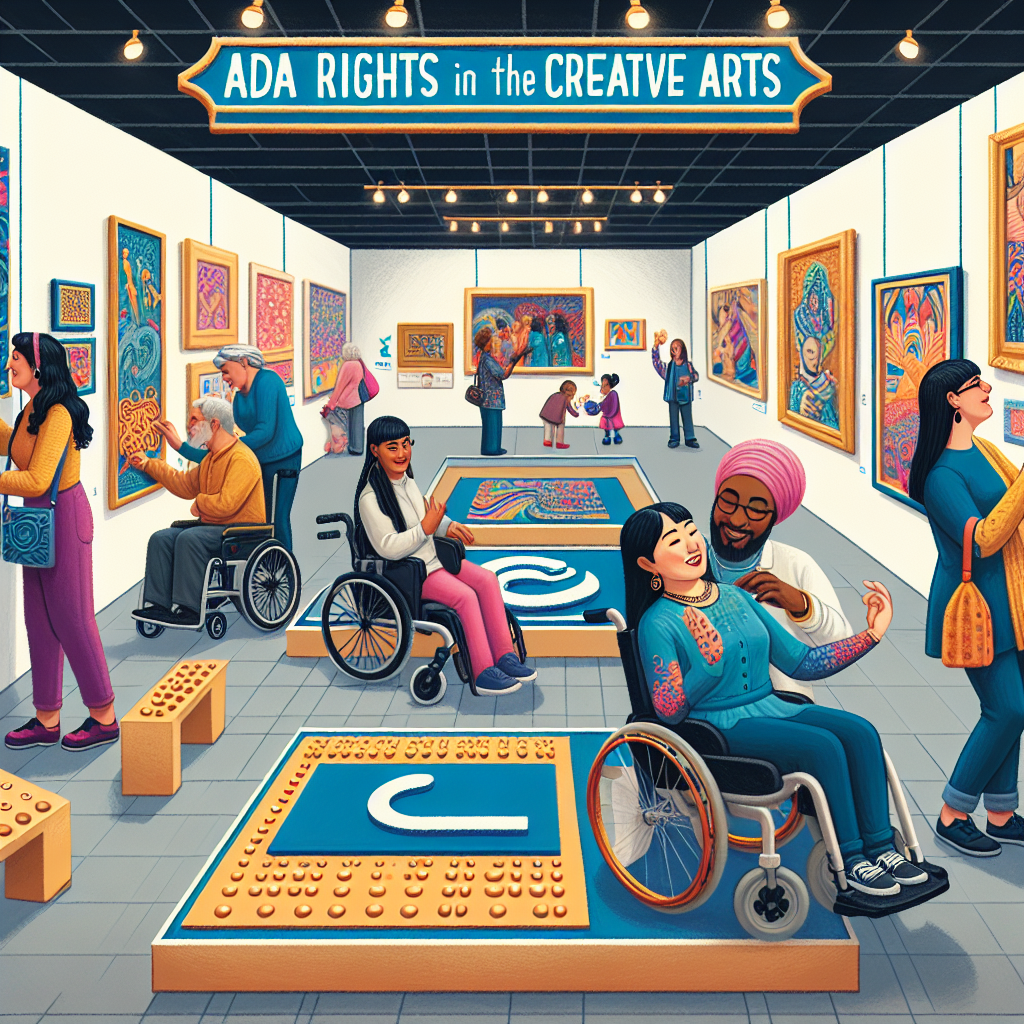
The Americans with Disabilities Act (ADA) is a groundbreaking piece of legislation that has fundamentally transformed the landscape of rights and protections for individuals with disabilities in the United States. One of the most vibrant areas where the ADA’s impact can be profoundly felt is in the creative arts sector. For artists and patrons alike, the ADA has opened doors that were once closed, ensuring a more inclusive, accessible, and engaging experience. Whether you are an artist with disabilities or a patron seeking to enjoy the creative arts, understanding your rights under the ADA is critical. In this article, we’ll explore how the ADA aids in enhancing access and participation in the creative arts, ensuring that everyone can contribute to and benefit from artistic and cultural endeavors.
Introduction
The creative arts have always been a profound expression of human creativity, emotion, and intellect. However, for many years, individuals with disabilities were often excluded or faced significant barriers to access and participation within these realms. This changed significantly with the passage of the ADA in 1990, a comprehensive civil rights law designed to prohibit discrimination and ensure equality for individuals with disabilities. The ADA covers multiple facets of society, including employment, public services, public accommodations, telecommunications, and more. In the context of creative arts, the ADA plays a pivotal role by mandating accessibility standards and fostering an inclusive environment where artists and patrons with disabilities can thrive.
Artists with disabilities bring unique perspectives and voices to the creative arts, enriching the cultural fabric with their distinct experiences and talents. At the same time, patrons with disabilities deserve equal opportunities to enjoy and participate in artistic expressions. Whether it’s visiting a museum, attending a theater production, or participating in a community art class, the ADA provides the framework to make these experiences accessible for everyone.
Creating Accessible Artistic Spaces
One of the core tenets of the ADA is the requirement for public accommodations, including artistic venues, to be accessible to individuals with disabilities. This includes physical accessibility features such as ramps, elevators, and designated seating areas in concert halls and theaters. But physical access is just the tip of the iceberg. It also encompasses accessible communication features like sign language interpreters, audio descriptions for the blind, and assistive listening devices for individuals with hearing impairments.
Artistic spaces must also adhere to specific ADA standards to ensure accessibility in galleries, museums, theaters, and performance venues. These standards mandate clear pathways, wheelchair-accessible seating, and accommodations for service animals, among other provisions. Additionally, providing clear and accessible signage, both tactile and visual, is imperative for supporting patrons with a range of disabilities.
Moreover, staff training is crucial in fostering a welcoming and accommodating environment. By educating staff about ADA requirements and disability awareness, venues can ensure that their personnel are prepared to assist patrons with disabilities effectively. The combination of physical accessibility features and informed, proactive staff helps create an inclusive and enjoyable experience for all visitors.
Inclusive Programs and Performances
Beyond physical accessibility, the ADA also promotes inclusivity through programming and performances designed to be accessible to everyone. This can include offering performances with American Sign Language (ASL) interpreters, sensory-friendly performances for individuals with autism, and audio-described performances for those who are blind or have low vision.
The emphasis on inclusivity extends to educational programs and workshops as well. Art institutions, theater groups, and community centers can offer classes and workshops that are designed to accommodate participants with disabilities. This can involve the use of adaptive tools and technologies, such as voice-activated software, modified instruments, or tactile art materials, to ensure that everyone can engage in the creative process.
Collaboration with disability organizations and advocates can also be beneficial. By partnering with these groups, artistic institutions can gain valuable insights and feedback on how to improve accessibility and inclusivity in their programs. This can lead to the development of innovative and effective solutions that enhance the overall experience for artists and patrons with disabilities.

Artists with Disabilities: Navigating the Creative Landscape
For artists with disabilities, the ADA provides critical protections and support that enable them to pursue and sustain their creative careers. These rights range from equal employment opportunities to access to public spaces and educational institutions. Under the ADA, discrimination based on disability is prohibited in hiring practices, and reasonable accommodations must be provided to support artists in their work environments.
Reasonable accommodations can take various forms, depending on the specific needs of the artist. This might include modified equipment, flexible work schedules, accessible studios, or the provision of personal assistants. Access to funding and grants is also essential for artists with disabilities to thrive. Many organizations offer grants specifically tailored to support the artistic endeavors of individuals with disabilities, providing them with the resources needed to create and showcase their work.
The visibility and representation of artists with disabilities in the creative arts are equally important. Increasingly, festivals, exhibitions, and galleries are highlighting the work of artists with disabilities, providing a platform for their voices and perspectives. This not only enriches the cultural landscape but also helps challenge stereotypes and misconceptions about disability.
Legal Protections and Advocacy
The ADA serves as a powerful tool for legal protections and advocacy for individuals with disabilities within the creative arts. Artists and patrons can leverage the ADA to address and challenge instances of discrimination or barriers to access. This might involve filing complaints with relevant authorities, such as the Department of Justice or the Equal Employment Opportunity Commission (EEOC), which are responsible for enforcing ADA provisions.
Advocacy groups and organizations play a crucial role in supporting individuals with disabilities in navigating legal challenges and advocating for their rights. These groups often provide resources, support, and guidance for individuals facing barriers to access or discriminatory practices in artistic spaces. By working collaboratively with these organizations, artists and patrons can ensure their rights are upheld and continue to push for greater inclusivity in the creative arts sector.
Legal cases and precedents set under the ADA can also pave the way for more comprehensive and widespread accessibility. High-profile cases often bring attention to systemic issues and create a framework for future improvements. Continuous advocacy and legal action help to evolve the interpretation and implementation of the ADA, ensuring it remains a robust and relevant tool for protecting the rights of individuals with disabilities.
The Future of Accessibility in the Creative Arts
As we look to the future, the commitment to accessibility and inclusivity in the creative arts must remain steadfast. Innovating new technologies and methodologies that enhance accessibility will be key to ensuring that the creative arts can be enjoyed by all, regardless of disability. This might include advancements in virtual reality and augmented reality, which can create immersive experiences that are fully accessible to individuals with disabilities.
Educational and training programs aimed at developing accessibility expertise within the arts community will also be essential. By equipping artists, curators, educators, and administrators with the skills and knowledge needed to champion accessibility, we can create a more inclusive and equitable arts landscape.
Moreover, increasing representation and visibility of individuals with disabilities in the creative arts will continue to challenge stereotypes and promote a more inclusive cultural dialogue. Encouraging and supporting emerging artists with disabilities will help to ensure that their voices are heard and their contributions are recognized. By fostering an environment where diversity is celebrated, we can enrich the cultural fabric and ensure that the creative arts remain a space of expression and exploration for everyone.
Conclusion
The Americans with Disabilities Act has been instrumental in transforming the creative arts sector, making it more accessible and inclusive for artists and patrons with disabilities. By mandating accessibility standards, promoting inclusive programming, and protecting the rights of individuals with disabilities, the ADA ensures that the creative arts can be enjoyed and participated in by everyone.
Creating accessible artistic spaces, offering inclusive programs and performances, supporting artists with disabilities, and advocating for legal protections are all essential components of fostering an inclusive arts landscape. As we continue to innovate and evolve, the commitment to accessibility must remain a priority, ensuring that the creative arts can thrive as a space of expression, creativity, and community for all.
Ultimately, the ADA provides a vital framework for enhancing access and participation in the creative arts. By understanding and championing these rights and protections, we can build a more inclusive and equitable arts sector, one where every individual, regardless of disability, can contribute to and benefit from the rich cultural tapestry of the creative arts.
Frequently Asked Questions
1. What rights do artists with disabilities have under the ADA in the creative arts sector?
The Americans with Disabilities Act (ADA) extends its protective umbrella over individuals with disabilities, including artists who seek to contribute to the creative arts sector. The law ensures that artists with disabilities have the same opportunities as their non-disabled peers, promoting inclusivity and equal access in various forms. Specifically, the ADA mandates that art studios, galleries, theaters, and other creative venues provide reasonable accommodations to artists with disabilities. This can include physical accommodations such as ramps, accessible restrooms, and adaptive equipment, as well as policy modifications that allow for the use of service animals or auxiliary aids like sign language interpreters and captioning for the deaf and hard of hearing. By mandating such adaptations, the ADA makes it possible for artists with disabilities to showcase their talent without facing barriers due to their physical or mental limitations.
2. How does the ADA impact patrons with disabilities attending artistic events?
The ADA has been instrumental in transforming the way patrons with disabilities experience artistic events. By requiring venues and event organizers to provide equal access, the ADA ensures that patrons with disabilities can fully enjoy performances, exhibitions, and other cultural activities. This includes provisions for physical accessibility, such as wheelchair ramps, elevators, and designated seating areas in theaters. Furthermore, the ADA mandates communication accessibility, providing for services like sign language interpretation, audio description for visually impaired individuals, and the availability of assistive listening devices. In essence, the ADA signifies that artistic events must be accessible to everyone, promoting a rich, inclusive cultural experience by breaking down both physical and communication barriers that might prevent patrons with disabilities from participating fully.
3. What are some examples of reasonable accommodations that can be made for artists with disabilities?
Reasonable accommodations are modifications or adjustments to a venue or practice that enable artists with disabilities to perform or exhibit their work as effectively as their non-disabled peers. Examples in the creative arts sector include providing alternative formats of materials, such as braille or large print for artists who are visually impaired, and offering flexible rehearsal schedules for artists whose disabilities require medical appointments or rest periods. Other accommodations might involve providing adaptive equipment like easels that can be adjusted for different wheelchair heights or tools designed for artists with limited hand mobility. These measures ensure that artists with disabilities can engage in and contribute to the arts, facilitating an environment of inclusivity and equality that the ADA champions. By making these adjustments, venues and organizations send a strong message that talent and creativity transcend physical or cognitive boundaries.
4. How can organizations ensure compliance with the ADA in their creative spaces?
Organizations that are part of the creative arts sector must be proactive in ensuring compliance with the ADA to make their spaces accessible to everyone. This process typically begins with an ADA audit or an accessibility assessment, which identifies areas that may not comply with federal requirements. From there, organizations should implement necessary physical changes, such as installing ramps or widening doorways to enhance access. Training staff is also critical; they should be well-versed in ADA guidelines and responsive to the needs of individuals with disabilities. Ongoing outreach to disability advocacy groups can provide valuable feedback and ensure practices remain inclusive and effective. Additionally, creating an inclusion policy that actively outlines the organization’s commitment to accessibility can profoundly affect a welcoming public image. Compliance is not just a legal requirement but also a commitment to opening doors for artists and patrons of all abilities, fostering an inclusive creative community.
5. What role does the ADA play in promoting new opportunities and innovations in the arts for individuals with disabilities?
The ADA has been a catalyst for innovation and progress within the creative arts by encouraging the development of new technologies, practices, and opportunities that cater to the needs of individuals with disabilities. The law’s emphasis on accessibility has led organizations and artists alike to explore inventive ways to include everyone in artistic endeavors. This includes technological advancements such as digital art platforms that are navigable by screen readers, performances that use virtual reality or augmented reality to create immersive experiences for those with sensory disabilities, and collaborative projects that integrate both artists with and without disabilities. In educational and community spaces, the ADA has prompted workshops and programs designed specifically to engage individuals with disabilities in the arts, fostering a new generation of artists and audiences. By leveling the playing field, the ADA not only promotes equal access but also inspires a broader, richer cultural tapestry by welcoming diverse voices and perspectives into the creative fold.


