The Americans with Disabilities Act (ADA) has been instrumental in ensuring accessible, equitable facilities and services for people with disabilities. Among the many provisions it mandates, ADA includes specific requirements for household appliances, including washing machines and clothes dryers. Understanding the ADA’s standards for these appliances is crucial for both manufacturers and consumers. This article delves into the importance of these requirements, explaining how they contribute to making everyday household tasks more accessible for all.
To begin with, the ADA is a civil rights law that prohibits discrimination against individuals with disabilities in all areas of public life. This extends to public accommodations and commercial facilities, necessitating that they follow stipulated accessibility guidelines. When it comes to household appliances, such as washing machines and dryers, ADA compliance ensures that they are designed to be usable by all people, regardless of physical ability. This is crucial because it promotes independence among individuals with disabilities, allowing them to carry out basic household chores with ease. Without meeting ADA standards, appliances may present unnecessary hurdles that can limit usability and accessibility.
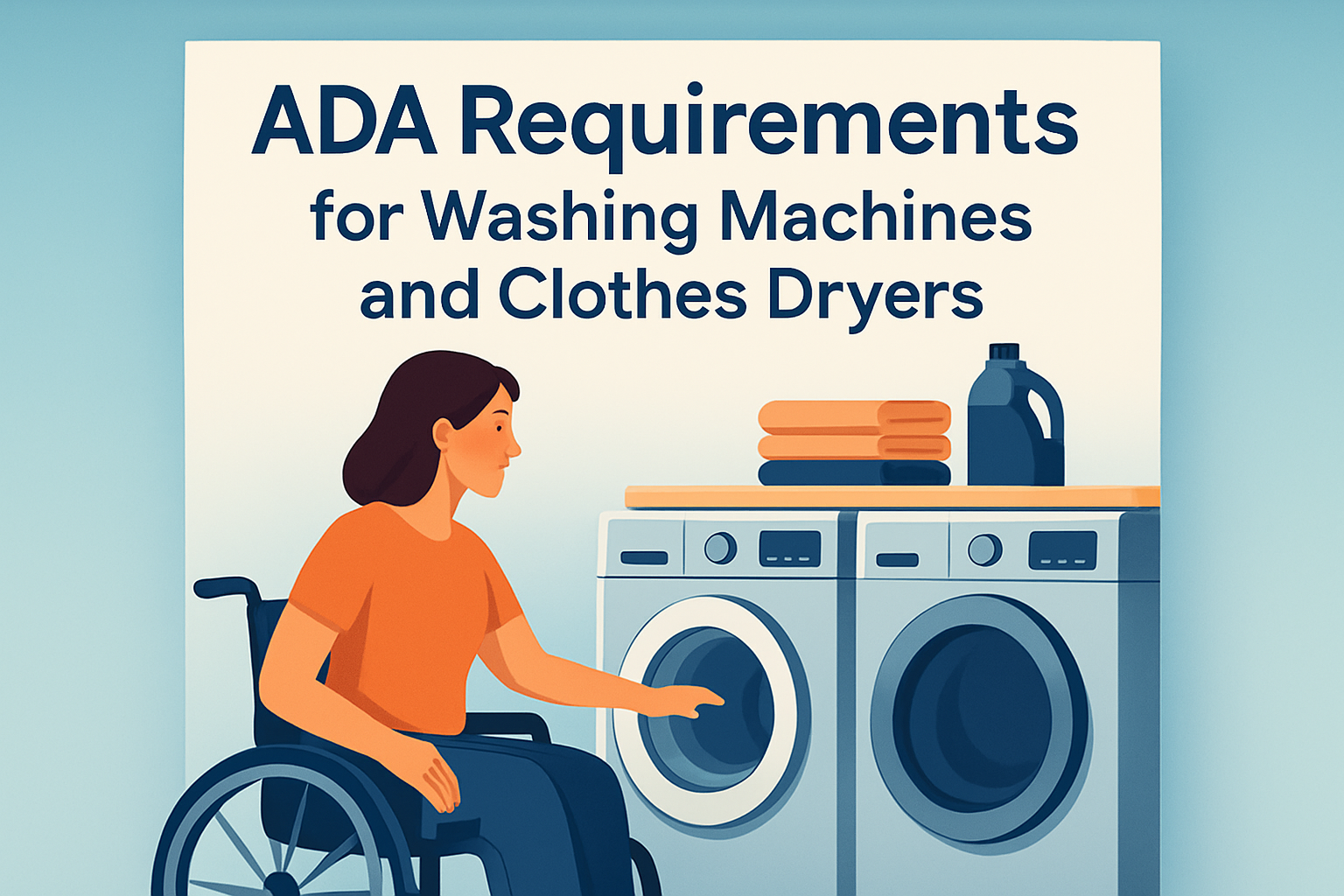
The ADA requirements for washing machines and clothes dryers are designed to improve access and functionality for individuals with disabilities. This focus on inclusivity means that manufacturers need to incorporate specific design elements to meet these standards. For instance, machine controls must be within reach and operable with minimal force. Doors should be easy to open and capable of remaining ajar for easy access. Additionally, gaskets, detergents, and other elements should be color-contrasted to assist those with visual impairments. These elements work together to enhance usability while ensuring safety and convenience.
Accessibility in Design and Functionality
The ADA sets clear standards concerning the design and functionality of washing machines and clothes dryers. These requirements emphasize the importance of accessible controls, doors, and maintenance areas, ensuring the appliances can be used without undue strain or difficulty.
In practical terms, this often means that controls must be within a specific height range to accommodate users in wheelchairs. For example, the control panel should ideally be no higher than 48 inches above the floor. This height consideration ensures that those who rely on mobility aids can easily reach and operate the appliances.
A real-world example of ADA-compliant design can be seen in modern laundromats, which often feature machines with wide doors that swing open easily and stay open during loading and unloading. These machines are designed to minimize bending or reaching, making them accessible to all users.
- Controls within reach for wheelchair users
- Easy-to-open doors
- Contrast for visually impaired users
By incorporating these design features, manufacturers not only comply with ADA guidelines but also make their products more user-friendly for all consumers.
User-Friendly Controls and Interfaces
The ADA guidelines stress the importance of an intuitive and straightforward user interface. This focus helps ensure that individuals with cognitive or sensory disabilities can also operate washing machines and clothes dryers effectively.
A key aspect of this is providing tactile controls and labels for individuals with visual impairments. Instead of flat touch panels, tactile buttons offer physical feedback to confirm selection, reducing errors and increasing user confidence.
Sound cues can also be integrated, such as beeps or spoken notifications, to alert users when a machine cycle is complete. This can be crucial for those who may find it difficult to see visual indicators or for an overall better user experience.
Highlighting a case study, some home appliances now feature voice commands and smartphone integrations, showcasing an increasing trend towards diverse usability. These innovative approaches underscore the importance of inclusivity at all levels of product function.
Height and Space Considerations
For individuals using wheelchairs, the height and spatial configuration of a washing machine or clothes dryer can make a substantial difference in accessibility. ADA guidelines specify that both machines should be positioned at a convenient height and allow enough knee and toe clearance for those in wheelchairs.
| Appliance Component | ADA Requirement | Example Solution |
|---|---|---|
| Height of Controls | Maximum 48 inches | Mounting control panel at front |
| Knee Clearance | Minimum 30 inches wide | Space under counter installations |
| Door Handles | Operable with single hand | Lever handles instead of knobs |
An example of meeting these ADA requirements can be seen in certain front-loading machines installed in built-in cabinets that allow wheelchair users to roll up and easily access controls and doors. By providing ample clearance and placing controls at accessible heights, these designs ensure that everyone can use them comfortably.
Ensuring Safety and Durability
Safety and durability are key considerations in ADA compliance for washing machines and dryers. Appliances must be safe for all users to operate, irrespective of their abilities, complemented by durability to ensure long-term usability and reliability.
Manufacturers should ensure that all moving parts, such as doors and drums, are smooth and free from hazards such as sharp edges. Additionally, maintaining a stable machine surface along with non-slip materials can provide additional support and safety.
A notable example can be seen in the incorporation of auto-lock features preventing accidental starts or changes in settings, safeguarding both machine integrity and user safety. This blend of thoughtful engineering and robust materials ensures not only compliance but also peace of mind for users.
Real-World Implications and Market Trends
Incorporating ADA-compliant design elements into washing machines and clothes dryers reflects broader shifts in market trends towards accessibility and inclusivity. Increasingly, consumers and manufacturers realize that designing for accessibility means creating better products for everyone.
A compelling market trend is the growth of smart appliances. These machines don’t just boast advanced features but also improved accessibility through smartphone controls, voice commands, and real-time alerts. Such innovations reflect a market that values inclusivity, aligning economic incentives with social responsibility.
An intriguing case is that of refurbished and retrofitted machines, which adapt existing models with ADA-compliant components. Through these efforts, there is a clear push towards making accessibility integral to product design from inception rather than an afterthought.
Benefits to the Consumer
For consumers, ADA-compliant washing machines and clothes dryers offer substantial advantages beyond mere compliance. First, they enhance usability for everyone, reinforcing the idea that accessible design is universal design.
Products adhering to these standards typically feature better ergonomics, meaning they are more comfortable and intuitive to use. This reduces the risk of strain or injury. Furthermore, the durability requirements ensure that these appliances are robust, often leading to extended lifespans and better value over time.
From an economic perspective, investing in ADA-compliant appliances can increase a property’s attractiveness and value, given that it appeals to a broader market, including those for whom accessibility is a priority.
Summary and Call to Action
The ADA requirements for washing machines and clothes dryers play a crucial role in promoting accessibility and usability. By adhering to these guidelines, manufacturers contribute positively to the lives of individuals with disabilities while simultaneously expanding their market reach and enhancing product value. The requirement for accessible controls, user-friendly interfaces, appropriate height considerations, and safety measures is essential to making household chores manageable for everyone.
For manufacturers, the call to action is to embrace these ADA standards in every design phase, ensuring that accessibility becomes fundamental rather than an added feature. For consumers, the recommendation is to seek out and support products that incorporate these design elements, enhancing functionality and fostering inclusivity.
Ultimately, embracing ADA-compliant appliances signifies a commitment to a more inclusive, compassionate society. Such a commitment not only benefits individuals with disabilities but enriches the community as a whole, promoting independence, convenience, and enjoyment in everyday activities.
Frequently Asked Questions
1. What are the ADA requirements for washing machines and clothes dryers?
The ADA requirements for washing machines and clothes dryers ensure that these appliances are accessible to people with disabilities. According to the ADA, washing machines and dryers should be front-loading so that individuals using wheelchairs can easily access them. The controls and operating mechanisms should be within reachable height, typically no higher than 48 inches from the floor, and should not require tight grasping, pinching, or twisting of the wrist to operate. It’s important for these appliances to have clear, legible controls with tactile markings or audible cues when necessary to cater to individuals with sensory disabilities.
Furthermore, the ADA requires that appliances are installed in accessible locations, ensuring that the path to them is clear of obstacles and that there is ample maneuvering space around the machines, usually a minimum of 30 by 48 inches of clear floor space. This allows users to approach the appliance, whether they are using a wheelchair, walker, or other mobility aids. These guidelines help ensure that everyone, regardless of physical limitations, can use laundry facilities with ease and dignity.
2. Why is compliance with ADA regulations important for manufacturers of washing machines and clothes dryers?
Compliance with ADA regulations is crucial for manufacturers for several reasons. Firstly, it demonstrates a commitment to inclusivity, ensuring that products are accessible to a broader range of consumers, including the elderly and those with disabilities. This not only broadens the market for the manufacturer but also aligns the brand with socially responsible and ethical business practices, which can be a significant advantage in today’s socially conscious market.
Moreover, adhering to ADA guidelines is not optional for manufacturers; it is a legal requirement. Non-compliance can lead to legal challenges, financial penalties, and a tarnished reputation. By designing products that meet ADA standards, manufacturers can avoid these risks and instead foster trust and loyalty among consumers. Compliance also helps manufacturers to future-proof their products as regulations evolve, ensuring that they remain competitive in a market that increasingly values accessibility.
3. What are the benefits of ADA-compliant washing machines and clothes dryers for consumers?
For consumers, ADA-compliant washing machines and clothes dryers offer numerous benefits. The primary advantage is accessibility, as these appliances are designed to be used comfortably by people with various disabilities, including those who may have reduced mobility, vision, or dexterity. This means that tasks associated with doing laundry, which can be challenging in traditional settings, are made significantly easier and more manageable.
Additionally, these appliances typically boast intuitive controls that improve the user experience for everyone, not just individuals with disabilities. Features like clear, easy-to-read displays, large buttons, and simple controls make them user-friendly for people of all ages. The thoughtful design also translates to greater convenience and enhanced safety, which are desirable features for any consumer.
Furthermore, ADA-compliant appliances contribute to an inclusive home environment, enhancing overall quality of life. They support independent living by enabling users to perform laundry tasks without assistance, which is a crucial aspect of maintaining dignity and self-sufficiency.
4. How do ADA standards impact the design of laundry facilities in residential and commercial settings?
In both residential and commercial settings, ADA standards significantly influence the design of laundry facilities. For residential properties, adhering to ADA guidelines is essential to create an accessible home environment for all occupants and guests. This often involves remodeling or designing laundry rooms to include front-loading machines with reachable controls, ensuring sufficient space for wheelchair access and movement.
Commercial facilities, such as laundromats, hotels, and apartment complexes, must also comply with ADA standards to accommodate patrons with disabilities. This involves providing a certain percentage of front-loading, ADA-compliant machines and ensuring that these units are situated in accessible locations. Additionally, commercial spaces often have to consider elements like accessible seating areas, folding tables at appropriate heights, and clear, unobstructed paths throughout the facility.
The commitment to ADA compliance in these settings not only fulfills legal obligations but also opens the door to a wider, more diverse customer base, as it demonstrates respect and consideration for individuals with varying needs. This commitment can enhance the reputation of the facility, offering a competitive edge in the market.
5. Are there any financial assistance programs or incentives for purchasing ADA-compliant washing machines and dryers?
Yes, there are several financial assistance programs and incentives available for individuals and organizations looking to purchase ADA-compliant washing machines and dryers. Various governmental and non-governmental initiatives aim to encourage the adoption of accessible appliances by offering financial support or tax incentives.
For instance, individuals with disabilities may qualify for grants or loans through local or federal housing programs aimed at improving home accessibility. These programs often cover costs involved in making necessary modifications to one’s home, including the purchase of ADA-compliant appliances. Organizations such as non-profits or businesses that invest in accessible facilities may also benefit from tax credits or grants, thus reducing the financial burden of compliance.
Additionally, some utility companies offer rebates or discounts on energy-efficient, ADA-compliant appliances, which can contribute to long-term savings on utility bills. It’s advisable for consumers and facility managers to explore these options thoroughly, as they can make the transition to ADA-compliant appliances significantly more affordable.