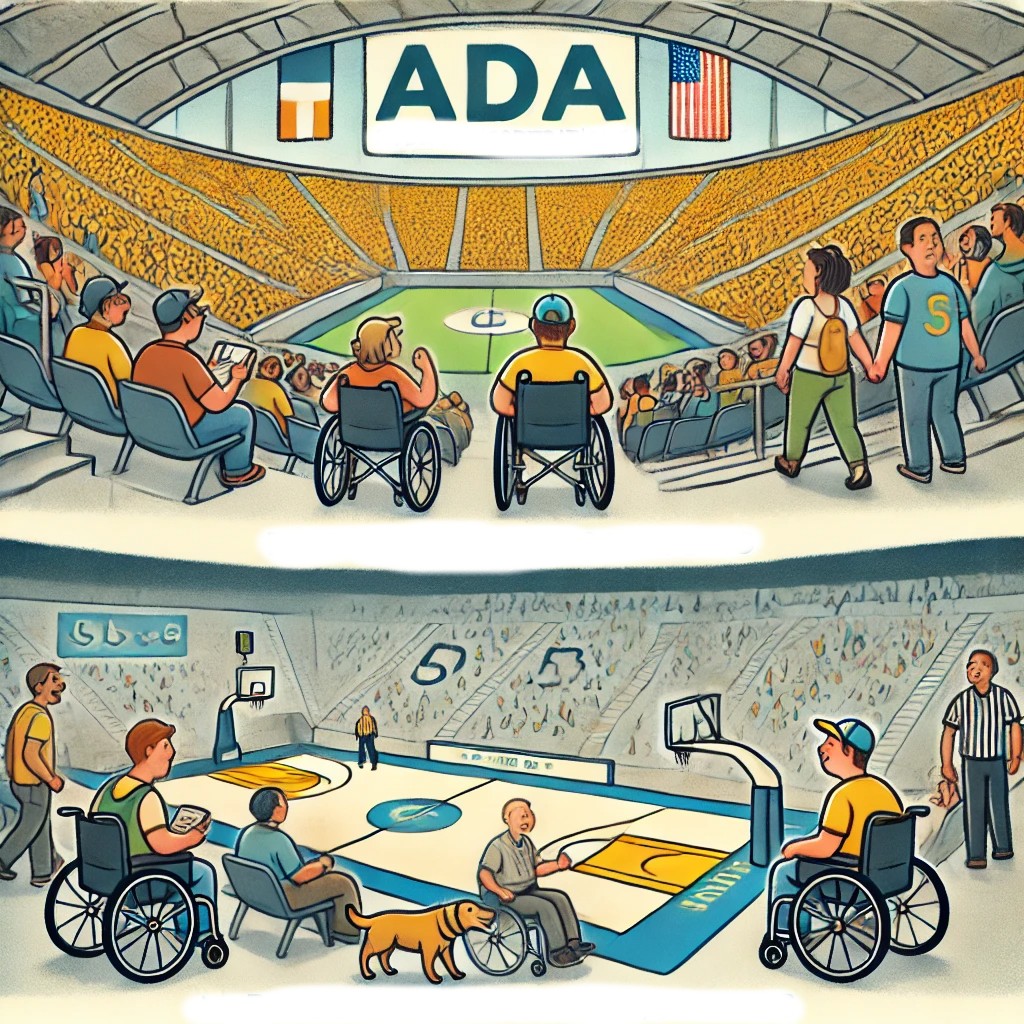
The Americans with Disabilities Act (ADA) was signed into law in 1990 to ensure equal access and opportunities for individuals with disabilities across various facets of public life, including workplaces, schools, transportation, and all public and private areas open to the general public. The ADA plays a crucial role in event and conference planning, ensuring that events are accessible and inclusive for all attendees, regardless of their physical or mental abilities.
Ensuring compliance with ADA regulations is not only a legal requirement but also an essential facet of ethical and inclusive event planning. Whether you are organizing a small meeting, a large conference, or any public event, understanding the rights and protections afforded under the ADA is imperative. The goal is to provide an environment where everyone, regardless of their abilities, can fully participate and benefit from the event’s offerings.
This comprehensive article aims to delve into the ADA rights and protections relevant to conference and event planning. It covers the basic requirements, practical strategies for compliance, and tips for creating inclusive environments. In doing so, we hope to empower event planners with the knowledge and tools needed to create successful, inclusive events that welcome all attendees.
ADA Basic Requirements for Events and Conferences
Successful event planning under the ADA starts with understanding its basic requirements. As per the 2010 ADA Standards for Accessible Design, public accommodations must comply with specific measures to guarantee accessibility features. This includes, but is not limited to, the following:
- Accessible Routes: Ensure that all routes within the venue, including entrance and exit pathways, are accessible to individuals with mobility impairments.
- Signage: Proper, easy-to-read, and visible signage should be in place to help guide individuals with visual impairments.
- Accessible Seating: A specific number of accessible seating options depending on the size of the event.
- Assistive Listening Devices: Provision of devices to assist attendees who are hard of hearing.
Understanding these basics is the first step in planning an ADA-compliant event. Awareness and adherence to these guidelines help in making the event more welcoming to all participants.
Practical Strategies for ADA Compliance
Achieving ADA compliance in event planning extends beyond meeting the basic legal requirements. Here are some practical strategies to ensure your event is inclusive and accessible:
1. Conduct a Site Inspection: Before finalizing the venue, conduct a thorough on-site inspection focusing on ADA compliance. Check for accessible entryways, restrooms, elevators, and other essential facilities.
2. Vendor Collaboration: Work with vendors that are aware of ADA regulations. For example, if catering is part of your event, ensure the setup allows space for mobility devices.
3. Registration Process: Include an accessibility section in your registration form, asking attendees about their particular needs. This will help you plan and provide the necessary accommodations.
4. Staff Training: Equip your team with knowledge about ADA requirements and train them on how to assist individuals with disabilities effectively during the event.
Creating an Inclusive Event Environment
Beyond compliance, fostering an inclusive environment at your event is crucial to its success. Here are several ways you can promote inclusiveness:
1. Communicate Accessibility: Make information about accessibility readily available on the event’s website and promotional materials. This includes details on accessible routes, services, and amenities.
2. Engagement with Attendees: Encourage feedback from attendees to identify any areas of improvement and to understand their experiences better.
3. Use of Technology: Utilize technology to enhance accessibility. For example, live captioning for presentations and availability of materials in multiple formats can cater to diverse needs.
4. Inclusive Programming: Consider the diversity of your audience when planning the event programs. Ensure that speakers and activities reflect and respect the varied experiences and perspectives of all attendees.
Event Accessibility Evaluation
Post-event evaluation is a critical component of maintaining and improving ADA compliance. Implement the following steps to evaluate your event’s accessibility effectively:
1. Feedback Surveys: Distribute feedback surveys focusing on the accessibility aspects of your event. Utilize this data to understand what worked and what didn’t.
2. Incident Review: Review any accessibility-related incidents, discussing with your team what happened and how similar issues can be prevented in the future.
3. Continuous Improvement: Use the insights gathered from feedback and incident reviews to continually enhance your policies and procedures.
4. Engage with Advocates: Work with disability rights advocates and organizations. Their expertise can provide valuable perspectives and recommendations for future events.
Case Studies and Real-World Examples
Examining real-world examples and case studies of successful ADA-compliant events can provide practical insights and inspiration. Here’s a brief look at a few cases:
1. Tech Convention in San Francisco: This event incorporated advanced assistive technologies, such as real-time speech-to-text apps, and ensured all session rooms were equipped with ramps and accessible seating.
2. Music Festival in Austin: Known for its inclusivity, the festival established viewing platforms for wheelchair users, provided ASL interpreters, and created accessible pathways throughout the venue.
3. Academic Conference in New York City: Focused on inclusivity, this event offered materials in braille, provided personal assistance upon request, and ensured that dietary needs were met through accessible catering options.
These examples not only showcase successful compliance but also highlight the importance of going above and beyond the basic requirements to create truly inclusive events.
Conclusion
The significance of the ADA in conference and event planning cannot be overstated. Ensuring that events are accessible for individuals with disabilities is both a legal requirement and a moral imperative. By understanding the basic requirements of the ADA, implementing practical strategies for compliance, fostering an inclusive environment, evaluating accessibility post-event, and learning from real-world examples, event planners can create successful and inclusive gatherings.
The journey to full ADA compliance and true inclusivity is ongoing. It requires continuous learning, improvement, and a genuine commitment to valuing and empowering all individuals, regardless of their abilities. Only through these efforts can we create a world where everyone has the opportunity to participate fully and equally in all aspects of public life.
Armed with the knowledge and tools provided in this comprehensive guide, event planners are well-equipped to step forward in making their events accessible and welcoming to all. Remember, each step taken towards inclusivity not only complies with the law but also enriches the event experience for everyone involved.