Introduction: Why Accessible Fishing Piers and Platforms Matter
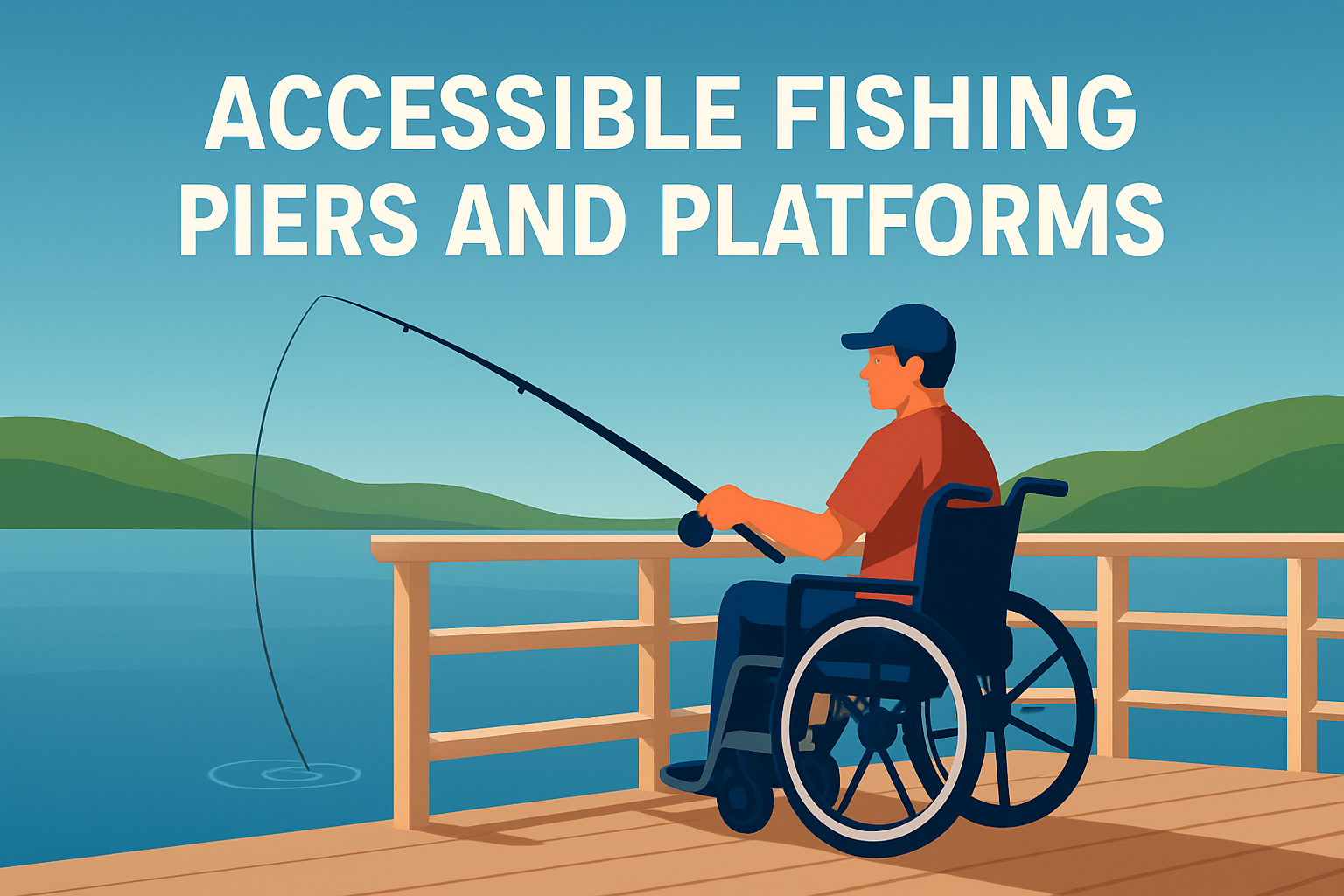
In an era where accessibility is increasingly important, creating inclusive outdoor recreational spaces is paramount. Accessible fishing piers and platforms ensure that individuals with disabilities can enjoy the pleasures of fishing. These structures are designed to accommodate wheelchairs and other mobility devices, making fishing a reality for everyone, regardless of physical limitations.
Accessibility in public spaces is not just about compliance with laws like the Americans with Disabilities Act (ADA), but it’s also a matter of equity and inclusion. Fishing provides numerous benefits, from stress reduction to community building, which should be accessible to all. Making fishing piers and platforms accessible is crucial for enabling diverse groups to experience the joy and relaxation fishing can provide.
Furthermore, public awareness and advocacy for disabled individuals play significant roles in creating more accessible public spaces. By understanding how accessible fishing piers and platforms are designed and implemented, enthusiasts, advocates, and policymakers can promote and support these initiatives effectively. This article will explore various aspects of accessible fishing piers and platforms, diving into their design, benefits, and real-world examples.
Designing Accessible Fishing Piers and Platforms
The design of accessible fishing piers and platforms involves careful consideration to meet specific accessibility needs. For a pier or platform to be truly inclusive, elements such as railing heights, surface materials, and slope gradients must adhere to established guidelines. The ADA provides comprehensive instructions for creating accessible designs in outdoor recreational spaces.
An essential aspect is the width of the pathways leading to the pier or platform. These pathways need to be wide enough to accommodate wheelchairs and should be surfaced with materials that provide traction even when wet. The slope of ramps should not exceed a gentle incline to ensure that individuals using mobility devices can navigate easily and safely.
For example, the Cherry Creek State Park in Colorado has implemented accessible fishing piers with these considerations in mind. Their designs include extended handrails with a height that suits both seated and standing users, non-slip surfaces, and ample space for maneuvering. Access to their fishing platforms is facilitated by gently sloping ramps, making them user-friendly for those with mobility impairments.
| Design Element | Specification | Purpose |
|---|---|---|
| Pathway Width | 60 inches minimum | Accommodate wheelchairs |
| Ramp Slope | 1:12 maximum | Allow easy access |
| Railing Height | 34-38 inches** | Ensure safety for all users |
| Surface Material | Non-slip | Prevent slipping and falls |
Benefits of Accessible Fishing Piers and Platforms
Accessible fishing piers and platforms offer numerous benefits that extend beyond fulfilling legal requirements. They provide opportunities for social interaction, improved mental health, and a chance to connect with nature. Fishing as an activity can be calming, promoting mindfulness and providing a break from the daily stressors of life.
Socially, accessible fishing platforms create inclusive environments where people of all abilities can gather, share experiences, and participate in an age-old tradition of fishing. These interactions can lead to the building of supportive communities and increased awareness about accessibility and inclusion.
Consider the case of Lake Tahoe in California, where a collaborative effort between local governments and disability advocates led to the construction of several accessible fishing piers. These spaces have become popular not only for individuals with disabilities but also for families and groups who appreciate the inclusive design and community atmosphere. The result is a vibrant setting where diverse groups come together to enjoy the beautiful lake environment.
Real-World Implementation: Successful Examples and Lessons Learned
Across the United States and beyond, numerous successful implementations of accessible fishing piers and platforms provide valuable lessons for future projects. These examples often involve a collaborative approach, engaging local stakeholders, funding bodies, and disability advocacy groups to ensure a comprehensive implementation.
A standout example is the Bridgeport Park District in Illinois, where the park features a state-of-the-art accessible fishing platform. By working with community members and incorporating feedback from users with disabilities, they were able to design a pier that not only meets ADA requirements but also aligns with the needs and preferences of the community. The project highlights the importance of community involvement in creating truly accessible recreational spaces.
The lessons learned from such implementations stress the significance of ongoing maintenance and community feedback. It’s not enough to build an accessible platform; maintaining functionality and safety is ongoing. Routine checks, prompt repairs, and updates to adapt to new accessibility standards ensure that these structures serve their intended purpose over time.
Funding and Advocacy for Accessible Fishing Projects
Securing funding for accessible fishing piers and platforms often involves a mix of public and private sources. Government grants, nonprofit organizations, and community fundraising efforts can all contribute to financing these projects. The challenge is not only to secure initial funding but also to ensure sustainable financial support for maintenance and upgrades.
Advocacy is a powerful tool in garnering attention and support for these initiatives. By raising awareness about the benefits of accessible recreational spaces and showcasing successful projects, advocates can engage a broader audience, including potential donors and policymakers. Social media campaigns, public demonstrations, and partnerships with local businesses can amplify these efforts, creating momentum for more inclusive recreational spaces.
For example, the Accessible Fishing Initiative in Washington State successfully leverages both public funding and private donations to build and maintain accessible fishing platforms throughout the state. Their strategy emphasizes community involvement, ensuring that projects reflect the specific needs of local populations and garner widespread support.
Conclusion: The Path Forward for Accessible Fishing Accessibility
Accessible fishing piers and platforms represent a significant step toward more inclusive outdoor recreational spaces. By understanding the importance of thoughtful design, the benefits they offer, and the success stories of real-world implementations, stakeholders can advocate more effectively for these vital projects.
The key takeaways from this exploration are clear: accessibility is not only a legal obligation; it fosters inclusivity and enhances quality of life for individuals with disabilities. Future projects would benefit from a collaborative approach, incorporating feedback and ensuring sustainable funding and maintenance.
To make a difference, consider advocating for accessible fishing piers in your community, participating in local planning efforts, or spreading awareness about their benefits. Each step taken towards inclusivity enriches our communities, ensuring that everyone, regardless of ability, can enjoy the simple yet profound pleasure of fishing in a serene and welcoming environment.
In conclusion, by championing accessibility and inclusion, we can ensure that these valuable outdoor experiences are available to all, creating a more equitable and enjoyable society for everyone.
Frequently Asked Questions
1. What are accessible fishing piers and platforms, and why are they important?
Accessible fishing piers and platforms are specialized structures designed to ensure that individuals with disabilities can enjoy fishing just like anyone else. These constructions are engineered to accommodate wheelchairs and other mobility aids, eliminating barriers that might otherwise make fishing difficult or impossible for some people. The importance of these accessible spaces cannot be overstated; they provide an opportunity for individuals with disabilities to engage in outdoor recreation, connect with nature, and enjoy the calming and therapeutic benefits of fishing. By making public spaces inclusive, we promote equality and ensure that everyone, regardless of their physical abilities, has the chance to participate in these cherished outdoor activities. Accessible fishing piers play a crucial role in fostering community inclusion and enhancing the quality of life for individuals with mobility challenges.
2. What features do accessible fishing piers and platforms typically include?
Accessible fishing piers and platforms are packed with features designed to maximize functionality and safety for individuals with disabilities. Common characteristics include widened pathways to accommodate wheelchairs, non-slip surfaces to prevent accidents, and sturdy railings for additional support and security. These structures often incorporate lower safety rails to allow wheelchairs users to fish comfortably. Some piers are equipped with sloped access ramps that provide smooth, gradual ascents, making them easier to navigate. There may also be strategically placed benches for those who need to rest and specially designed fishing rod holders that ensure everyone can focus on the joy of fishing without physical strain. Furthermore, accessible parking and bathrooms are typically nearby, making the entire fishing experience seamless and inclusive for all.
3. How can communities benefit from investing in accessible fishing piers and platforms?
Communities stand to gain significantly from investing in accessible fishing piers and platforms. Firstly, these structures promote social inclusion by ensuring that everyone, regardless of their physical abilities, can participate in community activities like fishing. This fosters a sense of belonging and can strengthen community bonds. Accessible piers and platforms can also boost local economies, as they attract a broader range of visitors, including tourists, who may not have considered visiting an area before due to accessibility issues. Moreover, these projects can demonstrate a community’s commitment to inclusivity and equality, potentially setting a precedent for further public access and accommodation improvements. Lastly, they can promote environmental stewardship, as increased engagement with nature encourages conservation efforts and a greater appreciation for local wildlife and ecosystems.
4. What regulations or guidelines are in place to ensure fishing piers and platforms are accessible?
A range of regulations and guidelines exist to ensure that fishing piers and platforms are accessible to all individuals, including those with disabilities. Key among these is the Americans with Disabilities Act (ADA), which provides comprehensive regulations that public spaces must follow to be considered accessible. The ADA outlines specific requirements concerning the width of pathways, gradients of ramps, and the height of railings, among other features. Additionally, local and state building codes may have additional requirements tailored to their specific environments and communities. These regulations aim to remove barriers to access and are instrumental in guiding the design and construction of inclusive recreational facilities. Compliance not only enables safe usage by individuals with disabilities but also underscores a society’s commitment to inclusivity and equal opportunity for all.
5. How can individuals advocate for more accessible fishing piers and platforms in their community?
Individuals can advocate for more accessible fishing piers and platforms in their communities by taking several proactive steps. Education is a powerful tool; start by understanding the importance of accessible recreational spaces and familiarize yourself with the existing needs and gaps in your community. Engage local government representatives by expressing the importance of inclusive outdoor spaces and how they can improve community well-being, social cohesion, and economic prosperity. Partnering with disability advocates and organizations can amplify your message and lend expertise to the cause. Organizing community meetings and campaigns can raise awareness and rally public support. Documenting and sharing stories and testimonials from individuals who benefit from accessible facilities can also make a compelling case for change. Finally, be persistent and patient, as advocating for inclusive spaces can be a long journey, but the impact it can have on individuals and the community is profoundly rewarding.