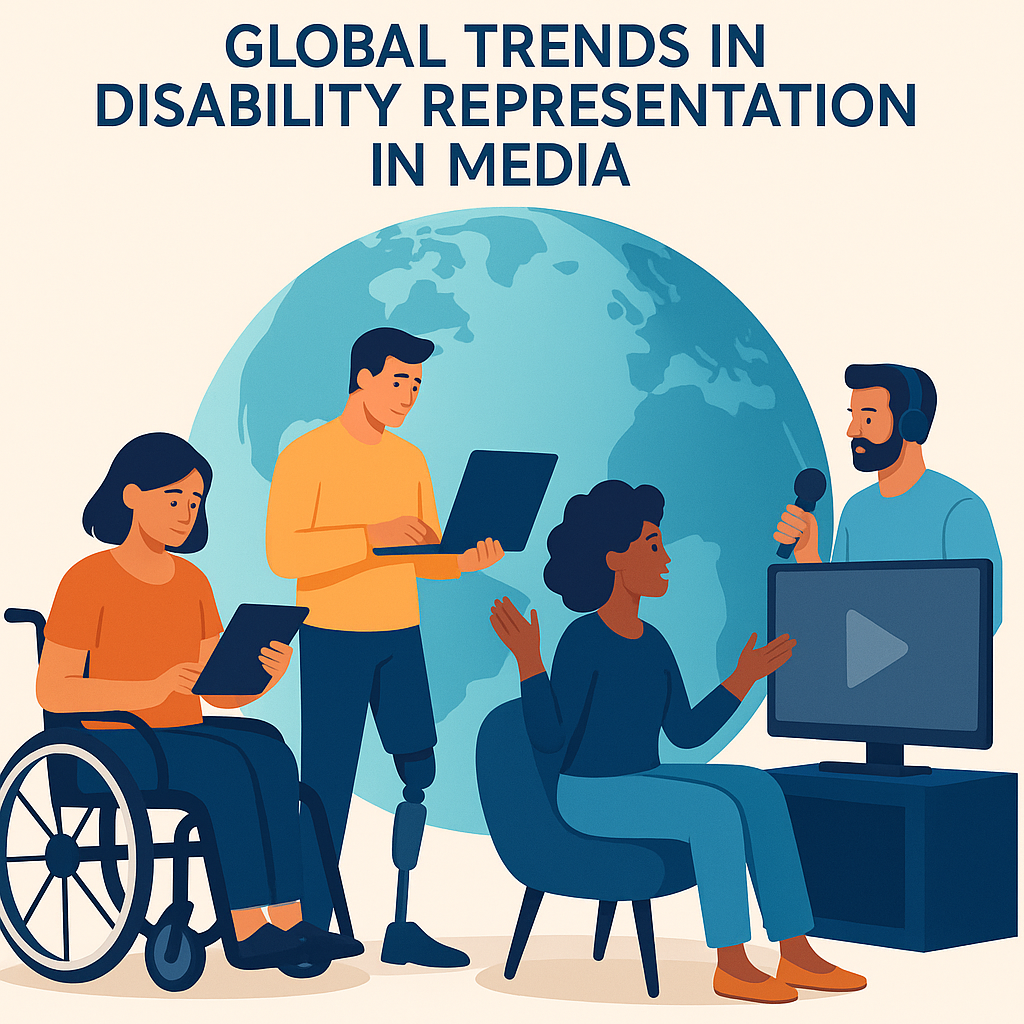
In recent years, disability representation in media has gained increasing attention, primarily due to growing awareness around diversity and inclusion in storytelling. Disability representation involves showcasing characters with disabilities in various forms of media, such as films, television, advertising, and literature. This topic matters profoundly because accurate and sensitive portrayals can influence public perceptions, break down stereotypes, and foster greater understanding and acceptance. When media makers fail to represent people with disabilities accurately, it perpetuates myths and biases, ultimately marginalizing these communities. Addressing disability representation is not merely about fairness; it is essential for painting a multifaceted and realistic picture of the world around us.
The Evolution of Disability Representation
Historically, disability representation in media has been plagued by inaccuracies and insensitivity. Often, individuals with disabilities were portrayed through a lens of pity or used as comedic relief. In past decades, characters with disabilities were frequently played by able-bodied actors, lacking authenticity and understanding. A notable example is the film “Rain Man” (1988), where Dustin Hoffman portrayed an autistic savant. Though he delivered an acclaimed performance, it raised concerns over the absence of autistic actors who could have provided authenticity to the role.
In more recent years, however, there has been a significant shift toward more inclusive practices. The emergence of organizations advocating for disability rights in media, coupled with the impact of social media, has prompted content creators to rethink their casting and storytelling. This movement is exemplified by the TV series “Atypical” (2017-2021), featuring Keir Gilchrist, who, although not on the autism spectrum, brought nuanced representation to the role with support from the autism community. The series also made strides in including actors with autism in supporting roles, reflecting a positive trend toward authentic representation.
Current Standards in Entertainment Media
Today, the entertainment industry is witnessing the rise of new standards for disability representation. These standards emphasize the inclusion of disabled actors, writers, directors, and consultants in creating content that resonates with authenticity and depth. For example, the film “CODA” (2021) features a predominantly deaf cast, including Marlee Matlin, a renowned deaf actress, bringing unparalleled authenticity to the narrative. The production received accolades for its sincere representation, highlighting the importance of including real experiences and voices behind the scenes.
The implementation of these standards is supported by influential bodies like the Sundance Institute and the Ruderman Family Foundation, which advocate for fair representation of people with disabilities in all areas of media production. Their reports and training programs stress the necessity of collaboration with disabled professionals to effect meaningful change.
Statistics and Intersectionality
Statistics reveal much about the scale and impact of disability representation. According to a report by the Annenberg Inclusion Initiative (2022), only 3.5% of characters in 100 top-grossing films were depicted with disabilities, starkly contrasting with the fact that approximately 26% of adults in the U.S. live with a disability. This underrepresentation extends beyond just the count of characters.
Another key consideration is intersectionality, which looks at how various forms of identity interconnect. It’s essential to recognize the overlapping realities faced by disabled individuals who may also identify with other marginalized groups. For instance, a visibly disabled person of color might experience additional layers of stereotyping or exclusion. The Netflix series “Special” (2019-2021) is an example of addressing intersectionality, as it presents a gay man with cerebral palsy, exploring the nuances of living at the intersection of multiple identities.
Notable Case Studies
Several case studies illustrate successful disability representation, serving as both examples and inspiration for future projects. One important case is the film “The Shape of Water” (2017), which features Sally Hawkins as a mute character. Despite its fantasy context, the film was notable for its humanizing portrayal of disability.
However, the success of films like “Sound of Metal” (2019) truly reflect the potential of representing disability with authenticity. This film features Riz Ahmed as a drummer losing his hearing and includes a cast of actors who are deaf, such as Paul Raci. The narrative highlights the Deaf culture with respect and depth, showcasing the everyday challenges and triumphs of the community. Films like these underscore the impact of thoughtful casting and research, positively transforming audience understanding of deaf and hard-of-hearing individuals.
Notably, the accessibility of media also plays a key role. The importance of closed captioning, audio descriptions, and screen-readers cannot be overstated. Streaming platforms have begun to take action, with Netflix introducing increased spending to improve accessibility features across its platform, demonstrating an industry pivot to accommodate all viewers.
Challenges and Areas for Improvement
Despite progress, significant challenges remain regarding accurate disability representation in media. One persistent issue is the prevalence of the “inspiration porn” trope, where the achievements of disabled individuals are overly sensationalized to inspire able-bodied audiences. While well-intentioned, such narratives risk reinforcing paternalistic views rather than celebrating autonomy and empowerment.
Additionally, employment opportunities within the industry for people with disabilities remain limited. The lack of role diversity—often limiting disabled characters to sad or villainous roles—further highlights the need for varied storytelling. Industry gatekeepers, including casting directors and producers, are called upon to widen their narratives and casting pools actively.
Global Perspectives and Collaborative Efforts
Globally, various countries have undertaken initiatives to bolster disability representation. In the UK, the BBC is known for its 2020 initiative, promoting increased on-screen and off-screen representation of persons with disabilities by pledging to create more opportunities through their “50:50 Equality Project.”
Internationally, there is a growing collaborative effort to share best practices and resources. Collaborative initiatives include conferences, joint research projects, and planning diverse exhibitions to showcase media made by and for people with disabilities. For instance, the annual Re*Frame film festival in Canada emphasizes the global reach of disability-focused media content, exploring stories that may otherwise remain untold.
| Country | Initiative | Impact |
|---|---|---|
| United States | Media Access Awards | Celebrates inclusive media and creators |
| United Kingdom | BBC’s “50:50 Equality Project” | Targets equal representation of disabilities in programs |
| Australia | Screen Diversity and Inclusion Network | Supports diverse media, including disability representation |
| Canada | Re*Frame Film Festival | Features disability narratives from around the world |
Pathways to Future Improvements
As the movement for genuine disability representation continues to gain momentum, considering broad strategic approaches is crucial. Advocacy remains a potent tool in pushing for change, where storytellers must use their platforms to promote the voices and stories of those with lived experiences of disability.
Implementing policies that mandate the hiring of disabled talent for disabled roles can further advance this cause. Moreover, educational outreach through workshops and seminars that expose industry professionals to the cultural competency and best practices in representing disabilities can lead to meaningful change.
With the ongoing development of technology, virtual reality and immersive storytelling present new platforms through which marginalized voices can be better heard and understood. As technological capabilities grow, embracing innovative tools for engaging storytelling becomes paramount.
Conclusion
The topic of disability representation in media is of crucial importance, as it holds the transformative power to shape societal norms and influence how disability is perceived globally. By broadening our understanding and approach to this issue, media can serve as a catalyst for change, encouraging dialogue, empathy, and inclusion.
Efforts to enhance representation must involve continuous collaboration among media creators, advocacy groups, and individuals with disabilities. As audiences become more discerning and demand authenticity in storytelling, the media industry has promising opportunities to create lasting change by genuinely reflecting the world’s diversity, including its widespread experiences of disability.
The call to action is clear: as consumers, advocates, and creators, we have a responsibility to support and engage with media that represents disability in a fair and authentic manner. By doing so, we contribute to a more inclusive future, ensuring that all voices are heard and valued in the global narrative.
Frequently Asked Questions
1. What is disability representation in media, and why is it important?
Disability representation in media refers to the depiction of characters who have disabilities across various platforms, including film, television, literature, and advertising. This representation is crucial because it not only reflects the diversity of the real world but also holds the power to shape public perceptions about people with disabilities. By portraying disabled characters sensitively and accurately, media can work towards dismantling preconceived stereotypes and fostering a more inclusive understanding. Positive and nuanced representations can challenge and change negative attitudes towards disability, encouraging society to embrace and support the dignified inclusion of individuals with disabilities in all aspects of life. Additionally, it allows those living with disabilities to see themselves in the narratives presented, reinforcing their value and place in society.
2. How has disability representation evolved in recent years?
In recent years, there has been a significant shift towards more authentic and inclusive disability representation in media. Historically, characters with disabilities were often portrayed using stereotypical tropes, often reducing them to pitiable characters or sources of inspiration (“inspiration porn”). However, there is now a noticeable trend toward crafting multidimensional characters who happen to have disabilities. This evolution has been, in part, driven by increased advocacy from disabled communities, who demand better representation and participation in storytelling. Platforms like Netflix have started including more diverse stories, while industries have seen the rise of disabled actors and creatives pushing for authentic narratives. Additionally, policy changes and content guidelines from media organizations are pushing the industry to prioritize diverse storytelling that reflects the true nature of the human experience, including disability as an integral part of it.
3. Which global media initiatives are influencing disability representation?
Numerous global initiatives are positively impacting disability representation in media. The United Nations’ Convention on the Rights of Persons with Disabilities emphasizes the importance of cultural participation, which includes appropriate representation in media. Organizations like DisabilityIN and the Ruderman Family Foundation are actively working with media companies to improve disability inclusion on and off-screen. Furthermore, legislation such as the UK’s Equality Act and the US’s Americans with Disabilities Act have promoted the rights of disabled individuals, indirectly encouraging better representation. On the corporate side, entertainment giants such as CBS and WarnerMedia have launched inclusion riders and diversity mandates, which include disability as a significant focus. These initiatives aim not only to broaden representation but also to ensure that the industry itself becomes more accessible and welcoming to people with disabilities working as actors, writers, directors, and producers.
4. How can media better the portrayal of disabled characters?
Media can improve the portrayal of disabled characters by taking several actionable steps. First, involving people with disabilities in the creation process is crucial; whether as actors, writers, directors, or consultants, their lived experiences can greatly enhance authenticity. Adequate research and sensitivity training for creators can prevent the propagation of harmful stereotypes. Moreover, it’s essential to depict disabled characters as part of a broader narrative rather than as plot devices. This involves crafting stories that don’t center solely on their disabilities but integrate them into the character’s lives as one aspect of their multidimensional identities. It’s also important to show a range of experiences and disabilities, emphasizing diversity within the disabled community. By doing these things, media can contribute to a more nuanced and comprehensive portrayal of disability, which better reflects reality and promotes understanding and acceptance.
5. Are there prominent examples of positive disability representation in media today?
Yes, there are several notable examples of positive disability representation in today’s media landscape. Television shows like “Atypical” and “Speechless” have been praised for their authentic depictions of characters with autism and cerebral palsy, respectively. In the film industry, the 2019 release “The Peanut Butter Falcon,” starring Zack Gottsagen, an actor with Down syndrome, received acclaim for its heartwarming and respectful portrayal. The animated series “Dragonfly” introduced a superhero with a disability, aiming to empower children with disabilities by providing relatable characters. Literature is also seeing strides, illustrated by novels such as “The Empathy Exams” by Leslie Jamison, which explores themes of disability through a collection of essays. These examples not only reinforce the ability of individuals living with disabilities but also contribute significantly to the ongoing conversation about inclusive and accurate representation across various media forms.