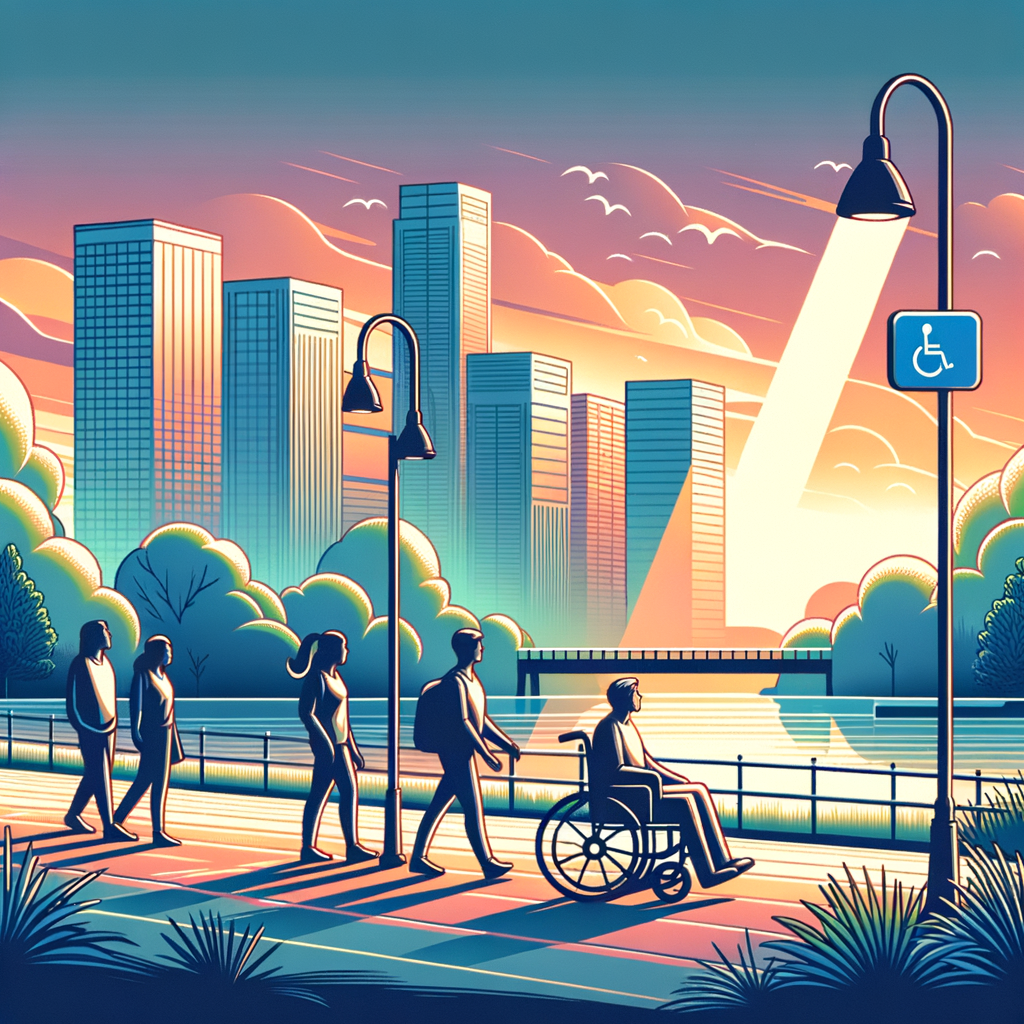
Inclusive public recreation programs ensure that individuals of all abilities can access and enjoy recreational activities. The Americans with Disabilities Act (ADA) is a civil rights law enacted in 1990 that prohibits discrimination against individuals with disabilities in all areas of public life, including public recreation. With more than 50 million Americans living with disabilities, creating inclusive public spaces and activities is not only a legal requirement but also a societal imperative. Recreation plays a crucial role in enhancing the quality of life, promoting social integration, and encouraging healthy living. Hence, designing programs that cater to everyone, including those with disabilities, is essential. This article will guide you on how to create public recreation programs that comply with the ADA and promote inclusivity for all participants.
The need for inclusive recreation programs has never been more evident. By adhering to ADA guidelines, administrators and organizers can cultivate environments that embrace diversity and facilitate equal opportunities for involvement. Embracing inclusivity requires a profound understanding of various disabilities, proactive planning, and thoughtful execution. From making physical spaces accessible to ensuring programmatic elements accommodate everyone, each aspect of recreation must be scrutinized through an inclusive lens. The ADA provides a framework for achieving such goals, yet implementation requires creativity, resourcefulness, and ongoing commitment. This introduction sets the stage to delve deeper into the specifications and considerations necessary to create successful and inclusive public recreation programs.
Creating public recreation programs entails more than just ticking boxes on a compliance checklist. It is about fostering a community-led approach that encourages inclusion and participation. This means understanding the specific needs of different disabilities and ensuring that the facilities, activities, and surrounding environments foster a sense of belonging for everyone. This article will explore how to apply ADA guidelines effectively, emphasizing practical strategies, case studies, and best practices to make public recreation programs truly inclusive and welcoming.
Understanding the Americans with Disabilities Act (ADA)
The Americans with Disabilities Act (ADA) is a civil rights law that aims to eliminate discrimination against individuals with disabilities. It covers various sectors, including public accommodations, transportation, and employment. For recreation programs, Title II of the ADA is particularly relevant as it pertains to state and local government services. This includes public parks, recreation areas, and the programs they offer. The ADA sets forth standards that these facilities must adhere to in order to ensure accessibility and inclusivity.
Comprising five titles, the ADA serves as a comprehensive guideline for ensuring public spaces cater to individuals with disabilities. For recreation programs, compliance primarily involves physical accessibility, effective communication, and reasonable modifications in policies and procedures. Understanding the ADA’s requirements lays the groundwork for creating inclusive recreation programs that not only comply with the law but also empower participants of all abilities.
Designing Accessible Facilities
Physical accessibility is a cornerstone of any inclusive recreation program. This starts with ensuring that common areas like parking lots, pathways, restrooms, and entryways are accessible to everyone. An accessible facility should include features such as ramps, handrails, and elevators to accommodate individuals with mobility issues. The ADA prescribes specific dimensions and layouts to optimize accessibility, such as minimum door width requirements and appropriate slope gradients for ramps.
Incorporating sensory-friendly elements is also crucial. Features such as tactile wayfinding displays, audio cues, and visually contrasting environments cater to those with visual or auditory impairments. Public recreation facilities should strive for Universal Design—a philosophy of designing spaces usable by all people, to the greatest extent possible, without the need for adaptation or specialized design.
Programmatic Accessibility: Tailoring Activities for All
Beyond physical accessibility, recreation programs must consider the activities themselves. An inclusive approach involves adapting activities so people with varying abilities can participate. This means offering alternative options for tasks that might be challenging for some individuals, such as different ball sizes or weighted bats in adaptive sports. Moreover, instructors should be trained to modify activities on the fly, ensuring everyone can engage at their own pace.
Utilizing technology can further enhance programmatic accessibility. Assistive devices like adaptive equipment, communication boards, and hearing loops facilitate participation for individuals with disabilities. Additionally, offering online options or virtual participation can help include those unable to attend physically. Engaging with participants and asking for feedback is key; they can offer insights into how programs can better serve their needs.
Training and Educating Staff
Implementing inclusive recreation programs requires the dedication and commitment of well-trained staff. Educating all employees about the ADA and how it impacts their roles is crucial. This training should cover etiquette, awareness, and sensitivity when interacting with individuals with disabilities. Staff should be trained to recognize the varying needs of participants and how to facilitate appropriate accommodations.
Ongoing education is vital for fostering an inclusive atmosphere. Regular workshops, seminars, and training sessions keep staff updated on the latest developments and best practices in inclusivity. Encouraging an open culture of learning and adaptation ensures staff remain motivated to provide the best possible experiences for all participants. Hiring staff with specialized knowledge of disabilities or lived experience can enhance the program’s understanding and accessibility.
Community Engagement and Awareness
Creating inclusive recreational environments extends beyond the immediate setting. Engaging with the community at large encourages a proactive approach to understanding and meeting diverse needs. Collaborate with local disability advocacy groups and organizations to gather insights and feedback. Establish committees that include members from various segments of the community, including those with disabilities, to contribute to program planning and evaluation.
Community outreach programs can play a significant role in raising awareness. Hosting open days, workshops, and events specifically tailored to inform and educate the public about inclusivity in recreation helps cultivate an accepting community spirit. Initiatives such as inclusive sports leagues or art classes can also showcase the benefits and enjoyment of diverse participation.
Evaluating and Improving Programs
Assessing the effectiveness of recreation programs is essential to maintain and enhance inclusivity. Evaluation should be a continuous process involving participant feedback, staff input, and community assessments. Surveys, focus groups, and observation sessions provide valuable insights into the success and shortcomings of current offerings.
Adjustments based on evaluations ensure programs meet the evolving needs of participants. Implementing changes in response to feedback demonstrates a commitment to inclusivity and fosters trust. Keeping abreast of technological advancements and innovative practices within recreation serves to constantly improve the quality and accessibility of programs.
Inclusive Marketing and Communication Strategies
Promoting recreational programs inclusively is vital to reach a wider audience. Communication should be accessible in format, language, and content. This involves using clear and straightforward language, providing information in multiple formats such as large print, braille, or digital versions, and ensuring digital platforms are compatible with screen readers.
Marketing strategies should depict diversity in promotional materials, showcasing individuals of all abilities actively participating in programs. This approach not only communicates inclusivity but also invites a diverse array of participants. Establishing an open line of communication between the program administrators, participants, and the public helps address concerns swiftly and efficiently.
Conclusion
Crafting inclusive public recreation programs under ADA guidelines enriches communities by promoting diversity, improving quality of life, and fostering a sense of belonging among all participants. The ADA offers a comprehensive framework to guide organizations in developing programs that are legally compliant and environmentally welcoming. However, achieving inclusivity extends beyond mere compliance. It requires collaboration, creativity, and an unwavering commitment to serving individuals of all abilities.
In summary, successful inclusive programs rest on three pillars: accessible facilities, adaptable activities, and well-trained staff. These elements, underscored by active community engagement and ongoing evaluation, pave the way for vibrant and accepting recreational environments. By striving for continuous improvement and inclusivity, we create spaces that are reflective of the diverse world we inhabit, ultimately enhancing the experience for everyone involved.
As we advance, the significance of inclusivity in recreation will only grow, highlighting the importance of committed stakeholders, creative solutions, and open-mindedness. By embedding ADA principles into the very fabric of recreation programs, we take a significant step forward in ensuring equitable access, enjoyment, and participation for all community members, including those with disabilities.


