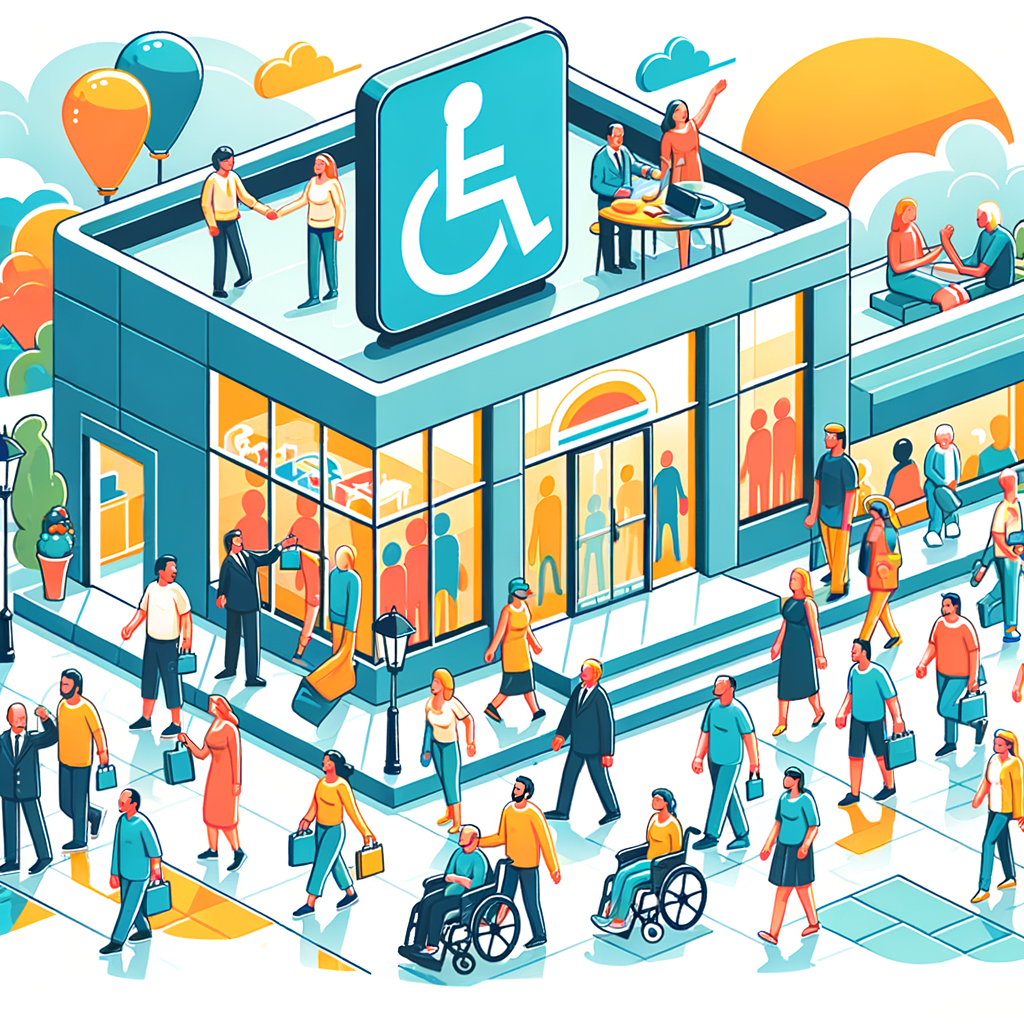
Creating an inclusive community is integral to societal growth and cohesion, and an essential part of this effort is organizing community events and activities that are accessible to everyone, including individuals with disabilities. The Americans with Disabilities Act (ADA) is a pivotal piece of legislation that prohibits discrimination against individuals with disabilities in all areas of public life. This includes mandates for public accommodations, which encompasses ensuring that community events and activities are designed with accessibility in mind. Organizing ADA-friendly events not only broadens participation but also enriches the community by promoting diversity and inclusion.
Ensuring that events are ADA-friendly requires careful planning, detailed execution, and an understanding of the fundamental principles of accessibility. Whether it’s accommodating people with physical disabilities, visual impairments, hearing impairments, or cognitive disabilities, there are a variety of strategies and considerations that event organizers must take into account. These considerations include accessible venues, effective communication strategies, adaptive technologies, and inclusive programming. The importance of such inclusivity in community events cannot be overstated, as it enhances the collective experience, encourages participation from diverse groups, and underscores a commitment to equality. This article provides a comprehensive guide to organizing ADA-friendly community events and activities, aiming to equip event organizers with the necessary knowledge to create inclusive, welcoming environments for all.
While the task of ensuring ADA compliance can seem daunting, understanding the requirements and knowing how to implement them can significantly simplify the process. From initial planning stages to the execution and follow-up, every facet of event organization should be viewed through the lens of accessibility. This forethought not only ensures legal compliance but fosters a more welcoming community atmosphere. As we delve deeper into the strategies and practical solutions for organizing these events, remember that each step taken towards accessibility is a step towards fostering a sense of belonging and empowerment among all community members.
Understanding ADA Requirements
The foundation of organizing ADA-friendly events lies in understanding the American with Disabilities Act’s specific requirements and guidelines. The ADA was established to ensure that people with disabilities have the same rights and opportunities as everyone else, and it covers various areas such as employment, public accommodations, transportation, and communications. When it comes to public events, ADA compliance primarily focuses on accessibility, meaning that physical venues and the services provided must be accessible to individuals with disabilities.
Key ADA requirements for events include physical accessibility, effective communication, reasonable modifications, and integration. Physical accessibility ensures that individuals with mobility impairments can access buildings and event spaces. This can require ramps, elevators, accessible restrooms, and seating arrangements. Effective communication covers the provision of auxiliary aids and services that enable individuals with hearing or visual impairments to understand and participate in the event, including sign language interpreters, captioning services, or Braille programs. Reasonable modifications refer to making adjustments to policies, practices, and procedures to accommodate individuals with disabilities. Finally, integration emphasizes that, to the greatest extent possible, people with disabilities should be integrated with the general public instead of being housed in separate areas.
Planning Stage: Setting the Foundation
When organizing an ADA-friendly event, meticulous planning and proactive decision-making play crucial roles. Start by clearly defining the event’s purpose, goals, and audience. Understanding the target audience is critical to identifying specific accessibility needs. Incorporate individuals with disabilities in the planning committee or as consultants to gain insights from their experiences. Establishing an ADA compliance officer within the organizing team is also beneficial to ensure that all aspects of the event align with accessibility standards.
Venue selection is one of the most critical steps during the planning stage. Choose a venue that meets ADA standards, ensuring all areas are accessible, such as entrances, exits, seating areas, and restrooms. Verify the availability of elevators, ramps, and accessible parking spaces near the venue. Conduct a walk-through of the potential venues to identify possible obstacles or access issues. Additionally, consider the location’s proximity to public transportation and its overall ease of access.
Another consideration is the event’s schedule. Inform participants beforehand about the event layout, facilities, and services available to support those with disabilities. Providing a clear schedule helps attendees plan their day accordingly and alleviates potential stress or confusion. Ensuring the event’s timing accommodates individuals with varying needs, such as offering quieter times or short breaks, can also be beneficial.
Inclusive Communication: Reaching Everyone
Inclusive communication is key to organizing ADA-friendly events, ensuring that all attendees can fully participate and engage. Communication should cater to individuals with different needs, including those who are deaf, hard-of-hearing, or visually impaired. This means offering a variety of formats for event information, such as printed materials in large print or Braille, digital resources with screen-reader compatibility, and audio descriptions for video content.
During the event, provide services such as sign language interpreters, Assisted Listening Devices (ALDs), and real-time captioning. Ensure any written materials, such as name tags or programs, have clear, visible fonts. It may be advantageous to use clear, concise language when communicating important details. Having staff on hand who are trained in basic sign language or who understand accessibility needs can be invaluable in assisting attendees throughout the event.
Social media and online platforms should also be accessible, accommodating screen readers with text descriptions for images and videos. Ensure your website complies with the Web Content Accessibility Guidelines (WCAG), offering tools such as screen reader compatibility, adjustable font sizes, and navigation options that are accessible via keyboard. This not only broadens outreach but ensures all promotional material reaches the intended audience.
Adaptable Activities and Programming
When planning the activities and programming of an ADA-friendly event, consider broadening the types of activities offered to include those accommodating various disabilities. Activity inclusivity often requires adapting existing programs or designing new activities that guarantee equal participation opportunities. Be creative in showcasing talents or skills that celebrate diverse abilities, including people with disabilities in the performance or presentation.
Provide options that cater to different levels of ability and interest. For example, physical activities can be modified to include both seated and standing participants, providing suitable borrowing equipment like sport wheelchairs or adaptable tools. Ensure that any interactive activities are reachable for individuals with mobility impairments, using adjustable tables or adaptive technology where necessary.
If the event includes panel discussions, workshops, or demonstrations, prioritize speakers or facilitators who have a background or expertise in disability inclusion. Featuring disability advocates and consultants can offer valuable insights and foster a sense of community. Offering prerecorded content with captions or audio description options enhances accessibility. In this way, attendees can view or listen to content again, ensuring comprehensive understanding.
Executing Your ADA-Friendly Event
The execution phase is where all the planning and preparation come to fruition. Begin by ensuring that all members of the event team understand their roles in maintaining an ADA-compliant environment. Conduct an accessibility walkthrough before the event begins to ensure all setups are accommodating, and any last-minute obstacles can be addressed promptly.
Designate areas specifically for accessibility services such as sign language interpretation or ALD pick-up points, making these locations easily identifiable and conveniently accessible. Equipping event staff and volunteers with knowledge about the venue’s facilities and the services available promotes an informed and responsive support team.
During the event, evaluating guest experiences is crucial. Be available to address and resolve accessibility issues promptly. Soliciting feedback in real-time by engaging with attendees ensures that accessibility goals are met. Provide assistance proactively, offering guidance and support to attendees as needed, demonstrating an active commitment to accessibility goals.
The Role of Feedback and Continuous Improvement
Gathering feedback is an essential component of organizing ADA-friendly events. Solicit input from attendees with disabilities to gather insights into the effectiveness of the accessibility measures in place. Request feedback on various aspects of the event including venue, activities, communication methods, and overall inclusivity.
Post-event surveys and comment cards serve as a valuable tool for collecting feedback, providing insights into potential areas for improvement. Engaging with participants through focus groups or interviews can yield in-depth feedback on the event’s success in meeting accessibility standards. It’s crucial that feedback is actively used in the planning of future events to continuously enhance accessibility measures and foster inclusive community events.
Incorporating the suggestions and viewpoints of individuals with disabilities positively impacts future events, paving the way for more inclusive, vibrant community interactions. Addressing feedback proactively and transparently cultivates trust and demonstrates an ongoing commitment to accessibility.
Conclusion
Organizing ADA-friendly community events and activities is a vital step towards creating inclusive, diverse environments where everyone feels valued and can actively participate. By understanding ADA requirements, carefully planning venue and schedule, prioritizing inclusive communication, and adapting activities, event organizers pave the way for successful, engaging experiences. The execution phase is just as important, requiring diligent attention to detail and proactive problem-solving to ensure smooth operations.
The role of feedback plays a significant part in ensuring continuous improvement. Event organizers must actively seek, evaluate, and apply feedback to future events, enhancing accessibility standards and enriching the participant experience. Commitment to accessibility not only fulfills legal obligations but also fosters a community culture built on understanding, respect, and acceptance.
In conclusion, the process of organizing ADA-friendly events requires thoughtful deliberation, dedicated resources, and a continuous effort toward improvement. However, the payoff is substantial: building stronger, more cohesive communities where all members, regardless of ability, can contribute and enjoy shared experiences. These efforts lead to a more equitable society, reinforcing the principle that everyone deserves access to community life and opportunities for engagement.
By championing accessibility and inclusivity, community leaders and organizers inspire others to take similar steps, thus promoting a ripple effect that extends beyond individual events to positively influence society at large. As we advance, these deliberate actions will mark our commitment to equity as a community, embracing our differences while celebrating our commonalities. The work continues, and with each event, we move closer to realizing a world where all individuals are truly welcomed and included.


