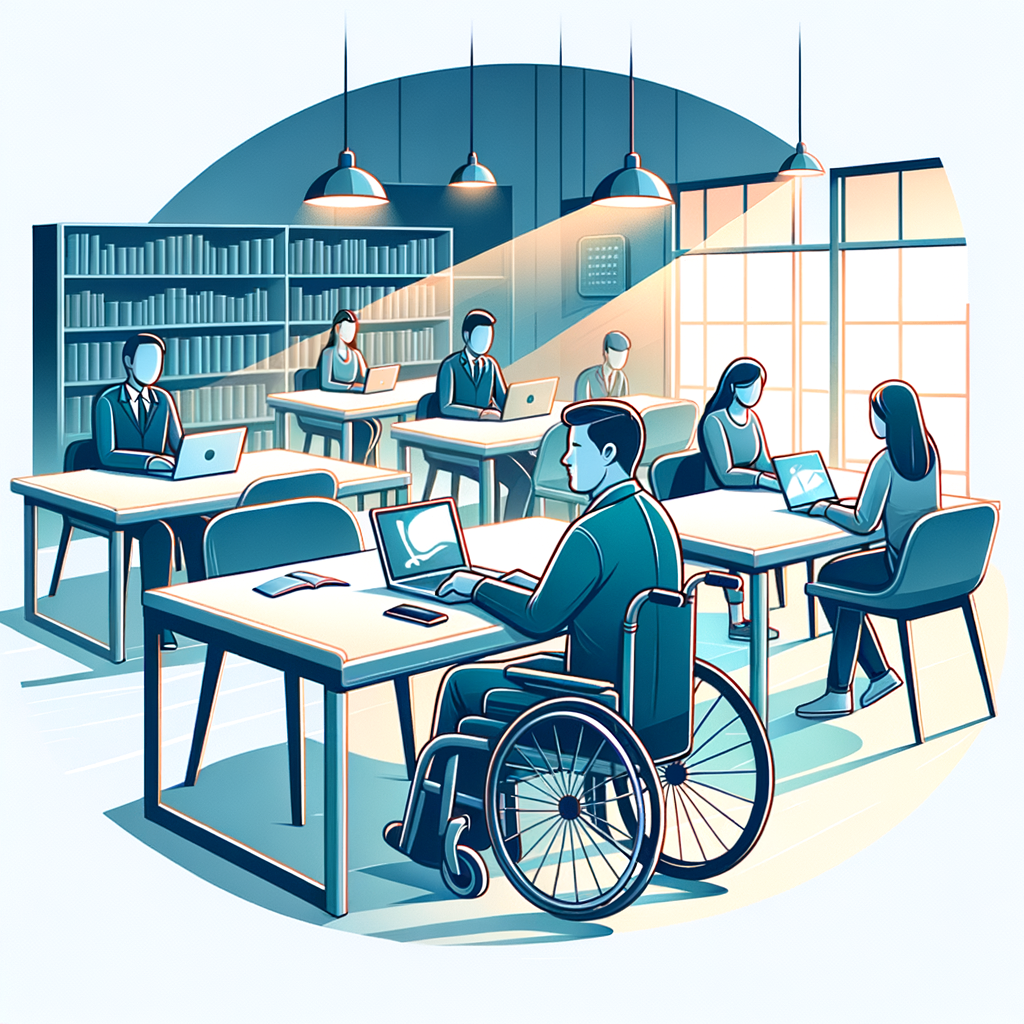
Navigating the college experience can be challenging for any student, but it presents unique hurdles for those with disabilities. The American Disabilities Act (ADA), passed in 1990, plays a critical role in ensuring equal access to education for individuals with disabilities. However, accessing the full scope of resources available under the ADA can become a daunting task for college students. This article delves into the specific ADA resources available to college students with disabilities, aiming to empower them with knowledge and tools to make the most of their educational journey.
There are numerous facets to consider when discussing ADA resources for college students, from understanding the legal rights and accommodations guaranteed under the ADA to the academic and financial support systems in place. Additionally, non-academic resources play a crucial role in supporting a holistic educational experience. With an informed approach, students can better advocate for themselves, ensuring they receive the necessary support to thrive in their college environments. This introduction is just the starting point in exploring these critical facets, aiming to equip students with all the necessary information they need to fully understand and utilize ADA resources effectively.
This comprehensive exploration will cover various support mechanisms and how they integrate into the college ecosystem. We’ll explore what colleges are mandated to provide, what students can do to ensure they receive their entitled support, and how to navigate challenges. Through this article, you will find clear guidance on making use of the resources to cater to a wide range of disabilities, focusing on physical, cognitive, and invisible impairments. Understanding the landscape is essential for students to make full use of aid meant for them, and this introduction sets the framework for the detailed insights that follow.
Understanding Legal Rights and Accommodations
The cornerstone of ADA resources for college students is understanding one’s legal rights and the accommodations they are entitled to. The ADA, along with the Rehabilitation Act of 1973, mandates that educational institutions make their programs accessible to students with disabilities. This essentially means that colleges are legally obligated to provide reasonable accommodations to ensure that students with disabilities can participate fully in all activities.
Reasonable accommodations can include a wide array of modifications, such as extended time on exams, note-taking services, and assistive technology. For some students, it may involve physical accessibility modifications to classroom settings or campus housing. However, these accommodations must be formally requested by the student through their institution’s office of disability services.
It’s vital for students to understand the process of requesting accommodations. Generally, this process begins with documentation from a qualified professional diagnosing the disability and recommending specific accommodations. The office of disability services evaluates these documents and works with the student to implement the appropriate accommodations. Knowing and understanding this process is key to receiving timely and effective support.
How to Access Academic Support
Beyond legal rights and accommodations, academic support is an integral aspect of ADA resources available to students. Academic support encompasses services such as tutoring, mentoring programs, and assistive technology that aid in meeting educational demands. Colleges often have disability resource centers that serve as the central hub for accessing academic support.
Tutoring services are available to all students, but students with disabilities can have access to specialized tutoring that tailors to their unique needs. This might include one-on-one sessions focusing on specific subjects where the student feels they require extra help. Additionally, mentorship programs match students with faculty or staff mentors who guide them through their educational journey.
Assistive technologies play a pivotal role in leveling the playing field for students with disabilities. These technologies include screen readers, voice recognition software, and text-to-speech programs that assist students with visual or mobility impairments. The disability resource centers typically provide access to these technologies and train students on how to effectively utilize them to enhance their academic performance.
Financial Assistance Opportunities
For many students with disabilities, financial support is a crucial ADA resource that can significantly impact their access to education. While financial aid is available to all students in various forms, students with disabilities have access to specific scholarships, grants, and funding options.
Scholarships tailored for students with disabilities are offered by various organizations and foundations. These scholarships acknowledge the additional challenges faced by students with disabilities and aim to provide financial relief. Some scholarships focus on specific disabilities, while others are open to any student with a documented disability.
Beyond scholarships, federal and state grants can also play an essential role. Programs such as the Federal Supplemental Educational Opportunity Grant (FSEOG) provide financial assistance to students with exceptional financial need. Students should also check with their college’s financial aid office for any institution-specific grants or loans tailored for students with disabilities.
Non-Academic Support Services
While academic and financial support are crucial, non-academic support services are equally important to ensuring a successful college experience for students with disabilities. These services focus on overall well-being, social integration, and personal development, which are central to creating an inclusive college experience.
Counseling services provide emotional and psychological support to students with disabilities who may face unique challenges and pressures. Colleges typically offer access to licensed counselors trained to work with students dealing with disability-related issues. Regular counseling sessions can help students navigate personal challenges and improve their mental health.
Campus organizations and clubs often work toward building an inclusive environment that fosters social interaction and integration among students with disabilities and the wider student body. Participation in such clubs can help students build a sense of community, making their college experience more fulfilling.
Additionally, career services offered by colleges assist students with disabilities in preparing for their future careers by offering job placement resources, resume workshops, and interview preparation. These services ensure that students with disabilities are well-equipped to transition from college to the workforce.
Navigating Challenges and Advocating for Yourself
Despite the availability of ADA resources, students with disabilities may still encounter challenges in accessing and utilizing them effectively. It’s important for students to understand how to navigate these challenges and advocate for themselves.
One common challenge is the lack of awareness or misconceptions about disabilities among faculty and other students. This necessitates a proactive approach where students educate their peers and professors, fostering an understanding of their needs. Workshops and seminars organized by disability resource centers can assist in this educational outreach.
Effective self-advocacy involves knowing your needs, being clear about the accommodations required, and communicating effectively with faculty and college administrators. Keeping thorough records of all communications and accommodations requested can be helpful in advocating effectively.
For students with disabilities, joining advocacy groups on campus can provide a collective voice that can push for systemic changes and increased awareness. These groups can play a critical role in promoting policies that enhance accessibility and inclusion on campus.
Conclusion
In conclusion, the landscape of ADA resources for college students with disabilities offers a suite of opportunities and support mechanisms to ensure equal access and full participation in their educational pursuits. Understanding legal rights and accommodations provides the foundation for accessing necessary educational adjustments. Academic support services, including tutoring and assistive technology, offer practical tools that empower students to excel in their academics.
Financial assistance tailored to students with disabilities helps alleviate the financial burdens associated with college expenses. Non-academic support, focusing on emotional well-being and social integration, enrich the college experience and foster a sense of belonging. Navigating the challenges associated with utilizing these resources and advocating for oneself is crucial in overcoming barriers and maximizing the educational opportunities available.
Armed with the information presented in this article, college students with disabilities can begin their journey with confidence. Whether seeking academic assistance, financial support, or resources to enhance daily life, ADA resources provide a comprehensive framework to support their success in higher education.
Ultimately, the power of knowledge and effective utilization of ADA resources can transform the college experience, making it an enriching and empowering chapter in the lives of students with disabilities. For those embarking on this journey, taking full advantage of the resources laid out here is not just recommended—it is essential to achieving success.
Frequently Asked Questions
1. What rights do college students with disabilities have under the ADA?
The Americans with Disabilities Act (ADA) provides comprehensive civil rights protections to individuals with disabilities, ensuring they have equal access to education, just like any other student. For college students, this means institutions must provide reasonable accommodations to ensure equal access to educational opportunities. This includes making classrooms, dorms, and facilities accessible, offering auxiliary aids and services like sign language interpreters or note-takers, and ensuring that course materials are available in accessible formats, like braille or digital text. Additionally, the ADA requires schools to have non-discriminatory admission policies and to make adjustments to policies and practices that might otherwise discriminate against students with disabilities. So, if you’re a college student with a disability, you have the right to request these accommodations and expect your college to comply, as long as your request doesn’t fundamentally alter the nature of the program or impose undue burden on the institution.
2. How can a college student with disabilities access ADA resources at their institution?
Accessing ADA resources starts with the school’s disability services office, which is there to help students with disabilities navigate college life. As a student, your first step should be to contact this office as soon as possible. You’ll need to officially register with them by providing appropriate documentation of your disability. Once registered, you will work together with them to determine the accommodations you need. The office will typically have staff dedicated to evaluating your situation and helping you craft a plan that suits your needs. This might include arranging for extended time on tests, providing materials in accessible formats, or even arranging for specialized housing. It’s crucial to communicate openly and regularly with this office to ensure your needs are continually being met throughout your college journey. Remember, the earlier you start this process, the more seamless your transition into college life will be.
3. What are some common accommodations that colleges provide for students with disabilities under the ADA?
Colleges are committed to providing a range of accommodations tailored to a wide array of disabilities to ensure an inclusive educational environment. Common accommodations include extended time for tests and assignments, the provision of lecture notes and digital recordings of classes, and the use of adaptive technology like speech-to-text programs. Additionally, students may require physical adjustments, such as accessible furniture or laboratory equipment, or alternative examination formats like oral exams. For those with sensory disabilities, colleges often provide services such as sign language interpreters or captioning services for lectures. Importantly, accommodations are designed to level the playing field, not give students with disabilities an unfair advantage, so each request is thoroughly evaluated to ensure it is reasonable and necessary.
4. What should a student do if they feel their rights under the ADA are not being respected?
If you find yourself in a situation where your rights under the ADA are being neglected, the first step is to address the issue with your college’s disability services office. Often, misunderstandings can be resolved internally with clear communication. However, if this does not yield satisfactory results, students have several paths for recourse. They can file a formal complaint with their institution; most colleges have a grievance process specifically for handling ADA issues. Alternatively, students can contact the Office for Civil Rights (OCR) within the U.S. Department of Education, which is responsible for enforcing Section 504 of the Rehabilitation Act (closely related to the ADA), or they can seek legal assistance from organizations that specialize in disability rights. Remember, you have the power to advocate for yourself, and there are resources and organizations available to assist you in ensuring your educational environment is fair and accommodating.
5. Are there specific technologies or tools that can assist students with disabilities in college settings?
Indeed, technology can be a game-changer for students with disabilities, and colleges are increasingly leveraging it to provide better support. Commonly used tools include screen readers and magnification software for students with visual impairments, which enable them to access digital content more easily. Text-to-speech and speech-to-text programs are invaluable for students with learning disabilities, allowing them to engage with written material auditory and to craft essays more efficiently. For those with mobility impairments, modified keyboards and voice recognition software can facilitate smoother interaction with computers. Also, hearing loop systems or FM systems are used to assist students with hearing impairments by directly sending sound to their hearing aids. Many college libraries have assistive technology labs that are equipped with state-of-the-art tools designed to support a wide range of disabilities. These technologies not only provide greater accessibility but can significantly enhance a student’s learning experience by fostering autonomy and independence.


