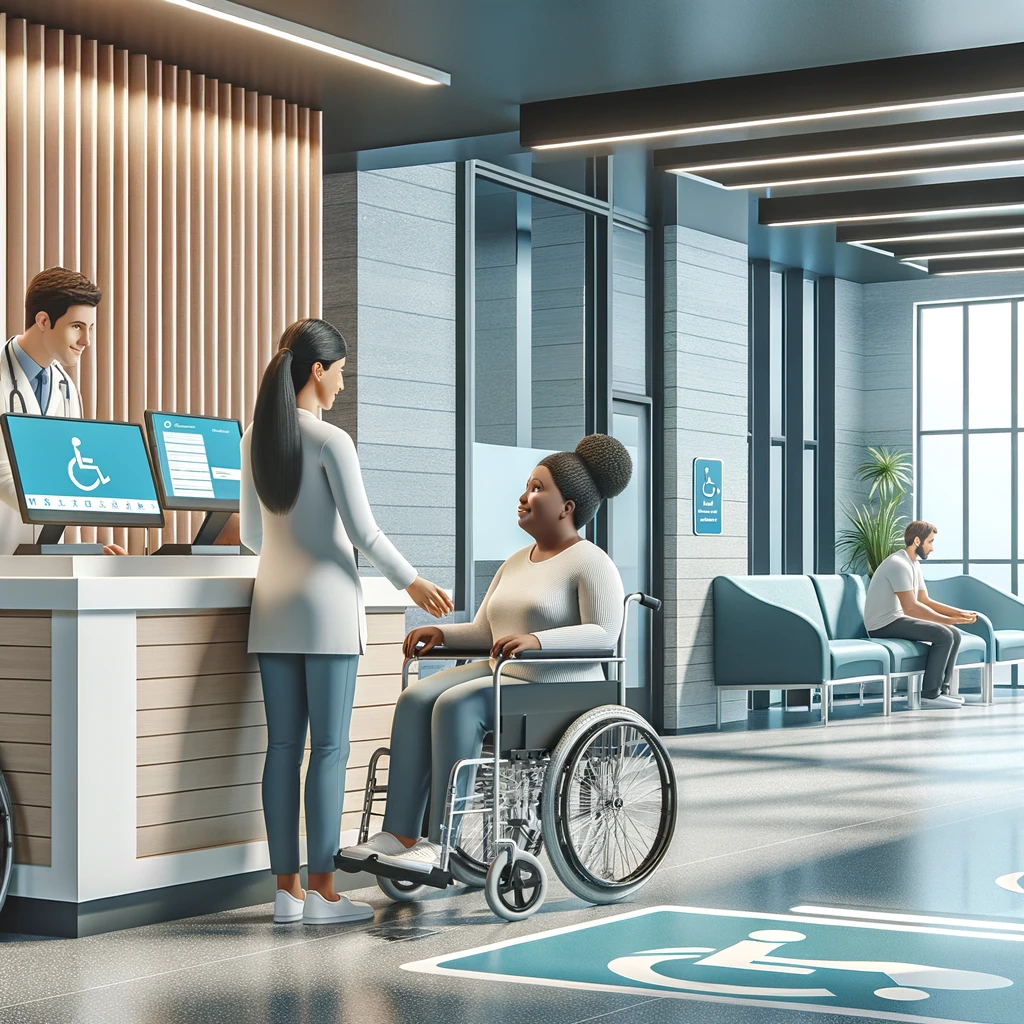
The realm of temporary structures and events presents unique challenges when it comes to ensuring compliance with the Americans with Disabilities Act (ADA). These types of constructions are increasingly common in various sectors, from festivals and concerts to exhibitions and temporary business setups. The ADA, a pivotal piece of civil rights legislation enacted in 1990, mandates that all individuals, regardless of physical or mental disabilities, should have equal access to public facilities and opportunities. When planning temporary structures and events, it is essential not only to consider logistical creativity and the nature of the event itself but also to ensure comprehensive ADA compliance. Ignoring these considerations can lead not only to legal repercussions but can also result in a significant portion of the population being unable to fully participate. This article delves into the key aspects of achieving ADA compliance in the nuanced contexts of temporary structures and events.
The Importance of ADA Compliance
Understanding the significance of ADA compliance in temporary setups extends beyond mere legal obligation. It embodies the principle of inclusivity, where all individuals, regardless of their physical or mental challenges, can access and enjoy the same events as everyone else. Compliance ensures a broader audience can be reached, enhancing the social and economic success of the event. Ignoring ADA guidelines can severely limit participation, but adherence demonstrates an organization’s commitment to societal equality. It’s essential to ensure everyone has equal access to enjoy and participate fully in events and the temporary structures those events may use. This is a fundamental aspect of modern inclusivity efforts that aim for universal access and acceptance.
Challenges in Achieving ADA Compliance
Temporary structures and events pose specific challenges that differentiate them from permanent installations. First, by their very nature, they are not intended to last long, often leading to a transient mindset that might overlook long-term accessibility concerns. Budget constraints can also limit the resources allocated for ensuring comprehensive ADA compliance. Organizers might be inclined to prioritize elements they perceive as more immediately impactful, such as sound systems and seating arrangements, at the expense of accessibility features. Additionally, the variety in temporary events means there is no one-size-fits-all solution. For instance, a small pop-up shop will have different compliance needs compared to a large outdoor festival. Seasonality and geography add further complexity, as accessibility solutions sometimes require adaptation to local climates or terrains, which can prove costly or technically challenging.
Core ADA Accessibility Guidelines
The ADA sets forth comprehensive but clear guidelines that cover a wide array of structural and technical requirements. One of the primary areas of focus is accessible route design, which should accommodate wheelchairs and other mobility devices without obstruction. This involves considering surface textures, slopes, and widths. Entrances and exits must also be barrier-free, incorporating ramps alongside any stairs. Seating arrangements should include wheelchair spaces distributed throughout the venue, ensuring choice rather than restriction to certain areas. Signs must be clear and provide information both visually and in Braille to accommodate the visually impaired. Audible announcements should be supplemented with captioning for those who are hearing impaired. Temporary restroom facilities, often a necessity at such events, should include accessible units to the same standard as permanent ones.
Planning and Implementation Strategies
To successfully implement ADA compliance, detailed planning is paramount. Early in the planning process, organizers should consult with disability advocates or ADA specialists who can provide expertise and insights. This collaboration helps foresee potential issues and suggests functional solutions tailored to the specific event. Use of portable ramps, railings, and modular pathways can enhance accessibility without permanent modification to the venue. Furthermore, incorporating technology solutions such as mobile apps with audio guidance or real-time transcription services can enrich the experience for attendees requiring assistance. Training staff to be aware of and responsive to accessibility needs ensures that even unforeseen challenges on the event day are managed effectively. Regular simulations or dry runs of the event logistics should include scenarios involving differently-abled guests to assess the effectiveness of the implemented strategies. Feedback loops post-event are also crucial, as they provide firsthand opinions from attendees, which can be invaluable for future improvements.
Innovative Solutions in Temporary Accessibility
As technology and design evolve, so too do the innovative solutions available for making temporary events and structures ADA compliant. Temporary modular flooring can be used to provide stable, non-slip surfaces over uneven ground, enhancing the overall accessibility of outdoor events. Advances in portable signage, which can feature removable and reusable Braille plaques, offer adaptable solutions for different environments. Additionally, as virtual and augmented reality technology becomes more integrated into live events, it can be employed to provide an immersive alternative for those who still might face barriers in physical spaces. These technologies can bring a level of flexibility previously unseen in temporary venues, allowing for a personalized experience that is attuned to the diverse needs of all visitors. Another burgeoning area is the development of portable and multi-functional devices that can be seamlessly integrated into event staging, offering dynamic accessibility solutions that are both efficient and cost-effective.
Case Studies: Successful ADA Compliance
Several prominent events have set benchmarks in ADA compliance, showcasing how creative solutions can lead to successful outcomes. For instance, the Coachella Valley Music and Arts Festival is renowned not only for its music but also for its conscientious approach to accessibility. High-quality wheelchair platforms, strategically placed restrooms, and comprehensive signage ensure that every attendee has a full experience. Similarly, pop-up markets such as the Union Square Holiday Market have incorporated wide pathways and both audible and visual information systems to cater to all shoppers. Both examples highlight how foresight and planning can transform spaces considered challenging into fully inclusive environments. These cases illustrate that with the right commitment and resources, ADA compliance can elevate the overall enjoyment and accessibility of any temporary structure or event.
Conclusion
Achieving ADA compliance in temporary structures and events is not merely a box-ticking exercise; it is a testament to a commitment to inclusivity and equality. As organizers, understanding the intricacies involved can lead to more successful and inclusive events that cater to everyone. By addressing the challenges head-on and utilizing innovative solutions, temporary structures can achieve the same level of accessibility as permanent ones. This ensures compliance with legal requirements while demonstrating corporate social responsibility. Ensuring equal access aligns with the broader vision of a society where every individual has the right to participate and experience life fully. In pursuing these strategies, events and structures can not only meet ADA standards but exceed them, creating a benchmark for inclusive, accessible enjoyment across all spectrums of ability.
Frequently Asked Questions
1. How can event organizers ensure ADA compliance for temporary structures like tents or stages?
Ensuring ADA compliance in temporary structures requires careful planning and an understanding of the specific needs of people with disabilities. Organizers should first conduct a thorough evaluation of the event area to identify potential barriers for individuals with disabilities. This includes ensuring that pathways are wide enough for wheelchair access, and are stable, firm, and slip-resistant. A minimum of 36 inches in width is recommended for paths. Entrances to structures like tents or stages should also include ramps or be at ground level to accommodate wheelchair users.
Additionally, it is crucial to include accessible seating areas and ensure that viewing areas are not obstructed. Event-specific policies like reserved parking spaces, the provision of assistive listening devices for audio accessibility, and the availability of sign language interpreters can further enhance accessibility. Training for staff in accessibility issues is also a critical component as it helps them understand and efficiently respond to the concerns and needs of patrons with disabilities.
2. What are the key considerations for ensuring accessibility in restrooms at temporary events?
Temporary events often require portable restrooms, which pose a unique challenge for ADA compliance. To comply with ADA guidelines, event organizers must ensure that a sufficient number of portable restrooms are accessible. These restrooms should have features like a lower or no threshold, grab bars, and adequate space for a wheelchair to maneuver comfortably.
Accessibility to restrooms doesn’t just stop at having ADA-compliant facilities; it also involves considering the placement of these restrooms. They should be located on a firm, stable surface and be easily accessible from the main routes of the event. Signage to direct patrons to accessible restrooms should be clear and visible. Equally important is regular maintenance to ensure cleanliness and functionality, which is a common oversight in temporary setups.
3. How can accessibility be ensured in event registration and ticketing processes for people with disabilities?
Ensuring an accessible registration and ticketing process is fundamental to ADA compliance. This means providing multiple options for the purchase of tickets, including online, phone, and in-person methods. Websites and online platforms must be designed to be compatible with screen readers. This enables individuals who are blind or visually impaired to easily navigate the site and complete transactions independently.
In addition to online accessibility, customer service support should be readily available to assist individuals with disabilities throughout the registration or ticketing process. It’s also important to provide clear information about the accessibility features available at the event, such as reserved seating areas, shuttles, or assistive technologies. Accommodating requests like companion seating, or ensuring access to interpreters or guides, can make a significant difference in providing an inclusive experience right from the registration stage.
4. What training or guidelines should staff at temporary events follow to enhance ADA compliance and accessibility?
Proper staff training is integral to ensuring a seamless and inclusive experience for all attendees. Staff at temporary events should be well-versed in ADA requirements and policies. This includes understanding the layout and accessible features of the event space and the ability to guide and assist attendees with disabilities efficiently.
Continuous sensitivity training should be held to educate staff about the diverse needs of individuals with disabilities and how to address them respectfully and effectively. This includes recognizing visible disabilities and understanding less apparent ones, such as hearing impairments or intellectual disabilities. Staff should also be equipped with communication strategies that emphasize patience and clarity, and they should know how to efficiently operate any assistive devices provided at the event. By fostering a well-informed team, event organizers can enhance accessibility and provide positive experiences for all guests.
5. Are there specific requirements for signage and informational materials in temporary events to be ADA compliant?
Yes, effective signage is one of the crucial components for ADA compliance in temporary structures and events. ADA guidelines mandate that all informational materials and signage should be easily readable and accessible. This includes using high contrast colors and large font sizes to assist attendees with visual impairments. Signs should also include Braille or raised text where applicable.
Additionally, directional signs should clearly indicate the paths to accessible facilities like entrances, restrooms, and service areas. Important event information should also be available in alternative formats, such as audio recordings or accessible PDFs, to accommodate various needs. By ensuring that all signage and informational materials are developed with these considerations, event organizers can significantly improve accessibility and ensure compliance with ADA standards.