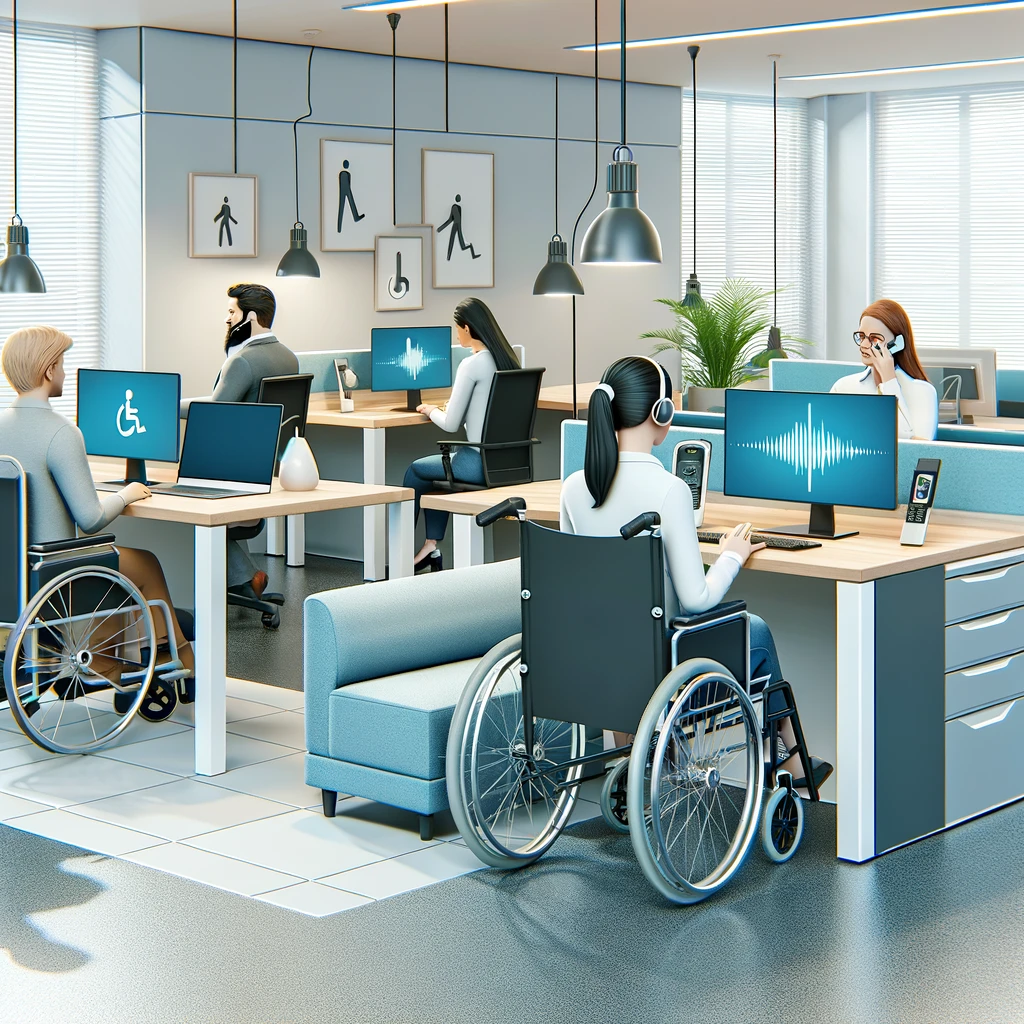
The Americans with Disabilities Act (ADA), enacted in 1990, is a landmark civil rights law that ensures people with disabilities have equal access to public facilities, services, and accommodations. This legislation has played a vital role in dismantling barriers, promoting inclusivity, and guaranteeing that public spaces are navigable for those with disabilities. ADA compliance is not merely a legal obligation but a commitment to fostering inclusivity and accessibility for a diverse population. Public facilities, ranging from libraries to parks, must ensure they adhere to ADA standards to create an environment free from discrimination. In this article, we will explore the essential requirements for ADA compliance, examine the challenges facilities might face, and discuss the benefits of fostering an ADA-compliant environment. Understanding ADA compliance is crucial for both facility managers and patrons alike, empowering everyone to contribute to a more inclusive society.
Understanding ADA Compliance
ADA compliance involves adhering to the standards set by the ADA to eliminate discrimination against individuals with disabilities in all public areas. These standards cover a wide range of accessibility features, including building design, communication technology, and service practices. The goal is to remove barriers, enabling people with disabilities to access and enjoy the same facilities and services as everyone else. Compliance typically includes ensuring wheelchair access, providing appropriate signage, and making sure communication methods are accessible to people with various disabilities. The ADA Standards for Accessible Design provide detailed guidance on the technical specifications needed to make a facility compliant, covering everything from door widths to restroom layouts.
Key Components of ADA Compliance
One of the primary components of ADA compliance is ensuring physical access to buildings and facilities. This means that buildings must have accessible entrances, such as ramps or elevators, to accommodate individuals using wheelchairs or other mobility aids. Within facilities, doorways, restrooms, and seating areas must be designed to be accessible. Restroom design, for example, should include grab bars, accessible sinks, and enough space for maneuvering.
Communication accessibility is another crucial aspect, requiring facilities to provide aids and services to individuals with hearing, vision, or speech disabilities. This could include offering documents in braille, having sign language interpreters available, or using assistive listening devices. Moreover, any televised content in public spaces must include closed captioning to be ADA compliant.
Service policies also contribute to ADA compliance. Public facilities must ensure their practices do not discriminate against individuals with disabilities. Staff should be trained in disability awareness and etiquette to better serve patrons with different needs. Policies need to account for service animals, allowing them to accompany individuals throughout the facility.
Challenges to Achieving ADA Compliance
Achieving ADA compliance can pose several challenges for public facilities, particularly older buildings that were not originally designed with modern accessibility standards in mind. Retrofitting these spaces to meet current ADA standards can be costly and logistically complex. Navigating these upgrades requires precise planning and often involves consulting with architects and ADA specialists to ensure compliance.
Another challenge is staying current with evolving accessibility standards. Public facilities must continuously assess and update their compliance strategies as new technologies and standards emerge. This ongoing task can be resource-intensive and may require regular staff training to ensure that all personnel are equipped to implement ADA policies effectively.
Financial constraints can also limit a facility’s ability to become fully compliant. While some strategic changes might be affordable, others, like installing elevators in multi-story buildings, require significant investment. Facilities might need to seek grants or funding opportunities to assist with these substantial changes.
Benefits of ADA Compliance
Despite the challenges, numerous benefits accompany ADA compliance. First and foremost, compliant facilities offer equal access to all individuals, thereby promoting inclusivity and equal opportunity. This can enhance the community’s overall quality of life, as everyone gains equitable access to services and amenities.
In addition to social benefits, ADA compliance can prove advantageous from a business perspective. An accessible facility can attract a broader clientele by opening its doors to individuals with disabilities and their families. This can lead to increased patronage, customer satisfaction, and community support. Facilities that champion accessibility tend to cultivate positive reputations, which can be advantageous in community relations and public image.
Furthermore, ADA compliance helps protect facilities from legal liabilities and potential lawsuits. By adhering to ADA standards, facilities can avoid penalties and ensure they are fulfilling their legal obligations. Public facilities can also foster a more attentive and informed staff, as continuous training is part of maintaining compliance, enhancing the overall quality of service offered.
Steps to Achieve ADA Compliance
The first step towards achieving ADA compliance is conducting an accessibility audit. This involves assessing the current state of a facility in terms of accessibility, identifying areas that meet standards as well as those that require improvement. Hiring an ADA specialist or consultant can help ensure the audit is thorough and effective.
Following the audit, facilities should develop a comprehensive plan to address deficiencies. This plan should outline specific goals, timelines, and resources required to make necessary modifications. Prioritizing changes, starting with those that present the most significant barriers, is crucial, and obtaining feedback from individuals with disabilities can provide valuable insights into their needs.
Creating a budget and identifying funding sources are essential steps in the planning process. Facilities may look into grants, fundraising events, or governmental assistance programs to cover the costs of compliance. Communication with stakeholders, such as patrons, staff, and board members, is also important to provide transparency and foster support.
Once planning is complete, implementation can begin. Facilities should aim to carry out upgrades in phases, starting with high-impact, low-cost changes to demonstrate progress and build momentum. Continuous training and awareness programs for staff are also critical to sustaining compliance efforts. Regularly revisiting the compliance plan and making adjustments as necessary can help the facility retain its focus on becoming and remaining compliant.
Conclusion
In summary, ADA compliance is a foundational step towards ensuring equal access and inclusivity in public facilities. While achieving full compliance involves navigating various challenges such as financial constraints and structural limitations, the benefits far outweigh the difficulties. Accessible facilities foster a more inclusive and equitable community, protecting organizations from legal liabilities while enhancing their reputation. The journey towards ADA compliance begins with a thorough understanding of the requirements, careful planning, and a commitment to continuous improvement. By embracing these principles, public facilities not only adhere to the law but play a crucial role in building more inclusive communities where everyone can participate freely and fully. This commitment to accessibility empowers individuals with disabilities, enabling them to thrive and contribute meaningfully to the social fabric.