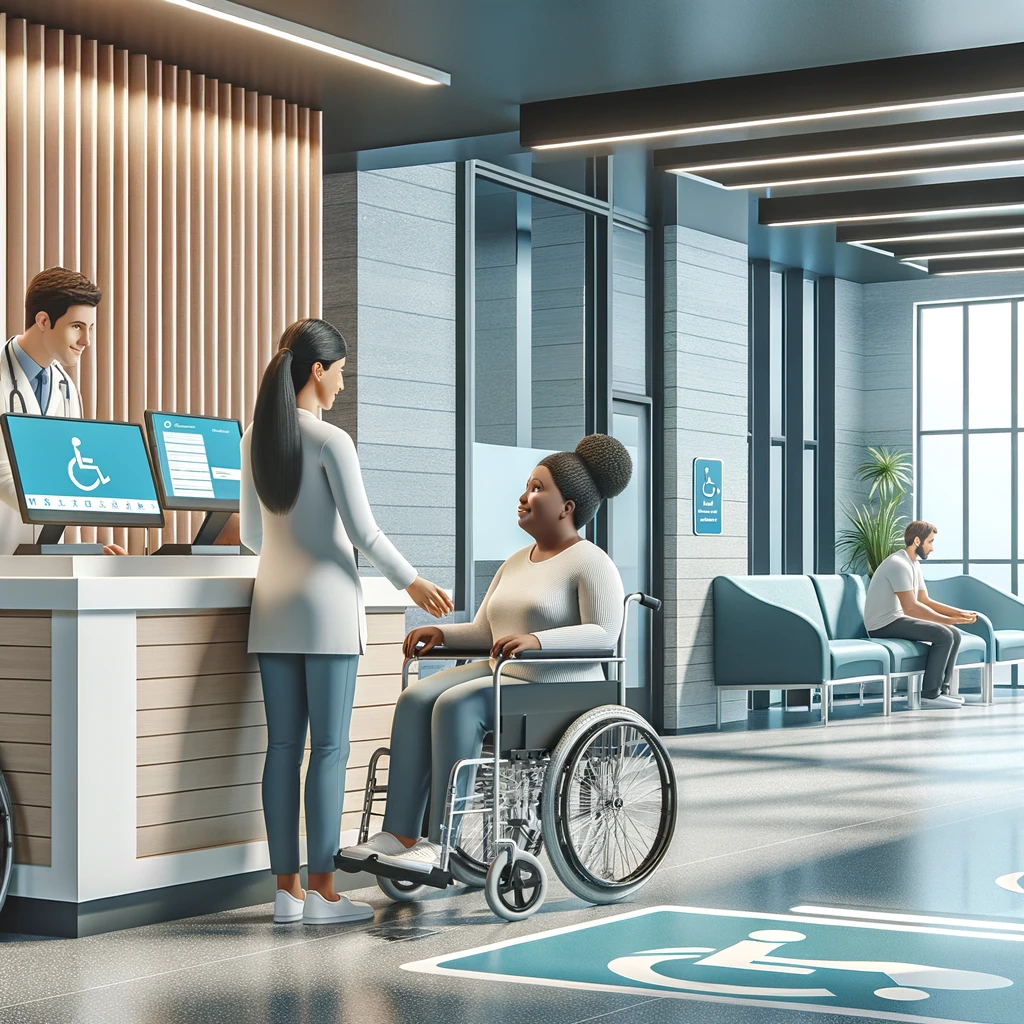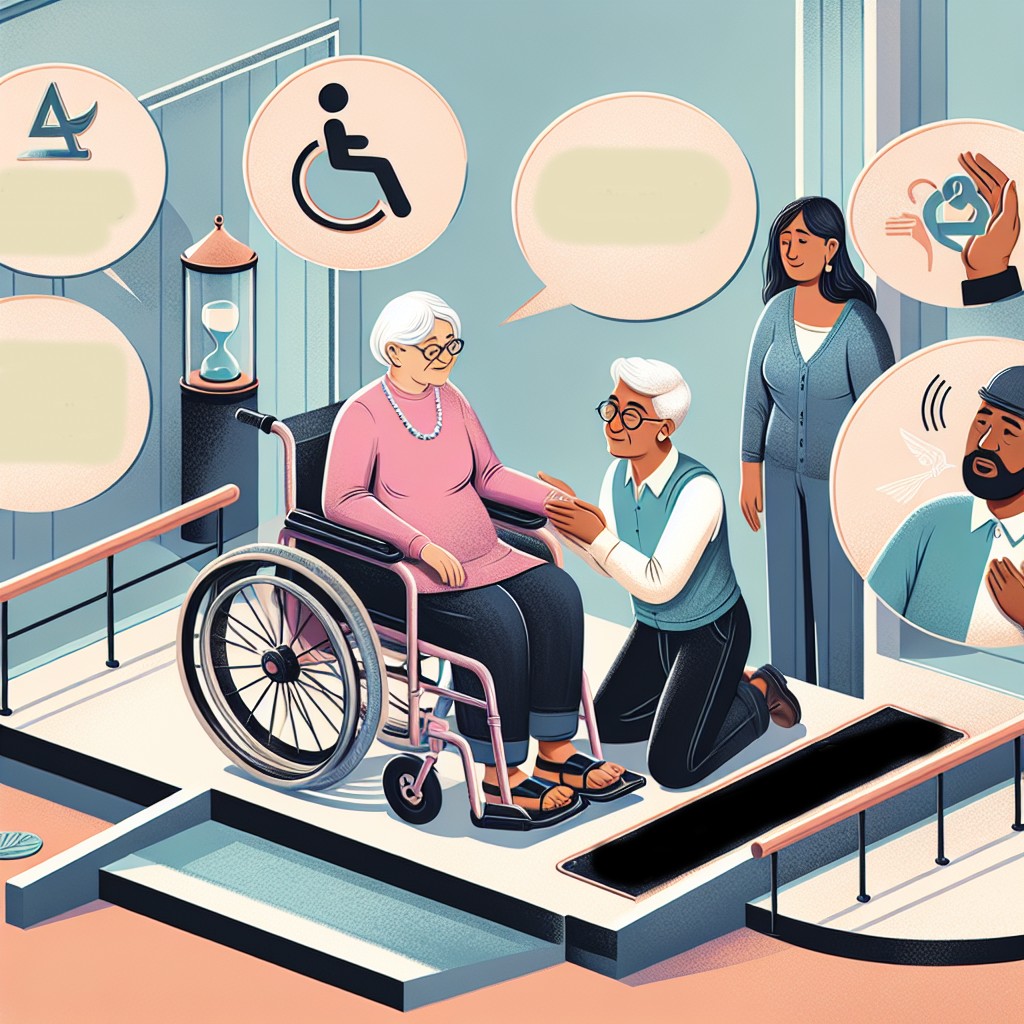
The Americans with Disabilities Act (ADA) is a landmark civil rights law that prohibits discrimination based on disability. Since its enactment in 1990, the ADA has played a crucial role in ensuring equal access and opportunities for individuals with disabilities. However, as the population ages, new challenges and considerations arise in terms of disability rights and accommodations. The rights and protections provided under the ADA are vitally important for the aging population, who may face unique hurdles related to mobility, sensory impairments, and cognitive challenges. This article delves into the application of the ADA for aging individuals, sharing case studies and real-world applications that highlight both the triumphs and ongoing challenges faced by older adults in today’s society.
The aging population is growing at an unprecedented rate, with estimates suggesting that by 2040, over 80 million people in the United States alone will be over the age of 65. As people age, they may develop disabilities or conditions that impact their day-to-day life and require more support and accommodations. The ADA becomes all the more significant in these instances, serving as a lifeline for aging individuals to maintain independence and accessibility. But how effectively is the ADA being utilized to meet the needs of this demographic? In the following sections, we will explore various scenarios, highlighting the rights and protections available, the enforcement of these laws, and the practical application of the ADA in real-life situations.
Understanding ADA Rights for Aging Populations
The ADA’s provisions apply to all persons with disabilities, regardless of age. However, the unique circumstances of aging populations require particular attention to specific provisions related to accessibility and reasonable accommodations. The ADA encompasses employment, public services, public accommodations, telecommunications, and other sectors, ensuring comprehensive anti-discrimination measures. For aging individuals, this means protection and advocacy in workplaces, residential settings, public transportation, and healthcare, among other areas.
A key aspect of the ADA for elderly individuals is the concept of “reasonable accommodation.” As individuals age and possibly transition from one stage of life to another, such as moving from a private residence to an assisted living facility, the need for specific accommodations can become more pronounced. Employers and service providers are required by the ADA to make the necessary adjustments or modifications to accommodate disabilities, provided that these changes do not impose an undue hardship. Yet, understanding and applying these provisions can be complex, requiring a nuanced approach to balance the needs of aging individuals against societal and economic constraints.
Case Studies: ADA in Action for Aging Individuals
Case studies provide invaluable insights into how the ADA functions in real-world scenarios, particularly for aging populations. By examining specific instances where the ADA has been invoked, we can better understand its effectiveness and the persistent challenges faced by older adults. One such case involves an elderly woman with mobility impairments who faced difficulty accessing public transportation. After advocating through personal and legal channels, modifications were made to local transportation options to ensure they were ADA-compliant, showcasing how persistence and understanding of rights can bring about positive change.
Another relevant example includes workplace accommodations for aging employees with diminishing sight and hearing capabilities. In one case, an employee who had been with a company for over 30 years began experiencing significant hearing loss. With the assistance of advocacy groups and legal backing from the ADA, the company implemented advanced technologies and restructured the employee’s workspace to optimize communication and task efficiency. These case studies exemplify how the ADA serves as a critical tool not only for rectifying instances of discrimination but also for fostering an inclusive and equitable environment for older adults.
Challenges in Implementing ADA Policies for the Elderly
Despite the ADA’s wide-reaching and essential protections, numerous challenges remain in fully implementing its mandates for aging populations. One of the primary hurdles is the lack of awareness or understanding of the ADA among older adults and their families. Information dissemination and education are key aspects where improvements are needed to ensure that aging individuals are aware of their rights and the means to advocate for themselves.
Moreover, systemic barriers and resource limitations continue to pose significant challenges. For instance, smaller businesses or public settings may lack the funds or infrastructure support to make the necessary accommodations, which can lead to gaps in compliance. Additionally, there can be a misinterpretation of what constitutes “reasonable” under the ADA, resulting in inconsistent application of accommodations across different settings and geographies. This underscores the importance of continuous advocacy, policy reviews, and public education to support the enforcement of ADA provisions effectively.
Technological Innovations Supporting ADA Compliance
Technological innovation presents a promising avenue for improving ADA compliance and supporting elderly populations. The emergence of assistive technologies, such as hearing aids, vision enhancement tools, mobility devices, and smart home systems, provides essential support for aging individuals. These technologies can significantly increase an individual’s ability to engage with the world around them, maintaining independence while reducing reliance on external services.
Additionally, the digital transformation, including accessibility features in software and apps, has set the stage for more inclusive environments that cater to the unique needs of elderly individuals. Companies and service providers are increasingly adopting inclusive design principles to ensure that their products and services are accessible to all, regardless of age or disability. Embracing these technological advancements while staying informed about changing regulations and best practices is vital to ensuring ongoing ADA compliance and support for aging individuals.
The Role of Advocacy Groups and Community Support
Advocacy groups and community organizations play an essential role in supporting aging populations under the ADA. These groups offer resources, education, and advocacy efforts to ensure that the rights of older adults are upheld. Organizations like the AARP and various local disability networks provide informational resources, workshops, and other forms of support that enable individuals and their families to navigate the complexities of the ADA effectively.
Moreover, community support is instrumental in fostering environments that are not only compliant but also compassionate and inclusive. By engaging community leaders, businesses, and public officials in dialogue and planning, advocacy groups can drive change that resonates at the grassroots level. Initiatives that involve the elderly in decision-making and community-focused projects help ensure that their voices are heard and their needs addressed. This community-oriented approach ensures that the application of the ADA is not merely a regulatory requirement but a collective commitment to inclusivity and dignity for aging populations.
Conclusion
The Americans with Disabilities Act remains an indispensable tool in advocating for the rights and protections of aging populations. As the societal landscape continues to evolve, so too must our understanding and application of the ADA in order to fully support older adults in maintaining their independence, dignity, and quality of life. By examining case studies and real-world applications, we gain insights into the successes and challenges that define the current state of ADA compliance for the elderly.
Ongoing challenges, such as lack of awareness and resource limitations, must be addressed through education, advocacy, and innovation. Furthermore, the role of community support and technological advances cannot be underestimated in creating inclusive environments that cater to the diverse needs of aging individuals. As we look to the future, the commitment to upholding ADA principles and collaborating across sectors will be crucial in ensuring that every older adult receives the necessary accommodations and support to live a full and active life.
Frequently Asked Questions
1. How does the ADA support the rights of the aging population?
The Americans with Disabilities Act (ADA) supports the rights of the aging population by prohibiting discrimination against individuals with disabilities, including those associated with aging. This is crucial as many individuals face age-related disabilities such as limited mobility, hearing loss, vision impairments, or chronic health conditions. The ADA ensures that aging individuals are entitled to the same rights and access to public spaces, transportation, employment, telecommunications, and government services as everyone else. It mandates that reasonable accommodations be made, enabling older individuals to remain engaged in society without facing barriers that would otherwise inhibit their participation due to disability. This includes the installation of ramps, providing assistive listening systems in public venues, and ensuring accessible formats for communication.
2. What specific protections does the ADA provide to the elderly in employment?
In terms of employment, the ADA ensures that older workers with disabilities have equal opportunities and protections in the workplace. It prohibits discrimination in recruitment, hiring, promotions, training, and other employment-related activities. Employers are required to provide reasonable accommodations to qualified employees. This can include adjusted workstations, flexible work schedules, or modified duties to better align with the employee’s abilities. The ADA also protects against discriminatory practices based on assumptions about an individual’s abilities or limitations due to age-related disabilities. By ensuring these protections, the ADA helps aging workers maintain their jobs and continue to contribute economically and socially.
3. Are public spaces required to be accessible to aging individuals under the ADA?
Yes, the ADA mandates that public entities must be accessible to individuals with disabilities, which includes aging populations. Title II of the ADA requires that state and local government services be accessible, and Title III mandates that places of public accommodation such as restaurants, theaters, and retail stores be accessible. This means that architectural barriers must be removed where possible, and accessibility features such as ramps, elevators, widened doorways, and accessible restrooms are provided. Aging individuals who use wheelchairs, walkers, or other mobility aids must be able to navigate these spaces independently and safely. By ensuring accessibility, the ADA supports the independence and dignity of aging individuals, allowing them full participation in community life.
4. How does the ADA address issues related to transportation for the elderly?
Transportation is a major focus of the ADA, particularly for older individuals who may rely more on public transit as they age. The ADA requires that public transportation systems be accessible to individuals with disabilities, including paratransit services that provide door-to-door service for those unable to use regular transit systems due to a disability. This means buses, trains, and facilities such as stations must accommodate wheelchairs and have features like audio and visual announcements. By providing accessible transportation options, the ADA helps to ensure that aging individuals can maintain their independence, access healthcare, attend social activities, and fulfill their daily living needs. The law acknowledges that mobility is key to the well-being and quality of life of older individuals.
5. In what ways can aging individuals advocate for their ADA rights and ensure they are protected?
Aging individuals can advocate for their ADA rights by familiarizing themselves with the law’s provisions and understanding how these apply to their circumstances. They can assert these rights by requesting reasonable accommodations when needed and communicating any barriers they encounter to employers or service providers. Engaging with local disability rights organizations or advocacy groups can provide additional resources and support. Older adults can also report violations to the Department of Justice or file a lawsuit if necessary. It is important for aging individuals to be proactive in advocating for their rights to ensure they receive the accommodations and opportunities they are legally entitled to under the ADA. Education and awareness are powerful tools that can empower older adults to push for necessary changes, ensuring they can live dignified and inclusive lives.