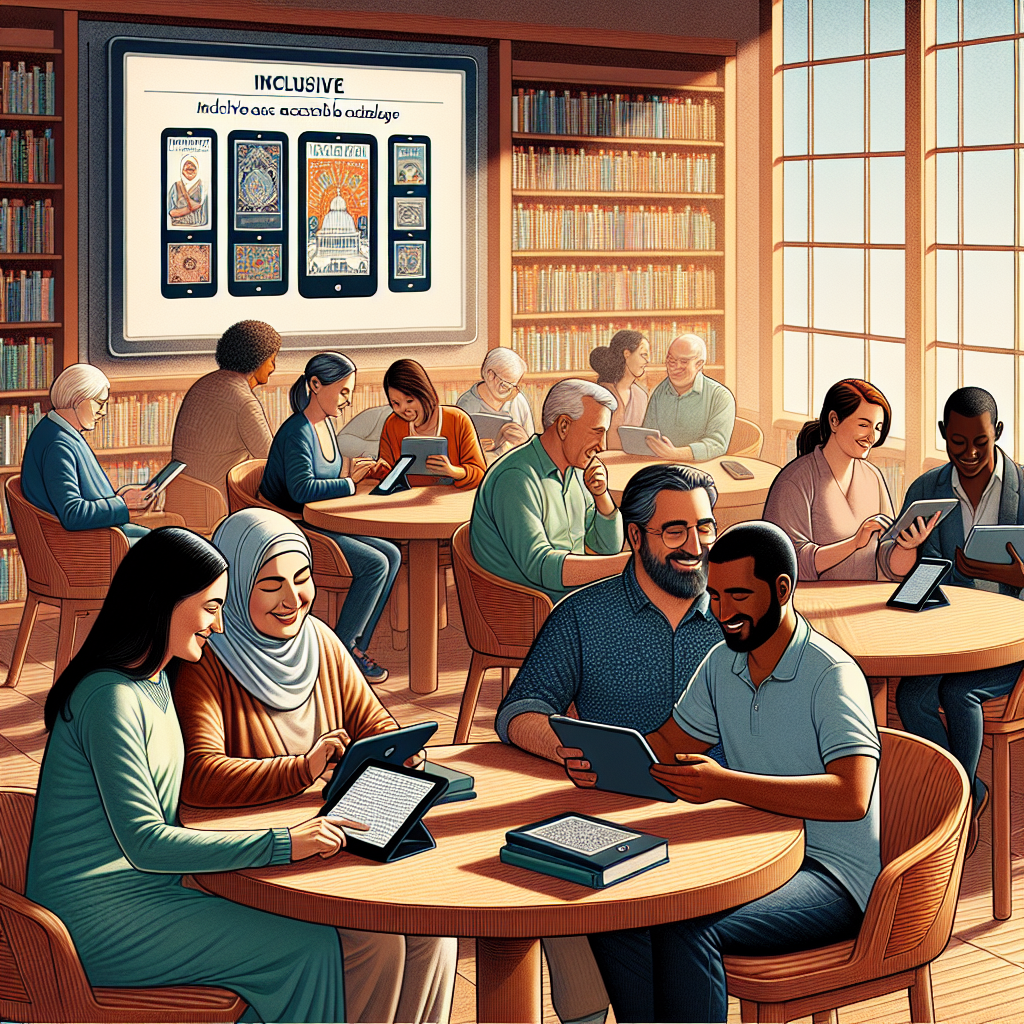
The Americans with Disabilities Act (ADA), enacted in 1990, aims to protect the rights of individuals with disabilities and ensure they have access to the same opportunities as everyone else. One significant area where the ADA has had a substantial impact is technology and accessibility. Over the past few decades, we’ve seen remarkable advancements in assistive technologies, particularly those catering to individuals who are visually impaired. Braille technology, which has been a cornerstone for visually impaired people, has evolved remarkably since its inception. With continuous enhancements and innovations, Braille technology remains at the forefront of accessible technology, providing unprecedented access to information and opportunities for independence.
A Brief History of Braille Technology
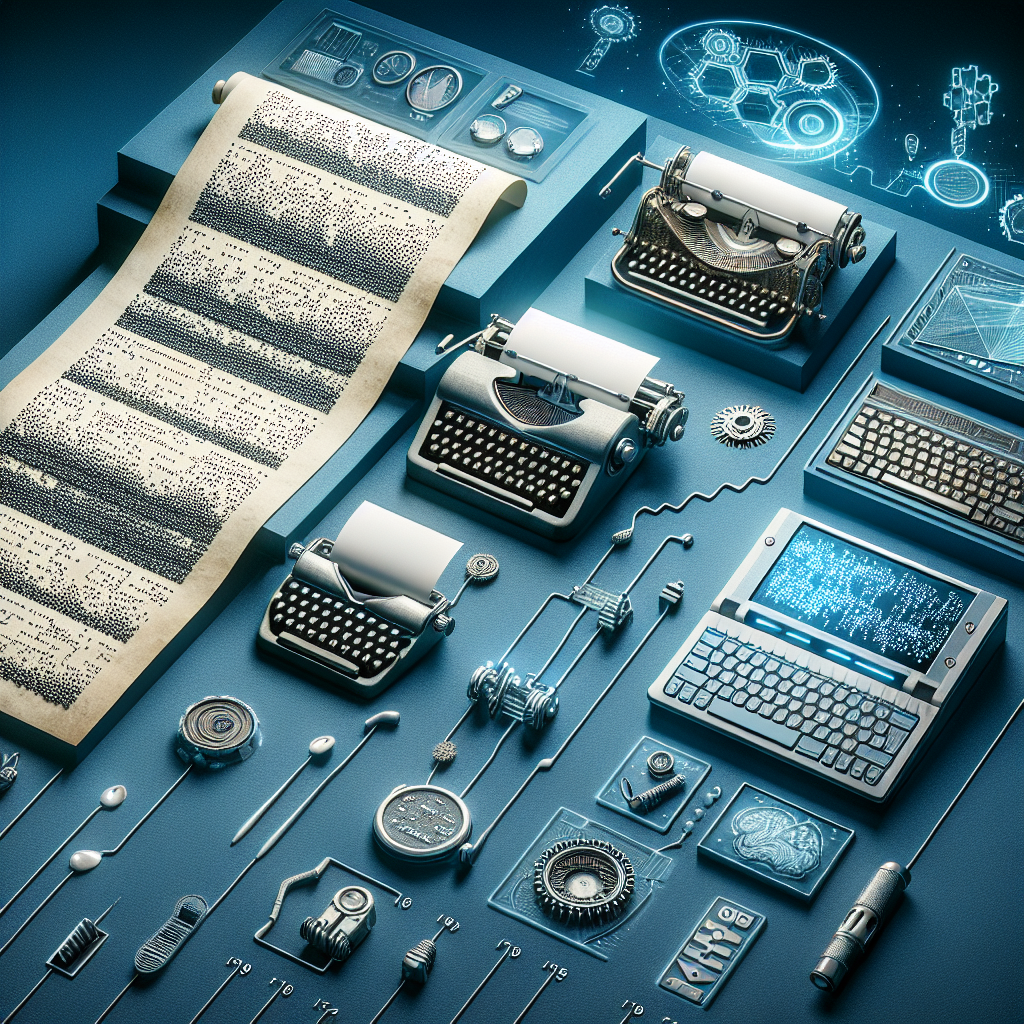
Before diving into the recent advancements, it’s essential to understand the roots of Braille technology. The Braille system was invented by Louis Braille in the 19th century. This tactile writing system uses patterns of raised dots to represent letters and numbers, making it possible for visually impaired individuals to read and write effectively. Initially, Braille was read using embossed paper, which limited its portability and accessibility. However, as technology advanced, so did the means through which Braille could be produced and utilized.
The first significant technological leap came with the development of Braille embossers and printers, which allowed for the production of Braille documents more efficiently. Following this, refreshable Braille displays were introduced, which represented a major breakthrough by enabling dynamic reading of digital content in Braille. These devices translate digital text into Braille in real-time, providing access to an extensive array of information that was previously inaccessible in Braille form.
Modern Braille Devices: Enhancing Accessibility
In recent years, modern Braille devices have become increasingly sophisticated, incorporating advanced features to enhance functionality and user experience. Among these are refreshable Braille displays, Braille notetakers, and Braille e-readers. These devices typically connect to computers and smartphones, enabling users to interact seamlessly with digital content. For instance, refreshable Braille displays use an array of tiny pins that move up and down to form Braille characters, allowing visually impaired individuals to read e-books, websites, and other digital text.
Braille notetakers are multifunctional devices that integrate a Braille keyboard and display, enabling users to take notes, browse the internet, and use various applications. These devices often come with built-in speech output, providing auditory feedback alongside Braille. Additionally, Braille e-readers have revolutionized the way visually impaired people read books. These devices support various file formats and can store a plethora of digital books, making it easier for users to carry and access their reading material.
Smartphone Integration and Braille Apps
Another significant development in Braille technology is the integration with smartphones and tablet devices. Modern smartphones come equipped with robust accessibility features, including screen readers and voice assistants. However, for those who prefer using Braille, several apps are available that translate on-screen text into Braille output on compatible devices like refreshable Braille displays. These applications offer a range of functionalities, from reading and writing messages to browsing websites and interacting with various digital services.
For instance, apps like BrailleTouch and MBraille offer intuitive interfaces for entering text in Braille on touchscreen devices. These apps transform the user’s touchscreen into a Braille keyboard, allowing for efficient and accurate text input. The seamless integration of Braille with mainstream devices signifies a movement toward more inclusive technology, ensuring that visually impaired individuals can utilize the same devices as their sighted peers without compromising accessibility.
Innovations in Braille Display Technologies
While traditional refreshable Braille displays have been instrumental in bridging the accessibility gap, recent innovations are set to transform these devices even further. Researchers and companies are exploring new materials and mechanisms to create more affordable and versatile Braille displays. One such innovation is the development of multi-line Braille displays, which break the convention of single-line output, allowing users to read entire pages of Braille text rather than just one line at a time.
Additionally, there are ongoing efforts to make refreshable Braille displays more affordable, as cost remains a significant barrier to widespread adoption. The Canute 360, for instance, is a multi-line Braille e-reader designed to be cost-effective and provide more textual information in a smaller footprint. Such innovations aim to make Braille technology more accessible to users around the world, regardless of their socioeconomic background.
Challenges and Future Prospects
Despite the progress made in Braille technology, several challenges persist. One of the primary challenges is the cost associated with Braille devices, which can be prohibitive for many users. Furthermore, the limited availability of Braille content remains a concern. While there is a vast amount of digital content available, not all of it is readily accessible in Braille format, necessitating ongoing efforts to increase the amount of digital content translated into Braille.
Another challenge is the need for continuous education and training for both users and developers of Braille technology. As new devices and applications emerge, users need adequate training to utilize these tools effectively. Likewise, developers must understand the unique needs of visually impaired individuals to create more intuitive and user-friendly Braille technologies.
Looking ahead, the future of Braille technology seems promising, with continual advancements and innovations on the horizon. The integration of artificial intelligence (AI) and machine learning (ML) has the potential to enhance Braille translation accuracy and introduce new functionalities. For instance, AI-driven Braille translators could swiftly convert large volumes of text into Braille, while ML algorithms could optimize the refreshable Braille display’s responsiveness and efficiency.
Conclusion
The evolution of Braille technology reflects a broader commitment to accessibility and inclusivity, as mandated by the Americans with Disabilities Act. From the invention of Braille by Louis Braille to the sophisticated, tech-integrated devices of today, Braille technology continues to break barriers and open doors for visually impaired individuals. These advancements offer profound benefits, promoting independence, education, and equal opportunities. As we look toward the future, the continued evolution of Braille technology will undoubtedly play a crucial role in building a more accessible world for everyone.
It is essential to address the ongoing challenges and strive for more affordable, user-friendly, and innovative solutions. By doing so, we can ensure that visually impaired individuals have access to the tools they need to thrive in an increasingly digital world. The progress in Braille technology is a testament to the power of innovation and the importance of inclusivity, embodying the spirit of the ADA and underscoring the vision of a world where accessibility is not an afterthought but a fundamental right.
Frequently Asked Questions
1. How has the Americans with Disabilities Act (ADA) influenced the evolution of Braille technology?
The Americans with Disabilities Act (ADA) has significantly influenced the advancement of Braille technology through its focus on ensuring accessibility for individuals with disabilities. Enacted in 1990, the ADA mandates that individuals with disabilities have equal access to opportunities and services. This paved the way for technological innovations by providing the necessary legal framework and motivation to develop and improve assistive technologies. Companies and institutions were encouraged to adopt new technologies that cater to the visually impaired, ensuring that they can access essential information and services. As a result, we’ve witnessed the introduction and evolution of various Braille devices, like the electronic Braille display and Braille notetakers, which provide real-time text conversion and enhance communication for visually impaired users.
2. What are some of the most notable advancements in Braille technology in recent years?
Over the past few decades, Braille technology has seen numerous advancements aimed at improving accessibility and user experience. Some of the most notable advancements include the development of refreshable Braille displays, which allow users to read digital content by generating tactile Braille characters on a flat surface. These devices can display text from computers, tablets, and smartphones in real-time. Additionally, Braille embossers have become more sophisticated, offering quicker printing speeds and higher-quality embossed text. Another significant advancement is the invention of Braille notetakers, which are portable devices that combine Braille input and output, enabling users to take notes, manage their schedules, and access digital content independently. The ongoing miniaturization of Braille technology and the integration with mainstream devices have revolutionized the ease with which visually impaired individuals can engage with the world.
3. How do refreshable Braille displays work, and why are they important?
Refreshable Braille displays are devices that translate digital text into Braille characters, allowing visually impaired individuals to read content from computers and other digital devices. These displays work by using a series of small, rounded pins that move up and down to form Braille characters. When text is sent to the display, the pins quickly adjust to represent the corresponding Braille letters, enabling users to read line-by-line as they would with a printed Braille book. The ability to access digital information in real-time is crucial for education, employment, and independent living. Refreshable Braille displays are particularly important because they bridge the gap between traditional tactile reading methods and modern digital content, providing a seamless way for users to engage with a wide array of information and resources.
4. What impact has modern Braille technology had on education and employment?
Modern Braille technology has had a profound impact on both education and employment for individuals who are visually impaired. In educational settings, students can now access textbooks, articles, and other learning materials in Braille format, enabling them to participate fully in the classroom with their sighted peers. Devices like refreshable Braille displays and notetakers have made it easier to revise and study materials, collaborate with classmates, and perform research. In the workplace, these technologies allow visually impaired individuals to engage with digital documents, emails, and other necessary information, improving productivity and allowing for greater independence. Access to Braille technology has reduced barriers, offering equal opportunities for learning and career advancement, which translates into greater socioeconomic inclusion for this demographic.
5. What challenges remain in the advancement and adoption of Braille technology?
Despite significant progress, challenges remain in the advancement and widespread adoption of Braille technology. One primary challenge is the high cost of Braille devices, which can be a barrier for many individuals and educational institutions to access them. Efforts to produce more affordable versions are underway, but cost remains a significant issue. Additionally, there’s a need for further integration of Braille technology with rapidly evolving mainstream technologies, such as smartphones and voice-assisted devices, to ensure full accessibility. Another challenge is the varying levels of Braille literacy, which can affect the utility and adoption of Braille technologies. Addressing these challenges requires continued innovation, government support, and the active role of organizations within the disability rights community to ensure that Braille technology can continue to evolve and become more accessible to all who need it.