The Americans with Disabilities Act (ADA) stands as a critical piece of civil rights legislation that seeks to eliminate discrimination against individuals with disabilities, ensuring them equal access and opportunities in various sectors of life. Enacted in 1990, the ADA has had profound implications for millions of Americans, including elderly individuals who are among the most vulnerable to disability-related discrimination. Understanding the ADA’s provisions and the rights it offers is crucial for both the elderly community and those who support them.
The ADA is divided into five titles that address different areas of public life: employment, public services, public accommodations, telecommunications, and miscellaneous provisions. Each title articulates specific rights and protections that help reshape the landscape for individuals with disabilities, ensuring accessibility and inclusivity.
As the population ages, the relevance of the ADA’s protections for elderly individuals with disabilities becomes increasingly important. According to the U.S. Census Bureau, the number of Americans aged 65 and older is projected to nearly double by 2060, from 52 million to 95 million. This demographic shift underscores the necessity of robust legal frameworks like the ADA to safeguard the rights and dignity of elderly individuals who experience disabilities.
In this comprehensive article, we will explore the ways in which the ADA specifically supports elderly individuals with disabilities. From employment rights and accessible healthcare to accommodations in public spaces, we aim to provide a thorough understanding of how the ADA enhances the quality of life for the elderly. We will also discuss common challenges and offer practical tips for ensuring ADA compliance and advocacy for elder rights.
Employment Rights Under the ADA
One of the most significant areas where the ADA impacts elderly individuals with disabilities is employment. The ADA’s Title I addresses employment discrimination and requires employers with 15 or more employees to provide reasonable accommodations to qualified applicants and employees with disabilities. This provision is crucial for elderly individuals who wish to remain in the workforce but may face age-related disabilities.
Reasonable accommodations can include modifications to the work environment, such as installing ramps or ergonomic workstations, flexible work schedules, or allowable work-from-home arrangements. It is important for elderly employees to understand that they have the right to request these accommodations without fear of retaliation or discrimination.
Employers are also prohibited from segregating or limiting individuals with disabilities in a way that adversely affects their job prospects or career advancement. This protection ensures that elderly workers can compete and contribute on an equal footing with their peers, regardless of any disabilities they may have developed later in life.
However, it’s not uncommon for elderly workers to face subtle forms of discrimination, such as being passed over for promotions or being pressured into early retirement. Advocacy and education are key to combating such practices. Elderly individuals should be aware of their rights under the ADA and seek support from organizations that specialize in disability rights if they experience employment discrimination.
Access to Healthcare and Medical Services
Access to adequate healthcare is a fundamental right, and the ADA plays a crucial role in ensuring that elderly individuals with disabilities can obtain the medical services they need. Title II of the ADA covers public entities, including state and local governments, while Title III addresses public accommodations, such as healthcare facilities.
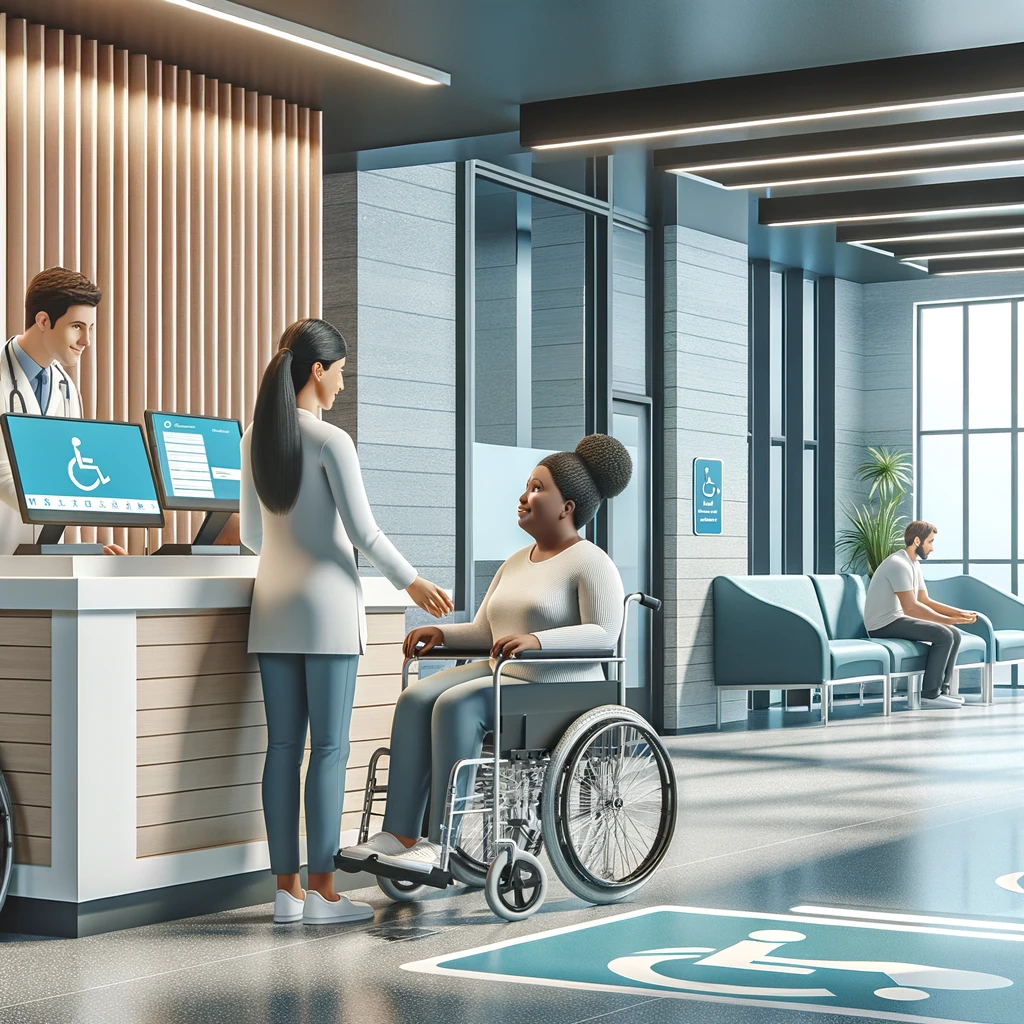
Healthcare providers must make reasonable modifications to their policies, practices, and procedures to accommodate elderly patients with disabilities. This includes physical accessibility features like ramps, wide doorways, and accessible examination tables. It also encompasses communication aids, such as sign language interpreters for deaf patients or large-print materials for those with vision impairments.
Despite these requirements, many elderly individuals with disabilities still face barriers when seeking medical care. For example, a lack of transportation options can prevent them from attending appointments, or medical staff may be unaware of how to properly support patients with cognitive impairments. To address these challenges, healthcare facilities must engage in continuous training and adopt a proactive approach to inclusivity.
Elderly patients and their caregivers should also be informed about their rights under the ADA. They can advocate for themselves by requesting necessary accommodations and reporting non-compliance to appropriate authorities. Ensuring accessibility in healthcare is not just a legal obligation but a moral imperative to uphold the dignity and well-being of elderly individuals with disabilities.

Public Accommodations and Accessible Facilities
Title III of the ADA mandates that public accommodations, including shopping centers, restaurants, hotels, and theaters, be accessible to individuals with disabilities. This requirement is especially critical for elderly individuals who may rely on mobility aids or have sensory impairments that affect their ability to navigate public spaces.
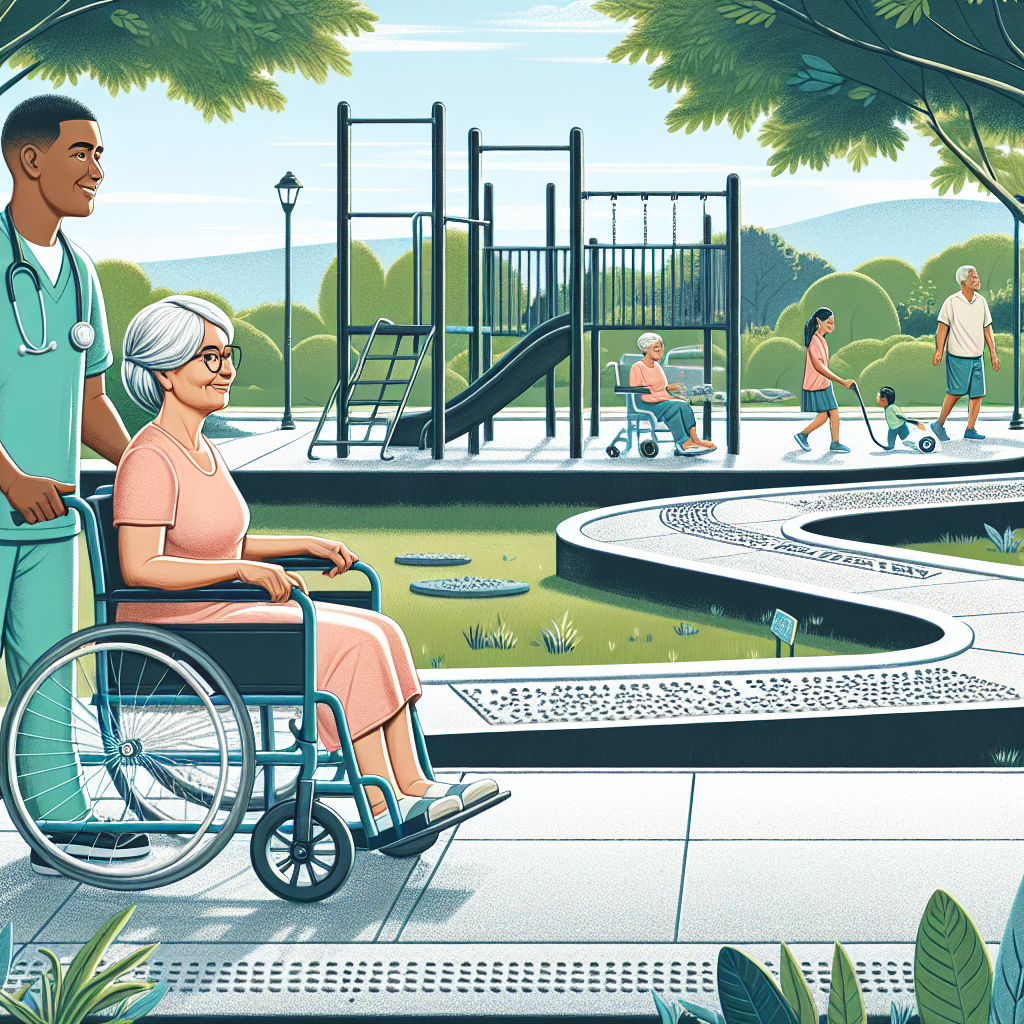
Accessible features in public accommodations include ramps, elevators, tactile signage, and accessible restrooms. These modifications help ensure that elderly individuals with disabilities can participate fully in community life without undue barriers. Business owners and operators must regularly assess and update their facilities to comply with ADA standards.
In addition to physical accommodations, the ADA requires that service personnel be trained to assist individuals with disabilities in a respectful and effective manner. For elderly patrons, this might involve providing additional time for them to complete transactions or offering assistance in reading menus or instructions.
Despite these regulations, many public spaces remain inaccessible or poorly adapted to the needs of elderly individuals with disabilities. Continuous advocacy and community engagement are essential to drive improvements. Elderly individuals and their advocates should not hesitate to voice concerns and demand the accommodations to which they are legally entitled.
Transportation and Mobility Services
Transportation is a vital aspect of independence and quality of life for elderly individuals with disabilities. The ADA ensures that public transportation systems are accessible through Title II, which covers public transit services, and Title III, which addresses private transportation providers.
ADA compliance in public transit includes features such as low-floor buses, elevators in subway stations, and designated seating for individuals with disabilities. Paratransit services, which provide door-to-door transportation for those who cannot use regular transit systems, are also an essential component of ADA-mandated accessibility.
For elderly individuals, accessible transportation options can significantly enhance their ability to attend medical appointments, participate in social activities, and maintain a sense of autonomy. However, challenges persist, including limited availability of paratransit services and inconsistencies in accessibility standards across different regions.
To address these issues, it is important for elderly individuals with disabilities to be proactive in planning their transportation needs and advocating for improved services. Community organizations and disability rights advocates can provide valuable support and resources to navigate transportation challenges and ensure compliance with ADA requirements.
Addressing Common Challenges and Advocating for Change
While the ADA provides a robust framework for protecting the rights of elderly individuals with disabilities, challenges remain in its implementation and enforcement. Common issues include lack of awareness, insufficient training for service providers, and inconsistencies in compliance across various sectors.
One significant barrier is the lack of awareness among elderly individuals and their caregivers about the specific rights and protections the ADA affords. This knowledge gap can prevent them from advocating effectively for accommodations and accessing the benefits to which they are entitled. Education and outreach efforts are crucial to bridge this gap and empower elderly individuals with disabilities to assert their rights.
Training for service providers, including healthcare professionals, transportation workers, and retail staff, is another critical area for improvement. Comprehensive training programs that emphasize practical skills and sensitivity to the needs of elderly individuals with disabilities can enhance the quality and accessibility of services across the board.
Advocacy plays a key role in driving systemic change and ensuring that the ADA’s promises are fulfilled. Elderly individuals, their caregivers, and community organizations must work together to highlight areas of non-compliance, demand improvements, and promote policies that support accessibility and inclusivity.
Conclusion: Upholding the Rights and Dignity of the Elderly
The ADA has been instrumental in advancing the rights and protections of individuals with disabilities, including the elderly. Its comprehensive provisions cover employment, healthcare, public accommodations, transportation, and more, all aimed at fostering an inclusive and accessible society.
Elderly individuals with disabilities face unique challenges, but the ADA provides a critical safety net to ensure their rights are upheld and their dignity is respected. From securing reasonable accommodations in the workplace to accessing essential healthcare services, the ADA empowers elderly individuals to lead fulfilling and independent lives.
However, realizing the full potential of the ADA requires ongoing commitment from all sectors of society. Employers, healthcare providers, transportation services, and public accommodations must continuously strive to meet ADA standards and go beyond basic compliance to create genuinely inclusive environments.
As we look to the future, it is imperative to advocate for stronger enforcement of the ADA, expand educational efforts, and address the unique needs of an aging population. By doing so, we can ensure that elderly individuals with disabilities enjoy the same rights, opportunities, and quality of life as everyone else.
Frequently Asked Questions
What is the purpose of the Americans with Disabilities Act (ADA)?
The Americans with Disabilities Act (ADA) is an important civil rights law that was enacted in 1990 with the goal of ending discrimination against individuals with disabilities. It ensures that people with disabilities have the same rights and opportunities as everyone else. The ADA covers various areas of life, including employment, public accommodations, transportation, and telecommunications. It aims to tear down barriers and create a more inclusive environment where people with disabilities, including elderly individuals, can participate fully in society. For the elderly, it means having the right to access services, facilities, and opportunities without facing discrimination based on their disabilities.
How does the ADA protect elderly individuals with disabilities from discrimination?
The ADA provides robust protections against both overt and subtle forms of discrimination for individuals with disabilities, including the elderly. For example, in the workplace, the ADA prohibits employers from discriminating against qualified individuals with disabilities when it comes to hiring, firing, promotions, and other employment matters. Reasonable accommodations must also be provided to enable individuals to perform their job roles effectively, unless doing so would cause undue hardship to the employer. Additionally, the ADA requires public places, such as restaurants, libraries, and recreational facilities, to be accessible. For elderly individuals, this could include features like ramps, elevators, and adapted restrooms. This accessibility extends to various services, ensuring that elderly individuals with disabilities can live their lives with dignity and equal access.
What are some practical examples of accommodations that might be made for elderly individuals under the ADA?
The ADA mandates that reasonable accommodations be provided to support the needs of individuals with disabilities, which can be particularly beneficial for elderly individuals. Practical examples of such accommodations include workplace adjustments like modifying workstations to be wheelchair accessible, providing assistive listening devices for those with hearing impairments, or allowing flexible work schedules for those who may need regular medical treatment. In terms of public accommodations, facilities might include ramps, automatic doors, and elevators, as well as clear signage and audio announcements for the visually impaired those with hearing disabilities. Moreover, service animals are recognized under the ADA, which means that elderly individuals relying on them cannot be denied access to public spaces. These accommodations are essential to ensuring that elderly people with disabilities can engage in their communities fully and independently.
In what ways has the ADA impacted the lives of elderly individuals with disabilities since its enactment?
Since its enactment in 1990, the ADA has significantly improved the quality of life for elderly individuals with disabilities by fostering greater inclusion and equality. One of the most noteworthy impacts is the reduction of physical and social barriers, which has granted the elderly better access to public services and participation in community life. The workplace has become more welcoming to elderly individuals through the introduction of policies that support equitable treatment and the provision of necessary accommodations. Furthermore, public transportation systems have been evolving to become more accessible, thus enhancing mobility for the elderly. The ADA has also played a crucial role in reducing stigma and raising awareness about the capabilities of individuals with disabilities, thereby empowering elderly people to assert their rights and inspire a cultural shift towards inclusivity and respect for diversity.
What should elderly individuals with disabilities do if they believe their rights under the ADA have been violated?
If an elderly individual with disabilities believes that their rights under the ADA have been violated, they have several recourse options. First, it’s advisable to clearly document the discriminatory incident, including key details like dates, locations, and parties involved. This documentation can be invaluable when seeking resolution. Next, they should try to address the issue directly with the person or organization involved, as sometimes discrimination can stem from a lack of awareness or misunderstanding, and an open dialogue may resolve the issue. If the situation doesn’t improve, elderly individuals can file a formal complaint. For employment-related issues, complaints can be submitted to the Equal Employment Opportunity Commission (EEOC). For public accommodation issues, they can file with the United States Department of Justice Civil Rights Division. Engaging with advocacy groups and seeking legal advice may also be beneficial, especially when navigating these processes can seem overwhelming. It is essential that elderly individuals feel supported and understand that the ADA stands as a powerful tool to protect their rights and foster an environment of equity and respect.