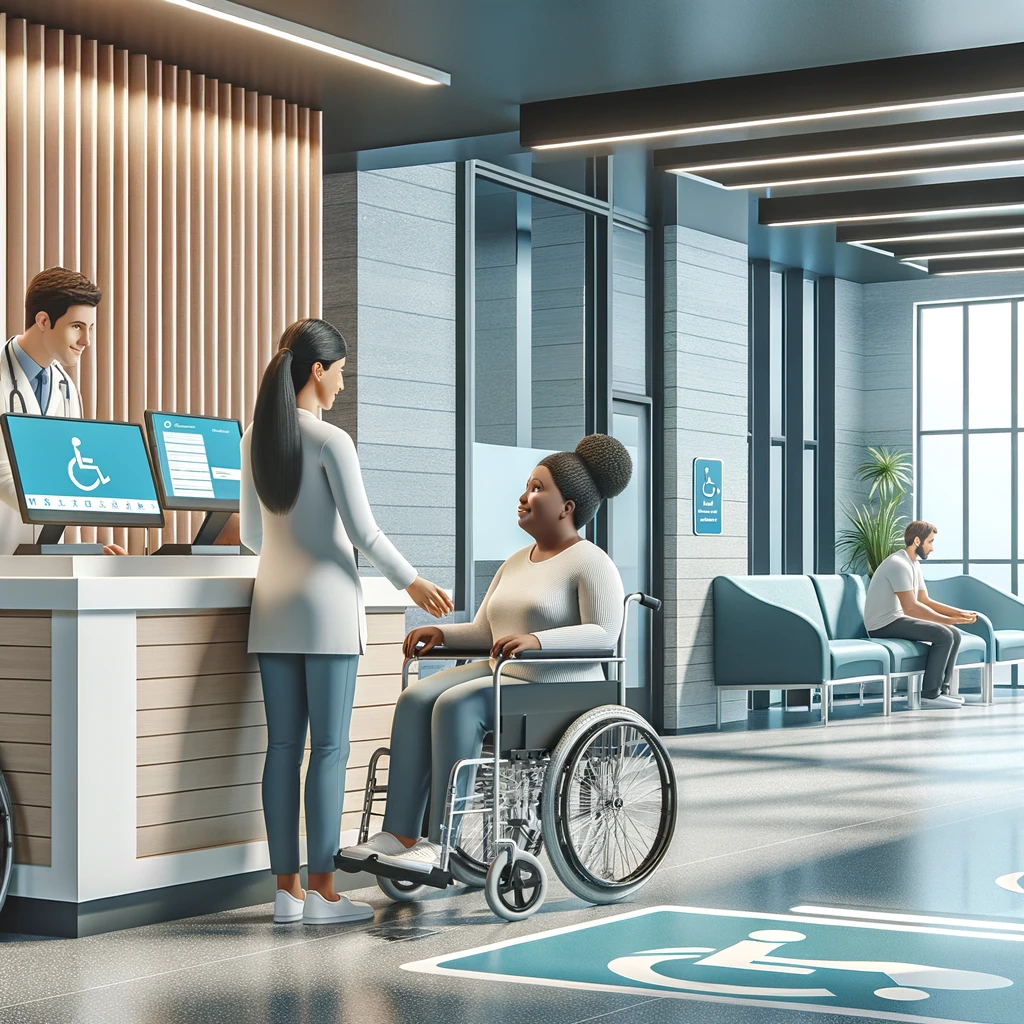
The Americans with Disabilities Act (ADA) has revolutionized workplace inclusivity since its enactment in 1990. Initially focused on traditional employment relationships, this landmark legislation has provided millions of Americans with disabilities the rights and protections necessary to secure fair treatment in their professional lives. But like all facets of law and society, the ADA must evolve to meet the needs of a dynamic workforce. Today, with the rise of the gig economy and non-traditional forms of employment, new questions about ADA protections come into play.
Gig workers, freelancers, and independent contractors now form a significant portion of the labor market. These non-traditional forms of employment have introduced flexibility and independence to workers, but they have also brought about new challenges, especially for those with disabilities. Whether driving for rideshare companies, delivering food, or working on freelance projects, gig workers don’t always benefit from the same legal protections afforded to traditional employees. So, how does the ADA protect the rights of these modern workers? How can the legislation adapt to provide robust protections in the evolving landscape of gig work?
This article delves into the intricate relationship between the ADA and the gig economy, exploring how the law can be applied to ensure fair treatment and equal opportunities for all workers, regardless of the nature of their employment. We will examine the rights and protections available to gig workers under the ADA, the complexities of categorizing workers in a gig economy, and the steps necessary to enhance ADA compliance in non-traditional employment scenarios.
ADA Protections for Gig Workers: Where We Stand
When the ADA was instituted, the structure of the workforce was considerably different. Traditional 9-to-5 jobs were more common, and the classification of employees was straightforward. Today, the landscape has shifted. Workers in the gig economy often hover in a grey area between employee and independent contractor, making the application of ADA protections less clear-cut.
The ADA prohibits discrimination against individuals with disabilities in all areas of public life, including jobs, schools, transportation, and all public and private places that are open to the general public. While standard employees are clearly covered by the ADA, gig workers’ coverage can be ambiguous due to how they are classified.
Under the ADA, employers with 15 or more employees are required to provide reasonable accommodations to employees with disabilities. However, many gig workers are classified as independent contractors, not employees, and thus, their “employers” may argue they are not subject to these ADA requirements. This creates a significant gap in protections, leaving many gig workers vulnerable to discrimination and without the same guarantees for accommodations that traditional employees receive.
Despite these challenges, there have been legal cases and advocacy efforts aimed at extending ADA protections to gig workers. While the outcomes have been varied, they signal a critical need for ongoing evaluation and potential legislative amendments to ensure that gig workers receive the same protections under the ADA as traditional employees.
Categorizing Workers: Employee or Independent Contractor?
One of the most contentious issues in applying ADA protections to gig workers is the classification of these workers as employees or independent contractors. This classification determines not only eligibility for ADA protections but also other fundamental labor rights and benefits.
Several factors are considered when classifying a worker, including the degree of control the company has over the worker, the nature of the work relationship, and the worker’s autonomy. Companies in the gig economy often classify their workers as independent contractors to avoid the costs and responsibilities associated with traditional employment, including compliance with ADA requirements.
However, this classification can be misleading, as many gig workers perform duties that mirror those of employees, and their work environments often demand the same protections. For example, a rideshare driver may have significant control exercised over their work by the platform they drive for, including schedules, fares, and performance metrics, making their situation akin to that of an employee.
Courts and legislative bodies have been grappling with these classifications in recent years. Some jurisdictions have passed laws reclassifying certain gig workers as employees, thereby extending ADA protections and other labor rights. As this area of law continues to evolve, it is crucial to monitor changes and advocate for classifications that reflect the true nature of workers’ relationships with gig platforms.
Reasonable Accommodations in Non-Traditional Employment
For those workers classified as employees, the ADA mandates that employers provide reasonable accommodations to enable individuals with disabilities to perform their job duties. But what might reasonable accommodations look like in the context of non-traditional employment and the gig economy?
In traditional workplaces, reasonable accommodations might include physical modifications to the workplace, such as ramps or adaptive equipment, as well as more flexible policies like modified work schedules or remote working options. In the gig economy, these accommodations could be different but equally vital.
For example, a delivery driver with a disability might require a specially adapted vehicle to perform their job safely and effectively. A freelance writer might need assistive technology to help them communicate or complete tasks. These accommodations are essential to ensure that gig workers with disabilities have equal opportunities to thrive in their roles.
Employers must engage in an interactive process with gig workers to identify and implement accommodations that meet their needs. This process is often more complex in a gig setting, requiring innovative solutions and flexibility from both parties. Platforms and gig companies should be proactive in considering how they can make their work environments more inclusive and accessible, promoting diversity and equal opportunities for all workers.
Employer Responsibilities and Liability
Another critical aspect of ADA compliance in the gig economy is determining employer responsibilities and liability. Traditional employers have clear obligations under the ADA, but the decentralized nature of gig work can make it challenging to pinpoint accountability.
Gig platforms often position themselves as mere intermediaries, connecting workers with customers without assuming the same responsibilities that traditional employers bear. However, as the lines between employer and independent contractor blur, so too does the clarity of liability.
Several approaches can address these challenges. Some suggest that gig platforms should assume more responsibility for ensuring ADA compliance, given their significant control over workers’ conditions and opportunities. Others advocate for legislative changes to extend ADA requirements to all workers, regardless of classification.
Ultimately, promoting a culture of inclusivity and accessibility in the gig economy requires collaboration between lawmakers, advocates, businesses, and workers themselves. By clarifying employer responsibilities and promoting shared accountability, we can work towards a more equitable gig economy where workers with disabilities are fully supported and protected.
Advocating for Legal Reforms
As the gig economy continues to grow and diversify, it is evident that the current legal framework struggles to keep pace. To ensure that gig workers with disabilities receive the protections and accommodations they deserve, concerted efforts are needed to advocate for legal reforms.
One potential approach is the expansion of the ADA to explicitly cover gig workers and independent contractors. This would require legislative action to redefine key terms and extend ADA protections beyond traditional employment settings. Such reforms could provide much-needed clarity and security for gig workers navigating their professional lives with disabilities.
Advocacy efforts should also focus on promoting greater awareness of ADA rights within the gig economy. Both workers and employers must understand their obligations and entitlements to create an inclusive work environment. Training programs, resources, and support networks can empower gig workers with disabilities to assert their rights and thrive in their roles.
Additionally, collaboration with advocacy organizations, policymakers, and industry leaders is crucial to drive change. By working together, stakeholders can develop innovative solutions and policy recommendations that reflect the unique challenges of the gig economy, ultimately leading to a more equitable and inclusive labor market.
Conclusion
The Americans with Disabilities Act has been instrumental in promoting workplace inclusivity and protecting the rights of individuals with disabilities for over three decades. As the workforce evolves and non-traditional forms of employment become increasingly prevalent, it is essential to adapt and expand ADA protections to ensure that all workers, regardless of their employment classification, receive the support they need. By reevaluating worker classifications, advocating for reasonable accommodations, clarifying employer responsibilities, and pushing for legal reforms, we can create a fairer and more inclusive gig economy. It is our collective responsibility to ensure that the ADA remains a robust and relevant tool in the fight for equal rights and opportunities for all workers with disabilities.
Frequently Asked Questions
1. What rights and protections are available to gig workers under the Americans with Disabilities Act (ADA)?
The Americans with Disabilities Act (ADA) was initially crafted to cater primarily to traditional employment structures. Its core purpose has always been to combat discrimination against individuals with disabilities, ensuring fair treatment in workplaces. The ADA mandates that employers provide reasonable accommodations to qualified employees with disabilities, as long as it does not cause an “undue hardship” on the operation of the business. In the context of gig economy and non-traditional employment, this becomes a bit more nuanced. Gig workers, who are often classified as independent contractors, fall outside the purview of the traditional employer-employee relationship that the ADA specifically targets. However, this doesn’t entirely exempt platforms and companies from certain responsibilities. New interpretations and discussions are ongoing regarding how these protections might extend to gig and freelance workers, given that platforms often set the conditions of work and can therefore impact accommodation needs. It’s worth noting that as the nature of work evolves, so do advocacy efforts and potential legislative changes that could extend similar protections more explicitly to these non-traditional types of employment.
2. How can gig workers with disabilities ensure they receive the accommodations they need?
Navigating the landscape of the gig economy for workers with disabilities can be challenging, particularly when traditional employment protections don’t apply in the same way. Communication is key. Gig workers should reach out to the platforms they work through to request necessary accommodations. This might include using specialized equipment, software, or adjustments in how tasks are completed. Documentation of medical needs can support these requests. Additionally, workers should familiarize themselves with any platform-specific policies regarding inclusivity and accessibility. On a larger scale, getting involved with advocacy groups can be incredibly beneficial. These organizations not only offer resources and support but also actively work towards policy reform to ensure that the gig economy becomes more inclusive overall. As the conversation around gig worker protections gains momentum, contributing to this dialogue can help shape future practices and policies.
3. Are there any movements or proposed legislations aimed at expanding ADA protections to cover gig and non-traditional workers?
Yes, there is a growing recognition of the need to extend ADA-like protections to gig and freelance workers. Several disability rights organizations, labor groups, and policymakers are actively exploring ways to update existing laws to better fit the current employment landscape. One major area of focus is the classification of gig workers themselves. Discussions about whether gig workers should be categorized as employees rather than independent contractors could significantly impact their rights and protections under laws like the ADA. In various states, there have also been legislative efforts aimed at better redefining employment statuses and extending benefits, though results have been varied. At the federal level, discussions around broadening the scope of the ADA or introducing new, complementary legislation to address these gaps continue to evolve. As advocacy efforts grow, it’s crucial for affected individuals to stay informed about these developments and participate in the discourse wherever possible.
4. What are some common challenges faced by gig workers with disabilities in the gig economy?
Gig workers with disabilities face a unique set of challenges distinct from traditional employment settings. The flexibility of gig work can be advantageous, offering opportunities to work according to one’s schedule and capabilities. However, this flexibility is double-edged; the lack of structured environments and employer accountability often means fewer accommodations. Gig workers might struggle with platforms that do not offer accessible modes of communication or services. They may also face financial instability due to the nature of gig payment structures, which don’t typically provide benefits like health insurance or steady income. Additionally, because gig workers aren’t typically entitled to the same workplace accommodations as traditional employees, those with disabilities might find themselves without the necessary resources to perform their jobs effectively. There is indeed a pressing need for platforms to recognize these issues and actively engage in creating more inclusive environments.
5. How do evolving technologies impact the rights and protections of gig economy workers with disabilities?
Technological advances play a significant role in shaping the landscape of the gig economy, particularly for workers with disabilities. Technologies can both aid and hinder individuals in non-traditional work settings. On the one hand, assistive technologies make it easier for workers with disabilities to perform certain tasks, offering new opportunities for inclusivity. Such advancements might include adaptive software, voice-activated controls, or hardware that caters to those with physical challenges. On the other hand, platforms driven by algorithms and digital interfaces may inadvertently overlook or misinterpret the needs of workers with disabilities. The design of these technologies often lacks input from diverse users, leading to barriers within apps and websites. To address these issues, it becomes essential for tech companies to adopt inclusive design principles and actively involve users with disabilities in developmental processes. Additionally, there’s a growing call within the tech industry to create tools and systems that inherently recognize and accommodate diverse needs, ensuring that technologies empower rather than exclude.