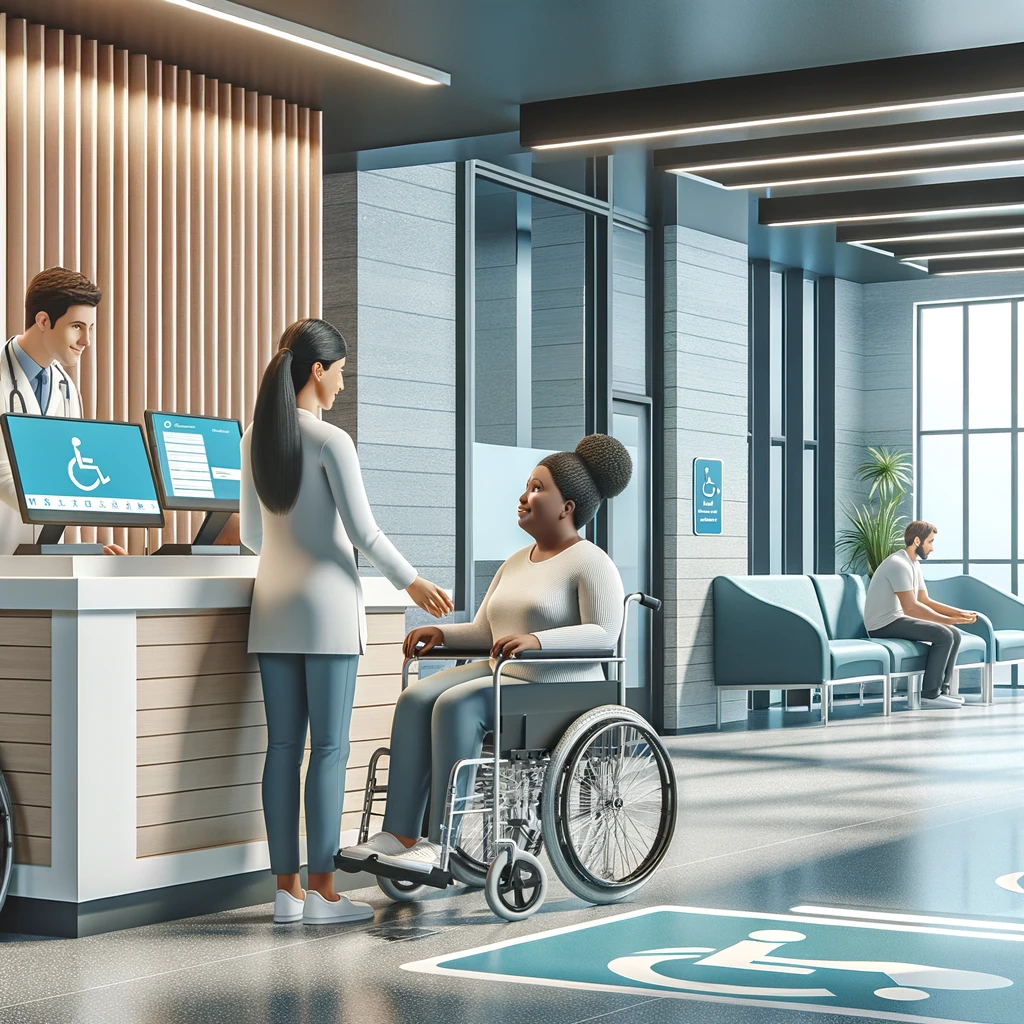
The Americans with Disabilities Act (ADA), a landmark civil rights law enacted in 1990, aims to provide protections against discrimination based on disability. This legislation spans various aspects of public life, including employment, public accommodations, transportation, and communications. In the realm of healthcare, the ADA’s implications are profound, ensuring individuals with disabilities have equal access to medical services and facilities. This is particularly crucial in specialized medical settings, where patients may require tailored services and accommodations to meet their unique needs.
Despite the ADA’s well-defined guidelines, many patients and healthcare providers may lack awareness or understanding of how these regulations apply specifically within medical environments. Medical professionals must not only be aware of their legal obligations but also be proactive in creating an inclusive and accommodating environment. This encompasses a broad spectrum of activities, ranging from physical modifications to facilities to providing appropriate communication aids for patients with hearing or vision impairments.
In this article, we will delve into the nuances of the ADA as it pertains to specialized medical settings. We will explore the rights and protections afforded to patients, examine common challenges faced by healthcare providers, and provide practical strategies for compliance. Whether you are a healthcare provider aiming to enhance your practice or a patient seeking to understand your rights, this comprehensive guide will equip you with the necessary knowledge to navigate the complexities of the ADA in healthcare.
ADA Compliance in Medical Facilities
One of the fundamental requirements under the ADA is ensuring that medical facilities are accessible to individuals with disabilities. This encompasses both the physical infrastructure and the availability of necessary medical equipment. Physical accessibility means that wheelchair ramps, wide doorways, and accessible restrooms must be provided to accommodate patients with mobility impairments.
Beyond physical infrastructure, ensuring that medical equipment is accessible is equally important. For example, examination tables and diagnostic equipment must be adjustable so they can be used by patients of all abilities. The U.S. Department of Justice’s 2010 ADA Standards for Accessible Design outlines specific requirements for medical facilities, including the height of examination tables and the use of accessible medical diagnostic equipment.
Additionally, healthcare providers must be prepared to make reasonable modifications in policies, practices, and procedures to accommodate patients with disabilities. This includes everything from scheduling longer appointment times for patients who need more assistance to ensuring that medical forms are available in alternative formats such as Braille or large print.
Creating an accessible environment goes beyond mere compliance; it requires thoughtful consideration of how to best serve all patients. Training staff on ADA requirements and the principles of disability etiquette can foster a more inclusive atmosphere, promoting better patient-provider communication and ensuring that patients with disabilities receive the high-quality care they deserve.
Effective Communication in Specialized Medical Settings
Effective communication between healthcare providers and patients is paramount in any medical setting, but it is especially critical in specialized medical environments where complex information must be conveyed. The ADA mandates that medical providers take necessary steps to ensure communication with patients who have disabilities is as effective as communication with others.
This requirement applies to individuals who are deaf, hard of hearing, blind, or have speech disabilities. Appropriate auxiliary aids and services must be provided where necessary to ensure effective communication. These can include qualified interpreters, note-takers, written materials, and assistive listening devices. For patients who are deaf or hard of hearing, providing a qualified sign language interpreter or real-time captioning may be essential during medical consultations.
For patients with vision impairments, medical facilities should offer information in accessible formats such as Braille, large print, or digital text that can be read by screen reading software. Additionally, healthcare providers must ensure that all visual aids used during consultations are explained thoroughly and in detail.
Effective communication is not just a legal requirement—it is a cornerstone of patient-centered care. By ensuring that all patients can understand and actively participate in their healthcare decisions, providers can improve health outcomes and foster a more trustworthy and respectful patient-provider relationship.
Legal Protections under the ADA
The ADA provides robust legal protections for individuals with disabilities, establishing their right to access medical care without facing discrimination. Under the ADA, healthcare providers are prohibited from denying services to patients with disabilities or providing unequal care based on a patient’s disability status.
Patients who feel their rights under the ADA have been violated have the right to file a complaint with the U.S. Department of Justice (DOJ) or pursue legal action. The DOJ has the authority to investigate allegations of discrimination and enforce compliance through various means, including settlement agreements and litigation.
In addition to federal enforcement, there are numerous advocacy organizations that provide support and resources to individuals with disabilities. These organizations can assist patients in understanding their rights, navigating the complaint process, and seeking legal recourse if necessary.
Healthcare providers must be vigilant in upholding ADA standards within their practices. Regular training and education on ADA compliance, coupled with policies that reinforce non-discrimination practices, can help prevent legal issues and foster a more inclusive healthcare environment.
Challenges in Implementing ADA in Specialized Medical Settings
Despite the clear directives of the ADA, implementing its requirements in specialized medical settings can pose several challenges. One of the major obstacles is the lack of awareness or understanding of the law among healthcare providers. Many practitioners may not be fully informed about the specific accommodations required under the ADA or how to effectively implement them.
Another significant challenge is the financial burden associated with making necessary modifications to facilities and equipment. Upgrading medical equipment to meet accessibility standards or renovating facilities to improve physical access can be costly. Smaller practices, in particular, may struggle to find the resources needed to comply fully with ADA requirements.
Moreover, attitudinal barriers can also hinder the effective implementation of the ADA. Misconceptions about the capabilities of individuals with disabilities or a lack of sensitivity towards their unique needs can result in inadequate care. This emphasizes the importance of ongoing education and training to shift attitudes and enhance understanding among healthcare providers.
Securing adequate funding and resources, providing comprehensive training programs, and fostering a culture of inclusivity are crucial steps in overcoming these challenges. Healthcare providers must be committed to continuous improvement and be proactive in seeking solutions to ensure that all patients receive equitable and accessible care.
Best Practices for ADA Compliance
To effectively comply with the ADA and create an accessible healthcare environment, providers can adopt several best practices. First and foremost, it is essential to conduct a thorough assessment of the facility to identify potential barriers to accessibility. This can include evaluating physical infrastructure, medical equipment, and communication systems.
Following the assessment, providers should develop a comprehensive plan to address identified barriers. This plan should prioritize modifications that have the most significant impact on accessibility and patient care. Providers can also seek guidance from ADA specialists or consultants to ensure that their modifications align with federal standards.
Training and education are pivotal in promoting ADA compliance. All staff members should receive training on ADA requirements, disability etiquette, and effective communication strategies. Regular refresher courses can help ensure that staff remain knowledgeable and up-to-date on best practices.
Integrating the principles of universal design can further enhance accessibility. Universal design involves creating spaces and products that are inherently accessible to people with a wide range of abilities. By adopting this approach, healthcare providers can create an environment that is inclusive and welcoming to all patients from the outset.
Finally, establishing a feedback mechanism can help providers identify ongoing accessibility issues and continuously improve their practices. Encouraging patients to share their experiences and suggestions can provide valuable insights into areas needing attention and foster a sense of collaboration and trust.
Conclusion
Ensuring compliance with the ADA in specialized medical settings is more than a legal obligation—it is a moral imperative to provide equitable and inclusive care to all patients. By understanding the rights and protections afforded under the ADA, healthcare providers can create an environment that accommodates the diverse needs of individuals with disabilities. This not only enhances the quality of care but also promotes dignity and respect for all patients.
Healthcare providers play a crucial role in upholding the principles of the ADA. Through awareness, proactive measures, and a commitment to continuous improvement, they can overcome challenges and foster an inclusive healthcare environment. The journey towards full compliance may require significant effort and resources, but the benefits of providing accessible and effective care are immeasurable.
As we move forward, it is essential to continue advocating for the rights of individuals with disabilities and striving towards a healthcare system that truly embodies the values of inclusion and equality. By embracing the spirit of the ADA, we can ensure that every patient, regardless of their abilities, receives the care and support they deserve.
Frequently Asked Questions
1. What exactly are ADA rights in specialized medical settings?
The ADA (Americans with Disabilities Act) rights in specialized medical settings refer to the provisions and regulations that ensure individuals with disabilities have equal access and are not discriminated against in healthcare environments. This includes access to facilities, medical equipment, services, and communications. Specialized medical settings can include hospitals, clinics, rehabilitation centers, and other health-focused institutions. The goal is to ensure that individuals, regardless of their disability, have the ability to access the same level of care and services as anyone else in the community.
2. How does the ADA affect the design and accessibility of medical facilities?
The ADA has a significant impact on how medical facilities are designed and maintained. Facilities are required to comply with ADA standards, which involve making physical spaces accessible to individuals with disabilities. This can include features such as wheelchair ramps, accessible exam tables, and clear signage for those with visual impairments. The objective is to eliminate barriers that could prevent individuals with disabilities from accessing healthcare services. Furthermore, medical professionals must accommodate patients’ needs through effective communication methods and accessible equipment, complying with the ADA’s aim to provide equal opportunity for individuals with disabilities.
3. Can I request specific accommodations for my disability-related needs when visiting a medical facility?
Yes, under the ADA, individuals have the right to request specific accommodations to address their disability-related needs when accessing medical services. For example, if a patient is hearing impaired, the medical facility should provide an interpreter or offer communication methods like written notes or electronic communication. Facilities are obligated to ensure that reasonable accommodations are made, so being forthright about your needs when making an appointment or upon arrival can help facilitate appropriate arrangements. It’s important to communicate directly with the facility about your needs so that they can prepare in advance to provide the necessary support.
4. What can I do if I believe my ADA rights have been violated in a healthcare setting?
If you feel your ADA rights have been violated within a healthcare setting, you have several steps you can take. Initially, it can be beneficial to address your concerns directly with the medical provider or facility’s management to seek a resolution. If this does not lead to a satisfactory outcome, you can file a complaint with the U.S. Department of Justice or contact an advocacy organization. Filing a complaint requires a clear description of the incident, detailing how the situation contravened the ADA terms, and providing any supporting documentation you have collected. Legal action is also an option, but consulting with a lawyer who specializes in disability rights may be advantageous to explore the best course of action.
5. How can healthcare providers ensure they are in compliance with ADA regulations?
Healthcare providers can ensure compliance with ADA regulations by taking proactive steps to understand and implement the requirements stipulated by the ADA within their facilities. This involves conducting regular assessments to identify potential barriers for individuals with disabilities and rectifying any non-compliant infrastructure. Providing staff with training focused on disability awareness and effective communication is also essential. Additionally, developing policies and procedures that emphasize inclusivity and accessibility in patient care can foster an environment that aligns with ADA standards. Healthcare providers might also consider consulting with experts in ADA compliance to evaluate their operations and benefit from guidance on best practices to serve patients with disabilities effectively.