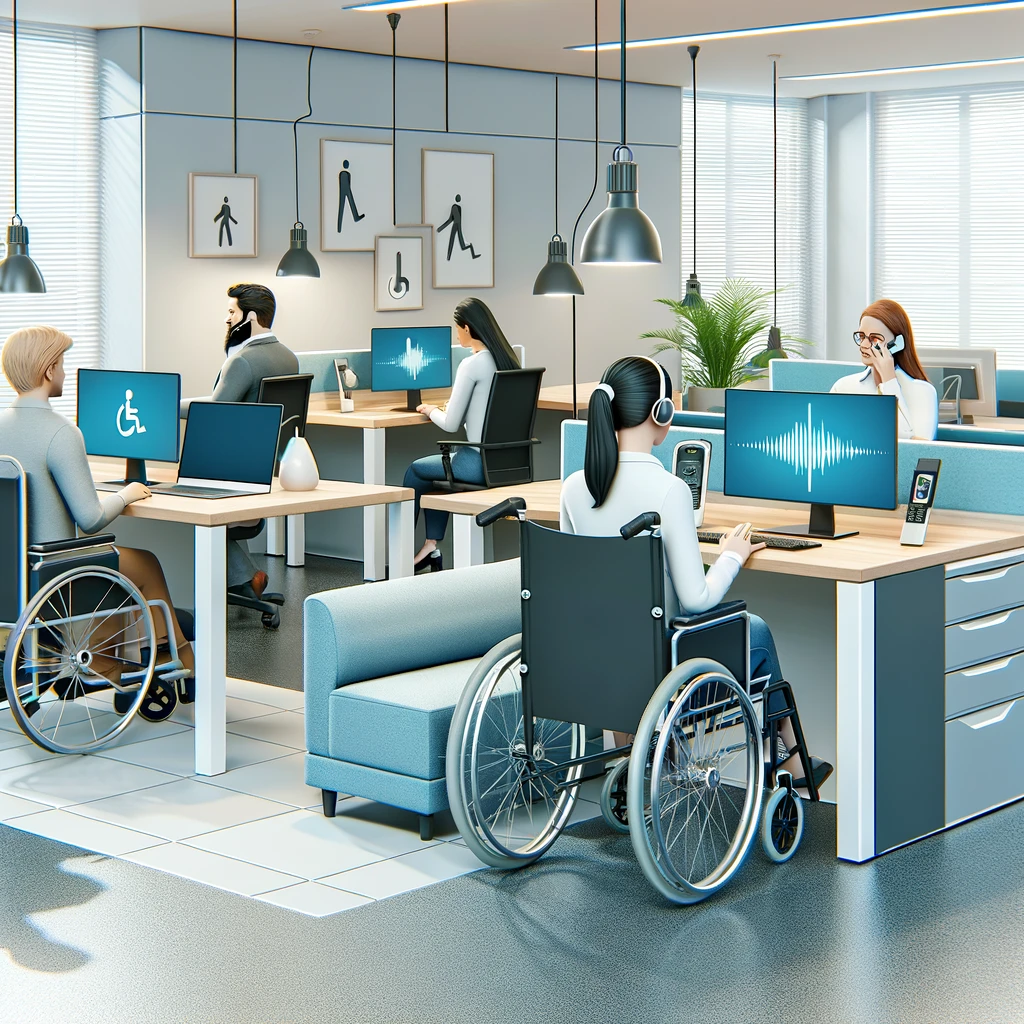
The Americans with Disabilities Act (ADA), enacted in 1990, is a landmark piece of legislation that aims to protect the rights of individuals with disabilities. The ADA encompasses various sectors, including employment, public accommodations, transportation, and telecommunications, ensuring that people with disabilities have the same rights and opportunities as everyone else. While the dynamism and extensive reach of the ADA impact various entities, non-profit organizations must particularly pay keen attention. These organizations serve diverse populations and often play a crucial role in community engagement. Hence, adhering to ADA regulations is paramount not only for compliance but also for enhancing the inclusivity of their services.
For non-profit organizations, understanding and implementing ADA requirements can be a daunting task. However, the benefits far outweigh the challenges. By fostering an inclusive environment, non-profits can better serve their communities and ensure that all individuals, irrespective of their abilities, have access to their resources. This article delves into the best practices non-profit organizations can adopt to align with ADA regulations effectively. We’ll cover several focal areas, including accessibility standards, staff training, effective communication, accommodations, and outreach strategies. By following these guidelines, non-profits can create a more inclusive atmosphere for everyone they serve.
Understanding Accessibility Standards
Accessibility is at the core of the ADA, and non-profit organizations must prioritize this in their operational framework. The ADA sets forth comprehensive guidelines for physical spaces to ensure they are accessible to individuals with disabilities. This includes having wheelchair ramps, accessible restrooms, and clear signage. It’s essential for non-profit organizations to conduct thorough audits of their facilities to identify any areas that require modifications.
The U.S. Access Board provides a wealth of resources and checklists that can help in these accessibility audits. Non-profits should also consider the unique needs of the population they serve. For instance, tactile signage and audible cues can be beneficial for visually impaired individuals. It’s advisable to consult with accessibility experts who can offer tailored solutions based on the specific needs of the organization.
Beyond physical spaces, non-profits must also ensure digital accessibility. Websites, mobile apps, and other digital platforms should comply with the Web Content Accessibility Guidelines (WCAG). This means having alternative text for images, providing captions for videos, and ensuring that all content is navigable using a keyboard. By making digital content accessible, non-profits can reach a broader audience and maintain compliance with ADA standards.
Staff Training and Awareness
Employee training is another critical aspect of ADA compliance. All staff members, including volunteers, should be well-versed in ADA regulations and understand their role in implementing these standards. Regular training sessions can ensure that staff are up-to-date with any changes in ADA guidelines and are equipped to handle various scenarios involving individuals with disabilities.
Training should cover various topics, including how to interact with individuals with different types of disabilities, understanding the importance of language, and knowing how to offer assistance without being intrusive. It’s also beneficial to include role-playing exercises to give staff practical experience in handling real-life situations. This kind of hands-on training can significantly improve their confidence and competence in providing inclusive services.
In addition to initial training, ongoing education is crucial. Non-profits should invest in continuous learning opportunities, such as webinars, workshops, and certification programs. This will help staff stay current with best practices and emerging trends in accessibility. Periodic assessments can also be conducted to evaluate staff’s understanding and implementation of ADA guidelines.
Effective Communication Strategies
Communication plays a vital role in ensuring that non-profit organizations are inclusive and accessible. The ADA requires that organizations provide appropriate auxiliary aids and services to ensure effective communication with individuals with disabilities. This includes offering materials in alternative formats, such as Braille, large print, or digital formats that are screen-reader friendly.
Non-profits should also be prepared to provide sign language interpreters or real-time captioning services during events, meetings, and other interactions. It’s essential to assess the communication needs of individuals with disabilities and provide appropriate accommodations promptly. Pre-event surveys or registration forms can help identify specific needs in advance, allowing the organization to make necessary arrangements.
Furthermore, adopting inclusive communication practices goes beyond providing auxiliary aids. It involves creating a culture where diverse communication needs are respected and valued. Staff should be trained to use person-first language and to avoid making assumptions about an individual’s capabilities. Open and respectful communication fosters a welcoming environment for everyone.
Reasonable Accommodations
Providing reasonable accommodations is a fundamental requirement of the ADA. Non-profit organizations must be willing to make necessary adjustments or modifications to enable individuals with disabilities to participate fully in their programs and activities. These accommodations can vary widely, depending on the needs of the individual and the nature of the service or activity.
Examples of reasonable accommodations include offering flexible scheduling, providing assistive technology, modifying policies or procedures, and ensuring that transportation is accessible. Non-profits should have a clear process in place for requesting accommodations and should strive to be as flexible and responsive as possible. It’s also essential to maintain open communication with the individual throughout the process to ensure that the accommodations provided are effective.
While some accommodations might incur additional costs, it’s crucial to remember that the ADA requires accommodations unless they impose an “undue hardship” on the organization. Non-profits should explore all possible options and seek creative solutions to meet the needs of individuals with disabilities. In many cases, minor adjustments can make a significant difference in ensuring inclusivity.
Inclusive Outreach Strategies
Effective outreach is essential for non-profit organizations to reach and engage individuals with disabilities. To create inclusive outreach strategies, non-profits should first assess their current outreach methods and identify any barriers that might exist. This can include barriers in communication, transportation, or event accessibility.
Collaborating with disability advocacy groups and organizations can provide valuable insights and help non-profits connect with the disability community. Additionally, non-profits should utilize diverse communication channels to reach their target audience. This can include social media, email newsletters, community bulletin boards, and local media.
When planning events or activities, it’s crucial to consider accessibility from the outset. This includes selecting accessible venues, providing transportation options, and ensuring that event materials are available in alternative formats. It’s also beneficial to solicit feedback from participants to continuously improve outreach efforts and address any unmet needs.
Building relationships with individuals with disabilities and actively seeking their input can enhance the effectiveness of outreach strategies. By involving the disability community in the planning and execution of programs, non-profits can ensure that their services are truly inclusive and responsive to the needs of all members of the community.
Conclusion
In conclusion, the ADA provides a vital framework for ensuring that individuals with disabilities have equal access to opportunities and services. Non-profit organizations have a significant role to play in this effort, given their mission to serve diverse populations and foster community engagement. By adhering to ADA guidelines and adopting best practices, non-profits can create a more inclusive environment for all individuals.
Understanding and implementing accessibility standards, investing in staff training, employing effective communication strategies, providing reasonable accommodations, and developing inclusive outreach strategies are all critical components of ADA compliance. While the journey to full inclusivity may have its challenges, the rewards are immense. An inclusive organization not only complies with legal requirements but also embodies the values of equality, dignity, and respect for all individuals.
Non-profit organizations should view ADA compliance as an ongoing process rather than a one-time effort. Continuous assessment, improvement, and education are key to maintaining an inclusive environment. By doing so, non-profits can make a lasting impact on the lives of individuals with disabilities and contribute to a more equitable society.
Frequently Asked Questions
1. What exactly is the ADA and how does it apply to non-profit organizations?
The Americans with Disabilities Act (ADA), passed in 1990, is a significant piece of legislation in the United States designed to ensure that individuals with disabilities have equal rights and opportunities. It prohibits discrimination against individuals with disabilities in all areas of public life, aiming to break down barriers in employment, transportation, public accommodations, communications, and access to state and local government programs and services. For non-profit organizations, this means creating an inclusive environment where people with disabilities can access services and programs without facing discrimination or obstacles.
Non-profit organizations often provide essential services and opportunities, making their adherence to ADA requirements crucial. The ADA’s application to non-profits involves making reasonable modifications to policies, practices, and procedures, and ensuring that programs or activities are accessible to individuals with disabilities. This includes removing architectural or communication barriers, providing auxiliary aids and services where necessary, and ensuring effective communication.
2. How can non-profit organizations ensure their physical spaces are ADA compliant?
Ensuring physical accessibility is a key component of ADA compliance for non-profit organizations. This process begins with conducting an accessibility audit of the organization’s facilities to identify any architectural barriers. These might include inaccessible entrances, narrow doorways, inaccessible restrooms, and non-compliant signage.
An extensive walkthrough of the facility, often accompanied by an ADA consultant or using available ADA checklists, helps in recognizing these barriers. Rectifying these obstacles may involve installing ramps or elevators, widening doorways, changing door handles, ensuring restrooms are accessible, providing parking spaces for individuals with disabilities, and implementing tactile signs for individuals with vision impairments.
Besides the physical changes, non-profits should ensure emergency procedures accommodate individuals with disabilities. This includes having accessible emergency exits and clear procedures to assist anyone with a disability in the event of an evacuation. Overall, proactive planning, regular staff training, and a committed approach to continuous improvement are essential for maintaining a barrier-free environment.
3. What steps should be taken to make communications accessible to individuals with disabilities?
Ensuring effective communication is a critical requirement under the ADA, particularly for those with hearing, vision, or speech disabilities. Non-profit organizations should proactively implement strategies to address these communication barriers.
This can include providing materials in alternative formats, such as large print, braille, or electronic versions compatible with screen readers. For individuals with hearing impairments, providing sign language interpreters, captioning services, or assistive listening devices can be essential. Organizations should ensure that any public communication materials, including websites, are accessible to persons with disabilities by employing accessible web design standards like WCAG (Web Content Accessibility Guidelines).
Moreover, training staff members on how to communicate effectively with individuals experiencing various disabilities is crucial. This involves understanding the specific needs and preferences of communication and responding appropriately to ensure information is correctly received and understood by everyone, regardless of their abilities.
4. What are the responsibilities of non-profit organizations regarding employment under the ADA?
Under the ADA, non-profit organizations have a responsibility to provide equal employment opportunities to individuals with disabilities. This involves ensuring that organizational hiring, training, promotion, and other employment-related decisions do not discriminate against persons with disabilities.
Non-profits must be prepared to make reasonable accommodations for qualified employees or job applicants with disabilities. These accommodations might involve modifying work schedules, altering workspaces, providing special equipment or devices, or allowing the use of service animals, among other adjustments, as long as these modifications do not cause undue hardship to the organization.
Additionally, non-profits should implement non-discriminatory recruitment processes, such as ensuring job advertisements, applications, and interviews are accessible to individuals with disabilities. Training hiring personnel about ADA compliance and fostering an inclusive workplace culture where diversity is valued and everyone can thrive regardless of disability is critical to fulfilling these responsibilities.
5. What are some best practices for creating an inclusive program environment for individuals with disabilities?
Creating an inclusive program environment within a non-profit requires comprehensive efforts across various organizational facets. Best practices include designing programs that inherently consider the needs of individuals with disabilities. This involves engaging in proactive planning, where accessibility is woven into the initial stages of program development rather than treating it as an afterthought.
Organizations should offer program materials in accessible formats or provide interpretation services, as necessary, which cater to diverse disability needs. Moreover, regular staff training on disability awareness and sensitivity helps foster an inclusive ethos within the organization.
An inclusive program also consists of obtaining feedback from participants, particularly those with disabilities, to continually adjust and improve access and inclusion efforts. Partnerships with disability advocacy groups can provide additional perspectives and resources to enhance program inclusivity. Ultimately, an open, adaptable, and inclusive culture, driven by a commitment to equity and diversity, ensures that all individuals, irrespective of their abilities, gain equal access to opportunities provided by the non-profit.