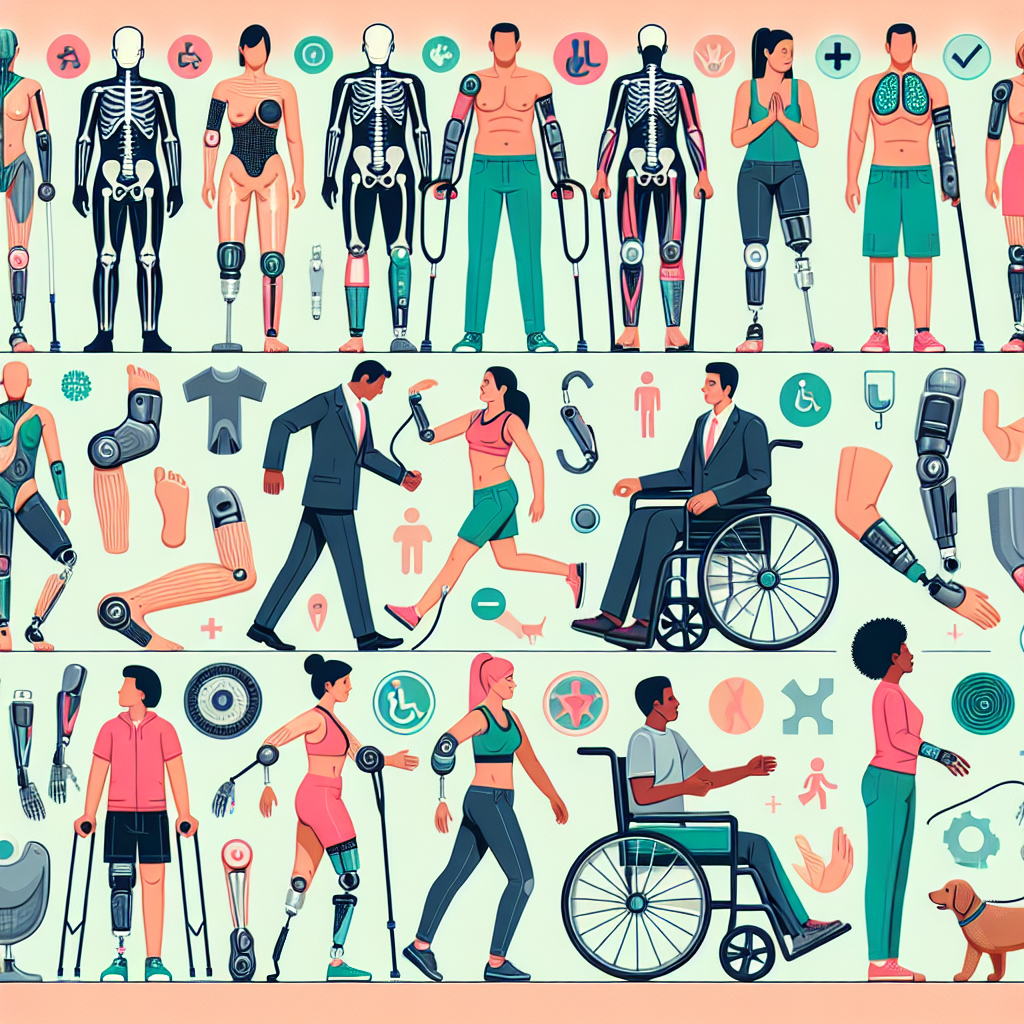
In recent years, the Americans with Disabilities Act (ADA) has seen several updates to enhance accessibility and ensure nondiscrimination across various platforms and services. As technology and social needs evolve, so does the ADA, with 2025 bringing some pivotal amendments that impact both the digital and physical environments.
Digital Accessibility: A Forefront of ADA Compliance
One of the most significant updates in 2025 concerns digital accessibility, specifically for web content and mobile apps provided by state and local governments. This amendment, part of Title II regulations, requires all digital offerings such as websites and mobile applications to comply with the Web Content Accessibility Guidelines (WCAG) 2.1, Level AA standards. This standard ensures that people with disabilities can access services such as public information and e-government services without barriers.
The update mandates that any new web content and apps, or those undergoing significant updates, must be fully accessible. The rule also emphasizes “equivalent facilitation,” which allows for the use of alternative designs or technologies that provide equal or greater accessibility compared to the WCAG criteria.
Exceptions and Flexibilities
Despite the stringent requirements, the amendments provide certain flexibilities and exceptions. For example, archived web content that is not in active use or is not needed for current operations might not need to meet the new accessibility standards. Similarly, older documents and multimedia that aren’t central to services provided may also be exempt, though they must be accessible upon request if needed by someone with a disability.
Focus on Physical Accessibility
Beyond the digital realm, the ADA continues to evolve its standards for physical accessibility. Recent updates have not only refined guidelines for public and commercial spaces but also introduced clearer rules for specialized equipment like medical diagnostic devices. These updates aim to enhance physical access in healthcare settings, ensuring that all medical equipment is usable for individuals with disabilities.
Enforcement and Compliance
The enforcement of these new standards is crucial for their success. The ADA has established clearer protocols for compliance and grievance redressal. Individuals who face discrimination or barriers due to non-compliance can file complaints directly through the ADA website, ensuring their concerns are addressed legally.
Looking Forward
The ADA’s 2025 amendments demonstrate a robust effort to keep up with technological advancements and societal changes. As we move forward, it’s likely that we’ll see further updates, particularly as digital technologies develop. For organizations and governments, staying ahead of these regulations not only ensures compliance but also promotes an inclusive environment for all individuals, regardless of their abilities.
The 2025 ADA amendments mark a significant step towards greater inclusivity, pushing for comprehensive accessibility in both digital and physical spaces. As these standards roll out, it will be essential for entities covered by the ADA to review their policies and practices to align with the new regulations, ensuring that accessibility remains at the forefront of public and private initiatives.
These changes underscore the ADA’s ongoing commitment to civil rights and equal access, reinforcing its role as a dynamic and responsive framework for protecting the rights of individuals with disabilities.

Future Projections and Recommendations
As we delve further into the future, continuous adaptation and proactive adjustments to the ADA are expected. The pace of technological advancement, especially in areas like artificial intelligence, virtual reality, and augmented environments, demands ongoing vigilance and regulatory updates. For organizations and governing bodies, understanding these trends and preparing for them is crucial.
Emerging Technologies and ADA Compliance
Emerging technologies pose both challenges and opportunities for ADA compliance. For example, advancements in AI could enhance accessibility through personalized learning systems and adaptive interfaces. However, these technologies also need to be regulated to ensure they do not inadvertently exclude people with disabilities.
To address these potential issues, ADA standards are likely to include more specific guidelines on emerging technologies. Entities must stay informed about these changes to not only remain compliant but to also leverage these advancements to enhance accessibility.
Community and Business Engagement
Increased community and business engagement is also vital. Local governments and businesses can benefit from actively participating in discussions and training sessions about ADA compliance. This engagement helps to better understand the responsibilities and the technological tools available that can aid in meeting ADA standards.
Training and Resources
Training and resource dissemination will play a critical role in the effective implementation of ADA amendments. Ensuring that resources are easily accessible and comprehensible will aid organizations and individuals alike in understanding their rights and obligations under the ADA. Regularly updated training programs can help in spreading awareness and educating stakeholders about compliance strategies.
Call to Action
For ADA compliance, a proactive approach is the best strategy. Entities should regularly review their accessibility policies and practices, engage with disability advocacy groups for insights, and invest in ongoing staff training. Accessibility should be viewed not just as a compliance requirement but as a core element of organizational operation that benefits all.
ADA Assistance and Support
Organizations seeking assistance can access a plethora of resources provided by the ADA National Network, which offers training and guidance on all aspects of the ADA. Additionally, the ADA website and various disability rights advocacy groups provide updated information and support for navigating these regulations.
Conclusion
The ADA amendments of 2025 represent a progressive step towards a more inclusive society. They underscore the importance of accessibility in an increasingly digital world and reaffirm the commitment to enhancing physical accessibility. As we continue to advance, the principles of the ADA help forge a path toward greater inclusion, ensuring that all individuals have equal opportunities to participate in all aspects of society.
In closing, understanding and implementing the ADA’s amendments not only fulfill a legal obligation but also significantly contribute to building a more inclusive and accessible future. It is a collective responsibility that benefits society as a whole, emphasizing the importance of dignity, respect, and equal opportunities for all.
Keep Updated
For those interested in keeping abreast of ADA regulations and amendments, it is advisable to subscribe to newsletters from ADA-related organizations, participate in relevant workshops, and regularly visit the ADA official website. These actions will ensure you remain informed and proactive in compliance with ADA standards.
References:
- ADA.gov
- ADA National Network
- Department of Justice
This comprehensive overview aims to provide you with a better understanding of the 2025 ADA amendments and their implications. For further details or specific inquiries, visiting the ADA official website and consulting with ADA experts is recommended.
Frequently Asked Questions
1. What are the key amendments to the ADA in 2025 regarding digital accessibility?
The 2025 ADA amendments put a pronounced emphasis on digital accessibility, bringing transformative changes to ensure that all individuals, regardless of their abilities, can access and interact with digital content. This includes updates that mandate all websites to be easily navigable with assistive technologies like screen readers and voice commands. Moreover, it requires websites to provide alternative text for images, ensuring that individuals with visual impairments can understand site content thoroughly. Additionally, the amendments advocate for the use of clear and concise language to prevent cognitive overload, thus enhancing the web experience for those with cognitive disabilities. The ADA has also expanded its scope to encompass mobile applications, demanding an inclusive design from the get-go.
2. How will the 2025 ADA amendments impact businesses with a physical presence?
For businesses with physical locations, the 2025 ADA amendments bring crucial updates to foster a more inclusive environment. Businesses are now required to enhance the accessibility of their facilities, which includes improving handicap access points such as ramps, elevators, and automatic doors. There is also a need for updated signage with Braille for general navigation within facilities, ensuring that those who are visually impaired can independently move around. Additionally, the amendments call for more accessible restrooms, featuring handrails and sufficient space to cater to those using wheelchairs. All businesses must reassess their physical layouts and make necessary adaptations to comply with these new regulations and avoid potential legal repercussions.
3. How do the amendments address the use of emerging technologies?
The 2025 ADA amendments take a forward-thinking approach by incorporating guidelines on emerging technologies to keep pace with rapid advancements. For starters, the use of AI-driven services is addressed, with the amendments ensuring that such technologies do not inadvertently discriminate against those with disabilities. This involves utilizing AI algorithms that are inclusive by design, avoiding biases that could impact hiring processes or customer service interactions. Furthermore, the amendments also cover virtual reality experiences, ensuring these platforms are accessible and cater to diverse needs through customizable interfaces, providing audio descriptions and haptic feedback for those with visual or sensory impairments.
4. What new provisions are included related to employment and the workplace?
In terms of employment, the 2025 ADA amendments introduce new provisions aimed at promoting an inclusive workplace culture. Employers are now encouraged, and in some cases required, to provide enhanced training to staff on disability awareness and inclusive practices. The amendments also bolster the pre-existing framework for reasonable accommodation requests, simplifying the process for employees to submit requests and for employers to respond adequately. Moreover, these updates stress the importance of adaptive technologies in the workplace, urging employers to integrate screen magnification software, speech recognition tools, and other assistive technology to accommodate a varied workforce.
5. How can organizations prepare for and comply with these new ADA requirements?
Organizations can start preparing for the new ADA requirements by conducting thorough accessibility audits, which will help identify potential areas that require improvements in both digital and physical realms. Engaging with accessibility experts can provide valuable insights and practical recommendations to align existing infrastructures with the updated standards. It is crucial for organizations to stay informed and updated about the latest ADA guidelines through continual training and education. Implementing accessible design principles should become integral to every phase of development and operation, ensuring sustained compliance. Moreover, fostering a culture of inclusion should be a priority, empowering everyone to voice concerns and contribute to accessibility initiatives.