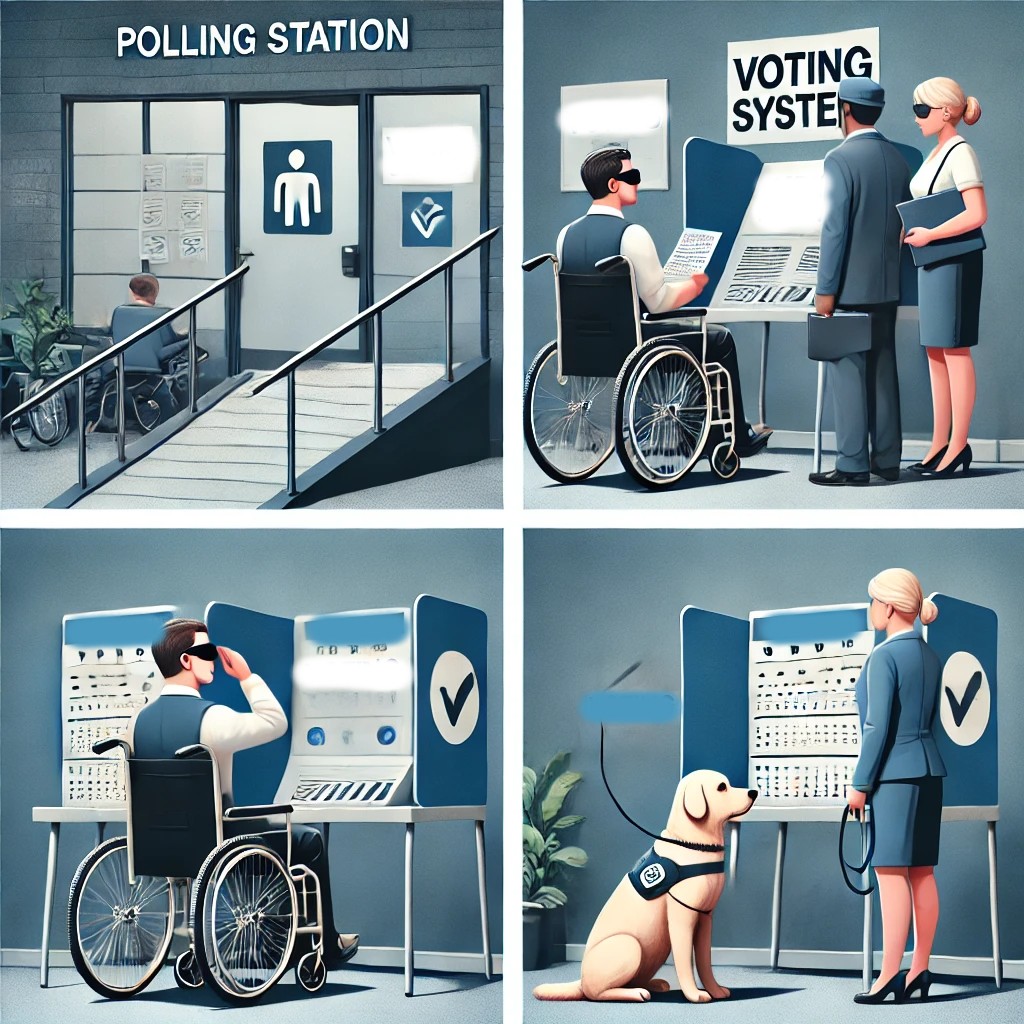
The Americans with Disabilities Act (ADA) stands as a significant civil rights law addressing the needs of individuals with disabilities. Title II of the ADA has particular relevance to public educational institutions, ensuring that students with disabilities have equal access to education programs, activities, and services. As a broad law, Title II prohibits discrimination on the basis of disability by public entities, which include state and local government services. The cornerstone of this title is to safeguard the rights of students with disabilities, affirming their place in an inclusive educational system designed to equip all students for success.
Understanding the nuances of ADA Title II is crucial for educators, administrators, and policy-makers. From ensuring physical accessibility in schools to providing appropriate accommodations and modifications in the classroom, Title II is instrumental in fostering an environment where all students can thrive. It underscores the importance of not only complying with legal mandates but also embracing an inclusive ethos that values diversity in its many forms. This article explores how Title II of the ADA impacts public education systems and highlights the key responsibilities and adjustments that schools must implement to remain compliant.
Understanding ADA Title II
Title II of the ADA is wide-ranging, covering numerous aspects of public services, including those provided by public education systems. It requires public entities to make their programs, services, and activities accessible to individuals with disabilities. The goal is to ensure that no person with a disability faces discrimination in any service provided by a public entity.
Public education systems, specifically, face unique challenges because accessibility must be ingrained at every level—physical buildings, curricula, technologies, and even extracurricular activities. This means establishing policies and practices that enable students with disabilities to participate fully and effectively in all aspects of school life. Whether it involves installing ramps and elevators, providing assistive technologies, or adapting teaching methods, compliance with Title II demands ongoing attention and commitment.
Moreover, compliance with Title II is not just about avoiding legal repercussions; it is about creating an educational landscape where inclusion is the norm. It encourages educational institutions to think proactively about disability rights, pushing them to pioneer best practices that benefit all students. The very implementation of Title II lays the groundwork for a more equitable society where diversity is celebrated, and all students are given the opportunity to reach their full potential.
Physical Accessibility in Schools
One of the fundamental requirements of ADA Title II is ensuring the physical access to public school facilities. This includes ensuring that both new constructions and alterations to existing buildings are made accessible for individuals with disabilities. Standards set forth by the ADA Accessibility Guidelines (ADAAG) serve as a benchmark for making these physical modifications.
For instance, schools must ensure that entranceways, classrooms, restrooms, cafeterias, and other facilities are usable by students with various types of disabilities. Wheelchair ramps, elevators, and accessible restroom facilities are just a few examples of modifications that may be necessary. Additionally, floors, door widths, and signage may all need adjustments to meet ADA standards.
While older buildings face more challenges and often require significant retrofitting, the ADA encourages ongoing efforts to improve accessibility even if financial or logistical constraints prevent immediate full compliance. Schools are expected to continuously work towards greater accessibility, seeking community or federal funding where necessary to complete these projects. The ultimate goal is to ensure that all students can navigate their school environment without encountering physical barriers.
Curriculum and Instructional Adaptations
Ensuring physical accessibility is the first step, but it is equally important to make educational content accessible to students with disabilities. Title II mandates that public education systems provide reasonable accommodations and modifications to ensure that students with disabilities receive an equitable learning experience.
Reasonable accommodations might include modifying teaching methods, providing materials in alternative formats (e.g., Braille, large print, or digital text), and utilizing assistive technology. Teachers may need to employ different instructional strategies, such as offering more hands-on activities or providing extra time for assignments and exams to accommodate various learning styles and needs.
Beyond individualized accommodations, curriculum-wide adjustments might be necessary to support a broader spectrum of learners. Universal Design for Learning (UDL) is one approach that can help make curricula more inclusive. UDL focuses on creating flexible learning environments that can accommodate individual learning differences. By embedding multiple means of representation, expression, and engagement into the curriculum, schools can ensure that all students, including those with disabilities, have an equal opportunity to succeed.
Use of Assistive Technology
Assistive technology plays a crucial role in supporting students with disabilities under ADA Title II. These technologies range from simple devices like magnifiers and audio books to advanced software that supports learning in various ways. Public schools are required to evaluate the needs of students and provide appropriate assistive technologies to facilitate their learning processes.
Examples of assistive technology include screen readers for students with visual impairments, FM systems for those with hearing impairments, and specialized software for students with learning disabilities like dyslexia. These tools empower students to access the same educational materials as their peers and to demonstrate their understanding in diverse ways.
Moreover, schools must ensure that all digital content and online resources are accessible. This includes not only educational websites and online learning platforms but also any digital communications from the school district. Compliance with the Web Content Accessibility Guidelines (WCAG) can help schools achieve this, ensuring that online content is perceivable, operable, and understandable for all users. In doing so, schools can create a truly inclusive digital learning environment.
Extracurricular Activities and Non-Academic Services
Title II also applies to non-academic services and extracurricular activities, which are essential components of a well-rounded educational experience. Public schools must ensure that students with disabilities have equal access to participate in sports, clubs, arts programs, and other extracurricular activities.
This might involve making reasonable modifications to existing programs to accommodate students with disabilities. For example, a school might need to provide a sign language interpreter for a student involved in a theater club, or ensure accessible transportation options for a student participating in field trips. Schools must consider the individual needs and preferences of students with disabilities and provide necessary support to enable their full participation.
Additionally, non-academic services, such as counseling, health services, and library access, must also be made accessible. Schools should train staff to be aware of and responsive to the needs of students with disabilities, fostering an inclusive atmosphere that extends beyond the classroom. By doing so, schools can promote a sense of belonging and support the overall well-being of all students.
Training and Professional Development
Effective implementation of ADA Title II in public schools requires ongoing training and professional development for educators and administrators. Understanding the rights of students with disabilities and knowing how to accommodate their needs is essential to creating an inclusive learning environment.
Professional development programs should cover various aspects of accessibility, from making physical spaces accessible to employing inclusive teaching methods. Training on the use of assistive technology and the principles of universal design for learning can empower educators to better support their students. Additionally, workshops on disability awareness can foster a more inclusive school culture and sensitize staff to the challenges faced by students with disabilities.
Moreover, involving students and their families in discussions about accessibility can provide valuable insights and promote greater collaboration. Schools should consider establishing advisory committees that include students with disabilities, their parents, and disability advocates. These committees can help identify areas for improvement and contribute to the development of effective policies and practices.
Conclusion
The Americans with Disabilities Act, particularly Title II, plays a vital role in shaping public education systems to be inclusive and equitable for all students. By ensuring physical accessibility, providing appropriate accommodations and modifications, integrating assistive technology, and promoting an inclusive culture, schools can fulfill their legal obligations and create environments where all students can thrive.
While compliance with Title II requires ongoing effort and commitment, the benefits are far-reaching. An inclusive education system not only supports students with disabilities but also enriches the learning experience for all students, fostering a diverse and accepting community. As we move forward, it is essential that public education systems continue to advocate for and implement best practices that uphold the rights and dignity of every student.
Frequently Asked Questions
1. What is ADA Title II and how does it apply to public education?
ADA Title II is part of the Americans with Disabilities Act, which protects individuals with disabilities against discrimination. Title II specifically targets discrimination by public entities, including public educational institutions like schools, colleges, and universities. This means that these institutions are required to provide equal access to all programs, services, and activities to students with disabilities. This might include making reasonable accommodations such as providing assistive listening devices, modifying classroom settings, or offering alternative testing formats. Essentially, Title II ensures that students with disabilities have the same educational opportunities as their peers.
2. How does ADA Title II ensure accessibility in education?
Under ADA Title II, schools must ensure that facilities, programs, and activities are accessible to students with disabilities. This involves taking steps to remove physical barriers by making modifications or providing auxiliary aids and services that will allow full participation. The law mandates schools to evaluate current policies and practices and implement necessary changes to foster inclusivity. Accessibility is not limited to physical environments; it extends to communication, curricula, and learning methodologies. Schools might need to provide sign language interpreters, adapt physical education classes, or use technology for alternate educational delivery to comply with ADA Title II.
3. Who is protected under ADA Title II in the context of public education?
ADA Title II protection extends to all individuals with disabilities, which includes a wide range of physical and mental impairments. Students who have conditions that substantially limit one or more major life activities, such as seeing, hearing, walking, speaking, reading, concentrating, thinking, communicating, and learning, are covered. This means not only students but also teachers, faculty members, and other staff with disabilities are protected. The law champions a broad interpretation of disability to ensure comprehensive protection against discrimination in public education and encourages a holistic approach to accessibility and inclusion.
4. What are reasonable accommodations under ADA Title II in schools?
Reasonable accommodations are modifications or adjustments to educational environments that enable a person with a disability to have an equal opportunity to participate. These accommodations might include providing extra time for tests, offering tutorial services, adjusting assignments, or allowing different means to demonstrate course proficiency. For physical accessibility, this might mean installing ramps, elevators, or altering facilities like restrooms or classrooms. The key point is that the term ‘reasonable’ is context-dependent, meaning accommodations should be feasible and not pose undue hardship on the school, while simultaneously effectively meeting the needs of the student.
5. Are there any exceptions or limitations to the requirements of ADA Title II in public education?
While ADA Title II provides robust protection for individuals with disabilities, there are some limitations. Public educational institutions are not required to make changes that would fundamentally alter the nature of a program or impose undue financial or administrative burdens. To claim an undue burden, the entity must demonstrate a significant difficulty or expense. Decisions are typically made case-by-case, taking into account the resources available and the centrality of the accommodation request to the institution’s educational mission. Furthermore, schools are not required to provide personal devices or services, like wheelchairs or personal assistants, but must strive to create an accessible and inclusive educational environment.