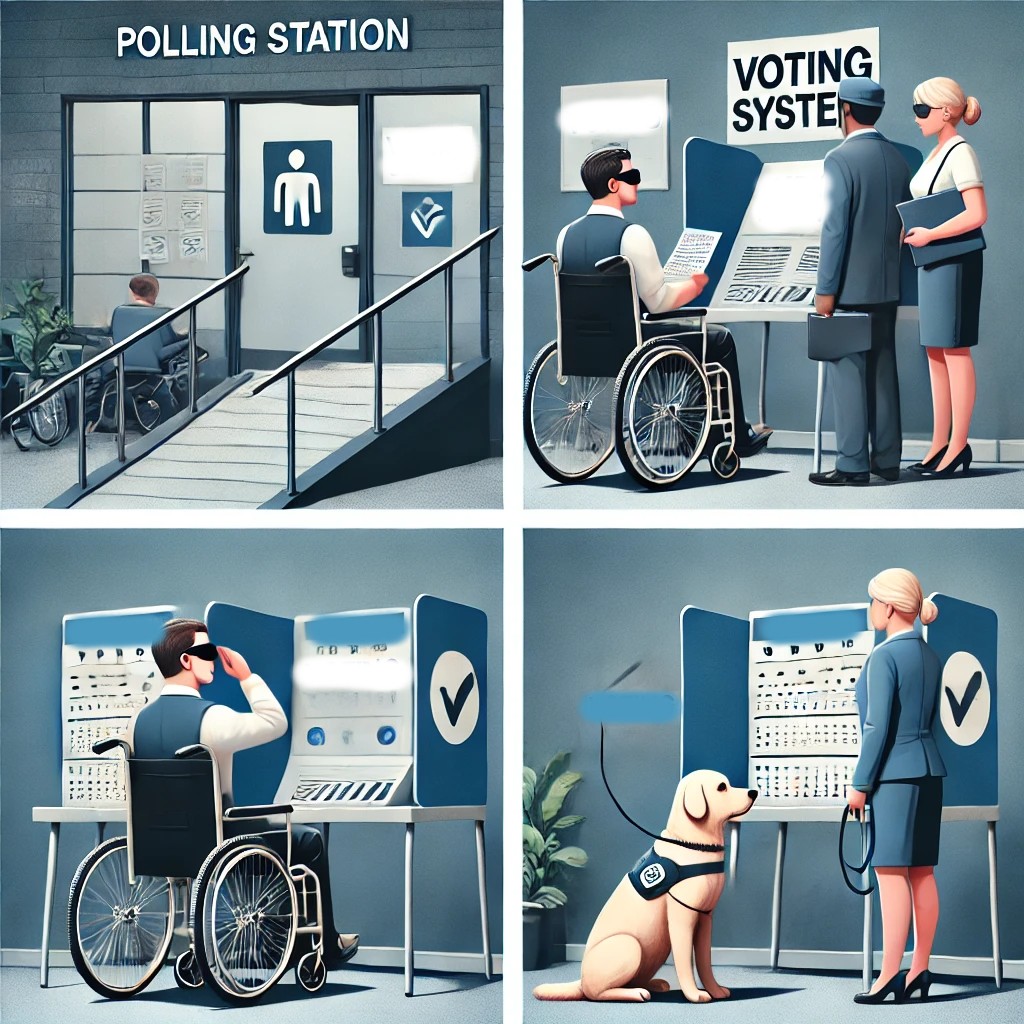
The Americans with Disabilities Act (ADA), established in 1990, is a civil rights law that prohibits discrimination against individuals with disabilities in all areas of public life, including jobs, schools, transportation, and all public and private places that are open to the general public. Title I of the ADA specifically addresses employment, ensuring that people with disabilities have the same rights and opportunities as everyone else to participate in the workforce. This article explores the essentials of ADA Title I, focusing on hiring practices and compliance.
Understanding ADA Title I
Title I of the ADA is dedicated to the employment sector. It applies to private employers with 15 or more employees, state and local governments, employment agencies, and labor unions. Its main goal is to ensure that people with disabilities are not discriminated against in recruitment, hiring, promotions, training, pay, social activities, and other privileges of employment.
Essential Functions and Reasonable Accommodation
One of the core concepts under ADA Title I is the notion of “essential functions” of a job. These are the fundamental job duties that an employee must be able to perform, with or without accommodation. Understanding what constitutes essential functions helps employers determine which modifications or adjustments, known as reasonable accommodations, might be necessary and appropriate.
A reasonable accommodation is any change to a job, the work environment, or the way things are usually done that enables an individual with a disability to apply for a job, perform job functions, or enjoy equal benefits and privileges of employment. Examples include modifying work schedules, altering the layout of a workstation, or providing specialized equipment for individuals with disabilities.
Hiring Processes Under ADA Title I
When it comes to hiring, ADA Title I mandates that employers provide equal opportunity to candidates with disabilities. This starts from the job advertisement phase and extends to interviewing, testing, and other components of the employment process. Employers are required to ensure that their hiring practices do not discriminate against persons with disabilities. For instance, job postings should focus on the essential functions of the job and must not specify unnecessary requirements that could exclude people with disabilities.
During the interview process, it is illegal for employers to ask candidates about the existence, nature, or severity of a disability. However, they can ask about the candidate’s ability to perform specific job functions. A job offer may be conditional on the results of a medical examination, but only if this is required for all entering employees in similar roles.
Compliance: Implementing ADA in Hiring
Compliance with ADA Title I involves several best practices that employers can adopt to ensure they are not inadvertently discriminating against potential hires with disabilities. These include:
- Training staff: Employers should educate their hiring managers and HR staff on ADA compliance, focusing on the permissible and prohibited actions during the recruitment process.
- Revamping job descriptions: Ensure that job descriptions accurately reflect the essential functions of the job and do not include unnecessary requirements that might exclude individuals with disabilities.
- Improving accessibility: This includes physical accessibility to buildings and facilities as well as digital accessibility, such as websites and online application portals.
- Establishing clear policies: Develop clear employment policies that outline the company’s commitment to non-discrimination and the steps for requesting accommodations.
Best Practices for Employers
Implementing ADA compliant hiring practices is not only about legal compliance but also about creating an inclusive work culture that values diversity. Here are some best practices:
- Use inclusive language in job postings: Language should focus on the abilities and qualifications needed to perform the job effectively.
- Offer flexibility in assessments: Provide alternative methods of evaluating qualifications and abilities that are fair to candidates with disabilities.
- Promote an inclusive culture: Encourage openness and inclusivity in the workplace culture, making it known that the company values diversity.
ADA Title I plays a crucial role in ensuring that individuals with disabilities are given fair treatment in the employment process. By understanding and implementing the principles of non-discrimination, essential functions, and reasonable accommodation, employers can not only comply with the ADA but also enhance their workforce diversity. This not only benefits individuals with disabilities but also enriches the workplace environment for all employees.

Building a Robust Compliance Program
Compliance with ADA Title I is an ongoing process, not a one-time adjustment. It involves a continuous commitment to maintaining practices and policies that support fair and equal employment opportunities for individuals with disabilities. Establishing a robust compliance program is crucial for organizations to effectively navigate the legal landscape and foster a supportive workplace culture.
Developing a Compliance Framework
1. Regularly Update Training Programs: Continual education and training programs for employees, especially those involved in hiring and human resources, are essential. These programs should cover the latest legal developments, emerging best practices, and refreshers on the basics of ADA compliance.
2. Perform Regular Audits: Regular audits of company policies and practices help ensure that they align with ADA requirements. Audits can identify potential areas of non-compliance and opportunities for improvement, such as updating technology to ensure digital accessibility.
3. Create Feedback Mechanisms: Establishing clear channels for feedback from employees, particularly from those with disabilities, helps an organization adjust and respond to issues as they arise. This can include regular surveys, suggestion boxes, or more formal mechanisms such as a diversity and inclusion committee.
Engaging with Candidates and Employees
1. Transparent Communication: Transparency in communicating the process for requesting accommodations is vital. Employers should make it clear how employees and candidates can request accommodations, ensuring the process is straightforward and respectful.
2. Foster an Inclusive Recruitment Environment: From the job advertisement to the interview process, creating an environment that welcomes candidates with disabilities is critical. This might include ensuring that interview sites are accessible, offering interviews in various formats (like video calls for candidates who require them), and training interviewers to understand and respect the needs of candidates with disabilities.
3. Build Partnerships: Engaging with organizations that support people with disabilities can provide employers with valuable insights into best practices for hiring and accommodating individuals with disabilities. These partnerships can also help in attracting talented candidates from more diverse backgrounds.
Challenges and Solutions
Implementing ADA Title I effectively can pose challenges, especially for small businesses or organizations without dedicated HR teams. However, there are solutions and resources available:
1. Leverage Technology: Advancements in technology can help in creating more accessible workplaces. For example, software that enhances readability for visually impaired employees or apps that facilitate communication for employees who are deaf or hard of hearing can be significant aids.
2. Utilize Government and Nonprofit Resources: Many government and nonprofit organizations offer resources specifically designed to help employers understand and implement ADA requirements. These resources often include toolkits, detailed guides, and even personalized consultation services.
3. Plan for Flexibility: Employers should plan for flexibility in their policies and practices to accommodate the specific needs of employees with disabilities. This can include flexible working hours, telecommuting options, and customized workstations.
Conclusion
Understanding and implementing ADA Title I in hiring practices and workplace compliance is not just about adhering to legal requirements—it’s about embracing the spirit of inclusivity and equality. By establishing comprehensive compliance frameworks, engaging thoughtfully with candidates and employees, and continually adapting to new challenges and opportunities, employers can create workplaces that truly value the contributions of all individuals, regardless of their abilities. This commitment not only enriches the organizational culture but also drives innovation and growth by harnessing a diverse range of talents and perspectives.
Frequently Asked Questions
1. What is ADA Title I and who does it apply to?
ADA Title I is a section of the Americans with Disabilities Act that specifically focuses on employment discrimination against individuals with disabilities. It mandates that qualified individuals with disabilities are given the same employment opportunities as those without disabilities. Title I applies to employers with 15 or more employees, including both private sector companies and government entities. The aim is to ensure that individuals with disabilities can access employment opportunities and workspaces without facing discrimination. It covers aspects like job application processes, hiring, advancement in the workplace, compensation, and other employment-related activities.
2. How does ADA Title I impact the hiring process?
The ADA Title I significantly influences the hiring process by requiring employers to be fair and unbiased when recruiting and selecting employees. It mandates that employers cannot discriminate against a qualified candidate based on their disability. Employers must ensure that their job postings, applications, and interview processes are accessible and that they consider accommodations necessary for applicants with disabilities. For instance, providing an interpreter during an interview for someone with hearing impairments or ensuring online application systems are navigable by screen readers. The goal is to remove any barriers that might prevent a qualified individual with a disability from applying or being considered for a job.
3. What are “reasonable accommodations” under ADA Title I?
“Reasonable accommodations” refer to adjustments or modifications that an employer can make to enable employees with disabilities to perform their job functions. These accommodations should facilitate equal opportunity and accessibility in employment settings. Examples include modifying work schedules, providing assistive devices or software, altering how tasks are performed, and ensuring physical accessibility in the workplace, such as ramps or adjusted desk heights. Importantly, accommodations are deemed “reasonable” when they do not impose an “undue hardship” on the operation of the employer’s business, meaning they should not be excessively costly or disruptive relative to the employer’s resources and operations.
4. What should an employer do to ensure ADA Title I compliance?
Employers should take several steps to ensure compliance with ADA Title I. Firstly, it involves understanding the basic requirements and principles set forth in the ADA, including providing equal employment opportunities and reasonable accommodations. Employers should conduct an audit of current policies, practices, and physical environments to identify potential accessibility barriers and areas needing improvement. Additionally, it’s beneficial to implement training and education programs for hiring personnel and managers to recognize and properly assess disability-related issues. Furthermore, establishing a clear process for requesting accommodations and addressing any disability-related grievances is crucial to maintaining compliance and creating an inclusive work environment.
5. What happens if an employer fails to comply with ADA Title I?
If an employer fails to comply with ADA Title I, they can face serious legal repercussions. Non-compliance can result in complaints filed with the U.S. Equal Employment Opportunity Commission (EEOC), leading to investigations and potential litigation. If found non-compliant, an employer could be subject to remedies such as requiring the enactment of reasonable accommodations, monetary compensation to affected individuals, reinstatement of jobs, and punitive damages. Besides legal consequences, non-compliance can damage an organization’s reputation, making it less attractive to potential employees and customers and affecting its overall brand image. Compliance not only avoids legal trouble but also promotes a positive and inclusive workplace culture.