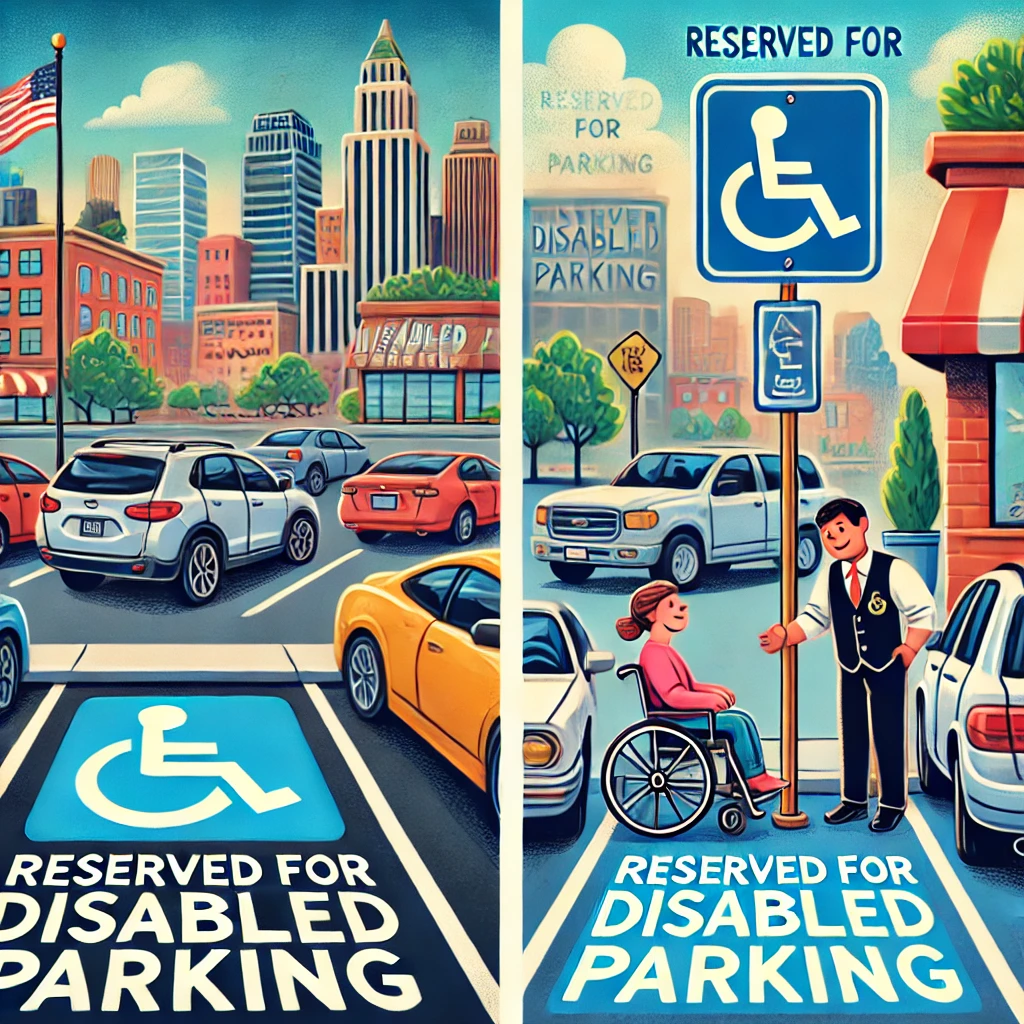
Advocacy is more than just a catchphrase in the modern quest for equality; it is a powerful tool that has consistently transformed the theoretical framework of rights into tangible realities. For individuals with disabilities, advocacy plays an essential role in bridging the gap between the stipulations of the Americans with Disabilities Act (ADA) and practical day-to-day applications. ADA gives individuals with disabilities the legal backing to demand equal access and opportunities. Still, the real-world application of these rights often necessitates a relentless drive for advocacy. In this enlightening journey through case studies and real-world applications, we will delve into how advocacy ensures that ADA rights do not merely exist in theory but are actively practiced and enforced. Our exploration spans various contexts, including education, employment, housing, public accommodations, and technology. By examining these sectors, we cast light on how dedicated advocacy brings about transformative changes that not only fulfill legal mandates but also elevate the quality of life and inclusivity for people with disabilities.
Educational Advocacy: Breaking Down Barriers
Educational environments have been a focal point for advocacy efforts for individuals with disabilities. The ADA and the Individuals with Disabilities Education Act (IDEA) empower students with disabilities by providing them with the right to free and appropriate public education. However, the path to inclusive education is often fraught with challenges. Real-world applications of these rights necessitate advocates who understand the nuances of educational policies and can push for proper implementation. For instance, the landmark case of Endrew F. v. Douglas County School District highlighted the need for more than just trivial progress in educational plans for students with disabilities. It set a precedent that demanded significantly more from schools in terms of educational benefit for students with disabilities. Advocacy played a crucial role in this case not only in bringing attention to inadequate educational practices but also in ensuring that the ruling would have a widespread and lasting impact on education for students with disabilities. Through continuous advocacy, educational institutions are now more accountable and are striving to offer meaningful educational benefits tailored to the individual needs of students with disabilities, thereby turning theoretical rights into lived realities.
Employment Advocacy: Paving the Way for Equal Opportunities
The workplace often reflects the broader societal attitude towards individuals with disabilities. Despite legal frameworks such as the ADA that prohibit employment discrimination, advocacy remains vital in transforming the landscape. True advocacy in employment goes beyond just implementing rights; it is about achieving equity in hiring practices, workplace accommodations, and career advancement opportunities. Consider the case of EEOC v. DolGenCorp, where the Equal Employment Opportunity Commission (EEOC) sued Dollar General for failing to accommodate a cashier with a disability. The case underscored the necessity for employers to engage in meaningful conversations about reasonable accommodations rather than making hasty decisions based on stereotypes and assumptions. Such advocacy not only compelled compliance in this individual case but also sent a reverberating message throughout the corporate sphere about the importance of accommodating individuals with disabilities. Through sustained efforts and the use of success stories from cases like these, advocacy continuously molds an employment landscape where individuals with disabilities can thrive professionally, with their rights and contributions both fully acknowledged and valued.

Housing Advocacy: Building Inclusive Communities
Access to adequate housing remains a critical issue for many individuals with disabilities. The Fair Housing Act alongside the ADA offers protection against discrimination in housing. However, advocacy plays a pivotal role in ensuring that these rights are maintained and respected in real-world contexts. Organizations and advocates often step in to tackle instances where individuals with disabilities face barriers in securing fair housing. For example, a successful advocacy initiative led to changes in a local municipal policy that unjustly restricted housing options for individuals with disabilities. By rallying community support and leveraging media attention, advocates were able to transform restrictive zoning laws and promote the development of accessible housing facilities. These efforts exemplify how advocacy not only enforces legal rights but also actively participates in shaping policies and attitudes that foster inclusive communities. Housing advocacy, thus, bridges the gap between policy and practice, ensuring that individuals with disabilities can access housing that meets their needs and respects their rights.
Public Accommodations: Ensuring Accessibility for All
Public accommodations are critical in allowing individuals with disabilities to fully participate in everyday life. The ADA mandates that businesses and public entities ensure accessibility, yet advocacy is often required to address lapses in compliance. One notable example is the legal action taken against a major retail chain for its inadequate wheelchair accessibility. Advocacy groups played a crucial role in facilitating this legal challenge by gathering evidence, rallying community support, and working with legal experts. The result was not only heightened awareness of the importance of compliance with ADA standards but also a significant shift in corporate behavior as the retail chain undertook comprehensive measures to enhance accessibility across its stores. This case underscores the power of advocacy in transforming public accommodations from mere legal requirements into everyday norms and expectations. It highlights how persistent advocacy ensures that accessibility becomes an integral part of business operations, thereby enabling individuals with disabilities to engage in all aspects of public life with dignity and independence.
Technological Advocacy: Bridging the Digital Divide
In our increasingly digital world, access to technology is no longer a luxury but a necessity. The ADA extends to digital accessibility, but achieving true inclusivity in technology often requires proactive advocacy. Many individuals with disabilities encounter barriers in accessing websites, applications, and other digital platforms due to inadequate design considerations. Successful advocacy has resulted in tech giants revisiting and redesigning their platforms to be more inclusive. A notable case involved a leading technology company that was challenged because its website was not accessible to users with visual impairments. Through advocacy efforts, engaging directly with affected individuals and partnering with tech accessibility experts, the company made significant accessibility enhancements. They not only improved their website compatibility with screen readers but also set a precedent for others in the industry. This case exemplifies the transformative power of advocacy in the tech space, demonstrating that when rights are actively enforced through advocacy, the benefits extend beyond compliance to creating a more equitable digital environment for all users.
Conclusion
The journey from rights to reality is intricately tied to the power of advocacy. As we have seen across various sectors, advocacy is the driving force that translates the rights guaranteed by the ADA into real-world impact. Each case study presented illustrates how dedicated advocacy not only holds institutions accountable but also initiates widespread change that enhances the lives of individuals with disabilities. The role of advocacy continues to be vital, as it ensures that the promises of the ADA are fulfilled and that individuals with disabilities are not mere spectators but active participants in shaping a society that values accessibility and inclusion. Moving forward, it is crucial for all stakeholders—governments, businesses, educational institutions, and the general public—to support and engage in advocacy initiatives. By doing so, we collectively contribute to a future where the rights of individuals with disabilities are fully realized, respected, and celebrated. In the end, advocacy is not just about compliance with legal stipulations; it is about fostering a world that genuinely embraces the diversity and potential of all its members.
Frequently Asked Questions
1. What is the role of advocacy when it comes to transforming rights into reality?
Advocacy serves as a critical conduit through which theoretical rights are converted into practical outcomes. While legislation like the Americans with Disabilities Act (ADA) provides the legal foundation for equal opportunities and access to resources, it’s advocacy that actively promotes and ensures these rights are fully implemented in daily life. Advocates work tirelessly to raise awareness, push for policy changes, and support individuals in navigating systems that can be intimidating or inaccessible on their own. They bridge the gap between what is promised and what is practiced, ensuring that individual stories and needs are heard and addressed meaningfully. Advocacy provides the voice and the action necessary to translate policies into daily, lived experiences where people truly experience equality and inclusion.
2. How does advocacy impact the practical application of the ADA for individuals with disabilities?
The Americans with Disabilities Act is a comprehensive piece of legislation designed to prohibit discrimination and ensure equal opportunity. However, without advocacy, these rights may not always be realized on the ground. Advocacy organizations and individuals work to educate both the disabled community and employers, landlords, and service providers about ADA requirements and potential accommodations. This education helps to dismantle barriers and fosters an environment where compliance with the ADA is actively pursued rather than reluctantly adhered to. By advocating for clear communication, proper facilities, and program accommodations, advocacy helps transform the abstract ideas of accessibility and equal rights into practical, everyday realities. They ensure that individuals with disabilities are not just learning about their rights, but experiencing them in action, right in their communities.
3. Why is public awareness a significant aspect of advocacy in transforming rights into reality?
Public awareness is a cornerstone of effective advocacy. By raising awareness about the existence and importance of rights like those guaranteed under disability laws, advocacy works to shift public perception and reduce stigma. Educated communities are more supportive and understanding, often becoming allies in the advocacy process themselves. Awareness campaigns can illuminate the challenges faced by individuals with disabilities, fostering empathy and comprehension which are crucial for meaningful social change. Moreover, an informed public is often more open to supporting policy changes and allocating resources toward initiatives that promote equity. In essence, public awareness helps create a societal culture that values and enforces the rights of all its members, ensuring these rights are more than just written words, but are lived and upheld consistently.
4. Can you give examples of effective advocacy strategies used to transform rights into reality?
Effective advocacy takes many forms, from grassroots movements and protests to policy lobbying and educational campaigns. One successful strategy is coalition building, where various organizations and groups come together to amplify their voices and strengthen their impact. For example, disability rights groups will often align with other civil rights organizations to push for inclusive legislation and better enforcement of existing laws. Media campaigns are also powerful tools. Whether through traditional media or social media platforms, they can raise awareness and mobilize public opinion quickly. Additionally, direct engagement through workshops, seminars, and community forums allows advocates to educate policymakers and the public. Storytelling, too, is a compelling strategy, as it bridges the gap between socially distant policy discussion and the vivid, personal stories of those affected. Personal stories can humanize statistics and galvanize support for the cause. Each of these strategies creates ripples that transform rigid policies into vibrant, living practices that honor individual dignity and freedom.
5. How do advocacy efforts help in maintaining the momentum for social change?
Advocacy efforts are essential in maintaining momentum for social change as they continuously reinforce the importance of rights and highlights areas needing improvement. By staying active and visible, advocacy groups ensure that issues remain at the forefront of political and social agendas. Regularly publishing reports and studies can show progress and highlight ongoing challenges, reminding the public and decision-makers of the work that remains. Advocacy groups also organize regular events such as rallies, forums, and conferences to keep the conversation alive. Importantly, they engage with changing technology and social platforms to reach new generations of advocates and keep the movement evolving. By maintaining a dynamic presence and effectively responding to new developments, advocacy keeps the momentum alive and ensures that transformative change continues to progress and adapt to future challenges.