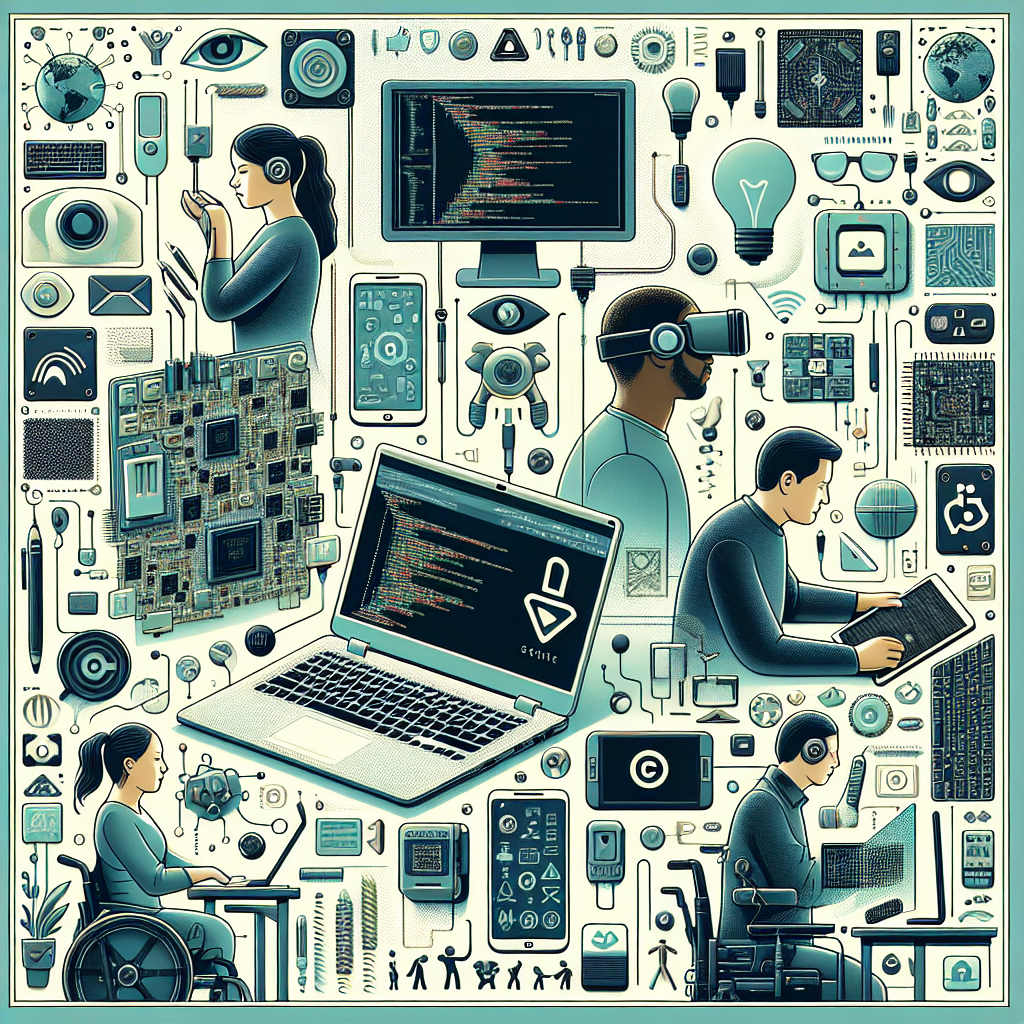
The Americans with Disabilities Act (ADA), enacted in 1990, has been a cornerstone in the fight for the rights and equality of individuals with disabilities in the United States. This landmark piece of legislation has spurred significant advancements in accessibility, ensuring that people with disabilities can engage with and contribute to society more equitably. One of the remarkable areas of growth facilitated by the ADA is the development of assistive technologies. These technologies range from basic mobility aids to sophisticated communication tools, radically transforming the lives of millions. As we continue to push the boundaries of innovation, one of the most promising frontiers is eye tracking technology.
Eye tracking technology, which records the movement and focus of a person’s eyes, is a game-changer in the realm of assistive tech. Driven by advancements in both hardware and software, eye tracking opens a universe of possibilities for individuals with limited mobility, speech impairments, and other disabilities. By using their eyes as a control mechanism, users can interact with computers, smartphones, and other digital devices in ways that were previously unimaginable.
This article will delve into the current state and future potential of eye tracking technology within the domain of assistive technology. We will explore how this technology aligns with the ADA’s goals, the specific benefits it offers to people with disabilities, the challenges facing widespread adoption, and the innovative projects that are shaping the future of this field. Join us as we journey through the intricate world of eye tracking and its role in fostering a more accessible and inclusive society.
Current State of Eye Tracking Technology
The current landscape of eye tracking technology is characterized by a blend of sophisticated hardware and intuitive software. Traditionally used in fields such as psychology, marketing, and usability studies, eye tracking is now being adapted to meet the unique needs of assistive technology users. Devices range from simple infrared sensors that track eye movement to more advanced systems that gauge pupil dilation and gaze focus with high precision.
One of the pivotal advancements in recent years has been the miniaturization and affordability of eye tracking hardware. Companies like Tobii and Eyetech have made significant strides in creating compact, cost-effective devices that can be integrated into everyday consumer electronics. For example, Tobii’s EyeMobile offers a portable eye tracking solution that can be connected to a tablet, enabling users to navigate and control the device solely with their eye movements.
On the software front, innovations are equally noteworthy. Modern eye tracking software utilizes advanced algorithms and machine learning to accurately interpret eye movements and translate them into actionable commands. This has led to the development of user-friendly interfaces that require minimal calibration and can adapt to the unique needs of each individual. For instance, EyeGaze Edge, a renowned eye tracking system, allows users with severe physical impairments to communicate, control their environment, and access the internet with remarkable ease.
Moreover, the emergence of eye tracking as a standard feature in commercial products highlights its growing accessibility. High-end laptops and virtual reality headsets increasingly come equipped with built-in eye tracking, setting the stage for broader adoption. As this technology becomes more mainstream, it’s evident that we’re just scratching the surface of its potential in the realm of assistive technology.
The ADA’s Role in Advancing Eye Tracking Technology
The Americans with Disabilities Act (ADA) has been instrumental in driving the development and implementation of assistive technologies, including eye tracking. By mandating reasonable accommodations and advocating for equitable access to information and communication technologies, the ADA has laid the groundwork for significant technological advancements.
Under the ADA, employers, educational institutions, and public services are required to provide accommodations that enable individuals with disabilities to perform essential functions. This mandate extends to digital accessibility, ensuring that websites, software, and electronic devices are usable by all. Eye tracking technology serves as an exemplary tool in meeting these requirements, offering a sophisticated means of interaction for people with various disabilities.
Moreover, funding provisions and grants associated with the ADA have made it possible for research institutions and tech companies to explore innovative solutions in assistive technology. Financial support from government programs, along with partnerships between public and private sectors, has fueled the rapid development and dissemination of eye tracking devices. This synergy between legislative mandates and technological innovation underscores the ADA’s crucial role in shaping the future of assistive technology.
Additionally, the ADA’s emphasis on inclusivity and universal design principles aligns seamlessly with the goals of eye tracking technology. Universal design advocates for products and environments that are inherently accessible to all people, regardless of ability. Eye tracking technology epitomizes this concept, enabling users to engage with digital interfaces without relying on traditional input methods like keyboards and mice.

Benefits of Eye Tracking for People with Disabilities
Eye tracking technology presents a myriad of benefits for individuals with disabilities, offering enhanced autonomy and improved quality of life. By leveraging the capabilities of this technology, users can perform tasks that were previously challenging or impossible, thus fostering greater independence.
One of the most significant advantages of eye tracking is its ability to facilitate communication for individuals with speech impairments. Devices like EyeGaze Edge and Tobii Dynavox enable users to compose and transmit messages using just their eye movements. This capability is particularly transformative for individuals with conditions like amyotrophic lateral sclerosis (ALS), cerebral palsy, and spinal cord injuries.
Another compelling benefit is the enhanced control over digital environments. Eye tracking systems allow users to navigate websites, control smart home devices, and operate software applications without physical input. This hands-free interaction empowers individuals with limited motor functions to engage with technology on their terms, breaking down barriers to digital inclusion.
Educational opportunities are also significantly expanded through eye tracking technology. Students with disabilities can access learning materials, participate in virtual classrooms, and complete assignments using eye-controlled devices. This not only promotes academic success but also fosters social inclusion and interaction with peers.
Moreover, eye tracking can play a critical role in recreational activities and entertainment. Devices equipped with eye tracking enable users to play video games, watch movies, and explore virtual reality environments, providing a much-needed outlet for relaxation and enjoyment. The mental and emotional well-being of individuals with disabilities is thus greatly enhanced through these inclusive recreational opportunities.
In essence, eye tracking technology acts as a bridge, connecting individuals with disabilities to the digital world in ways that are intuitive, effective, and empowering. The ongoing advancements in this field promise to further amplify these benefits, creating a more inclusive society where technology serves the needs of all individuals.
Challenges and Barriers to Adoption
Despite its promising potential, the widespread adoption of eye tracking technology in assistive applications faces several challenges and barriers. Addressing these hurdles is essential to ensure that the technology is accessible and beneficial to all who need it.
One of the primary challenges is the cost of eye tracking devices. Although prices have decreased over the years, high-quality systems remain expensive, making them inaccessible to many individuals and organizations. Funding and insurance coverage often fall short, leaving a significant gap in affordability. Efforts to make eye tracking technology more economically viable are crucial to its broader adoption.
Additionally, there are technical challenges related to the accuracy and reliability of eye tracking systems. Variability in eye movement patterns, lighting conditions, and user posture can affect the performance of these devices. Ensuring consistent and precise tracking requires ongoing refinement of both hardware and software solutions.
User training and support are also significant concerns. For individuals who are new to eye tracking technology, the learning curve can be steep. Providing comprehensive training and technical support is essential to help users become proficient and comfortable with the devices. This includes creating instructional materials, offering hands-on training sessions, and establishing responsive customer support channels.
Another barrier is the lack of standardization across different eye tracking systems. Variations in design, interface, and functionality can create confusion and hinder interoperability. Developing standardized protocols and guidelines can facilitate smoother integration and use of eye tracking technology across various platforms and applications.
Lastly, awareness and acceptance of eye tracking technology in assistive contexts need to be boosted. Many potential users, caregivers, and professionals remain unaware of the capabilities and benefits of this technology. Outreach efforts, educational campaigns, and demonstrations can help raise awareness and drive acceptance.
By addressing these challenges, we can pave the way for more widespread and impactful use of eye tracking technology in assistive applications. Collaborative efforts among researchers, developers, policymakers, and advocacy groups are vital to overcoming these barriers and realizing the full potential of this transformative technology.
Innovative Projects and Future Directions
The field of eye tracking technology is brimming with innovative projects that are pushing the boundaries of what’s possible in assistive applications. These cutting-edge initiatives are shaping the future of eye tracking, offering new opportunities for people with disabilities to interact with technology more seamlessly and effectively.
One notable project is Project Iris, spearheaded by Google. This initiative aims to integrate advanced eye tracking capabilities into augmented reality (AR) glasses. By leveraging AR and eye tracking, Project Iris seeks to create a highly intuitive and immersive user experience, enabling individuals with disabilities to interact with digital content and real-world environments in unprecedented ways.
Another groundbreaking endeavor is the EyeControl project, which focuses on creating a wearable eye tracking device specifically designed for people with ALS and other conditions that limit movement and speech. This device enables users to communicate using a portable, lightweight system that can be worn throughout the day. EyeControl harnesses the power of artificial intelligence to enhance accuracy and responsiveness, offering a reliable communication tool for individuals with severe disabilities.
In the realm of gaming, the EyeCanDo project is making waves by developing eye-controlled video games that are accessible to players with physical disabilities. By incorporating eye tracking into game design, EyeCanDo provides an inclusive gaming experience, allowing users to participate in interactive entertainment regardless of their motor abilities. This project exemplifies the potential of eye tracking to revolutionize not only practical applications but also recreational activities.
Looking ahead, the future of eye tracking technology in assistive applications holds even more promise. Advances in machine learning and artificial intelligence are poised to enhance the precision and adaptability of eye tracking systems. These technologies can enable more personalized and context-aware interactions, tailoring the user experience to individual needs and preferences.
Moreover, the integration of eye tracking with other emerging technologies, such as brain-computer interfaces (BCIs) and neuroprosthetics, opens up new possibilities for assistive applications. Combining eye tracking with BCIs can create more comprehensive and versatile control systems, offering individuals with severe disabilities a broader range of interaction options.
The ongoing convergence of different technological domains underscores the transformative potential of eye tracking technology. As these innovative projects and future directions continue to unfold, we can anticipate a future where eye tracking plays a central role in creating a more accessible and inclusive digital landscape.
Conclusion
The Americans with Disabilities Act (ADA) has been a driving force in the advancement of accessibility and assistive technology. Eye tracking technology, with its potential to revolutionize how individuals with disabilities interact with the digital world, represents a significant stride toward achieving the ADA’s vision of inclusivity and equal access.
As we’ve explored in this article, the current state of eye tracking technology showcases a blend of sophisticated hardware and software that cater to diverse needs. The ADA’s role in supporting the development and dissemination of this technology underscores the importance of legislative backing in driving innovation and accessibility.
The benefits of eye tracking for people with disabilities are profound, offering enhanced communication, greater control over digital environments, expanded educational opportunities, and enriched recreational experiences. These advantages underscore the transformative impact of eye tracking technology in improving the quality of life and fostering independence for individuals with disabilities.
However, challenges and barriers to adoption remain. Addressing issues related to cost, technical performance, user training, standardization, and awareness is essential to ensure that eye tracking technology reaches its full potential and benefits a broader range of users.
Innovative projects and future directions in eye tracking technology demonstrate the exciting possibilities that lie ahead. From augmented reality and wearable communication devices to inclusive gaming experiences and advanced machine learning integrations, the field is poised for continued growth and innovation.
In conclusion, the future of eye tracking in assistive technology is bright, with the potential to significantly enhance accessibility and inclusivity for individuals with disabilities. As we continue to push the boundaries of what eye tracking can achieve, we move closer to a world where technology truly serves the needs of all individuals, embodying the spirit and goals of the ADA.
Frequently Asked Questions
1. What is eye tracking technology and how does it benefit assistive technology?
Eye tracking technology refers to the ability to measure where a person is looking, often by analyzing the position and movement of the eyes. This technology can significantly benefit assistive technology by providing a non-invasive method for individuals with disabilities to interact with digital devices. For instance, those who have limited hand movement or control, such as individuals with ALS or cerebral palsy, can use eye tracking to control a computer, communicate with loved ones, or even operate smart home devices.
By tracking eye movements, the technology enables users to navigate interfaces, select options, and perform complex tasks without needing traditional input devices like keyboards or mice. This inclusion not only enhances independence but also boosts overall quality of life by allowing users to more fully engage with their world – be it for work, education, or leisure.
2. How has the ADA influenced the integration of eye tracking technology in assistive devices?
Since its enactment, the ADA has served as a catalyst for the adoption and integration of various assistive technologies, including eye tracking. By advocating for inclusivity and promoting equal access, the ADA has encouraged the development and deployment of technologies that bridge gaps in accessibility. Eye tracking has been one such innovative leap, providing new pathways for individuals with mobility or speech impairments to interact with their environment.
Developers and producers of technological aids are increasingly aware of the regulatory environment the ADA has created. This awareness drives innovation in creating smart – and compliant – solutions that meet the diverse needs of users, thereby expanding the scope and effectiveness of assistive technologies.
3. What advancements in eye tracking technology can we expect to see in the future?
Looking to the future, eye tracking technology is poised to become more refined and accessible. Key advancements likely include improved accuracy and responsiveness, which will enhance user experience and broaden the technology’s applicability. Additionally, as artificial intelligence and machine learning algorithms grow more sophisticated, eye tracking systems will become adept at recognizing subtle eye movements, thereby offering more intuitive and natural interactions.
Beyond hardware improvements, we can anticipate more seamless integration with other assistive technologies, such as voice recognition or neurointerfaces, providing comprehensive solutions for those with unique needs. Moreover, costs will likely decrease as technology becomes more commonplace, making eye tracking more attainable across different socio-economic backgrounds.
4. Are there any privacy concerns with the use of eye tracking technology in assistive devices?
As with any technology that collects personal data, privacy is a significant concern in the realm of eye tracking. This technology can capture and record extensive data regarding a user’s habits and preferences, which, if mishandled, could lead to privacy infringements. To address these concerns, developers and companies must implement robust security measures and transparent data policies to safeguard user information.
Furthermore, regulatory frameworks like the ADA and GDPR (General Data Protection Regulation) are instrumental in establishing guidelines and obligations for those handling such sensitive data. Users and stakeholders must remain vigilant and knowledgeable about their rights and the security protocols in place to protect their personal information.
5. How can eye tracking technology be made more accessible to those in need?
For eye tracking technology to be more accessible, several key steps need to be taken. First, reducing the cost of production through technological innovations and economies of scale can make devices more affordable. Manufacturers could also consider subsidies from governments or non-profit organizations focused on disability rights to lower the end-user cost.
Next, awareness and education about the benefits and usage of eye tracking technology must reach potential users and care providers. Training programs and support initiatives can assist in breaking down the knowledge barriers that currently impede wider usage. Community outreach and demonstrations can foster interest and willingness to adopt these technologies.
Lastly, a concerted effort to interface seamlessly with existing healthcare systems will ensure that individuals who can benefit from eye tracking can access it through standard healthcare channels. This integration will likely involve partnerships and collaborations between tech companies and medical professionals, ensuring the technology is both accessible and tailored to user’s medical and personal needs.