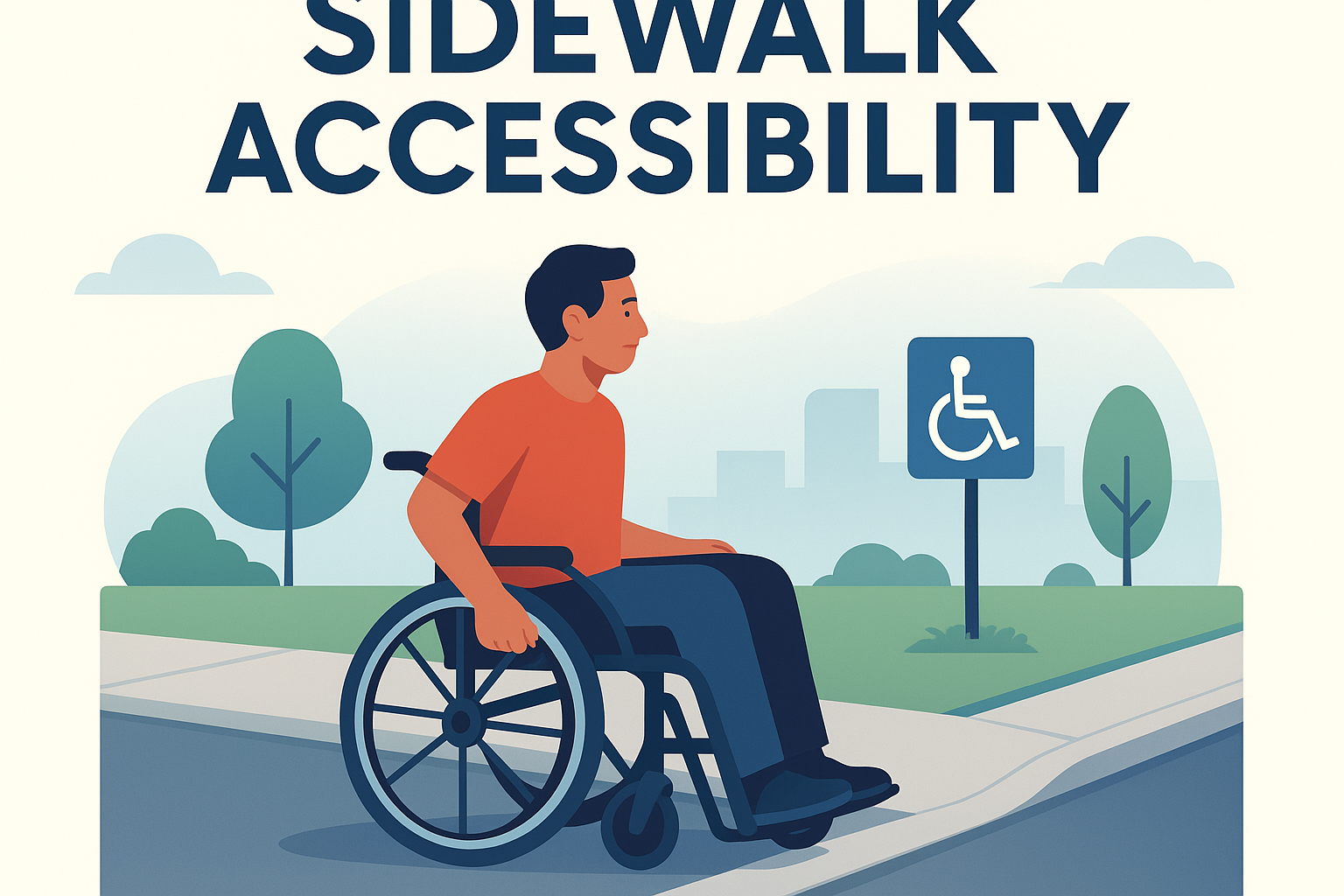
The Barden v. Sacramento case signifies a milestone in the landscape of disability rights in the United States, particularly concerning the accessibility of sidewalks. This case emerged in the early 2000s, guarding the rights of individuals with disabilities to safely access public walkways, an area previously lacking sufficient legal coverage. In an era focused on inclusivity and equality, the ruling holds considerable importance. The decision, which mandated that cities maintain sidewalks in ways that ensure they are usable by people with disabilities, helped bridge a crucial gap in the Americans with Disabilities Act (ADA). Understanding the details of this case not only sheds light on its historical importance but also underscores the responsibilities of municipalities to provide equal access to public infrastructure.
Accessibility refers to the comprehensive design and implementation of environments, products, and services that ensure all individuals, including those with disabilities, can access and use them. For urban planners and local government officials, ensuring sidewalk accessibility means incorporating ramps, tactile paving for visually impaired individuals, proper maintenance to prevent obstructions, and clear signage. This is paramount since sidewalks are the arteries of our communities, providing vital access to opportunities such as work, education, and leisure activities.
The landmark decision in Barden v. Sacramento necessitated that the city of Sacramento repair and maintain its sidewalks to ensure they were accessible to people with disabilities. This case holds critical importance as it set a precedent, influencing numerous municipalities to evaluate and improve their own sidewalk accessibility practices. The ripple effect of this decision has impacted countless lives by fostering inclusivity and mobility for people with disabilities. Understanding its implications helps urban planners, policymakers, and advocates worldwide continue to advance the agenda for universal accessibility.
Background of Barden v. Sacramento
The origin of the Barden v. Sacramento case lies in the early 2000s when several residents with disabilities initiated a lawsuit against the city of Sacramento. They alleged that the city’s sidewalks were significantly impeding their movement due to barriers such as uneven pavement, lack of curb ramps, and obstructions. This lawsuit was grounded in the provisions of the Americans with Disabilities Act (ADA) of 1990, which mandates non-discrimination on the basis of disability in public accommodations and services.
James Barden, a key plaintiff, argued that the city’s failure to maintain accessible sidewalks violated the ADA’s mandate for public entities to ensure accessible routes for individuals with disabilities. As this case unfolded, it brought to light widespread neglect of sidewalk maintenance in municipalities across the nation, propelling public discourse on the necessity of comprehensive accessibility standards.
Ultimately, the courts ruled in favor of the plaintiffs, compelling Sacramento to allocate resources to evaluate and alter its sidewalk infrastructure. The implications of this decision extended far beyond Sacramento, influencing cities nationwide to revisit their approaches to sidewalk maintenance and ensure compliance with ADA standards.
Impact on Urban Planning and Municipal Policies
The ruling in Barden v. Sacramento served as a wake-up call for urban planners and municipal officials, highlighting the pressing need to prioritize accessible infrastructure. This case demonstrated the legal and ethical responsibility cities have to ensure their public spaces are accessible to everyone, regardless of physical ability. The ruling prompted municipalities to develop action plans and allocate funding specifically for making public walkways ADA-compliant.
To illustrate, cities like Seattle and Los Angeles took significant steps to improve sidewalk accessibility post-Barden. These cities implemented comprehensive audits of existing sidewalk conditions, engaged with disability advocacy groups for feedback, and allocated substantial funds for necessary improvements. There has been a marked increase in the installation of curb ramps, tactile paving, and other assistive features in urban areas, as well as prosecution of similar lawsuits to those seen in Sacramento, leading to enhancements in the accessibility of sidewalks and public spaces.
- Introduction of systematic surveys to assess sidewalk conditions regularly.
- Increased funding for maintenance and improvements of sidewalks.
- Adoption of inclusive design principles in urban planning.
- Enhanced community engagement processes to include feedback from individuals with disabilities.
The following table demonstrates how these initiatives have been structured in various cities post-Barden:
| City | Initiative | Description | Impact |
|---|---|---|---|
| Seattle | Access Seattle | Focused on enhancing accessibility and maintaining sidewalk infrastructure. | Improved sidewalk conditions, increased accessibility. |
| Los Angeles | Safe Routes to School | Ensured safe, accessible routes for students, including sidewalk improvements. | Increased school attendance and improved community accessibility. |
| New York City | Pedestrian Ramp Program | Installation of curb ramps throughout the city for greater accessibility. | Significant increase in accessible routes for individuals with disabilities. |
Legal Implications and Nationwide Influence
The influence of the Barden v. Sacramento ruling was not confined to changes in urban planning; it also instigated a series of legal actions aimed at enforcing ADA compliance. The case underscored the obligation of public entities to make existing infrastructure accessible, setting a precedent for similar litigation across the United States. This legal shift compelled public agencies to acknowledge their role in discriminating against individuals with disabilities by maintaining non-accessible infrastructure.
Taking note of the Sacramento case, cities like Chicago and San Francisco faced their own lawsuits, urging them to reexamine their sidewalk infrastructures. These cases emphasized the nation’s commitment to accessibility, reinforcing the ADA’s original intent. State and local governments became increasingly vigilant about ADA compliance, not merely as a legal requirement but as a social obligation to ensure equitable access for all citizens.
Technological Innovations in Accessibility Solutions
Post-Barden, technological innovations have been pivotal in transforming the landscape of sidewalk accessibility. Advances in technology have provided new tools and methods for cities to enhance their infrastructure and ensure compliance with accessibility standards. Geographic Information Systems (GIS), for instance, have become essential in mapping and monitoring sidewalk conditions. By utilizing GIS, cities can efficiently assess and prioritize areas requiring immediate attention.
Furthermore, innovations in construction materials and techniques have made it feasible to develop more durable and accessible sidewalks. Self-healing concrete and permeable pavements are examples of materials that offer longevity and reduced maintenance costs. Additionally, smart city technologies with integrated sensors and data analytics provide real-time information on sidewalk conditions, helping city authorities respond promptly to accessibility issues.
The Barden v. Sacramento decision not only altered the present state of sidewalk accessibility but also catalyzed future developments, encouraging continuous improvements through technological advancements.
Community Involvement and Awareness
One of the enduring effects of the Barden v. Sacramento ruling is the increased community engagement and awareness surrounding accessibility issues. Public awareness campaigns, educational programs, and partnerships with disability rights organizations have led to more informed communities advocating for better accessibility standards. Residents are now more inclined to report accessibility issues, participate in city planning discussions, and hold municipal governments accountable for maintaining ADA compliance.
The involvement of community members in the planning and implementation phases of sidewalk improvements ensures that the unique needs of all individuals are considered. This participatory approach has been instrumental in creating inclusive urban environments that reflect the values of equality and accessibility.
Long-term Benefits and Challenges
While the Barden v. Sacramento decision has unquestionably advanced sidewalk accessibility, several challenges must be addressed to sustain and build upon these achievements. Identifying stable funding sources remains a significant challenge for many cities, as the costs associated with revamping and maintaining ADA-compliant infrastructure can be substantial. Additionally, balancing immediate repair needs with long-term planning requires strategic foresight and dedicated resources.
Despite these challenges, the long-term benefits of improved sidewalk accessibility are profound. Enhanced mobility and independence for individuals with disabilities contribute to greater social and economic participation. Moreover, accessible sidewalks benefit all community members, including parents with strollers, the elderly, and individuals with temporary injuries.
Conclusion: Moving Forward from Barden v. Sacramento
The case of Barden v. Sacramento stands as a monumental step forward in the quest for universal sidewalk accessibility. The changes prompted by this decision have laid the groundwork for more equitable and inclusive urban environments, reflecting the values of accessibility and equality at the heart of the Americans with Disabilities Act. This case serves as a reminder of the ongoing journey toward inclusivity, highlighting the legal and moral imperative to provide equitable access for all.
For cities and individuals alike, the path forward involves continued advocacy, investment, and innovation. Policymakers must remain committed to enforcing and expanding ADA compliance, while community members must actively participate in dialogues concerning accessibility improvements. Together, these efforts will ensure that the promise of the Barden v. Sacramento ruling is fully realized, paving the way for accessible sidewalks and cities that welcome all individuals, regardless of their abilities.
It is up to each of us to ensure that the principles established by this landmark case continue to shape the future of our communities. By understanding the significance of Barden v. Sacramento, embracing its lessons, and taking meaningful steps forward, we can create a built environment that genuinely reflects the diversity and inclusivity of our society.
Frequently Asked Questions
1. What is the Barden v. Sacramento case about?
The Barden v. Sacramento case is a significant legal proceeding that became a cornerstone in the fight for disability rights in the United States, specifically addressing accessibility issues concerning public sidewalks. Arising in the early 2000s, this case revolved around ensuring that individuals with disabilities have safe and equitable access to sidewalks and public walkways. Before this case, the area of sidewalk accessibility did not have sufficient legal recognition or mandates, which left many individuals with disabilities without reliable access to essential public infrastructure. By addressing this gap, the case emphasized the need for comprehensive measures to enhance city infrastructure inclusivity, reflecting evolving societal values of equality and access for all citizens.
2. Why is the Barden v. Sacramento case considered a milestone for sidewalk accessibility?
The Barden v. Sacramento case is considered a milestone for sidewalk accessibility because it set a legal precedent reinforcing that cities are responsible for maintaining their sidewalks in a manner that ensures accessibility for individuals with disabilities. This case underscored the necessity for local governments to actively work towards removing physical barriers that impede the mobility of individuals reliant on wheelchairs, scooters, or other mobility aids. Prior to this ruling, many cities did not prioritize sidewalk accessibility, often leaving cracks, obstructions, and uneven surfaces unaddressed. The decision in this case marked a foundational shift, mandating municipalities to consider the needs of all citizens in their urban planning and maintenance measures, significantly influencing how cities approach infrastructure development and rehabilitation.
3. How did the ruling in Barden v. Sacramento impact local governments?
The ruling in Barden v. Sacramento placed a direct obligation on local governments to ensure their sidewalks are accessible to individuals with disabilities. This legal obligation meant cities had to allocate resources and funding toward repairing existing sidewalks and planning new constructions with accessibility in mind. Many governments were required to conduct comprehensive assessments of their existing infrastructure to identify accessibility barriers and develop strategic plans to address these issues. Additionally, the ruling emphasized accountability, ensuring that public spaces are maintained to a standard that accommodates all individuals, thereby prompting city planners to integrate inclusive practices into future urban development projects. By mandating compliance with accessibility standards, the ruling helped cultivate a greater awareness and prioritization of disability rights within local government operations.
4. What challenges did cities face in implementing the changes mandated by the Barden v. Sacramento ruling?
Implementing the changes mandated by the Barden v. Sacramento ruling presented cities with a series of challenges, primarily due to financial, logistical, and practical considerations. For many municipalities, identifying the extent of the necessary changes required extensive audits of existing sidewalk conditions which could be resource-intensive and time-consuming. Financial constraints often posed significant barriers as cities had to secure funding to prioritize and complete the needed upgrades in a timely manner. Additionally, balancing these new obligations with other urban projects required careful planning and communication across various departments. Cities had to work closely with disability advocates and community members to ensure renovations met the genuine needs of the disabled population, fostering collaboration while facing the realities of urban economic constraints and prioritization of diverse infrastructure projects.
5. What broader societal implications arose from the Barden v. Sacramento decision?
The broader societal implications of the Barden v. Sacramento decision extend well beyond the immediate realm of sidewalk accessibility, shaping the overall discourse on disability rights and inclusivity in public spaces. By legally mandating accessibility requirements, the case highlighted the importance of inclusivity as a critical factor in public planning and urban development policies. It also contributed to a shift in societal attitudes toward understanding accessibility as a civil right, promoting the notion that public spaces must accommodate all individuals regardless of physical ability. The case set a precedent for future disability rights advocacy, encouraging similar legal actions applicable to various aspects of public infrastructure, thus fostering an urban environment that values diversity and inclusivity as essential components of vibrant and equitable communities. Additionally, the decision reinforced the concept that accessibility is an ongoing responsibility that requires sustained efforts and attention from all levels of government and society to continually meet evolving needs and standards.