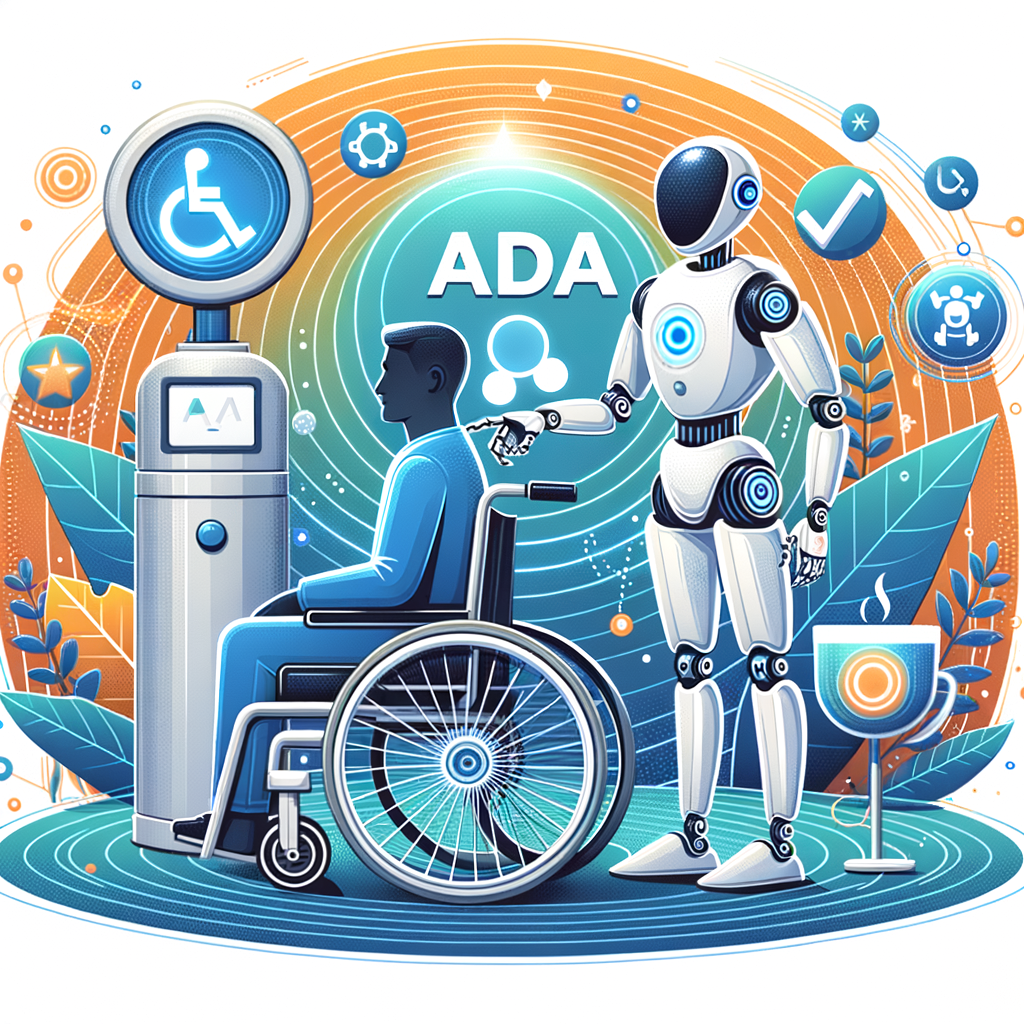
The Americans with Disabilities Act (ADA) has been instrumental in ensuring the civil rights of individuals with disabilities since its enactment in 1990. With core principles focused on prohibiting discrimination based on disability, promoting accessibility, and ensuring equal opportunities, the ADA has profoundly influenced numerous aspects of daily life in the United States. As the fields of robotics and artificial intelligence (AI) rapidly advance, translating these principles to new technologies is crucial. Robotics and AI applications are increasingly prevalent, from assisting those with physical disabilities through exoskeletons to providing companionship and support through AI-controlled robots. Consequently, developers and legislators must consider the implications of the ADA in these burgeoning fields. By examining robotics and AI through the lens of disability rights, stakeholders can ensure that advancements serve to enhance accessibility and inclusivity, rather than inadvertently creating new barriers. This article delves into the intersection of ADA regulations and the expanding domains of robotics and AI, exploring the implications for individuals with disabilities.
The Role of the ADA in Shaping Technology
The ADA fundamentally reshaped societal attitudes towards disability, emphasizing empowerment and inclusion. Over the years, it has set a precedent for addressing technological barriers faced by individuals with disabilities. For instance, web accessibility standards were heavily motivated by ADA principles. As technology evolves, the ADA’s influence persists by underlining the importance of inclusive design strategies. In robotics and AI, the same foundational values must be upheld. Both fields have the potential to revolutionize autonomy and quality of life for people with disabilities. However, without adherence to ADA guidelines, they risk marginalizing the very groups they propose to benefit. For example, AI algorithms could unknowingly perpetuate biases if not carefully designed with disability considerations. By leveraging ADA standards, developers can proactively identify and address potential oversights in these technologies, ensuring that they facilitate access, rather than hinder it.
Robotics and Accessibility
Robotics offers immense possibilities to enhance the lives of those with physical disabilities. With innovations like robotic prosthetics, exoskeletons, and mobility aids, individuals gain new levels of independence. However, these innovations must be developed with accessibility in mind to fulfill ADA mandates. A robotic aid that is not user-friendly negates its benefit, as ease of use is critical for widespread adoption. Furthermore, affordability is a significant factor under the ADA. While the ADA does not directly mandate cost structures, it focuses on reasonable accommodation, suggesting that new technologies should be accessible to low-income individuals with disabilities. Developers must, therefore, balance technological sophistication with pragmatic affordability to ensure inclusivity. Ensuring that legislation supports the reduction of costs through research grants or incentives could bolster this effort. As robotics continues to advance, its alignment with ADA principles will be imperative to its success in fostering comprehensive accessibility.
AI: Opportunities and Challenges in Disability Rights
Artificial Intelligence has a transformative potential in supporting individuals with cognitive and sensory disabilities. AI-driven software applications can assist those with hearing impairments through real-time transcription or translation, while vision-impaired individuals can benefit from AI technologies that convert visual data to audio descriptions. However, the deployment of AI also presents unique challenges in adhering to ADA guidelines. One significant concern is data privacy. AI systems often rely on extensive data to function effectively. Ensuring this information remains confidential is crucial, especially as many individuals with disabilities may already face stigmatization. The ADA’s fundamental requirement of non-discrimination must extend to these AI systems, ensuring they are built with privacy safeguards in place. Moreover, as AI decision-making becomes more integrated into daily lives, transparency and accountability become paramount. Developers must ensure that AI systems are devoid of bias, which could affect fair treatment. The intersection of AI capabilities and ADA principles requires an ongoing dialogue and collaboration among legislators, technologists, and disability advocates to address these multifaceted issues effectively.
Regulatory Considerations: Legislating for the Future
The rapid advancement in robotics and AI necessitates an evolution in regulatory frameworks to ensure compliance with ADA principles. Current legislations often struggle to keep pace with technological changes, leading to gaps in enforcement or guidance. Lawmakers must work proactively to bridge these gaps and anticipate future trends. Legal frameworks need to be adaptive, incorporating feedback from individuals with disabilities who interact with these technologies. One approach to this dynamic regulatory landscape is the inclusion of specific mandates that focus on the development and testing phases of robotic and AI applications. By embedding ADA compliance from inception, innovators can preemptively resolve potential accessibility barriers. Additionally, rigorous policymaking should extend beyond accessibility to encompass ethical considerations such as employment rights for persons with disabilities working alongside AI systems. Ensuring ADA compliance in robotics and AI is not just a technical challenge but an ethical imperative that reflects a commitment to enhanced equality in the digital age.
Educational and Collaborative Efforts
Education and collaboration are pivotal in marrying the goals of the ADA with advancements in robotics and AI. Educators must integrate disability rights into the curricula of engineering, technology, and artificial intelligence courses. By doing so, future developers are better prepared to create inclusive solutions that align with ADA standards. Beyond academia, collaboration between stakeholders is equally vital. This includes partnerships between tech companies, advocacy groups, and policymakers. Establishing forums or consortia dedicated to discussing these intersections provides a platform for sharing knowledge, addressing misconceptions, and promoting best practices. Such efforts can lead to standardization in the industry, enhancing ADA compliance across the board. Furthermore, involving individuals with disabilities in the design and testing phases ensures that these technologies meet real-world needs and expectations. Empowerment through education and collaboration ensures that advancements in robotics and AI reinforce, rather than weaken, the founding principles of the ADA.
Conclusion
The interplay between the Americans with Disabilities Act and the rapidly evolving fields of robotics and AI is a testament to society’s commitment to upholding disability rights in the face of technological change. By consistently embedding ADA principles within these innovations, we take significant steps towards achieving true inclusivity. The potential of robotics and AI to transform the lives of individuals with disabilities is boundless, offering enhancements in independence and quality of life. However, with this potential comes the responsibility to ensure technologies do not inadvertently create new challenges. As market pressures drive technological evolution, it is imperative that stakeholders—be they developers, legislators, or advocates—remain vigilant and proactive. Reflecting ADA values in every phase of technology development not only safeguards rights but also promises richer, more nuanced interactions between humans and machines. This ongoing commitment to disability rights will ensure that technological progress remains a force for good, dismantling barriers and fostering equality for all.