In recent years, the focus on accessibility and inclusivity in public transportation has significantly increased. This growth aligns with the growing conversation surrounding the rights and needs of individuals with disabilities, the elderly, or those with temporary mobility challenges. Public transportation systems play a vital role in facilitating the mobility of citizens, offering a lifeline to essential services such as healthcare, education, and employment. The integration of technology into these systems, therefore, represents not merely a trend but a critical advancement towards fostering an equitable society where transportation barriers are minimized. As cities expand and populations grow, the demands on public transportation systems increase exponentially. Simply increasing the number of vehicles or routes is not sufficient. We require smarter, more efficient solutions to ensure accessibility for everyone. Hence, integrating technology into public transportation can massively impact accessibility by delivering customized, responsive, and flexible services.
This article will delve into various technological solutions revolutionizing accessibility in transportation, the challenges in implementing these solutions, and their societal impacts. Technology’s promising advancements provide unprecedented support in designing public transportation systems that cater to individuals with disabilities and everyone else. In doing so, they enhance the system’s efficiency and ensure that nobody is left behind. By reflecting on the current state of technology’s role in this sector, we can better understand how public transportation systems can move from being basic facilities to comprehensive civic utilities that embrace the diversity of human needs. In understanding how technological integration can advance public transport systems, we also explore significant examples of innovation and convergence across various modes of transport.
Smart Infrastructure and Devices
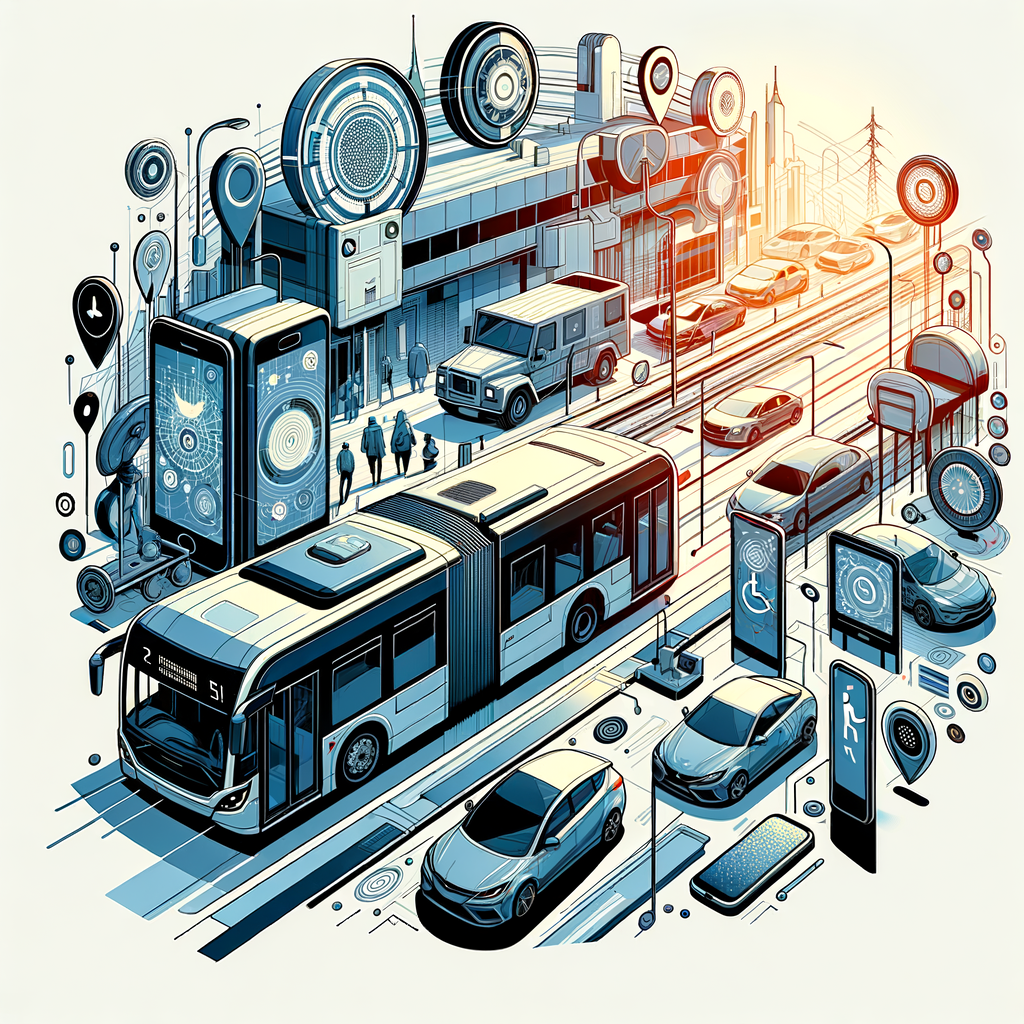
To begin with, infrastructure forms the backbone of any transportation system. The integration of smart infrastructure in the public transport domain fundamentally alters how accessibility is experienced. This includes the development of intelligent transport systems (ITS), which leverage various technologies, such as sensors and communication technologies, to enhance the efficiency and effectiveness of transportation services. An example is the implementation of smart traffic lights and crosswalk systems that adjust their timing based on real-time pedestrian traffic and vehicle flow, ensuring safer and more accessible navigation for individuals with mobility challenges.
Moreover, smart devices have become indispensable tools in assisting individuals with disabilities. Smartphones and wearable devices such as smartwatches are equipped with applications designed to enhance navigation and ease of use within public transportation systems. These devices use GPS, real-time tracking, and personalized alert systems to aid travelers in journey planning and risk management. Mobile applications offer features such as audio guidance for visually-impaired users or information on the availability of wheelchair spaces in upcoming buses or trains. Such solutions transform mundane travel information into personalized and accessible travel advice.
Autonomous Vehicles and Accessibility
The advent of autonomous vehicles carries transformative potential for public transportation and offers significant advantages for accessibility. Autonomous vehicles can provide safe and dependable transit options for individuals who cannot drive due to physical or cognitive impairments. This technology enables greater independence and flexibility in travel, which is particularly vital for rural or less densely populated areas where traditional transportation options are limited.
Successful deployment of autonomous shuttle services has already been seen in numerous cities worldwide, aimed explicitly at bridging gaps in the “last mile” segment of public transportation. However, integrating these vehicles brings challenges, including the need for infrastructure upgrades, extensive testing for various traffic scenarios, and ensuring the safety and reliability of autonomous systems in complex urban environments. Stakeholders must work collaboratively to design autonomous vehicle systems that prioritize accessibility without sacrificing safety or efficiency.
Real-Time Information Systems
Real-time information systems are indispensable allies for accessibility in public transport. These systems offer up-to-date data on schedules, delays, vehicle capacities, and service disruptions. Real-time information empowers users to make prompt and informed decisions regarding their travel plans, reducing the anxiety and inconvenience associated with uncertainty. Notably, when presented in accessible formats, such systems have a dramatic impact on empowering individuals with disabilities.
With the help of low-cost beacons and Internet of Things (IoT) devices, transit authorities can relay critical service information directly to users’ smartphones or other connected devices. Such detailed information can significantly enhance the experience of users with disabilities, allowing them to navigate travel networks with greater confidence and ease. By presenting details like which subway car is nearest to an elevator or which bus will be less crowded, these systems facilitate thoughtful and informed travel planning tailored to individual needs.
Accessibility in Ticketing Systems
Traditional ticketing modalities often pose barriers to accessibility. However, technological advancements have transformed how we approach ticketing in public transportation systems. Digital ticketing solutions powered by Near Field Communication (NFC) technology, mobile payments, or contactless cards have removed the need for physical tickets and eliminated various obstacles associated with traditional payment processes.
By deploying digital, accessible ticketing forms, transit agencies can offer an inclusive travel experience for all users. For example, ticketing applications can be designed with enhanced accessibility features, allowing individuals with visual impairments to purchase tickets easily. Furthermore, simplifying the purchasing process reduces congestion at ticket booths, providing a smoother experience at entry points for all travelers.
Infrastructure and Policy Considerations
While technology can drive significant short-term changes, its potential is only fully realized if integrated into a carefully considered framework that includes urban planning and policy considerations. Developed infrastructure must support advanced technology. For instance, transportation hubs must ensure connectivity and accessibility by installing ramps, tactile surfaces, or dedicated services for differently-abled passengers like assistance staff or priority seating.
Beyond infrastructure, policy considerations, including funding allocations and legislative support, are crucial. The intersection between policy frameworks and technology-centric solutions must be one that is navigated thoughtfully to avoid inequality or inadequacy in service delivery. Policymakers are tasked with ensuring that equities do not widen between urban and rural area developments, providing comprehensive and uniform solutions that address varied needs and continually adapting regulations to keep pace with technological evolution.
Case Studies and Success Stories
Several cities worldwide have taken remarkable steps towards integrating technology in accessible public transportation. In one prominent example, London’s Transport for London (TfL) has rolled out numerous tech-driven initiatives designed to enhance accessibility. With tactile paving and audio-visual information systems at stations, the inclusion of information beacons, and dedicated travel ambassadors, TfL has set a standard for inclusivity in an urban transport network.
Similarly, in Singapore, the integration of smart technologies like apps for live updates, autonomous on-demand shuttle services, and real-time crowd levels serves as a benchmark for high-tech transit accessibility. These initiatives further exemplify how cities can embrace technology to create seamless, integrated, and equitable public transportation systems, reducing barriers for all users.
Conclusion
Technology integration into public transportation systems marks a crucial step towards achieving accessibility and inclusivity. The innovations and advancements discussed highlight the remarkable potential that technology possesses for transforming the travel experience for individuals with disabilities and the broader population. From smart devices and real-time information systems to autonomous vehicles and digital ticketing, technological solutions offer a beacon of hope to many and pave the way for a future where transportation is inclusive and accessible to all.
However, the journey towards a fully realized, technology-enhanced public transportation system must address barriers such as infrastructure limitations, policy constraints, and the need for inclusive design. As stakeholders in the transport sector—from policymakers to technology developers to community advocates—work cohesively towards these goals, the insights from current tech initiatives and successes in global cities serve as pivotal learning experiences. Ultimately, the seamless integration of technology in public transport can not only meet the diverse needs of its users but can also set a benchmark for achieving true equality and access in society.
Realizing this ambition requires commitment, shared vision, and strategic partnerships across industry and government, with a focus not just on technology’s promise but also its responsible and equitable deployment. As we continue to stimulate innovation while removing existing barriers, the prospect of advanced, accessible public transport systems represents a fundamental step towards harmonizing urban development with human-centric needs, embracing every community member with dignity and accessibility.
Frequently Asked Questions
1. How is technology enhancing accessibility in public transportation systems?
Technology is playing a crucial role in making public transportation systems more accessible. Innovations such as smartphone apps have been developed to provide real-time updates on service availability and disturbances directly to passengers. GPS technology aids in the precise tracking of public transportation vehicles, allowing users to know the exact arrival times at stations and stops, which is especially beneficial for individuals with disabilities who rely on scheduled assistance.
Moreover, accessibility features are being incorporated into these apps, such as voice commands for the visually impaired and easy-to-navigate interfaces for the elderly. Digital signage using large, easy-to-read text and audio announcements ensures that everyone receives essential travel information irrespective of their ability. Furthermore, new contactless payment systems and mobile ticketing options reduce the physical barriers traditionally associated with buying tickets and boarding. Through these technological innovations, public transportation is becoming more inclusive, reducing the off-putting complexities often faced by people with disabilities.
2. What technological advancements have been made to accommodate those with mobility challenges?
For individuals with mobility challenges, technology has led to significant advancements in public transportation systems, making them far more accommodating. Low-floor buses and trams have been introduced, allowing those on wheelchairs to board without the hassle of steps. These vehicles often come with deployable ramps and dedicated space for securing wheelchairs, promoting safety and comfort during the journey.
Additionally, real-time tracking apps provide precise transit schedules, which can be particularly helpful for those who need extra time to board and disembark. Furthermore, elevators and escalators are equipped with internet-enabled sensors that report operational status, ensuring commuters can plan ahead and avoid inaccessible stations. These advancements collectively ease travel burdens, promoting independence and encouraging the use of public transportation among those with mobility impairments.
3. How are smart and sustainable technologies contributing to the inclusivity of public transportation?
Smart and sustainable technology solutions are increasingly contributing to making public transportation more inclusive. Smart ticketing systems, such as contactless payment solutions, enable seamless travel without needing to handle coins or banknotes, which can be challenging for individuals with dexterity issues. Mobile apps that support route optimization also help users plan journeys by highlighting options that best suit their needs, providing step-free access details and travel times.
Additionally, the incorporation of eco-friendly initiatives such as electric buses not only helps in reducing the carbon footprint but also typically features quieter, more vibration-free rides that are more comfortable for passengers. Enhanced network connectivity within transportation systems facilitates the communication of information such as operational updates, safety alerts, and route changes in real-time, ensuring that even spontaneous changes are promptly communicated to all passengers, maintaining accessibility and inclusivity.
4. What role does data play in improving accessibility in transit systems?
Data plays a transformative role in improving accessibility within transit systems. Through the collection and analysis of transit data, transportation authorities can better understand usage patterns, high-demand routes, and pinpoint areas with accessibility issues. With the help of sensors and IoT devices, data analytics provides insights into vehicle occupancy, enabling more efficient fleet management and ensuring that those in need of more accessible vehicles can be better served when demand is high.
Data ensures more informed decision-making, helping transit authorities identify specific infrastructure improvements and service modifications that enhance accessibility. By leveraging this information, public transportation systems can achieve greater inclusivity, providing tailored services for those with disabilities and ensuring equitable access to all passengers.
5. What challenges remain in tech integration for accessible public transportation?
Despite significant advances in technology integration, challenges persist in creating completely accessible public transportation systems. One major challenge is ensuring that all new technologies are universally designed and do not unintentionally exclude certain user groups. The digital divide still exists, where not all users have access to smartphones or the internet, posing a challenge to digital-only solutions like mobile ticketing.
Additionally, constant upgrades and maintenance of technology require substantial investment from governments and transit authorities. Infrastructure changes such as installing elevators in all stations or retrofitting older vehicles with the latest accessibility features can be costly and time-consuming. Resistance from stakeholders to adopt new technologies and user mistrust or lack of familiarity with new systems further complicate tech integration efforts. Addressing these challenges requires a collaborative approach, inclusive feedback mechanisms, and a commitment to ongoing innovation to ensure that public transportation systems meet the accessibility needs of all individuals, now and in the future.