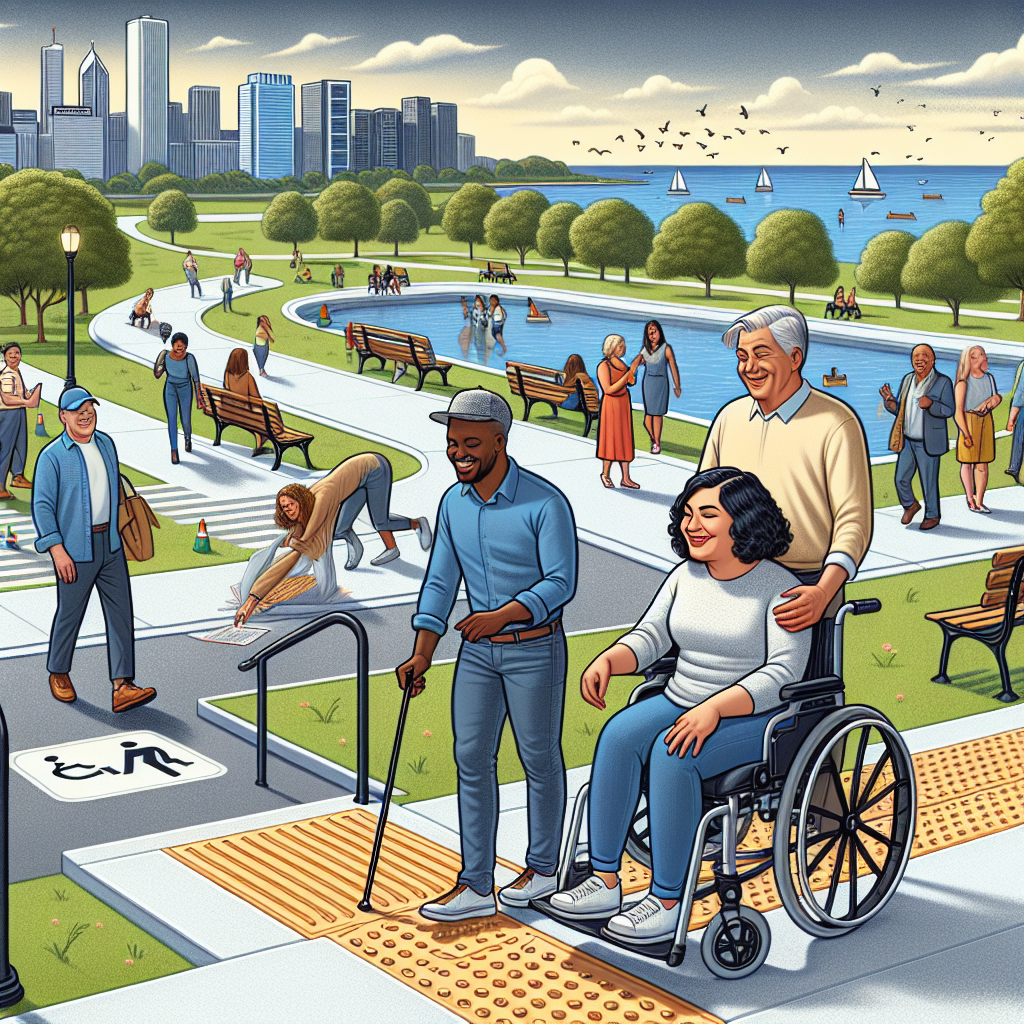
Since its inception in 1990, the Americans with Disabilities Act (ADA) has irrevocably changed the landscape of public accommodations within the United States. This landmark civil rights law prohibits discrimination against individuals with disabilities in all areas of public life, ensuring they have the same rights and opportunities as everyone else. The emphasis on inclusivity has enhanced accessibility and awareness and brought forth numerous success stories demonstrating the value and efficacy of the ADA. From ensuring physical access to buildings to fair treatment in employment settings, the ADA’s impact is widespread and significant.
The success stories we’ll explore demonstrate the ADA in action, highlighting challenges faced and overcome in various public accommodation contexts. These real-world applications not only showcase the victories achieved but also underscore the ongoing journey toward complete accessibility and equality. Each story is a testament to the human spirit, resilience, and the law’s transformative power in advocating for a more inclusive environment. The conversation surrounding public accommodation rights is crucial, not just for those directly affected but for everyone, as it fosters a society that values diversity and inclusivity.
A Journey to Mobility: Access to Public Transport
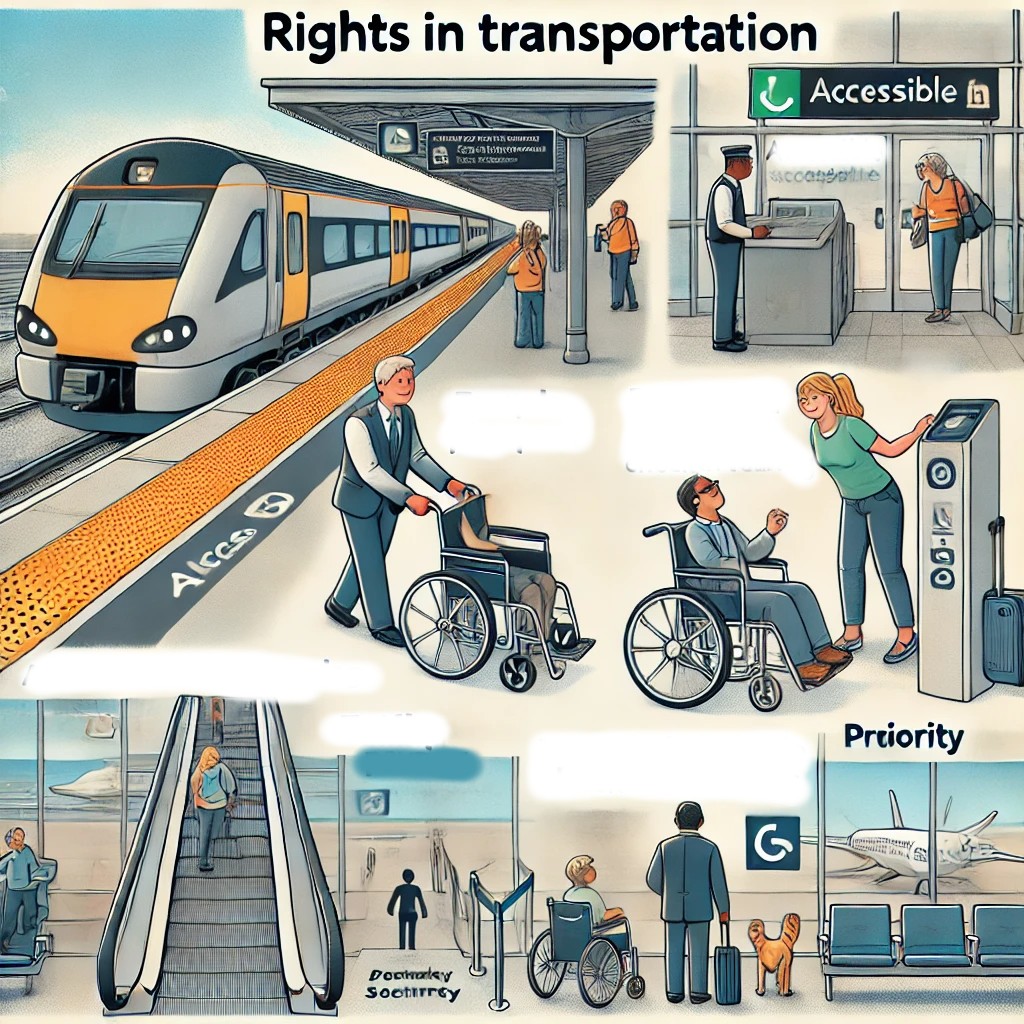
A primary challenge faced by individuals with disabilities involves the accessibility of public transportation. Transportation is more than just a means of getting from point A to point B; it is a critical component of independence and participation in community life. One inspiring story comes from a group of advocates in Boston, Massachusetts, who campaigned for better access to the city’s subway system, the “T”. Prior to their intervention, many of the “T” stations lacked elevators, making them inaccessible to those using wheelchairs.
The campaigners engaged city officials and transit authorities by highlighting the disparities in access to public transportation. They provided practical solutions and organized rallies to raise awareness about the excluded demographic. The result? A systematic overhaul of the “T” stations with the installation of elevators and improved accessibility features, allowing individuals with disabilities greater ease and independence when traveling around the city. This success story exemplifies the ADA’s potential to facilitate systemic change, ensuring environments adapt to accommodate all individuals.
Accessibility in Education: A Campus Transformation
Higher education should be accessible to everyone, yet architectural hurdles often pose significant challenges for students with disabilities. Northwestern University in Illinois offers a poignant example of transformative change in educational settings. A few years ago, a student with a mobility impairment faced numerous obstacles moving between the various campus buildings due to the lack of ramps and automatic doors.
Working closely with university administration and drawing attention to the legal requirements of the ADA, the student advocated for change. With persistence, the university allocated funds to revamp its infrastructure to better support students with diverse needs. The addition of ramps, elevators, and automatic doors significantly enhanced campus accessibility, not only benefiting students with disabilities but also benefiting faculty, staff, and visitors. This case serves as a reminder of the power of student advocacy and the importance of educational institutions adhering to ADA standards to promote inclusivity.
Making Museums Inclusive: An Artistic Approach
The world of art and culture is a universal pleasure that should be open to all, regardless of physical limitations. Yet, many museums had overlooked the importance of accessibility until individuals began pushing for changes. The Philadelphia Museum of Art stands as a shining example of success in this arena. Initially, the museum’s layout presented barriers to those with mobility issues, compromising the cultural experiences available to them.
In response, the museum embarked on a project to reimagine its spaces, guided by ADA principles and feedback from the disability community. The renovation introduced ramps, elevators, and various tactile and sensory experiences designed to engage visitors with visual or hearing impairments. By fostering a cooperative approach that embraced inclusivity, the museum not only enhanced its accessibility but also enriched its overall visitor experience, proving that art can be a truly inclusive medium.
Overcoming Employment Barriers: Initiatives in the Workplace
Employment is a fundamental right and cornerstone of self-sufficiency and dignity. Despite the ADA’s mandates, many workplaces still lag in providing adequate accommodations for employees with disabilities. A groundbreaking example of change can be seen with the Fortune 500 company, IBM. Recognizing the untapped potential of employees with disabilities, IBM launched the “AccessBlue” initiative aimed at improving workplace accessibility and inclusivity.
The initiative involved evaluating workplace structures, implementing assistive technologies, and conducting regular training sessions on disability awareness. By removing physical and attitudinal barriers, IBM not only improved accessibility but also enhanced the diversity of their workforce, welcoming multiple perspectives and fostering an inclusive corporate culture. This story underscores the importance of proactive measures by employers to adhere to ADA standards, thereby creating opportunities for everyone to thrive professionally.
The Path Ahead: Continuous Improvements and Advocacy
Overcoming the challenges in public accommodations is an ongoing journey that requires continuous education, advocacy, and adaptation. While significant progress has been made since the ADA’s enactment, new challenges and obstacles continue to emerge, demanding attentive action and community involvement. Innovative technological advancements and evolving societal expectations necessitate a reassessment of existing accommodations to ensure their sufficiency and effectiveness for all individuals.
As the landscape of disability rights evolves, so should the commitment to enforcement and proactive improvements. Organizations, communities, and individuals must work collaboratively to push the boundaries of current solutions, ensuring equitable access and experiences for those with disabilities. The ADA has laid the groundwork, but it is up to advocates, lawmakers, and society at large to carry the momentum forward, ensuring success stories continue to emerge in the fight for complete accessibility and equality.
Conclusion: The Power of Advocacy and Determination
These success stories in public accommodations offer more than just a glimpse into the victories achieved through the ADA; they are powerful narratives of determination, advocacy, and systemic change. Entrenched within each story is the hard-fought recognition of the rights and dignity of persons with disabilities, highlighting the intrinsic value of inclusivity and diversity in society.
The ADA has equipped individuals and communities with the legal tools necessary to advocate for change, making the inaccessible accessible, and transforming exclusion into inclusion. However, the real-world application of these principles relies heavily on awareness, education, and the continuous push for adherence to the law.
While challenges remain, each success story serves as a testament to the progress possible through collective efforts. As we move forward, let us carry these lessons with us, remembering that every step toward accessibility and inclusion contributes to a society where everyone is valued and given equitable opportunities to participate in the tapestry of public life.
Frequently Asked Questions
1. What is the Americans with Disabilities Act (ADA) and how does it promote accessibility?
The Americans with Disabilities Act, enacted in 1990, is a fundamental piece of civil rights legislation in the United States. It is designed to eliminate discrimination against individuals with disabilities and to offer them the same rights and opportunities available to all Americans. The ADA covers all areas of public life, including employment, transportation, public accommodations, communications, and access to state and local government programs and services.
One of the primary ways the ADA promotes accessibility is by mandating that public spaces and buildings remove barriers to access for individuals with disabilities. This includes providing physical accessibility through features like ramps and elevators, making reasonable modifications to policies, and ensuring communications are accessible to individuals with impairments. The ADA has driven innovations in technology, design, and policies, creating a more inclusive society that values and accommodates diverse needs.
2. Can you provide some examples of success stories resulting from overcoming accessibility challenges?
Absolutely, there are numerous inspiring success stories that have emerged from efforts to overcome accessibility challenges. One notable example is the transformation of public transportation systems to accommodate individuals with disabilities. Cities across the U.S. have implemented modifications such as accessible buses equipped with ramps and automated announcements, and trains with reserved seating and visual aids for passengers with various types of disabilities. These changes have not only eased mobility challenges but also empowered people with disabilities to enjoy greater independence and access to opportunities.
Another success story is the evolution of workplace environments. Companies have increasingly recognized the value that employees with disabilities bring to the table, implementing accommodations such as modified workstations, flexible work schedules, and assistive technologies. This shift has resulted in a more diverse and dynamic workforce that benefits from the varied perspectives and talents of all employees.
3. How have organizations adapted their policies to comply with ADA requirements?
Organizations have undertaken significant adaptations to ensure compliance with the ADA, fostering environments that are welcoming and accessible to all individuals. This includes conducting regular audits of facilities to identify and remove physical barriers, updating policies to reflect inclusive practices, and training staff on accessibility and disability etiquette. Additionally, organizations have invested in technology that aids in communication, such as captioning services, sign language interpreters, and accessible digital content.
To ensure sustained compliance, many organizations have appointed dedicated accessibility coordinators who oversee the implementation of these policies and regularly update them based on evolving best practices and legislative changes. By demonstrating a commitment to accessibility, organizations not only fulfill legal obligations but also enhance their reputations and improve service to customers and clients.
4. What challenges do businesses face in implementing ADA-compliant accessibility measures and how can they overcome these challenges?
Implementing ADA-compliant accessibility measures can pose significant challenges for businesses, especially small and mid-sized enterprises. One of the primary challenges is the financial burden associated with retrofitting existing structures or investing in new technologies, as well as the need for ongoing training and development of staff. Limited knowledge or understanding of specific accessibility requirements can also be a hurdle.
To overcome these challenges, businesses can seek guidance and support from organizations specializing in accessibility and disability advocacy. Additionally, tapping into available tax incentives and grants aimed at reducing the financial impact of these changes can provide significant relief. Conducting thorough accessibility audits and creating phased implementation plans also allow businesses to address accessibility needs progressively and strategically, thereby making the process more manageable.
5. How does improving accessibility impact society as a whole?
Improving accessibility impacts society tremendously by fostering a culture of inclusivity, respect, and equality. When individuals with disabilities can fully participate in public life, it not only enhances their quality of life but also enriches communities as a whole. Accessible environments promote diversity, engagement, and innovation, as people from varied backgrounds and abilities contribute to discussions, decision-making processes, and creative endeavors.
Moreover, accessibility benefits everyone, not just those with disabilities. For example, curb cuts are useful not only for wheelchair users but also for people with strollers, luggage, or bicycles. Closed captions are beneficial to those learning a new language or experiencing noisy environments. The overall societal gains include increased economic productivity, cultural growth, and a strong message of inclusivity that reinforces our shared human dignity.