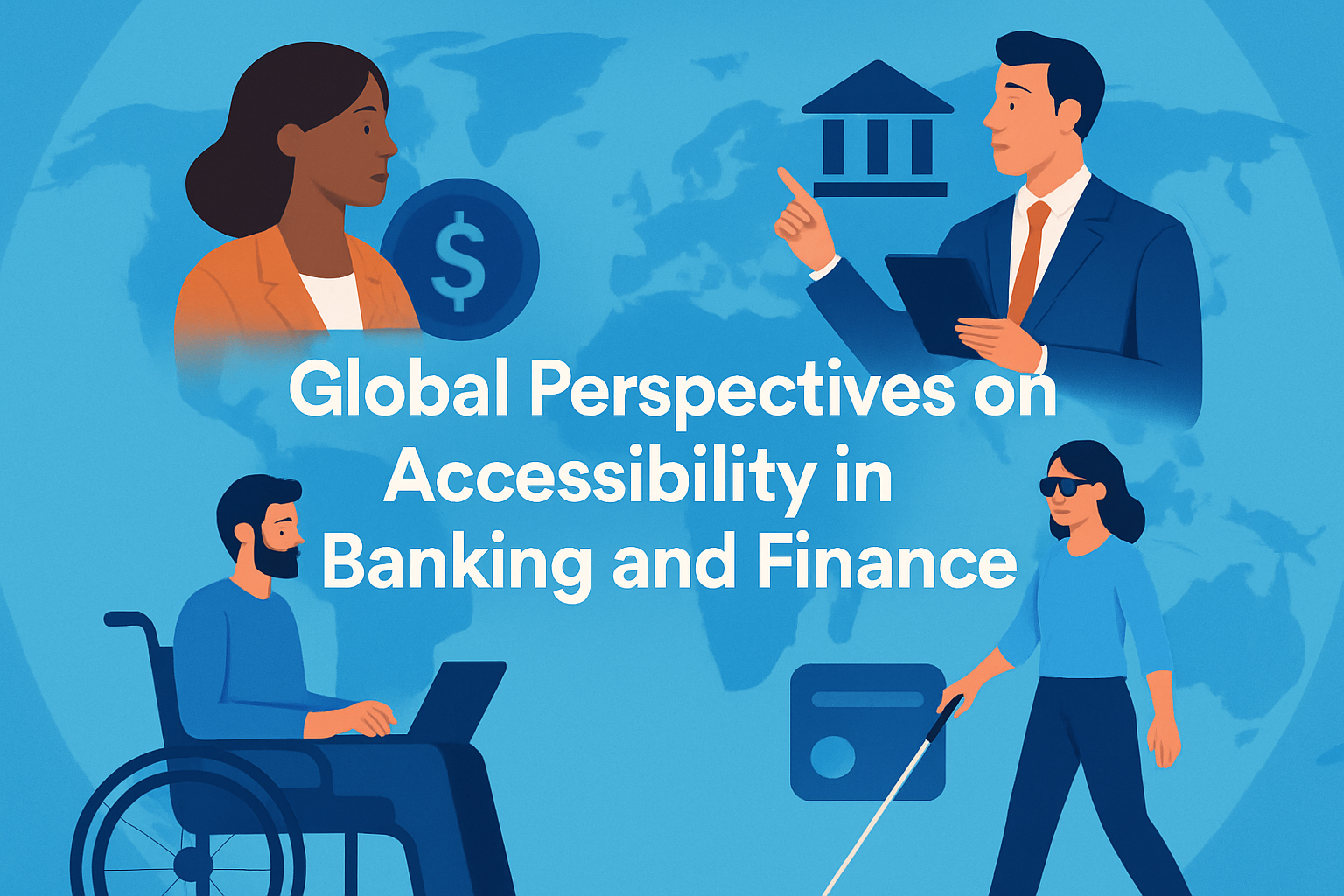
In today’s globalized world, the conversation around disability employment strategies is gaining prominence. The push for inclusion and the dismantling of barriers have never been more relevant, particularly in the field of employment. Success models for disability employment are frameworks or strategies that have proven effective in increasing job opportunities for individuals with disabilities, ensuring their integration into the workforce. Understanding these models is crucial, not only to promote equality and diversity but also because a more inclusive workforce is beneficial for society and economies at large. The strategies serve as blueprints for organizations and governments pursuing greater inclusivity. As we dive deeper into the discussion, we’ll explore real-world implementations of these strategies, learn from their successes, and discuss how they can be adapted across different contexts.
Customized Employment: A Tailored Approach
Customized Employment (CE) is an innovative approach that tailors job roles to fit the unique strengths, needs, and interests of individuals with disabilities. This model shifts the traditional employment mindset from “fitting individuals into jobs” to “creating jobs that fit individuals.” A key aspect of CE involves job carving, where specific duties are separated from a standard job role and assigned to an individual, creating a role that aligns perfectly with what they can offer.
An excellent example of CE’s success can be found in the United States, where state-wide initiatives have resulted in the integration of individuals with disabilities into various sectors. For instance, Project SEARCH, a transition-to-work program, partners with businesses to provide internships leading to competitive employment. The program has been lauded for its effectiveness, boasting an employment rate of over 70% for its participants, primarily due to its emphasis on personalized job roles and community partnerships.
The CE model is effective because it leverages the individual’s abilities while also meeting employers’ needs, resulting in a mutually beneficial relationship. Its adaptability means it can be applied across different industries and sectors, making it a versatile tool for improving employment opportunities for those with disabilities.
Supported Employment: Assistance to Independence
Supported Employment (SE) provides individuals with disabilities the necessary support services to secure and maintain competitive employment. This model is firmly rooted in the belief that everyone can work and contribute to the workforce, given the right support. Services typically include job coaching, skills training, and ongoing support tailored to the individual’s requirements.
In the United Kingdom, SE has been successfully implemented through programs such as the “Place and Train” model. This approach starts with finding a job that matches the individual’s interests and abilities, followed by providing the necessary support to ensure they succeed in their role. Real-life examples include partnerships between disability service providers and local businesses, which create a supportive network for employees with disabilities.
The substantial impact of SE has been demonstrated by numerous studies showing improved job retention and satisfaction rates. By integrating individuals with disabilities into the workforce with the necessary support structures, SE enhances both their personal independence and employers’ inclusivity, thus contributing significantly to societal progress.
Legislative Frameworks: Enforcing Equal Opportunities
Legislative measures form another bedrock of success models in international disability employment strategies. These frameworks mandate non-discriminatory practices and ensure equal opportunities in the job market. Laws like the Americans with Disabilities Act (ADA) in the United States and the Equality Act in the UK help remove systemic barriers to employment for people with disabilities by outlawing discrimination and promoting reasonable accommodations.
In Canada, the Accessible Canada Act is a robust example of legislation playing a pivotal role in promoting disability employment. This act sets new accessibility standards, aiming to create a barrier-free Canada by 2040. It enhances opportunities for individuals with disabilities by ensuring that they are not unfairly excluded from participating in the workforce.
- Increased Accountability: Employers are held accountable for their hiring practices and must actively work to remove barriers for individuals with disabilities.
- Mandatory Reporting: Businesses are required to report on their accessibility practices and progress regularly.
- Public Awareness: Legislation like this also works to increase public awareness about the importance of inclusivity in the workforce.
The worldwide adoption of similar frameworks underscores their fundamental role in ensuring equitable employment opportunities for all. By setting legal precedents, these frameworks institutionalize the importance of diversity in the workforce, thereby promoting societal change at an institutional level.
Technology and Accessibility: Bridging the Gap
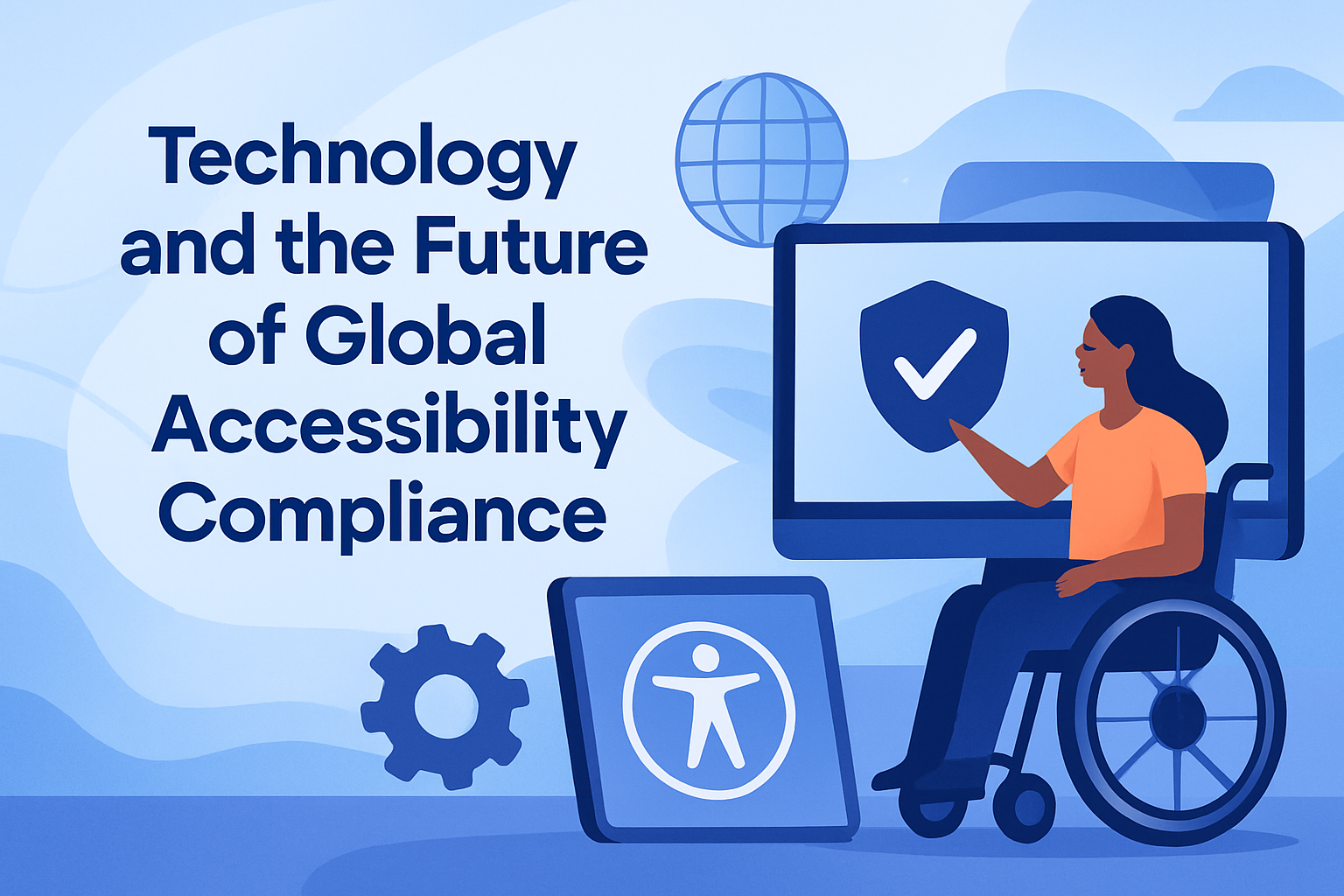
Technology has emerged as a vital component in bridging the gap between disability and employment. Assistive technologies enable individuals with disabilities to perform tasks that might otherwise be challenging, thus facilitating a level playing field. Tools such as screen readers, voice recognition software, and customized hardware allow individuals with various disabilities to engage with their work environments more effectively.
A remarkable implementation of technology in disability employment is Microsoft’s Disability Inclusion Program. The initiative focuses on creating an accessible technology platform and an inclusive culture that enhances productivity for both the company and its employees. Microsoft has transformed its hiring and employment practices by incorporating assistive technology, leading to enriched employability and inclusivity for individuals with disabilities, proving that tech-driven solutions are not only feasible but also transformative.
Such innovations have the potential to revolutionize employment strategies by providing tailored solutions that help individuals with disabilities access, perform, and excel in their jobs. As technology continues to evolve, the scope for these improvements is vast, promising a future where inclusivity is embedded into the fabric of every organization.
Social Enterprises: A Commercial Mission with a Cause
Social enterprises offer an impactful model by marrying commercial objectives with a social mission, focusing on employing individuals with disabilities. These enterprises prioritize employing and training people with disabilities while generating income through their operations, thereby creating a sustainable business model that supports social change.
One noteworthy example is the Australian social enterprise, Ability Works. This organization employs individuals with disabilities in various commercial operations, ranging from digital services to manufacturing. The emphasis on tailoring jobs to meet both the abilities of the employees and the business’s commercial needs has led to successful outcomes for both the business and its employees. Ability Works not only showcases the potential of social enterprises to create meaningful employment opportunities but also underscores the importance of adapting business models to be more inclusive.
Social enterprises exemplify how businesses can function profitably while also achieving social good. Their success demonstrates that when businesses align their objectives with social missions, they can serve as powerful agents of change in promoting disability employment.
Conclusion
Understanding success models in disability employment strategies equips policymakers, businesses, and communities with the tools needed to foster more inclusive work environments. Whether through tailored employment models like Customized Employment and Supported Employment, leveraging technology, enforceable legislation, or the innovative design of social enterprises, these strategies prove that inclusivity is not just a moral imperative but also an economic and social necessity. The real-world examples discussed highlight the tangible benefits of implementing these models, providing a blueprint for continued success.
For organizations and communities, the next step involves actively implementing and advocating for these strategies. It’s imperative to invest in accessibility, foster partnerships between the private sector and disability organizations, and remain committed to continuous improvement in disability employment practices. By doing so, we promote a future where individuals with disabilities are valued and integrated members of the workforce, enhancing diversity and driving social change across the globe.
Embrace these strategies and take action: Advocate, educate, and transform your workplace into a beacon of inclusion where everyone has the opportunity to thrive.
Frequently Asked Questions
1. What are success models in international disability employment strategies?
Success models in international disability employment strategies are frameworks or methodologies that have consistently shown to be effective in enhancing employment opportunities for individuals with disabilities across different countries. These models focus on creating inclusive work environments, reducing stigma, and providing necessary support and accommodations to disabled individuals. They encompass a wide range of strategies, such as policy development, employer incentives, awareness campaigns, and educational programs. By promoting integration and dismantling employment barriers, these models help ensure that people with disabilities have equal opportunities to contribute to the workforce, thereby fostering diversity and inclusion on a global scale.
2. How do different countries implement success models for disability employment?
Different countries adopt various approaches to implement success models for disability employment, depending on their cultural, economic, and legislative contexts. For example, some nations prioritize legislative measures, enacting laws that mandate a certain percentage of employment opportunities be reserved for individuals with disabilities. Countries like Germany and France have adopted quota systems, while others, such as Australia and Canada, focus on fostering inclusive workplace cultures through awareness and training programs. Additionally, many countries offer incentives to employers who hire disabled individuals, such as tax breaks or subsidies. Each country’s approach is tailored to address specific challenges within their local employment markets, all while maintaining the ultimate goal of improving workforce accessibility for individuals with disabilities.
3. What role do employers play in these success models?
Employers play a critical role in implementing success models for disability employment. Their participation is essential in creating truly inclusive work environments where individuals with disabilities can thrive. Employers can do this by adopting inclusive hiring practices, providing necessary accommodations (such as modified workspaces or flexible work hours), and investing in disability awareness and sensitivity training for all employees. Furthermore, employers have the power to normalize the presence of individuals with disabilities in the workplace, which can help reduce stigma and promote acceptance. By championing these efforts, employers not only comply with legal frameworks but also benefit from the diverse perspectives that disabled employees can bring to their organizations.
4. What challenges do success models for disability employment face?
Despite their potential, success models for disability employment face several challenges, including persistent stigmas and misconceptions about the capabilities of individuals with disabilities. Many employers remain hesitant to hire disabled individuals due to unfounded concerns over productivity or cost of accommodations. Additionally, there’s often a lack of understanding about the diverse needs of individuals with disabilities, as well as insufficient resources or infrastructure to support them effectively. In some regions, fragmented policy implementation and inconsistent enforcement further hinder progress. Overcoming these challenges requires concerted efforts from governments, employers, and society at large to change perceptions and invest in systems and structures that support inclusion for everyone.
5. How can individuals with disabilities contribute to the development of these success models?
Individuals with disabilities are essential contributors to the development and refinement of success models for disability employment. Their lived experiences and firsthand insights offer invaluable perspectives on the unique challenges and needs that these models should address. By actively participating in advocacy groups, policy-making discussions, and feedback sessions, individuals with disabilities can help shape policies and strategies that truly cater to their requirements. They can also serve as role models within their communities, showing potential employers and peers the diversity of capabilities and contributions possible. Collaboration among individuals with disabilities, policymakers, and employers is crucial to creating effective and sustainable employment strategies that benefit everyone.