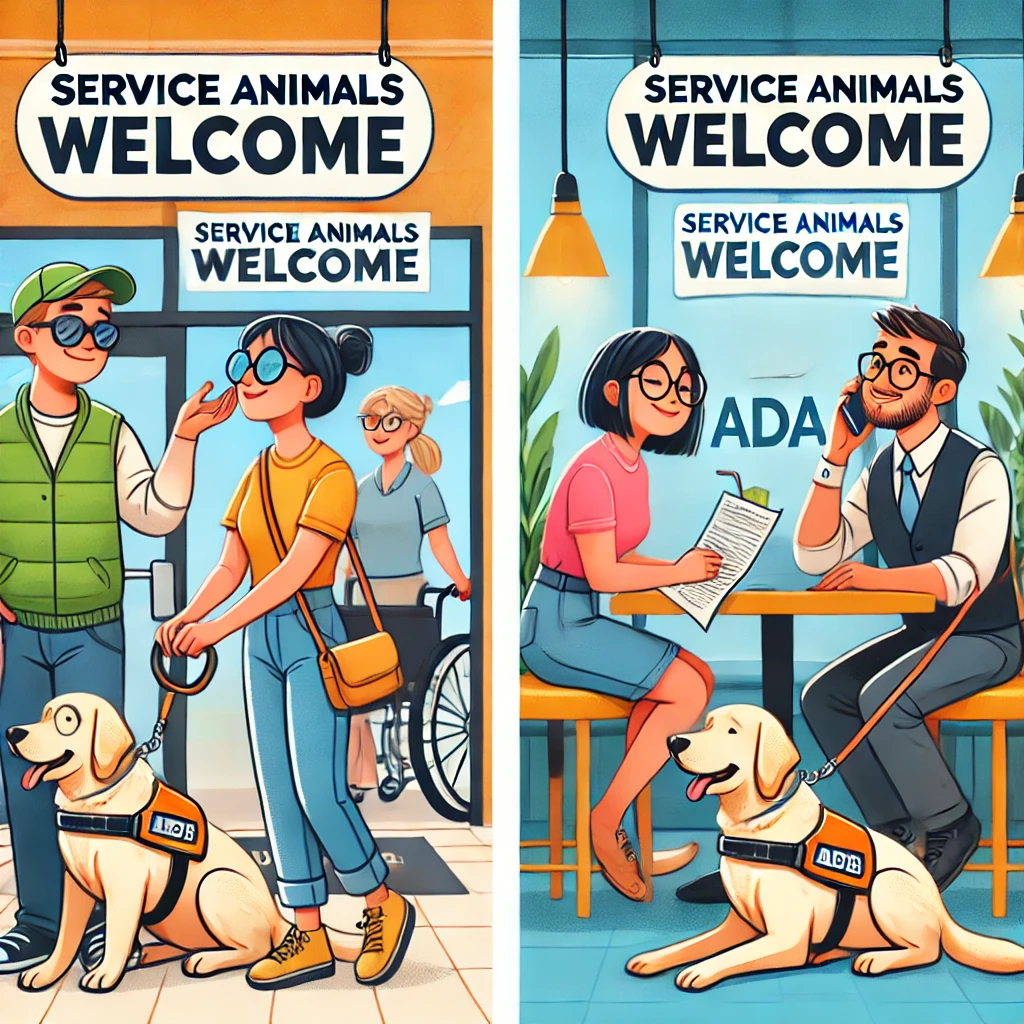
Navigating the world of small business ownership brings with it a unique set of challenges and opportunities. When you add the commitment to comply with the Americans with Disabilities Act (ADA), it can sometimes feel like the balancing act becomes even more delicate. Designed to guarantee rights to individuals with disabilities, the ADA is a crucial piece of legislation that has profoundly changed the landscape of American business. Far from being an impediment, ADA compliance is not only a legal requirement but also an invitation to tap into a wider customer base, enriching your enterprise through diversity and inclusivity. Yet, for many small business owners, understanding what ADA compliance actually entails can be perplexing. If you ever found yourself wondering how to integrate ADA protocols into your business or felt the challenges weigh heavy on your innovation, you’re not alone.
This article aims to illuminate these complexities by sharing real-world examples of small business owners who navigated ADA compliance thoughtfully. It’s possible to transform what seems like an intimidating task into a strength that can propel your business further into the hearts of a wider audience. Through these stories, you can glean insights into effective practices, lessons learned, and imaginative solutions that align with ADA standards and keep customer accessibility at the forefront. As you read, consider how these cases could inspire practical applications within your own small business, showing you that ADA compliance isn’t just about meeting regulations, but about building bridges to better business.
Case Study 1: The Restaurant Revamp
For restaurants, ensuring accessibility can pose a variety of challenges, from layout and design to menu presentation. This was exactly the situation facing Sarah, the owner of a mid-sized bistro in Chicago. After receiving feedback from patrons about the lack of accessibility in her establishment, she knew changes were necessary. Sarah’s first step was conducting an ADA audit to identify areas for improvement.
Seating was her primary concern, as cramped tables hindered wheelchair access. By reconfiguring the layout to allow adequate space for movement, Sarah was able to address this issue effectively. The menu also needed to be revamped—she introduced options in larger print and Braille, making it easier for visually impaired customers to browse. Additionally, she trained her staff to be more aware of service techniques for customers with various disabilities.
The outcome was transformative. Not only did customer satisfaction rise, but so did the number of returning patrons. Sarah realized that embracing ADA compliance led to wider acceptance of her business in the local community. By actively seeking to serve all societal segments, her restaurant became a welcoming haven, revered not just for its food, but for its inclusive ethos. Sarah’s narrative illustrates that ADA compliance doesn’t merely prevent lawsuits; it’s a business opportunity that fosters deeper connections with the community.
Case Study 2: The Bakery Breakthrough
Small retail businesses, like bakeries, often struggle with space limitations and high foot traffic, making ADA compliance seem daunting. Consider Josh, the enterprising owner of a beloved neighborhood bakery in Portland. Josh was inspired to pursue ADA compliance not just to meet legal requirements but to align with his personal commitment to community inclusion.
One immediate challenge for Josh was the entryway; the step leading into his store was a major barrier for customers using wheelchairs. He installed a temporary ramp while planning for a more permanent solution, ensuring all customers felt welcome from the onset. Inside the store, chock-full of pastries and confections, tighter aisles needed widening. Display racks were adjusted to allow easy passage and access for people with mobility aids.
Additionally, Josh put Braille labels on all his goods, and introduced an order-online-and-pick-up service, catering to those who preferred remote access to his delights because of mobility issues. His bakery staff underwent training to learn how to provide an inclusive shopping experience. Not only did these adaptations invite more clientele with disabilities, but they also garnered positive media coverage, drawing even more business.
In the end, the alterations paid off. Revenue increased, demonstrating that respecting accessibility is a strategic choice that builds a reputable and resilient business. Josh’s situation shows that compliance and creativity can come together to set a business apart.
Case Study 3: The Inclusive Retail Space
Small retail outlets face a unique set of challenges when it comes to ADA compliance, particularly due to their often confined spaces. This was the case for Maria, who owned an artisanal gift shop in Austin, Texas. A frequent complaint from customers was difficulty navigating her narrow aisles, which left limited room for those in wheelchairs or with strollers.
Maria initiated a redesign. She shifted shelves and merchandise displays to create wider paths and installed lower counters for better accessibility. Investing in an automatic door was another significant change, which made the entryway more inviting and kept foot traffic flowing smoothly.
But physical layout wasn’t the only area Maria improved. She realized communication was equally important. Her shop installed a portable audio loop system for patrons with hearing aids, making transactions and interactions with staff clearer and friendlier. By hosting ‘quiet shopping hours,’ Maria had an overwhelming turnout, catching the attention of both local media and organizations advocating for disability rights.
These efforts cultivated a loyal customer base and spread positive word-of-mouth marketing. Financial gains soon followed. Showcasing ADA compliance improved community relationships and turned her retail shop into a welcoming environment for everyone, proving that small changes sometimes result in larger community impact.
Case Study 4: The Office Overhaul
Service-oriented businesses often find ADA compliance particularly challenging when it comes to retrofitting existing office spaces. That was the issue that confronted Tom, a CPA with a bustling practice in a suburban New Jersey town. His practice relied on maintaining personal connections, yet office accessibility was subpar, risking both client attrition and legal complications.
Determined to change, Tom engaged an ADA consultant to help pinpoint areas that needed adjustments. He began by installing elevator services to make upper floors accessible. His conference rooms were redesigned to accommodate greater wheelchair accessibility, and restrooms were upgraded with grab bars and ample space.
Beyond physical changes, Tom implemented initiatives like offering alternative communication methods, such as teleconferencing with options for transcripts or captions, allowing clients who couldn’t personally visit the office to access his expert services. Staff were encouraged to partake in workshops on ADA awareness, honing their sensitivity and understanding.
The benefits were swiftly noticeable: client satisfaction surged as did referrals. Tom’s office became an example of how professional firms can blend functionality with inclusivity, demonstrating that ADA adherence can redefine customer relationships and keep practices thriving.
Conclusion
ADA compliance is more than just a legal checkbox for small businesses—it’s a commitment to creating an inclusive and accessible world for everyone. These case studies illustrate how businesses can adapt creatively, turning potential challenges into avenues for growth and customer satisfaction. Sarah’s restaurant transformed dining experiences, Josh’s bakery made sweet treats accessible to all, Maria’s gift shop cleverly broke barriers, and Tom’s firm seamlessly integrated accessibility into professional services.
These real-world applications highlight how ADA compliance transcends mere obligation. When businesses fully embrace the spirit of ADA, they don’t just comply with federal law—they reshape experiences, promote equality, and cultivate robust community ties. As a small business owner, understanding and implementing these changes is a forward-thinking strategy that impacts the legitimacy and longevity of your business.
The path to ADA compliance is neither simple nor identical for all, but the collective stories shared in this article serve as both guidance and inspiration. By observing these examples, you can creatively and strategically nurture a welcoming environment, ensuring your small business isn’t just accessible but is also a leading voice in advocating diversity and inclusivity in the marketplace.
Frequently Asked Questions
What exactly is ADA compliance and why is it important for small businesses?
ADA compliance refers to the adherence to the Americans with Disabilities Act, a landmark piece of legislation that was enacted in 1990. This federal law prohibits discrimination against individuals with disabilities and ensures that they have the same rights and opportunities as everyone else. For small businesses, ADA compliance signifies the commitment to providing equal access and opportunities to employees, customers, clients, and visitors who have disabilities. This not only involves physical adjustments to business premises, such as installing ramps and accessible restrooms, but also digital changes like ensuring websites are navigable for people with various impairments. It’s crucial for small businesses to comply with these standards to avoid legal penalties, improve customer relations, and foster an inclusive environment that can open doors to new customer segments. ADA compliance is not just a regulatory obligation; it is a reflection of a business’s values and its dedication to serving all members of the community.
What are some common challenges small businesses face when becoming ADA compliant?
Small businesses often encounter several challenges when attempting to become ADA compliant. Firstly, understanding the full scope of the ADA and its application to their specific business can be daunting. Many small business owners worry about the cost of implementing physical changes, such as retrofitting a facility to include an accessible restroom or ramp. Additionally, digital compliance can be a complex area, especially for those unfamiliar with web design, requiring businesses to ensure their websites are accessible through alt text, captions, and navigable formats, among other adjustments. A further challenge is staying informed about updates to ADA regulations and technology standards, which can change over time. Despite these challenges, addressing ADA compliance is crucial and can be made more manageable with the assistance of resources, consultants, and community programs devoted to helping small businesses achieve compliance.
How can a small business start the process of becoming ADA compliant?
Embarking on the journey to ADA compliance begins with conducting a comprehensive assessment of the current accessibility levels of both the physical and digital aspects of the business. A small business should first evaluate their premises to identify any potential barriers that might prevent people with disabilities from accessing their services. This can include checking the accessibility of entrances, parking lots, restrooms, and customer service areas. For the digital side, a business needs to ensure their website meets accessibility guidelines, which may involve employing tools or consultants who specialize in digital accessibility. Once an assessment is complete, the business owner should prioritize identified changes, balancing urgency with budget limitations. There are often grants or tax incentives available to small businesses looking to become ADA compliant. Reaching out to local resources such as chamber of commerce groups or small business associations can provide guidance and support. Regular training for employees on ADA requirements and sensitivity can reinforce a culture of inclusivity and compliance within the business.
What are some real-world examples of small businesses benefiting from ADA compliance?
Real-world examples abound of small businesses that have derived multiple benefits from becoming ADA compliant. For instance, a local café in a bustling town decided to install wider doorways and accessible seating arrangements after realizing the flow of customers in wheelchairs and those pushing strollers both increased significantly. The café reported a noticeable uptick in patronage and customer satisfaction as visitors appreciated the ease and comfort of navigation. Similarly, an online bookstore revamped their website to include audio descriptions and simpler navigation tools, which led to expanded market reach and increased online sales as they catered to a more diverse customer group. These examples underscore how ADA compliance can break down barriers and attract a wider audience, fostering not only goodwill but also economic advantages. By publicly committing to inclusivity, these small businesses enhanced their reputation within the community, cultivating loyal customer bases appreciative of the proactive attention to accessibility.
What resources are available to help small businesses navigate ADA compliance?
There are numerous resources available for small businesses seeking to comply with the ADA. The ADA National Network provides detailed guidelines and free consultation services. Local and state government agencies often offer workshops and seminars that focus on specific segments of the ADA, providing pertinent information and practical advice. Additionally, non-profit organizations like Disability:IN offer resources including checklists, best practices, and access to networks of businesses that have successfully navigated ADA compliance. Online resources like the Web Content Accessibility Guidelines (WCAG) serve as an excellent reference for digital compliance. By connecting with local small business associations or chambers of commerce, owners can access tailored support and meet other business leaders who share insights and experiences. It’s important to leverage these resources to stay informed, seek advice, and ensure the business reflects the values of accessibility and inclusion, thereby fostering an environment that is welcoming to all potential employees and customers.