In recent years, the movement for disability rights has gained immense traction on the international stage, paving the way for a new wave of activists who are zealously advocating for inclusivity and equality. Despite the progress that has been made, there remains a plethora of challenges that need addressing. In the context of disability rights, terms like “accessibility,” “inclusive education,” and “universal design” are more than just jargon; they are critical components in the fight for equality. Accessibility refers to the design of products, devices, services, or environments for people with disabilities. Inclusive education is about integrating students with disabilities into general education classrooms. Universal design is the process of creating products and environments that can be used by everyone, regardless of their ability.
The significance of these terms cannot be understated because their implementation is essential to ensuring that individuals with disabilities lead lives of dignity and independence. This matter is of paramount importance as nearly 15% of the world’s population lives with some form of disability. This demonstrates a substantial portion of the global population whose rights and needs must be prioritized. The new generation of activists is embraced for its innovative approaches, including leveraging technology and social media to amplify their advocacy work, thereby broadening the reach and impact of disability rights initiatives. The purpose of this article is to explore these contemporary developments, the role of upcoming activists, and the tangible difference they aim to make.
The Power of Social Media in Disability Advocacy
Social media has become a cornerstone for modern activism, offering a platform for dialogue, awareness, and mobilization. Disability rights activists are using platforms like Twitter, Instagram, and TikTok to highlight issues, share experiences, and call for change. A prime example is the #CripTheVote campaign, which encourages political participation and consciousness of disability issues during elections. Initiated on Twitter, the campaign has sparked meaningful conversations about pressing issues such as healthcare reforms, education rights, and employment opportunities for people with disabilities.
The effectiveness of social media lies in its ability to reach diverse audiences quickly. Activists can share personal stories that resonate across demographics, humanizing the challenges faced by individuals with disabilities. The direct interaction afforded by social media allows activists to engage with policymakers, hold them accountable, and demand action. This democratized space for exchange provides an invaluable tool for mobilizing grassroots support and pushing for systemic change.
Technology: A Catalyst for Accessibility
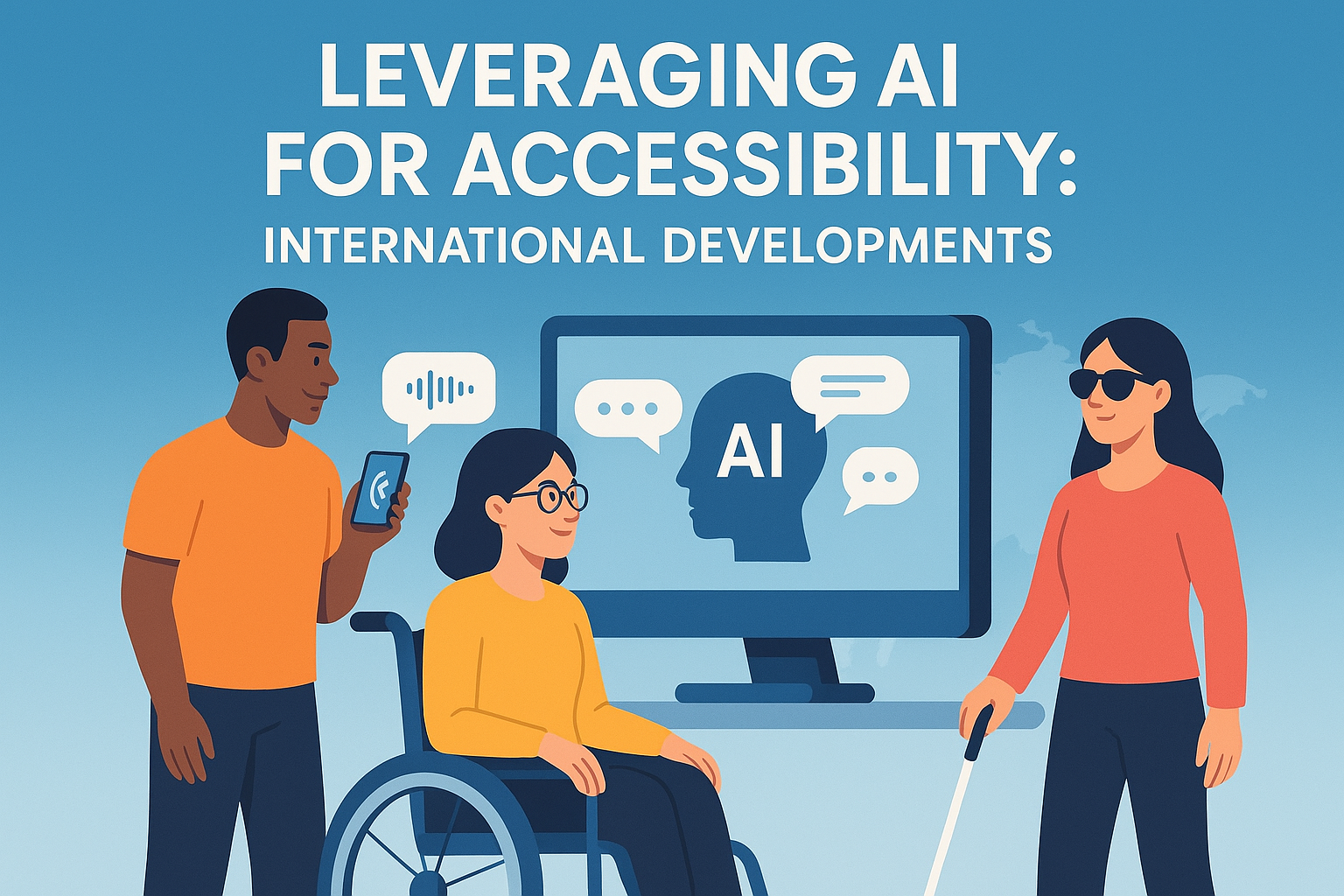
Technological advancements are dramatically reshaping how we approach disability rights. Assistive technologies such as screen readers, voice-activated devices, and mobility aids have revolutionized accessibility for disabled individuals. One standout example is the development of autonomous vehicles designed to provide independence to those who cannot drive due to their disability.
The tech industry is increasingly recognizing the importance of designing products with accessibility in mind. Companies are proactive in ensuring that new technologies are inclusively designed, aligning with principles of universal design. This approach not only enhances the user experience for individuals with disabilities but also assists in normalizing diverse capabilities. Despite these advancements, the cost and availability of technology continue to be barriers, making affordability and widespread distribution crucial targets for future advocacy efforts.
The Role of Inclusive Education
Inclusive education is a powerful component in the disability rights movement, aiming to provide equitable learning opportunities for students with disabilities. In countries like Finland, inclusive education is at the forefront of policy implementation, wherein students with disabilities are integrated into mainstream classrooms. The model facilitates not only academic integration but also social inclusion and peer understanding.
| Country | Implementation Strategies | Outcomes |
|---|---|---|
| Finland | Co-teaching, assistive technologies, individualized learning plans | Higher graduation rates, increased social skills |
| United States | IDEA Act, integration programs, adaptive sports | Diverse academic performance, improved self-esteem |
| Brazil | Resource rooms, inclusive policies, teacher training | Increased enrollment, improved academic outcomes |
Inclusive education is more than just policy; it is a commitment to changing perceptions and attitudes towards disability, creating more empathetic and understanding societies. However, successful implementation requires adequate teacher training, resource allocation, and curriculum adaptation, areas that continue to present challenges worldwide.
Policy and Legislative Advocacy
Advancing disability rights on an international scale necessitates robust policy and legislative advocacy. The United Nations Convention on the Rights of Persons with Disabilities (CRPD) is a landmark treaty adopted by countries worldwide, aimed at protecting the rights and dignity of persons with disabilities. Countries like Canada have made strides by incorporating CRPD guidelines into national legislation, thereby enhancing the legal framework protecting disability rights.
However, without vigilant monitoring and enforcement, these policies risk remaining ineffective. The new generation of activists is pushing for transparency and accountability, ensuring that governments adhere to international standards. They are advocating for comprehensive strategies that incorporate disability perspectives into all aspects of policy-making, from education and employment to healthcare and accessibility of public spaces.
Community Engagement and Grassroots Movements
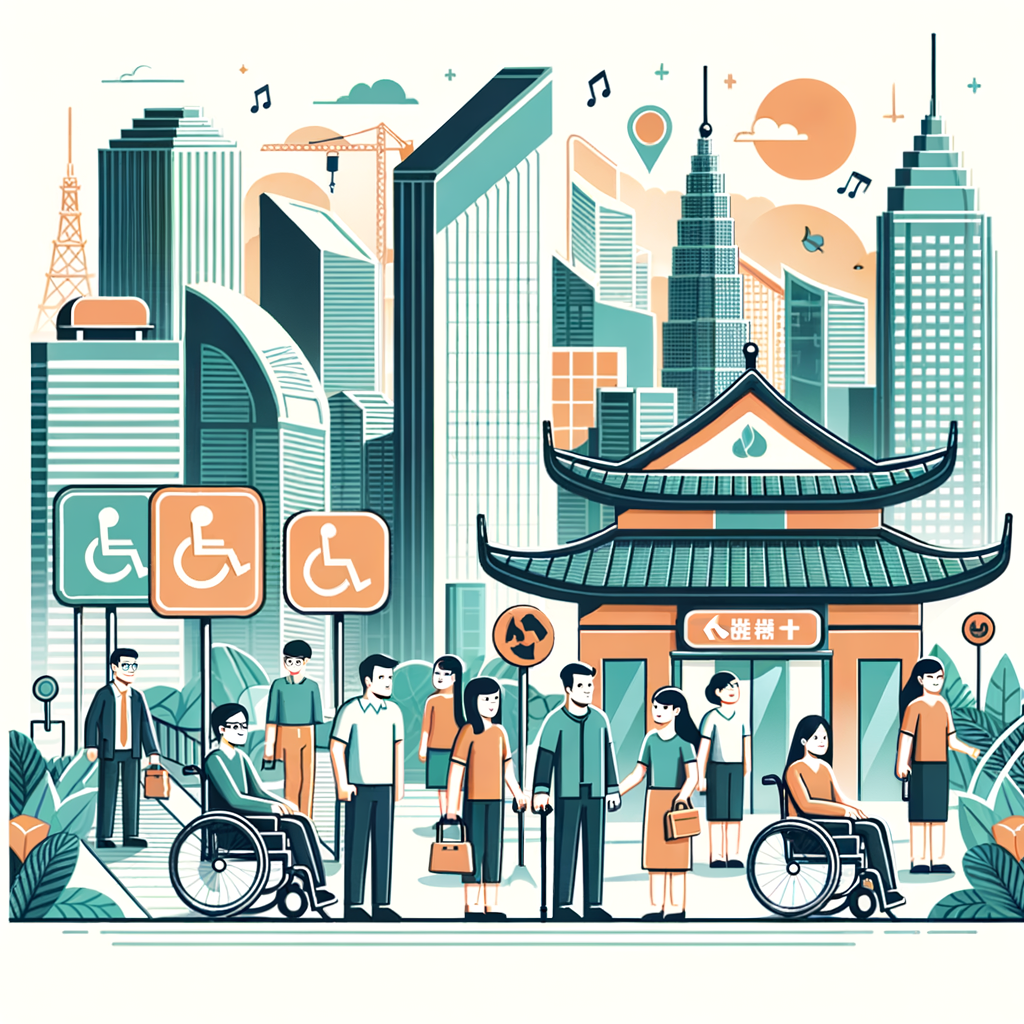
Community engagement is a powerful mechanism for fostering change from the ground up. Grassroots movements create a sense of ownership over disability rights issues, empowering communities to advocate for their needs and priorities. The Disability Rights Movement in South Africa is one such example, where activists at the local level have successfully campaigned for better access to public transportation, healthcare services, and educational opportunities.
- Advocacy for accessible public transportation
- Campaigns for inclusive healthcare services
- Efforts in educational reform and awareness
The grassroots approach amplifies marginalized voices, ensuring that all perspectives are considered in policy decisions. This engagement leads to tailored solutions that reflect the unique needs and circumstances of affected communities, enhancing the overall efficacy of advocacy efforts.
The Future of Disability Rights Activism
The future of disability rights activism promises to be dynamic, as the next generation leverages technology, engages in multi-platform advocacy, and collaborates globally to break down barriers. As awareness increases, so does the potential for innovative solutions to deep-seated systemic problems. Emerging leaders are not only vocal about what is needed in terms of rights and services but are active participants in shaping policy, initiating dialogues, and creating solutions.
While there are substantial challenges ahead, the momentum generated by this new wave of activists offers a hopeful outlook. Greater inclusivity and understanding across institutions, societies, and communities enable the desired systemic change. These advocates bring diversity of thought, experience, and strategy to the forefront, setting a precedent for future endeavors in disability rights.
In summary, the article has explored the transformative impact of social media, technology, inclusive education, legislative advocacy, and grassroots movements in advancing disability rights. These elements are the cornerstones of a growing movement spearheaded by a new generation of activists poised to effectuate meaningful and lasting change. By understanding and engaging with these contemporary trends, readers are better equipped to support these efforts and contribute to a more equitable world. Now is the time to act, to champion these causes, and become allies in the push for comprehensive global disability rights.
Your next step as a reader is to stay informed, share knowledge, and participate in advocacy efforts within your community. Whether it’s by supporting policies aimed at increasing accessibility or simply being more inclusive in your daily interactions, every action counts in the journey toward equality. Let’s work collectively towards a future where disability rights are not just an aspiration but a global reality.
Frequently Asked Questions
1. What are international disability rights, and why are they important?
International disability rights refer to the global effort to promote and protect the rights and dignity of people with disabilities. These rights are essential because they ensure that individuals with disabilities have equal opportunities and are treated with respect and dignity, just like anyone else. On a larger scale, these rights aim to create societies that are inclusive and accessible, eliminating barriers that exclude people with disabilities from participating fully in community life. The importance of international disability rights cannot be overstated, as they address issues like accessibility, education, employment, and legal protections, which are crucial for creating a just and equitable society for all.
2. Who are the next generation of disability rights activists?
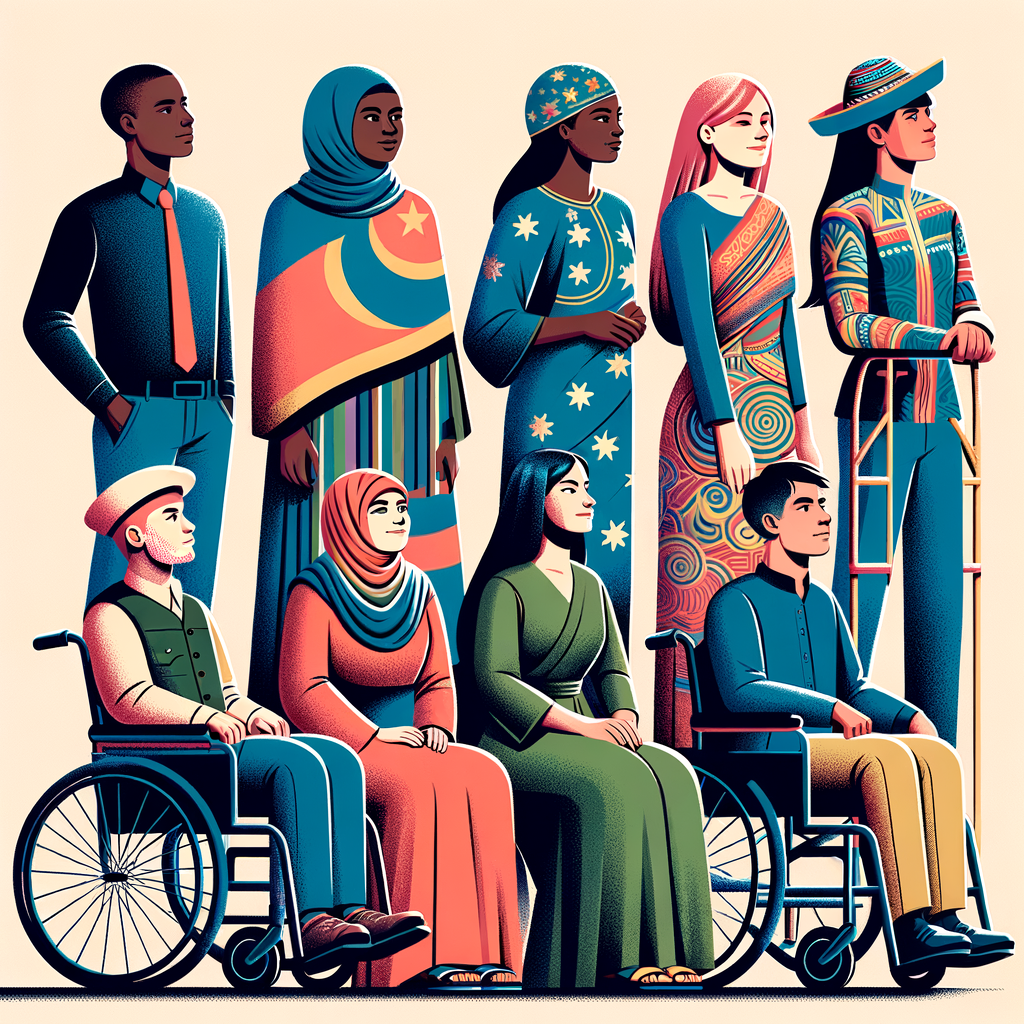
The next generation of disability rights activists comprises young, vibrant, and informed individuals from diverse backgrounds who are deeply committed to advancing inclusivity and equality worldwide. These activists are tech-savvy, often utilizing digital platforms and social media to amplify their voices and raise awareness about the issues faced by people with disabilities. Importantly, these emerging leaders are not just people with disabilities; they include allies who recognize the significance of advocating for disability rights. They’re working towards breaking down the societal and institutional barriers that perpetuate discrimination and inequality, striving to reshape perceptions and policies to create a more inclusive world.
3. What are some of the main challenges currently facing international disability rights advocates?
Despite significant progress, international disability rights advocates still face a myriad of challenges. These include systemic inequality, inadequate access to essential services (including education and healthcare), societal stigma, and legislative gaps which often leave individuals with disabilities marginalized. Moreover, there’s a lack of awareness and understanding about the full spectrum of disabilities, resulting in widespread misconceptions and stereotypes. In many parts of the world, there is insufficient enforcement of existing laws meant to protect the rights of people with disabilities, and the infrastructure remains inaccessible, hindering full participation in society. Activists are tirelessly working to address these issues, knowing that overcoming them is critical for achieving genuine equality and inclusivity.
4. How are terms like “accessibility,” “inclusive education,” and “universal design” relevant to the movement?
These terms are foundational to the disability rights movement because they encapsulate the principles necessary for ensuring equal participation in society by individuals with disabilities. “Accessibility” refers to the design of products, devices, services, or environments so as to be usable by all people, to the greatest extent possible, without the need for adaptation. “Inclusive education” promotes an education system where students with disabilities learn alongside their peers in the mainstream classroom, with the necessary accommodations to ensure equal learning opportunities. “Universal design” involves creating spaces and products that are usable by everyone, regardless of age, disability, or other factors, from the outset. These concepts help shape a world where disability does not equate to disadvantage and ensure environments are designed and operated to not exclude anyone.
5. How can individuals support the international disability rights movement?
Supporting the international disability rights movement can be done in various impactful ways. Educating oneself and others about disability rights and the struggles faced by those with disabilities is a crucial first step. Advocacy can take the form of joining or supporting organizations that work on disability rights, participating in campaigns, and using social media platforms to raise awareness. Volunteering with local and international disability rights organizations can also be immensely valuable. Furthermore, individuals can push for policy changes by contacting legislators to support laws and policies that promote inclusively and accessibility. Lastly, challenging stereotypes and promoting positive attitudes towards people with disabilities in everyday interactions can contribute significantly to societal change. Every action counts and can collectively drive the movement forward.