Introduction to Accessibility Technology: Importance and Key Definitions
In an increasingly digital world, the term “accessibility technology” refers to tools and resources specifically designed to assist individuals with disabilities, ensuring they have equal access to information and services available to everyone else. The rise of such technologies has profound implications for societal equality, economic opportunities, and the empowerment of differently-abled individuals. Unfortunately, despite the potential benefits, numerous ethical challenges accompany the development and deployment of these technologies. Understanding and actively participating in dialogues around these ethical considerations is crucial for fostering a fair and inclusive digital environment.
Ethical concerns in accessibility technology include the privacy of individuals using these tools, the quality and reliability of technological aids, and the equitable access to said technologies. Indeed, some technologies designed to help the disabled inadvertently invade their privacy or do not offer equal access across various socio-economic groups. Focusing on these ethical concerns raises awareness and facilitates the creation of standards that govern the development and implementation of accessibility solutions worldwide.
This article explores the various subtopics within the ethics of accessibility technology, examining real-world examples, challenges, and opportunities. By engaging with these dialogues, stakeholders, including policymakers, technology developers, and everyday users, can contribute to shaping a more equitable future.
The Privacy Dilemma in Accessibility Technology
One of the most pressing ethical concerns surrounding accessibility technology is user privacy. As developers create more personalized and efficient assistive devices, these technologies often require unprecedented access to personal data. For instance, GPS tracking and audio data collection are sometimes necessary to enable navigation aids and speech recognition for visually impaired individuals. However, this raises significant privacy challenges as sensitive personal information may be exposed to unauthorized parties or misuse.
The case of the smart voice assistant “Cloe,” designed for the visually impaired, illustrates this point. While it provides invaluable assistance by recognizing user voice patterns and commands, the device also captures and stores extensive data. In some instances, data breaches have exposed sensitive information, causing considerable distress to users. This highlights the need for developing stringent data protection measures and transparent policies regarding data usage in accessibility technologies.
Ensuring Quality and Reliability
The quality and reliability of accessibility technologies are paramount, as these tools directly impact the daily lives of those who rely on them. Technological failures or inconsistencies can result in significant inconveniences or even dangers, leading to limited trust and decreased adoption among users. Therefore, ensuring that accessibility technologies undergo rigorous testing and certification processes is an ethical obligation for developers and manufacturers.
Consider prosthetic devices using advanced robotic algorithms to provide enhanced mobility for individuals with limb disabilities. If these devices malfunction, it may lead to missed workdays, accidents, or a decrease in the individual’s confidence in technology. The story of a patient named John, who experienced recurring issues with his AI-driven prosthetic leg due to software glitches, emphasizes the repercussions of releasing inadequately tested technology. John’s experience underscores the ethical duty of technology companies to ensure their products are thoroughly validated before they reach consumers.
Addressing Economic Disparities in Technology Access
Accessibility technology holds the potential to equalize opportunities for everyone, yet economic disparities can hinder its reach. While some groundbreaking devices are available for those with financial means, underserved communities may be left behind, unable to afford essential assistive tools. This economic divide calls for international dialogues promoting funding initiatives, subsidies, and policies tailored to make accessibility technology more affordable and accessible for all socio-economic groups.
- In wealthy nations, a significant portion of available assistive technology suffers from exceedingly high costs, which government subsidies partially address.
- In developing countries, sparse investment in accessibility solutions limits access to even basic assistive devices, resulting in compromises to the quality of life for individuals with disabilities in those regions.
For example, a wheelchair-mounted robotic arm that assists individuals with daily activities could cost upwards of $20,000, pricing it beyond the reach of many users. This highlights the need for partnerships between governments, NGOs, and private-sector players to make such innovative solutions more affordable through subsidies and targeted funding initiatives.
Inclusive Design: Bridging Gaps Through Collaboration
Collaboration among stakeholders emerges as a core ethical principle to design accessible technologies effectively. The concept of inclusive design emphasizes cooperation among developers, disability advocates, and end-users to create products that cater to diverse needs and foster accessibility. Embracing inclusivity ensures that technology development does not result in biased or inappropriate solutions limiting usability for certain user groups.
A highly illustrative example of inclusive design’s benefits is the collaboration between a team of software developers and the National Federation of the Blind to enhance screen reader accessibility on popular e-commerce websites. By working closely with visually impaired users, the developers could better understand unique challenges and implement changes that significantly improved the overall user experience, setting a benchmark for others to follow.
Sustainability and Environmental Responsibility in Production
Equally significant in ethical discussions on accessibility technology is sustainability and environmental responsibility. Manufacturing accessibility devices often involves resources and processes that may contribute to environmental degradation. Ethically designing and producing such devices require a commitment to sustainable practices, incorporating environmentally friendly materials, and implementing recycling initiatives to minimize waste.
Take, for example, the development of eco-friendly hearing aids by the company “GreenHear,” which has made strides by using recycled plastics and innovative energy-efficient batteries. These considerations not only reduce the technological footprint but also highlight an organizational commitment to ethical principles that prioritize the environment alongside functional excellence.
Conclusion: The Path Forward for Accessibility Technology
The ongoing international dialogues on the ethics of accessibility technology are pivotal in shaping a more inclusive and equitable world. As the realm of accessibility technology grows, so does the necessity for concerted efforts to tackle challenges such as privacy concerns, quality assurance, economic accessibility, inclusive design, and sustainability. The combined insights of developers, users, and policymakers through these discussions will foster an ethical framework ensuring that accessibility technologies serve their intended purpose, with optimal effectiveness.
As engaged stakeholders, readers must prioritize participation in these dialogues and advocate for policies and initiatives supporting ethical standards in accessibility technology. By valuing ethical principles, we assure not only an equitable dissemination of technology but also reinforce a shared commitment to a world where every individual, regardless of ability, reaps the full benefits of digital advancements.
Take the next step by exploring avenues for advocacy, participating in forums discussing accessibility technology ethics, and initiating conversations within your community to support ethical developments in this vital field.
Frequently Asked Questions
1. What is accessibility technology and why is it important?
Accessibility technology encompasses a variety of tools and resources that are specifically designed to enhance the daily lives of individuals with disabilities. This technology ensures that people who may have physical, sensory, or cognitive impairments can enjoy the same access to information and services as everyone else. In today’s digital age, this includes everything from screen readers for visually impaired users to adaptive communication devices for those with speech difficulties. The importance of accessibility technology lies in its ability to promote social equality and inclusion, allowing differently-abled individuals to participate fully in society. By breaking down barriers to communication and access, it empowers these individuals, opening up new economic opportunities, enhancing quality of life, and fostering a culture of inclusion and diversity. When accessibility technology is effectively integrated into society, everyone benefits – not just those with disabilities.
2. How do international dialogues contribute to the development of ethical standards in accessibility technology?
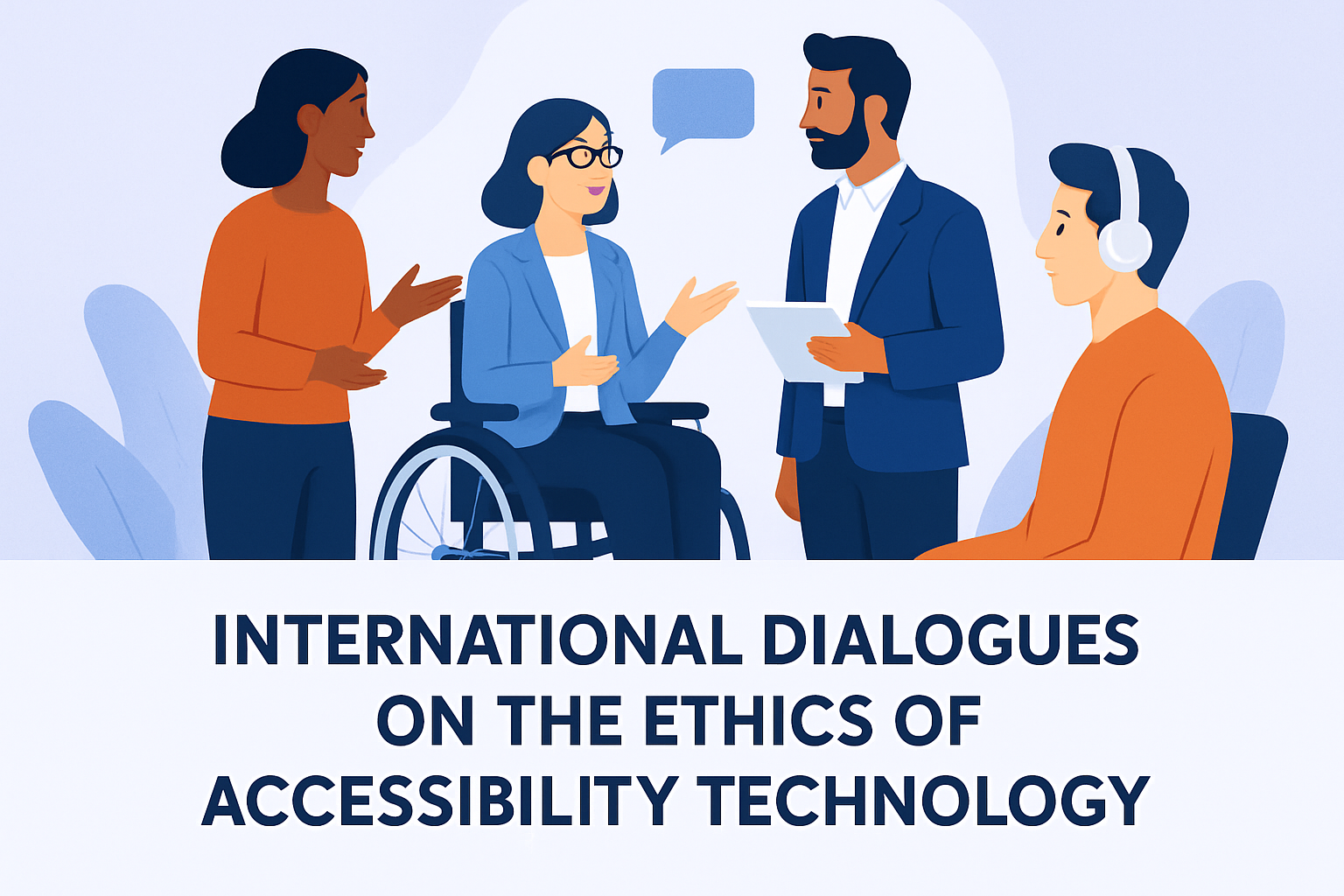
International dialogues are critical in shaping the ethical standards of accessibility technology because they provide a platform for diverse stakeholders to share knowledge, experiences, and perspectives. These dialogues often involve policymakers, technologists, disability advocates, and end-users from different cultural and socio-economic backgrounds coming together to address issues of accessibility and disability rights. By having these conversations on a global scale, there is an opportunity to learn from successes and challenges faced in various parts of the world, leading to more refined and universally applicable ethical guidelines. Moreover, international discussions can help in harmonizing standards and practices, ensuring that accessibility technology is developed in a way that respects human rights, protects user privacy, and promotes equitable access across different regions. Engaging in these dialogues also helps keep pace with rapid technological advancements, ensuring that emerging technologies do not exacerbate existing inequalities or create new barriers for those with disabilities.
3. What challenges are faced in the global implementation of accessibility technology?
Implementing accessibility technology on a global scale presents various challenges that need to be addressed. One primary challenge is the disparity in economic resources and technological infrastructure between countries. While developed nations may have the means to invest heavily in the latest accessibility tools and resources, many developing countries may struggle to provide even basic accommodations. Additionally, there are variations in awareness and attitudes towards disability, with some cultures placing less emphasis on the rights and needs of individuals with disabilities. Furthermore, there is the challenge of developing technology that is adaptable to different languages, cultural contexts, and legal frameworks. Standardizing accessibility technology while respecting local laws and cultural norms can be complex, requiring careful collaboration among international bodies, governments, and technology developers. Finally, there is the ongoing challenge of maintaining user privacy and data security, ensuring that accessibility solutions do not inadvertently expose sensitive information or discriminate against users based on their disabilities.
4. How does accessibility technology impact economic opportunities for individuals with disabilities?
Accessibility technology can significantly broaden economic opportunities for individuals with disabilities by enabling them to participate more fully in the workforce and entrepreneurial activities. One major impact is through the removal of physical and informational barriers that historically excluded disabled individuals from certain job roles or industries. Technologies such as remote collaboration tools, adaptable workstations, and specialized software enable people with disabilities to work effectively from various environments, creating an inclusive workplace. Accessibility technology also facilitates education and professional development, giving disabled individuals the tools they need to acquire new skills and qualify for higher-paying jobs. Moreover, by automating mundane tasks and aiding in complex processes, these technologies allow individuals to focus on creative and strategic tasks, increasing productivity and career advancement opportunities. Beyond traditional employment, accessibility technology empowers individuals to engage in entrepreneurial ventures, whether by creating and selling unique products and services or by reaching new markets online. By leveling the playing field, accessibility technology plays a critical role in economic empowerment and independence for people with disabilities.
5. What ethical considerations should developers keep in mind when creating accessibility technology?
The development of accessibility technology involves several ethical considerations that tech creators need to carefully weigh. First and foremost is the principle of inclusivity, ensuring that products are designed with a broad range of disabilities in mind, including visual, auditory, cognitive, and physical impairments. Developers should engage directly with the disabled community, involving potential users in the design and testing phases to better understand their needs and preferences. Privacy is another key concern; developers must prioritize the protection of users’ data and ensure that their products do not inadvertently expose sensitive information. Transparency in how data is collected, stored, and used is essential to maintaining user trust. Accessibility technology should also be developed with a focus on universal design principles, which aim to create products usable by everyone, to the greatest extent possible, without the need for adaptation or specialized design. Furthermore, affordability is an ethical concern; creating cost-prohibitive solutions can inadvertently exclude the populations they aim to help. Finally, developers must be vigilant about ensuring that their technologies do not introduce new barriers or exacerbate existing inequalities, continually reviewing and updating products to align with evolving standards and user needs.