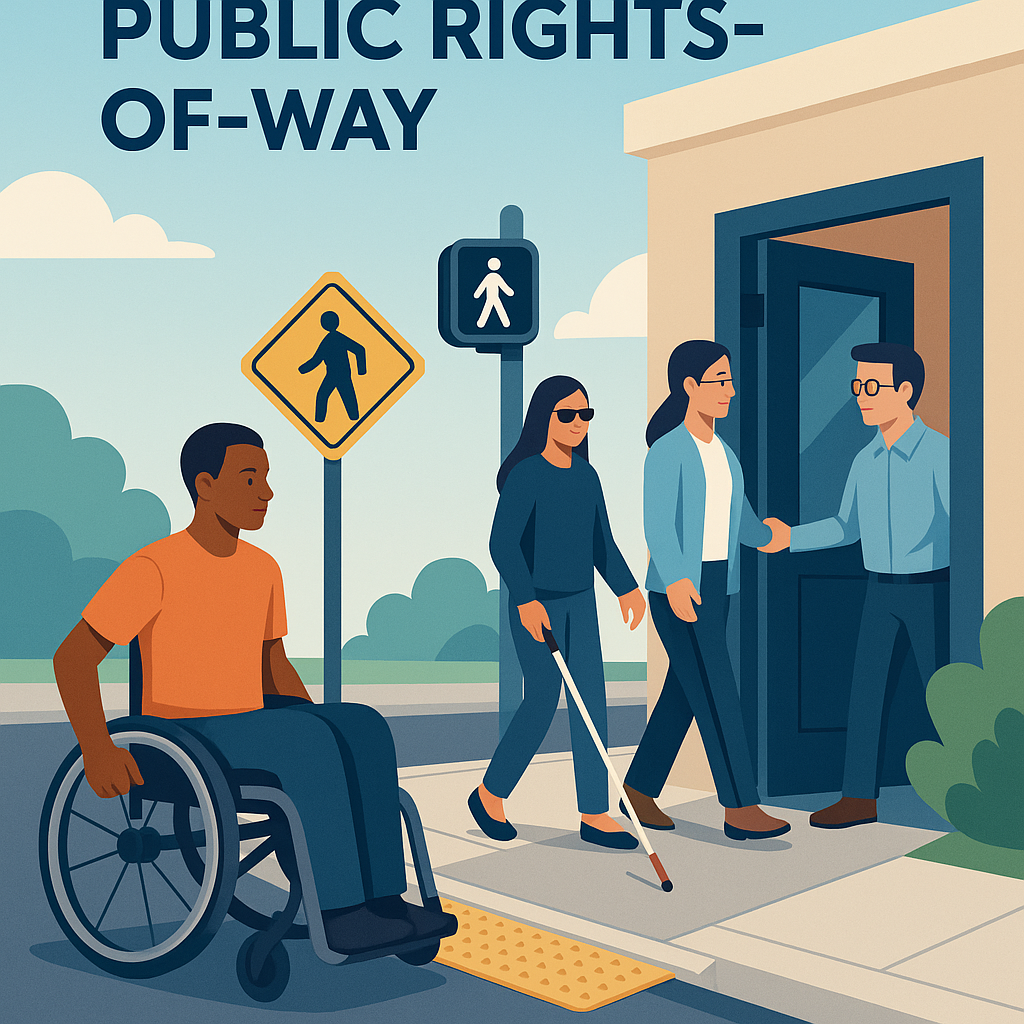
The case of Frame v. City of Arlington highlights a crucial intersection between public infrastructure and accessibility rights, particularly concerning the Americans with Disabilities Act (ADA). As cities continue to grow and update their public spaces, ensuring accessibility for all residents becomes a significant focal point. The ADA, enacted in 1990, was designed to prohibit discrimination against individuals with disabilities. Despite its existence, many public rights-of-way remain inaccessible, resulting in cases like Frame v. City of Arlington, which amplify the conversation on ADA compliance. Understanding the intricacies of this case is essential for city planners, policymakers, and citizens who aim to build inclusive communities.
The significance of Frame v. City of Arlington lies not just in its determination but in its broader implications on local governments across the United States. It challenges how we interpret ADA compliance for public infrastructure, such as sidewalks and pedestrian crossings, which are integral to urban life. With a growing number of cities enhancing their infrastructures, understanding and implementing ADA standards becomes imperative to fostering inclusiveness and equality.
The Background of Frame v. City of Arlington
Frame v. City of Arlington was a lawsuit initiated by several individuals with disabilities against the City of Arlington, Texas, asserting that the city failed to make public rights-of-way accessible. This case arose in the context of sidewalks and street crossings that were either nonexistent or not in compliance with ADA standards, hence unusable for individuals with disabilities. The plaintiffs argued that these infrastructural inadequacies restricted their ability to move freely and safely within their community, violating their rights under the ADA.
Initially, the courts faced the challenge of determining whether public rights-of-way fell under the ADA’s jurisdiction and if they necessitated compliance similar to public buildings. This determination was critical, as it would set a precedent on how comprehensively local governments must act to ensure accessibility. The case emphasized the duty of municipalities to not just maintain but also upgrade their infrastructure to include ramps, tactile paving, and other features accommodating individuals with disabilities.
Legal Nuances and Court Rulings
The core of Frame v. City of Arlington revolved around legal interpretations of what constitutes accessibility under the ADA for public rights-of-way. For such cases, the ADA mandates state and local governments to ensure their services, programs, and activities, including pedestrian facilities, are accessible to individuals with disabilities. The ruling of this case ultimately asserted that sidewalks and related pathways are vital channels for services and thus fall under the ADA’s purview.
Throughout the legal proceedings, the courts navigated different standing issues and procedural hurdles. Notably, the Fifth Circuit Court initially dismissed the case, citing a lack of standing. However, upon appeal, the full Fifth Circuit revisited the decision, ultimately ruling that the ADA’s provisions indeed encompassed public sidewalks. This extensive legal journey underscored how crucial it is to embrace comprehensive ADA standards in urban planning and the responsibility of local governments to adhere to these requirements.
Real-World Implications and Challenges
The outcomes of Frame v. City of Arlington reverberated beyond Texas, sparking discussions nationwide about public infrastructure and accessibility. A primary implication of the case was its role in pushing municipalities towards considering ADA compliance more rigorously during the planning and execution of public projects. Cities, therefore, have faced pressure to retrofit existing infrastructure and design new developments that inherently meet ADA standards.
Despite this progress, significant challenges persist, particularly concerning funding and logistical constraints. Implementing comprehensive corrective measures across expansive city spaces demands substantial investment and careful planning. Nonetheless, the positive impact on community equity and quality of life justifies these efforts. Cities like San Francisco and New York have emerged as examples, demonstrating how proactive measures in upgrading sidewalks and crossings can facilitate mobility and guarantee safety for individuals with disabilities.
Steps Toward ADA-Compliant Infrastructure
Addressing the exigencies illuminated by Frame v. City of Arlington involves several critical steps for local municipalities. Structural enhancements like curb cuts, tactile surfaces, and adequate crossing signals are fundamental to ensuring compliance. Furthermore, cities must also establish structured monitoring systems to evaluate the state of public pathways consistently.
| ADA Compliance Feature | Description |
|---|---|
| Curb Ramps | Sloped transitions between sidewalks and streets to aid wheelchair access. |
| Tactile Paving | Textured ground surface indicators used to convey information to pedestrians with vision impairments. |
| Accessible Signals | Indicators with audio cues at crosswalks to inform when it is safe to cross. |
| Pathway Maintenance | Regular repair and upkeep to remove obstacles and hazards from sidewalks. |
Moreover, involving community stakeholders, including those with disabilities, can instigate more informed decisions in urban planning, ensuring that pathways meet diverse needs. Transparent communication and collaborative processes bolster trust and generate designs that genuinely reflect community inclusivity. The case serves as a reminder of the state’s obligation to all citizens, reinforcing that accessibility should never be sidelined but instead prioritized as a standard of urban development.
Future Directions and Policy Implications
The deliberations and rulings spurred by Frame v. City of Arlington have bolstered advocacy for a clearer interpretation of the ADA and its application. Policy dialogs now increasingly pressure states and municipalities to actively review current infrastructure compliance and outline specific guidelines that address accessibility more comprehensively. Consequently, this case has set the stage for legislative reviews and amendments focusing on unifying standards across jurisdictions, ultimately pushing the agenda of accessibility to the top of urban development priorities.
For future developments, the synergy between policy, design, and community engagement will be key to achieving transport equity and accessibility. This integration will entail ongoing dialogue and collaboration between architects, city planners, policymakers, and community groups. By cultivating an environment conducive to continuous improvement, municipalities are better positioned to adapt and innovate ADA-compliant solutions.
Conclusion: Ensuring Accessibility and Compliance
In conclusion, Frame v. City of Arlington emphasizes the legal and ethical obligations that cities have to ensure accessibility in public rights-of-way for individuals with disabilities. The complexities explored in this case highlight an ongoing journey towards achieving cohesive ADA standards across public pathways. Not merely a legal battle, it invokes a broader discourse on inclusivity, driving local governments to prioritize equitable access within their infrastructural frameworks.
This case also serves as a guideline for cities to assess their compliance strategies and implement necessary improvements proactively. Encouragingly, it actuates local entities, advocacy groups, and citizens to become vigilant stewards of public spaces, championing for a landscape that faithfully represents accessibility for all.
Readers should consider how they can contribute to their communities by advocating for continued improvements and supporting policies that align with ADA requirements. By familiarizing themselves with ADA standards and actively participating in local government discussions or initiatives, individuals can foster change and help build a society that values equal access. Engaging in conversations about rights-of-way accessibility ensures that everyone benefits from public spaces safely and autonomously.
Understanding this intricate legal narrative paves the way for active participation in an ongoing movement promoting accessibility—a common right that upholds dignity and autonomy for all individuals.
Embark on this journey by evaluating your community’s infrastructure, meeting your local officials, and championing for a site-specific roadmap that endeavors to make accessibility a reality in every public pathway that connects and shapes urban life.
Frequently Asked Questions
What was the central issue in the case of Frame v. City of Arlington?
The central issue in the case of Frame v. City of Arlington revolved around ADA compliance within the public rights-of-way. This legal case was initiated by individuals who contended that the City of Arlington had failed to construct and maintain accessible sidewalks, curb ramps, and other pedestrian routes that are usable by people with disabilities. They argued that such non-compliance with the Americans with Disabilities Act, a landmark civil rights law enacted in 1990 designed to prevent discrimination against people with disabilities, was hindering their full participation in public life. Essentially, the plaintiffs sought to enforce accessibility standards in public infrastructure, challenging the city’s responsibilities in adhering to the ADA guidelines.
How does the ADA influence public rights-of-way?
The Americans with Disabilities Act (ADA) strongly influences the design and maintenance of public rights-of-way, as it mandates that all public spaces be accessible to individuals with disabilities. This includes sidewalks, crosswalks, pedestrian signals, and other public pathways. The ADA establishes specific guidelines and requirements to ensure that these spaces can be used comfortably and safely by all people, regardless of their physical abilities. Compliance with these standards often involves installing curb ramps at intersections, maintaining smooth sidewalk surfaces, and ensuring that public transportation stops are accessible. The goal is to provide equal access and eliminate barriers that prevent people with disabilities from interacting with their communities and accessing important services.
Why is ADA compliance still an issue for many cities today?
Despite the enactment of the ADA over three decades ago, many cities continue to face challenges in achieving full compliance, particularly regarding the infrastructure that existed prior to the law’s implementation. The primary barriers include financial constraints, as modifying existing public structures to meet ADA standards can be costly. Additionally, logistical issues related to the integration of new accessibility features with old infrastructure can complicate the process. There is also often a lack of awareness or prioritization of accessibility issues among city planners and administrators, contributing to delayed compliance efforts. Regular maintenance and updates are necessary to keep public rights-of-way accessible, which requires ongoing commitment and resources from local governments.
What are the consequences for cities that fail to comply with ADA regulations in their public rights-of-way?
Cities that do not comply with ADA regulations can face several consequences, both legally and socially. Legally, they are subject to lawsuits from individuals with disabilities, advocacy groups, or the Department of Justice, which can result in injunctions requiring the city to make necessary modifications and potentially significant financial penalties. Non-compliance can also lead to a loss of federal funding, as adherence to ADA standards is often a requirement for receiving certain types of federal aid. Beyond legal repercussions, failure to comply harms the city’s reputation and can result in public outcry from citizens who are unable to access essential services or participate fully in their communities. Socially, non-compliance excludes a population segment, undermining social equity and inclusion principles.
What steps can cities take to ensure ADA compliance in their public rights-of-way?
Cities can take several proactive steps to ensure ADA compliance in their public rights-of-way. Firstly, they should conduct comprehensive accessibility audits to identify any barriers or deficiencies in current infrastructure. Engaging with community members, especially those with disabilities, can provide valuable input and ensure that the real needs are being addressed. Based on audit findings, cities should develop an ADA Transition Plan outlining the modifications needed, prioritizing areas with the highest usage or accessibility barriers. Implementing regular maintenance schedules and setting aside budgetary allocations specifically for ADA compliance can help manage costs over time. Training city personnel on ADA requirements and creating an action plan for new installations and updates also play crucial roles in maintaining compliance. Finally, open communication channels with residents about accessibility initiatives can foster community support and provide feedback opportunities for continuous improvement.