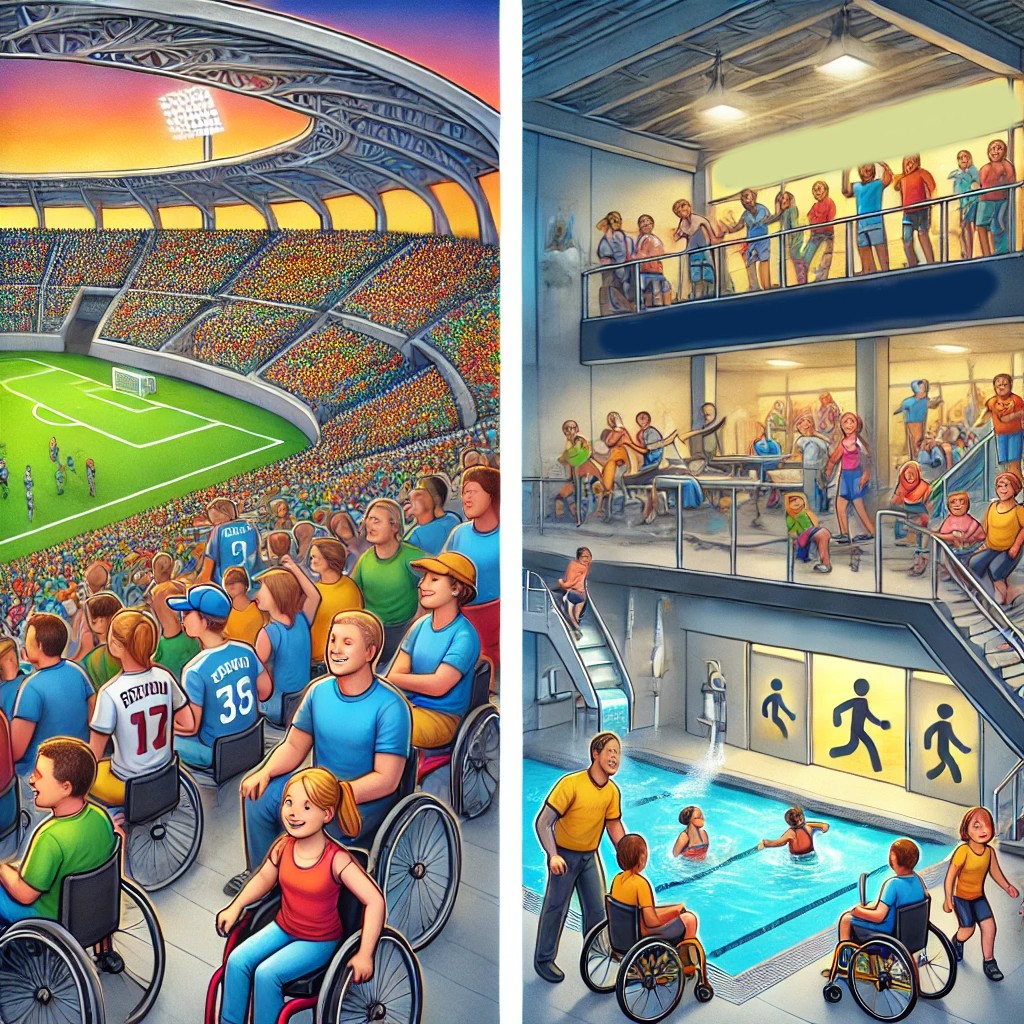
In the realm of sports and recreation, accessibility cannot be overstated. For individuals with disabilities, equal access to sports facilities is not just a courtesy, but a legal right. This right is upheld by the Americans with Disabilities Act (ADA), a landmark piece of legislation that aims to eliminate barriers and provide fair opportunities for disabled individuals.
Enacted in 1990, the ADA represents a crucial turning point in civil rights history, mandating that public facilities, including sports venues, accommodate the needs of people with disabilities. However, compliance with ADA regulations isn’t just about adhering to the law; it’s about embracing inclusivity and ensuring everyone can participate in or enjoy sports. This article delves into the ADA’s implications for sports facilities, the requirements they must meet, and the benefits of fostering accessible environments.
Understanding the ADA
The Americans with Disabilities Act is comprehensive in scope, covering a wide range of public and private entities. It is divided into five key titles, with Title II and Title III having direct implications for sports facilities. Title II applies to state and local government entities, ensuring that public services and programs are accessible to individuals with disabilities. Title III, on the other hand, affects private businesses and nonprofit organizations that are considered public accommodations.
Sports facilities, whether owned by government entities or private organizations, fall under these titles. To be compliant, these facilities must remove architectural barriers, provide adequate seating for disabled individuals, and offer accessible routes and amenities, among other requirements. The objective is to create an environment where people with disabilities can fully engage in sporting activities, whether as athletes, spectators, or staff.
Key Compliance Requirements
Several critical components must be addressed to ensure a sports facility is ADA compliant. One primary requirement is the removal of architectural barriers, which includes making entrances, exits, and routes within the facility accessible. Ramps, elevators, and lifts may be necessary to navigate different levels.
Seating is another crucial aspect. Sports venues must provide wheelchair-accessible seats dispersed throughout the seating area. This ensures that individuals using wheelchairs have options and are not relegated to one section. Additionally, companion seating should be provided adjacent to wheelchair spaces, allowing friends and family to sit together.
Restrooms, concession stands, and ticket counters must also be accessible. This means providing lower counters, wider stalls, grab bars, and other modifications that accommodate individuals with various disabilities. Signage and wayfinding are equally important, with clear, legible signs that include Braille and tactile characters where needed.
Specific Challenges for Sports Facilities
Implementing ADA compliance in sports facilities can be challenging due to their size and complexity. Large stadiums, arenas, and recreational complexes often feature multiple levels, extensive seating areas, and numerous amenities. Retrofitting older facilities to meet ADA standards can be both costly and logistically challenging.
For instance, older stadiums may lack elevators or ramps, making it difficult for disabled individuals to access different levels. Updating these structures requires careful planning, significant investment, and sometimes, creative engineering solutions. Furthermore, ensuring adequate seating for disabled individuals while maintaining sightlines and meeting other spectator needs can be a delicate balance.
Despite these challenges, compliance is not optional. Facilities that fail to meet ADA standards can face legal penalties, including fines and mandatory upgrades. Moreover, non-compliance can lead to negative publicity and damage the reputation of the sports organization, which can impact ticket sales and community support.
The Role of Technology
Technology plays a pivotal role in enhancing ADA compliance in sports facilities. Modern advancements offer innovative solutions to many of the challenges faced by these venues. For example, assistive listening systems can help individuals with hearing impairments enjoy events more fully.
Mobile apps designed for accessibility can provide navigation assistance, helping disabled individuals find accessible parking, entrances, and seating. These apps can also offer real-time updates on facilities, services, and any issues that may affect accessibility. Closed captioning and audio description services can improve the experience for individuals with hearing or visual impairments.
Moreover, virtual tours and digital guides can offer insight into the accessibility features of a facility before individuals even arrive. This information can help them plan their visit more effectively, ensuring they know what to expect and how to navigate the venue.
Benefits of ADA Compliance
Achieving ADA compliance offers numerous benefits beyond legal adherence. Primarily, it promotes inclusivity and ensures that everyone, regardless of ability, can participate in and enjoy sports. This fosters a more diverse and engaged community, enhancing the social and cultural value of sports events.
Accessible facilities can also improve attendance and revenue. By welcoming a broader audience, sports venues can fill more seats and attract diverse demographics. This inclusivity can extend to athletes as well, encouraging more individuals with disabilities to engage in sports and contributing to the talent pool.
Moreover, compliance can enhance the reputation of a sports organization. Being recognized as an inclusive and accessible venue can attract positive media attention, sponsorships, and support from advocacy groups. This positive image can translate into tangible benefits, such as increased community support and business partnerships.
Conclusion
In summary, the Americans with Disabilities Act is a cornerstone of inclusive public policy, particularly within sports facilities. The aim is not only to comply with legal requirements but to foster a welcoming and accommodating environment. This goes beyond removing physical barriers and extends to ensuring that all individuals, regardless of disabilities, have the opportunity to enjoy and participate in sports.
Facilities that successfully implement ADA guidelines stand to gain significantly, from enriched community engagement to potential increases in attendance and revenue. However, the path to compliance involves understanding specific requirements, overcoming logistical challenges, and leveraging technology to create accessible experiences.
Ultimately, ADA compliance is about building a culture of inclusivity. As sports continue to play a significant role in society, making these experiences accessible to everyone is essential. Whether you’re a facility manager, an architect, or a community advocate, embracing ADA guidelines ensures that all individuals have the chance to participate in the joy, unity, and excitement that sports bring.
Frequently Asked Questions
1. What is ADA compliance, and why is it important for sports facilities?
ADA compliance refers to the adherence to the Americans with Disabilities Act (ADA), which is essential for ensuring that individuals with disabilities receive equal access to public spaces, including sports facilities. This compliance guarantees that all patrons, regardless of disability, can enjoy sports and recreational activities without facing unnecessary barriers. Importance stems from not only ethical considerations but also legal obligations. Non-compliance can lead to lawsuits, fines, and damage to a facility’s reputation. By following ADA guidelines, sports facilities make strides towards inclusivity, ensuring that everyone has the opportunity to engage in physical activities, fostering a more diverse and accommodating environment.
2. What are the main requirements for sports facilities under the ADA?
The ADA ensures that sports facilities must meet specific accessibility standards. These include the provision of ramps, elevators, or lifts for accessible routes, ensuring barrier-free entries. Seating arrangements must accommodate wheelchair users, and companion seating should be available. Locker rooms, restrooms, and other common facilities should have accessible amenities. Signage with Braille for visually impaired individuals is necessary, and auditory announcements or visual alerts may be needed for those with hearing impairments. Additionally, staff should be trained in assisting patrons with disabilities effectively, promoting a welcoming and helpful atmosphere. Sports facilities must maintain these features and integrate them into renovations or new constructions, ensuring ongoing compliance.
3. How can sports facilities become ADA compliant?
Becoming ADA compliant involves a detailed evaluation of the facility’s current state and any barriers that should be addressed. Sports facilities should conduct an ADA audit, which assesses physical layout, available services, and staff training. Post-audit, a strategic plan should be created to implement necessary changes, such as installing ramps, widening doorways, or adjusting seating arrangements. This may include redesigning existing elements to meet ADA specifications while ensuring ongoing maintenance to prevent accessibility issues. Consulting with ADA experts can provide valuable insights during planning. Training staff on disability awareness and the use of any specialized equipment is also critical; continuous education helps maintain a high standard of service. Throughout the process, keeping open communication with local disability groups can provide real-world perspectives on accessibility needs.
4. What are the consequences of not adhering to ADA compliance in sports facilities?
Failure to comply with ADA standards can result in serious repercussions for sports facilities. Legal challenges are common, as patrons can file complaints leading to investigations by the Department of Justice. Such cases can result in heavy fines and mandatory corrections at the facility’s expense. Beyond legal issues, non-compliance tarnishes a facility’s public image, deterring customers and potentially causing a loss in revenue. It shows a lack of inclusivity and consideration for people with disabilities, which can become a public relations challenge. Facilities may find it beneficial to frequently review compliance status and implement strategies proactively, thereby avoiding potential pitfalls while demonstrating commitment to equality and inclusivity in sports.
5. Can small sports facilities afford to be ADA compliant?
Although some small sports facilities may perceive ADA compliance as costly, prioritizing accessibility need not be financially burdensome. Initial investments in accessibility improvements are balanced by increased patronage and the avoidance of costly lawsuits. To make compliance more manageable, facilities can phase in improvements over time, prioritizing the most critical areas first. Seeking grants or other funding options earmarked for improving accessibility can alleviate financial pressures. Certain tax incentives are available to assist with compliance costs, such as the Disabled Access Credit and the Barrier Removal Tax Deduction. By creatively approaching compliance challenges and utilizing available resources, small sports facilities can establish inclusive environments that welcome all patrons, ultimately expanding their customer base and community impact. Investing in ADA compliance is not merely about adhering to legal requirements; it showcases a commitment to diversity and accessibility that resonates positively across all communities.