The Americans with Disabilities Act (ADA), signed into law in 1990, is a civil rights law that prohibits discrimination based on disability. This comprehensive piece of legislation ensures that individuals with disabilities have the same rights and opportunities as everyone else. Among its many provisions, the ADA includes mandates for accessible public environments, an essential factor in fostering inclusivity. This article delves into advanced topics of ADA compliance particularly focusing on multi-user public environments. Through understanding these topics, business owners, managers, and policymakers can create spaces that accommodate everyone, ensuring that they meet both legal requirements and societal expectations.
Importance of ADA Compliance in Multi-User Public Environments
Multi-user public environments, such as malls, airports, theaters, and stadiums, present unique challenges and opportunities for ADA compliance. These spaces are designed to accomodate a high volume of diverse individuals, making accessibility critical. ADA compliance is not just about following the law; it’s about providing equal access to all users, promoting inclusivity, and ensuring safety. When facilities fail to meet ADA standards, people with disabilities are excluded from full participation in daily activities, facing unnecessary barriers that can lead to isolation and discrimination.
Moreover, the legal and financial repercussions of non-compliance can be severe. Businesses can face lawsuits, fines, and damage to their reputations if they fail to provide accessible environments. Understanding and implementing ADA guidelines is thus not only a moral imperative but also a sound business practice. A comprehensive approach to ADA compliance ensures that everyone, regardless of their physical abilities, can interact with their surroundings effectively, enjoying the same level of comfort and safety as any other individual.
Architectural Elements and Design Considerations
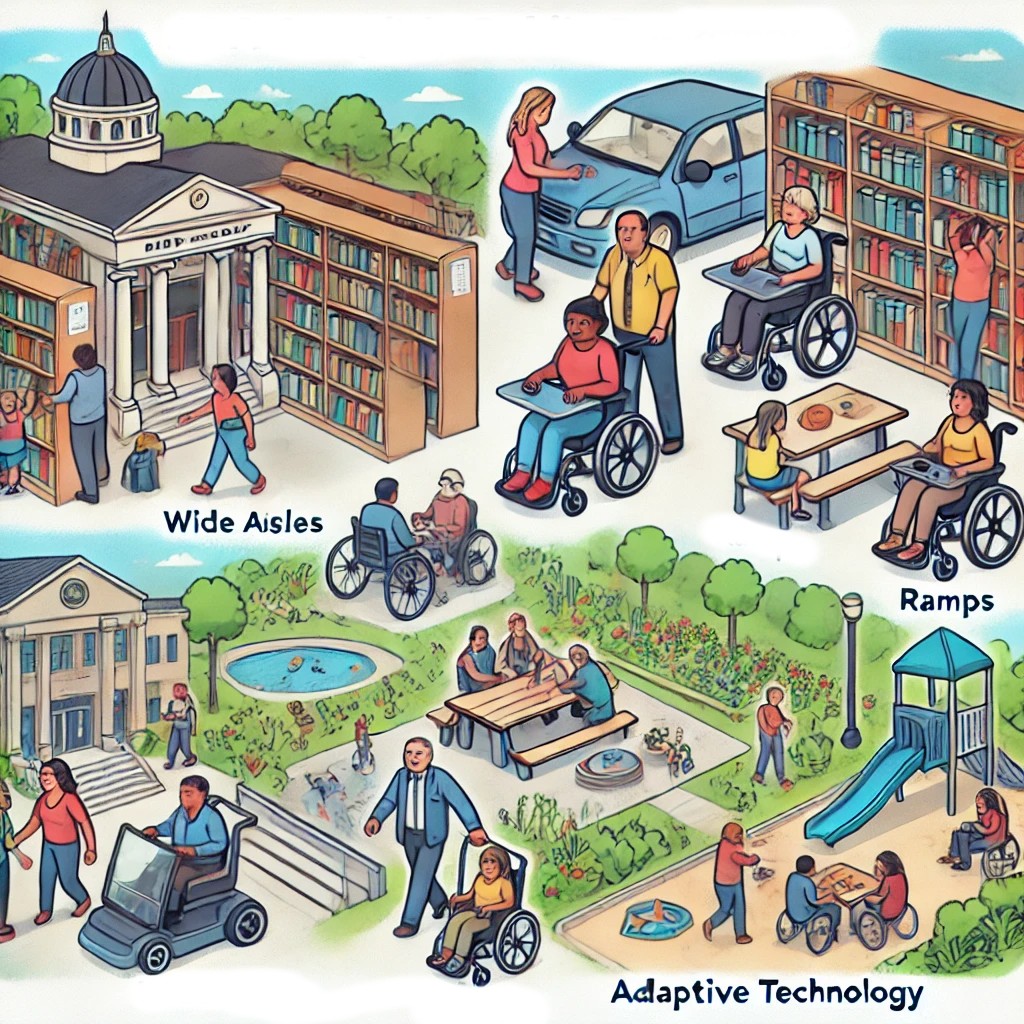
Ensuring ADA compliance in multi-user public environments starts with thoughtful architectural design. Specific elements must be considered to accommodate individuals with various disabilities. These elements include accessible entrances, ramps, elevators, restrooms, and seating areas. When designing or renovating spaces, planners must ensure that all pathways are wide enough for wheelchair access and free of obstructions.
Accessible entrances are crucial. Automatic doors or doors that require minimal force to open are essential, as are ramps and curb cuts for individuals using mobility devices. Inside the facilities, elevators should be equipped with auditory and visual signals to aid users with hearing and visual impairments. Restrooms should have adequate space for wheelchair maneuverability, grab bars, and accessible sinks and hand dryers.
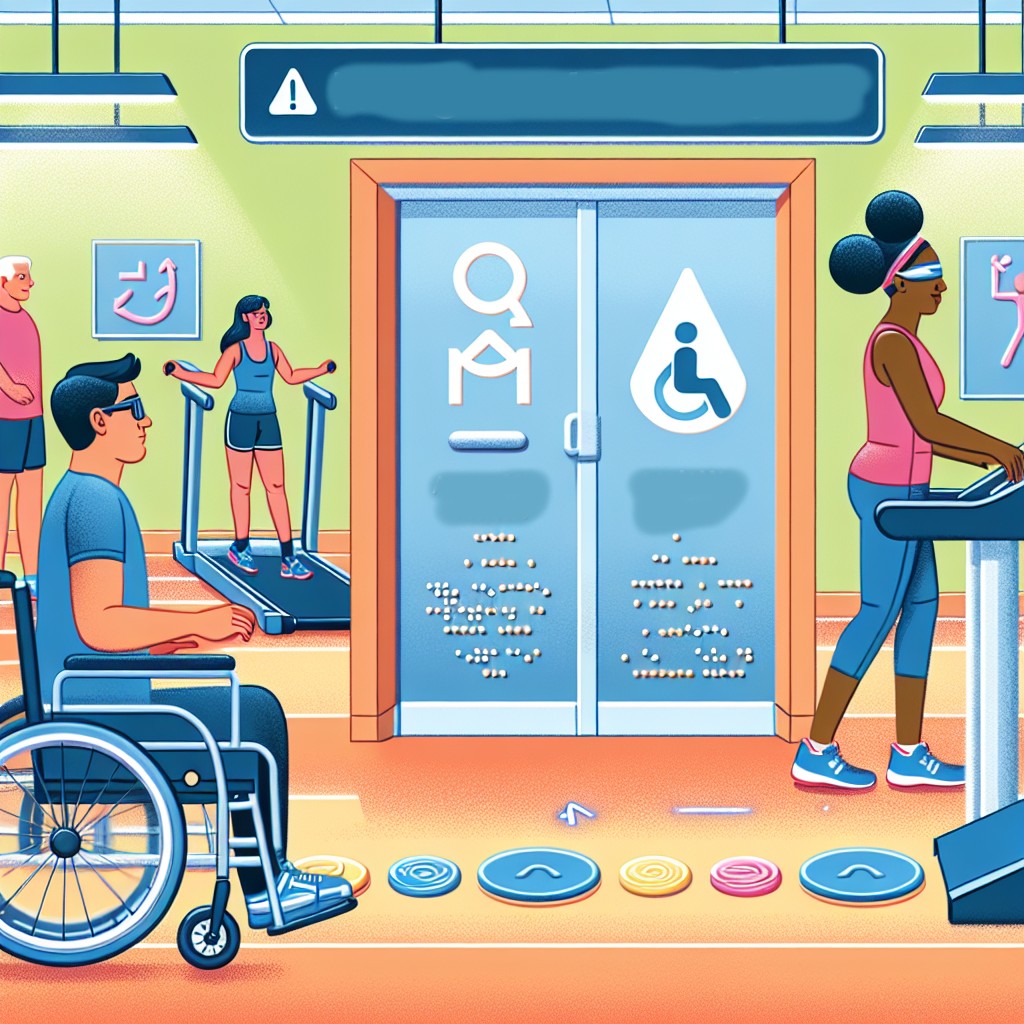
Seating areas in spaces like theaters, stadiums, and auditoriums should include designated spots for wheelchair users and companions. Additionally, these should be integrated throughout the seating area to ensure inclusive viewing angles and experiences. Signage is another significant consideration. Clear, high-contrast, and tactile labels are essential for navigation, ensuring that individuals with visual impairments can independently locate entrances, exits, restrooms, and other vital areas.
Technological Integrations for Enhanced Accessibility
Technology plays a pivotal role in enhancing ADA compliance in multi-user public environments. Assistive technologies can significantly improve the experience for individuals with disabilities. For instance, hearing loops or FM systems can amplify sound in areas such as conference rooms, theaters, and auditoriums for individuals with hearing impairments.
Digital kiosks and interactive displays must be designed to be accessible, featuring text-to-speech software, screen readers, and touchscreens that can be navigated by individuals with fine-motor impairments. Mobile apps can also contribute to accessibility. Location-based services can guide users through complex spaces using auditory instructions, haptic feedback, or visual cues, making navigation simpler for everyone.
Digital signage and information boards can be equipped with real-time updates and accessible features like enlarged text, high-contrast displays, and audible announcements to support individuals with visual or auditory impairments. Offering free Wi-Fi in public spaces can further assist users by enabling them to access settings and apps on their personal devices tailored to their unique needs.
Training and Education for Staff and Community Members
Understanding ADA regulations is just the beginning; effective implementation requires educated and committed staff. Training programs are essential for staff members to understand the importance of accessibility and how to assist individuals with disabilities appropriately. Regular workshops led by experts can include simulations of different disabilities, fostering empathy and deeper understanding among staff members.
Ongoing training ensures that employees stay updated on current best practices and legal requirements. It also helps to address any new challenges or questions that may arise in day-to-day operations. This training should cover how to operate accessible features, provide assistance without patronizing, and respect the independence and dignity of individuals with disabilities.
Beyond staff, educating the general community can foster a more inclusive environment. Awareness campaigns and accessibility fairs can demonstrate the benefits of ADA compliance for everyone, creating a more supportive and understanding community environment. Inclusion is a shared responsibility, and a well-informed populace is essential for the seamless integration of individuals with disabilities into public spaces.
Evaluating and Auditing for Continuous Improvement
Consistently evaluating and auditing facilities for ADA compliance is imperative. Regular audits identify potential barriers and problems, allowing for timely corrections and updates. Both internal audits conducted by trained staff and external audits by third-party experts can provide valuable insights.
Utilizing a feedback system is also beneficial. Encourage individuals with disabilities to share their experiences using the facilities. Their firsthand accounts can highlight overlooked areas of need and inspire innovative solutions. Use this feedback to make data-driven decisions and prioritize updates based on the actual experiences of users.
Making continuous improvements requires a commitment to allocating necessary resources. Establish a budget dedicated to accessibility features and updates. Recognize that technology advances and user needs evolve, making it essential to stay ahead of trends with a proactive approach.
Legal Consequences and Risk Management
Failing to comply with ADA standards comes with significant legal risks. Businesses and public environments open themselves to potential lawsuits from individuals who face discrimination due to inaccessibility. Legal actions can result in hefty fines, mandated corrections, and legal fees, not to mention the damage to the organization’s reputation.
Risk management strategies include creating a comprehensive ADA compliance plan, regularly updating policies, maintaining detailed records of compliance efforts, and working closely with legal advisors knowledgeable in ADA legislation. Proactively addressing accessibility issues can mitigate risks and demonstrate a commitment to inclusivity and equity.
Additionally, engaging with disability advocacy groups can provide organizations with additional guidance and ascertain they meet the latest standards of accessibility. Building partnerships with these groups can also foster goodwill and trust within the community.
Conclusion
ADA compliance in multi-user public environments is a multifaceted endeavor that requires dedication, awareness, and proactive measures. By focusing on architectural design, integrating advanced technologies, providing comprehensive staff training, conducting regular audits, and managing legal risks, businesses and public entities can create inclusive and accessible spaces for all.
The benefits extend beyond legal compliance. Accessible environments enhance the quality of life for individuals with disabilities and contribute to a society that values and respects all its members. The responsibility is ongoing, but with concerted efforts, creating a truly inclusive public space is within reach.
Frequently Asked Questions
1. What is ADA compliance, and why is it important in multi-user public environments?
ADA compliance refers to adherence to the guidelines set forth by the Americans with Disabilities Act. This includes removing physical and digital barriers to ensure that public spaces, services, and programs are accessible to individuals with disabilities. In multi-user public environments, such as libraries, airports, or parks, ADA compliance is crucial because it ensures inclusivity and equal opportunity for all individuals, regardless of their physical or mental abilities. Ensuring accessibility not only adheres to legal requirements but also promotes a welcoming environment that benefits society as a whole. By implementing ADA compliance, businesses and organizations can enhance their reputation, reach a broader audience, and demonstrate social responsibility.
2. What are some common areas where ADA compliance issues arise in public spaces?
In public environments, ADA compliance issues frequently arise in areas like parking facilities, entrances and exits, signage, restrooms, and paths of travel. Parking lots must have designated accessible parking spaces that are properly marked and located close to accessible entrances. Entrances and exits should provide enough width for wheelchair access and include ramps if there are stairs involved. Signage should clearly indicate accessible routes and include Braille for visually impaired individuals. Restrooms must accommodate wheelchair access, with features such as grab bars, accessible sinks, and unobstructed doorways. Additionally, paths of travel throughout the facility should be free of obstacles, sufficiently wide, and well-maintained to prevent tripping hazards.
3. How can technology aid in achieving ADA compliance in public environments?
Technology plays a pivotal role in enhancing ADA compliance, particularly in multi-user public environments. Digital signage can provide real-time information in both text and audio formats, assisting those who are visually or hearing impaired. Mobile applications can offer information on accessible routes, facilities, and services within a premise. Furthermore, accessibility features such as screen readers, text-to-speech converters, and voice recognition software can greatly enhance user experience for individuals with different needs. Facilities can also benefit from implementing smart technologies like automated doors and adjustable-height desks or kiosks, which cater to a spectrum of physical abilities. By leveraging technology, public spaces can ensure a more inclusive and user-friendly environment for all visitors.
4. What steps can organizations take to evaluate and improve ADA compliance?
Organizations can start by conducting a comprehensive accessibility audit to identify barriers and non-compliant areas within their premises. This involves evaluating physical spaces, digital platforms, and communication methods against ADA standards. Hiring an ADA consultant or forming an internal committee specializing in accessibility can also provide valuable insights and action plans. Once an audit has been completed, organizations should prioritize improvements based on safety and urgency, upgrade facilities, and implement new policies or training programs for staff. Involve individuals with disabilities in the planning process to gain first-hand insights into their needs and preferences. Regular reviews and updates to the compliance plan will also ensure long-term adherence to ADA requirements.
5. Are there any penalties for failing to comply with ADA regulations in public spaces?
Yes, failing to comply with ADA regulations can lead to significant penalties and legal consequences for public organizations and businesses. This can include fines imposed by the Department of Justice, costly lawsuits, and potential settlements with affected individuals. Beyond legal ramifications, non-compliance can severely harm an organization’s reputation and result in loss of customers, clients, or users who value inclusivity and accessibility. In the worst-case scenario, repeated violations can lead to enforced closure of facilities until compliance is achieved. Therefore, it is in the best interest of public entities, businesses, and organizations to proactively address ADA compliance, ensuring everyone, regardless of their abilities, has equal access and opportunities.