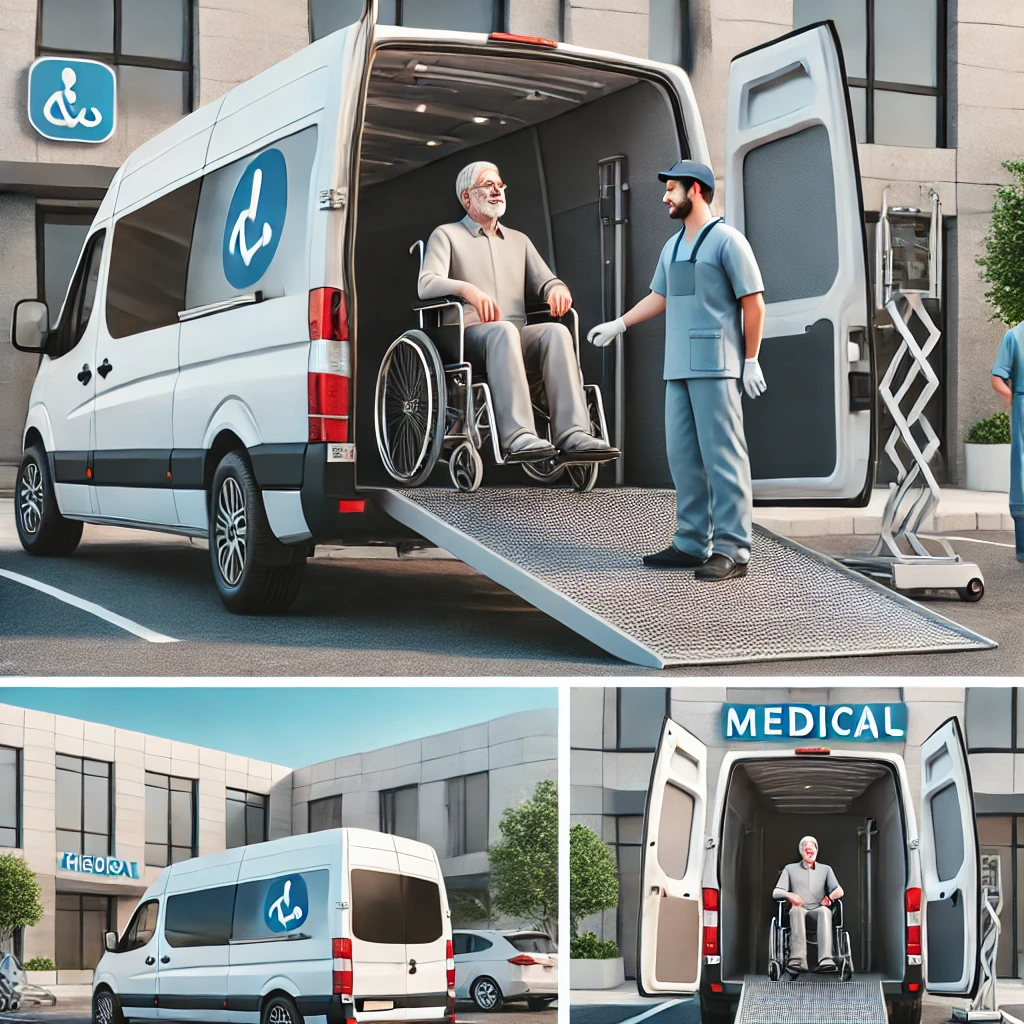
The Americans with Disabilities Act (ADA), enacted in 1990, stands as a cornerstone of civil rights legislation in the United States, guaranteeing individuals with disabilities equal access to public life, including transportation. Transportation is a fundamental necessity, as it influences a person’s ability to work, receive an education, access healthcare, and participate in various social activities. Recognizing its paramount importance, the ADA establishes comprehensive guidelines to ensure transportation systems are accessible to everyone, regardless of their physical or cognitive capabilities.
Introduction
The ADA’s sweeping provisions span multiple domains, but transportation remains a critical focus. In a country as vast as the United States, where distances between cities, towns, and communities can be considerable, ensuring all citizens can move freely and independently is not just a matter of convenience but also one of basic human rights. For individuals with disabilities, however, the challenge of utilizing transportation can be significantly more complex. From physical barriers at bus stops to the lack of accommodations in taxis or ride-sharing services, numerous obstacles can hinder their mobility.
The accessibility of transportation directly affects the quality of life for individuals with disabilities. By addressing these needs, the ADA not only promotes independence but also fosters inclusion and participation in all aspects of society. The act has been instrumental in mandating changes in public and private transportation systems to eliminate barriers and create a more inclusive environment. As we delve deeper into the ADA’s influence on transportation, it’s essential to understand the various provisions and guidelines that have been put in place to address the diverse needs of individuals with disabilities.
This article provides a comprehensive overview of how the ADA addresses transportation needs, highlighting key provisions and exploring their impact on different modes of transportation, including public transit, rail services, and paratransit services. We will also examine the ongoing challenges and potential solutions to ensure that the vision of the ADA continues to expand and improve accessibility for all.
Public Transit Accessibility
Public transit systems, including buses, subways, and light rail, are integral to the daily lives of millions of Americans. For individuals with disabilities, these systems often serve as a lifeline, providing essential mobility for work, education, healthcare, and social activities. The ADA has established rigorous standards to ensure that public transit is accessible to everyone.
One of the key provisions of the ADA is the requirement that all new public transit vehicles be accessible to individuals with disabilities. This includes features such as low-floor buses, ramps, lifts, and securement areas for wheelchairs. Additionally, public transit agencies are mandated to make reasonable modifications to existing vehicles to enhance accessibility as much as possible.
Beyond the vehicles themselves, the ADA also addresses the broader infrastructure of public transit systems. Bus stops, subway stations, and other transit facilities must be designed and maintained to be accessible. This includes the provision of tactile warning strips, elevators, visual and auditory information systems, and clearly marked signage. These measures collectively ensure that individuals with disabilities can navigate public transit systems safely and independently.
Moreover, the ADA requires public transit agencies to provide paratransit services, which offer door-to-door transportation for individuals who are unable to use the fixed-route public transit due to their disabilities. Paratransit services are vital in bridging the gap and ensuring that all individuals have access to reliable transportation.
Rail Services and Accessibility
Rail services, including commuter trains, intercity trains, and Amtrak, play a crucial role in the transportation network of the United States. The ADA sets specific standards for these services to ensure they are accessible to individuals with disabilities, encompassing both the design of train cars and the infrastructure of train stations.
Under the ADA, all new rail cars must be accessible, featuring elements such as wider doorways, accessible seating, and restrooms designed to accommodate wheelchairs. Similarly, older rail cars must be retrofitted to incorporate these features to the greatest extent possible. This ensures that individuals with disabilities can board, travel, and disembark from trains with greater ease.
Train stations also fall under the ADA’s purview. Key stations on commuter and intercity rail lines are required to be fully accessible, which includes features such as ramps, elevators, tactile warning strips, and accessible ticketing and information systems. These modifications ensure that individuals with disabilities can access the entire rail network, connecting urban and rural areas across the country.
Amtrak, as the national rail service provider, has specific obligations under the ADA. It must ensure that all trains and the majority of stations are accessible to individuals with disabilities. Amtrak has made significant progress in this area, but ongoing efforts are necessary to address the remaining barriers and improve accessibility further.
Paratransit Services
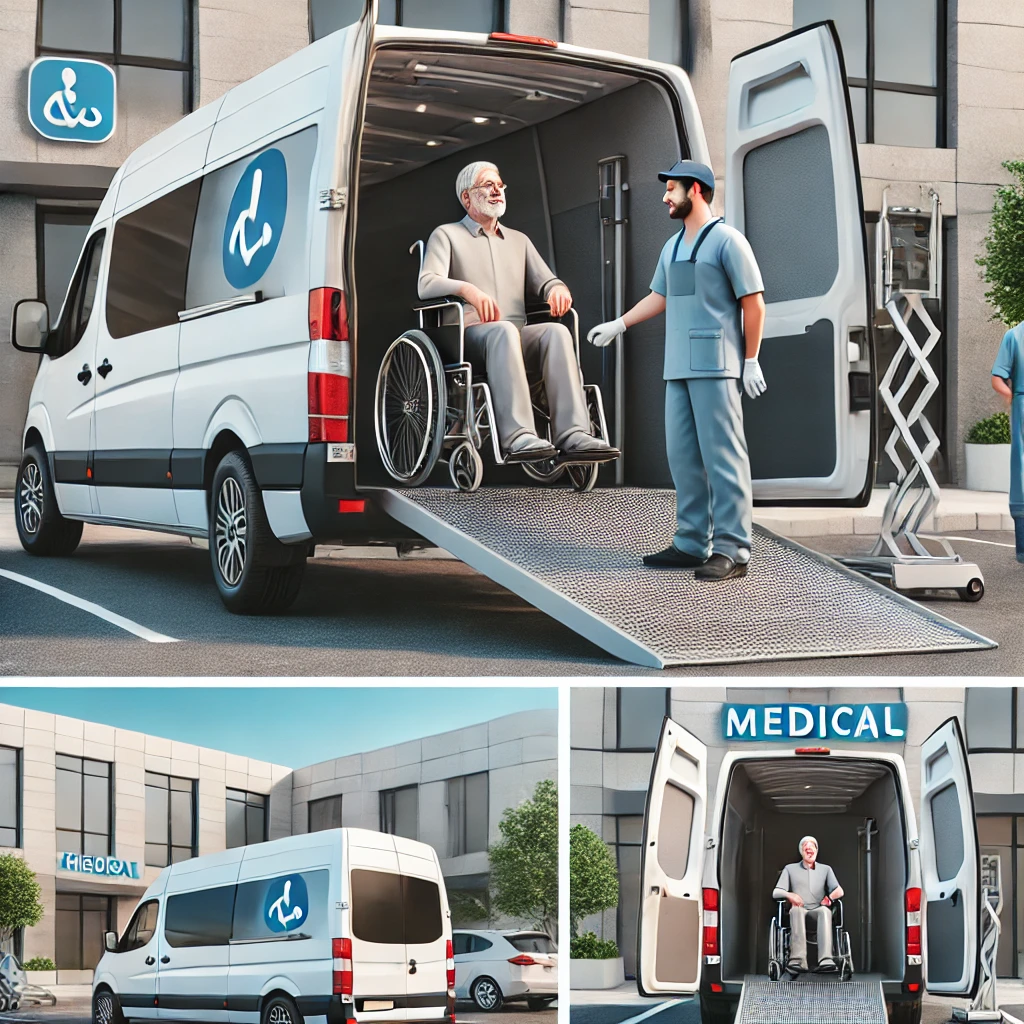
Paratransit services are a critical component of the transportation landscape for individuals with disabilities. These services provide door-to-door transportation for those who cannot use traditional public transit systems due to their disabilities. The ADA mandates that public transit agencies operating fixed-route bus or rail services must also provide paratransit services.
The eligibility criteria for paratransit services are clearly outlined in the ADA. Individuals who are unable to board, ride, or disembark from a fixed-route bus or train, as well as those who cannot get to or from a transit stop or station due to their disability, qualify for paratransit services. The ADA also stipulates that paratransit services must operate within a ¾-mile radius of the fixed-route services and during the same hours of operation.
Paratransit services offer a vital lifeline for individuals with disabilities, ensuring they have access to reliable and accessible transportation options. These services are particularly important for those living in areas with limited public transit options or for those with severe mobility impairments.
Despite the fundamental role of paratransit services, challenges remain. Issues such as limited availability, long wait times, and high operating costs can hinder the effectiveness of these services. Addressing these challenges requires ongoing efforts and innovative solutions to ensure that paratransit services continue to meet the needs of individuals with disabilities.
Taxis and Ride-Sharing Services
In recent years, the rise of ride-sharing services such as Uber and Lyft has revolutionized the transportation landscape. However, ensuring accessibility in these services has been a significant challenge. Unlike traditional public transit systems, ride-sharing services are primarily operated by private individuals using their vehicles, which are not subject to the same stringent accessibility standards.
The ADA addresses the need for accessible taxis and ride-sharing services by requiring that taxi companies and ride-sharing platforms make reasonable modifications to provide equivalent services to individuals with disabilities. This can include measures such as training drivers on how to assist passengers with disabilities, providing accessible vehicles, and developing accessible app features for booking rides.
Several initiatives have been launched to improve accessibility in ride-sharing services. For example, Uber and Lyft have introduced programs like UberWAV and Lyft Access, which offer wheelchair-accessible vehicles. These programs aim to provide reliable and accessible transportation options for individuals with disabilities, although availability and service quality can vary significantly across different regions.
While progress has been made, there is still room for improvement in ensuring that taxis and ride-sharing services are fully accessible. Collaboration between ride-sharing companies, regulatory agencies, and disability advocacy groups is essential to address the remaining barriers and develop effective solutions that promote equal access to transportation for all individuals.
Ongoing Challenges and Future Directions
The ADA has significantly improved transportation accessibility for individuals with disabilities, but challenges remain. Addressing these challenges requires ongoing efforts, innovative solutions, and collaboration among stakeholders. Some of the key ongoing challenges include:
- Funding and Resources: Adequate funding is essential to maintain and improve transportation infrastructure and services. Public transit agencies and paratransit providers often face budget constraints that can limit their ability to implement accessibility improvements and expand services.
- Technological Advancements: The rapid pace of technological advancements offers both opportunities and challenges for transportation accessibility. Leveraging new technologies, such as autonomous vehicles and mobile apps, can enhance accessibility, but it also requires careful consideration of the specific needs of individuals with disabilities.
- Consistency and Enforcement: Ensuring consistent and effective enforcement of ADA regulations is crucial. Variations in compliance and enforcement across different regions and transportation providers can create disparities in accessibility and service quality.
- Public Awareness and Training: Raising public awareness about the importance of transportation accessibility and providing training for transportation providers and staff can help improve service quality and ensure that individuals with disabilities receive the assistance they need.
Looking ahead, several key initiatives and strategies can help address these challenges and promote further improvements in transportation accessibility:
- Increased Funding: Advocating for increased funding at federal, state, and local levels to support transportation accessibility initiatives and infrastructure improvements.
- Collaboration: Fostering collaboration among transportation providers, regulatory agencies, disability advocacy groups, and technology developers to develop innovative solutions and best practices for accessibility.
- Research and Development: Supporting research and development efforts to explore new technologies and approaches that can enhance transportation accessibility.
- Public Engagement: Engaging with the public and individuals with disabilities to gather feedback, identify needs, and ensure that accessibility initiatives are responsive to the diverse needs of the community.
Conclusion
The Americans with Disabilities Act (ADA) has been a transformative force in promoting transportation accessibility for individuals with disabilities. Through its comprehensive provisions and guidelines, the ADA has sought to eliminate barriers and create a more inclusive transportation system that ensures equal access for all. From public transit and rail services to paratransit and ride-sharing options, the ADA has driven significant improvements in accessibility, empowering individuals with disabilities to lead more independent and fulfilling lives.
As we reflect on the progress made in the past three decades, it is important to acknowledge the ongoing challenges that remain. Addressing these challenges requires a concerted effort from all stakeholders, including policymakers, transportation providers, disability advocacy groups, and the broader community. By working together, we can continue to advance the vision of the ADA and ensure that transportation systems are accessible, inclusive, and responsive to the needs of all individuals.
The journey towards full transportation accessibility is ongoing, but the ADA provides a strong foundation upon which to build. The principles of equality, inclusion, and respect for the dignity of individuals with disabilities must remain at the forefront of all efforts to improve transportation accessibility. By embracing these principles and committing to continuous improvement, we can create a transportation system that truly serves everyone, regardless of their abilities.
Frequently Asked Questions
1. What is the Americans with Disabilities Act (ADA) and how does it relate to transportation?
The Americans with Disabilities Act (ADA), passed in 1990, is essential civil rights legislation that prohibits discrimination against individuals with disabilities in numerous areas of public life. Transportation, being a critical aspect, is profoundly impacted by the ADA. This Act mandates equal access to public transportation systems, such as buses, trains, subways, and other forms of public transit. The law aims to remove societal barriers, ensuring that all individuals have the opportunity to live independently and participate fully in their communities. By stipulating structural and operational adjustments, the ADA makes sure that public transportation facilities are accessible and accommodating to individuals with a wide range of disabilities.
2. How does the ADA ensure that public buses are accessible to individuals with disabilities?
The ADA mandates that all public buses accommodate individuals with disabilities by incorporating various features that address mobility, sensory, and cognitive challenges. This includes the installation of wheelchair lifts or ramps to allow individuals using wheelchairs easy boarding and exiting. Furthermore, buses are required to have designated seating areas, with clear space for wheelchairs, ensuring the safety and comfort of all passengers. Bus drivers undergo special training to assist passengers with disabilities effectively. Additionally, public buses must provide visual and auditory announcements to aid individuals with visual or hearing impairments, ensuring they obtain important information, such as stop locations and any service changes.
3. What requirements does the ADA impose on new train stations to ensure accessibility?
Under the ADA, new train stations need to be designed and constructed with accessibility as a paramount consideration, involving numerous features. Firstly, they must include elevators or ramps for those who cannot use stairs, alongside features such as tactile paths and signage for people with visual impairments. Stations must have auditory systems that provide necessary travel information, thereby catering to individuals who are hearing-impaired. Seating and ticketing areas should be accessible to people of varying heights and physical abilities. Clear, unobstructed pathways should be available to facilitate smooth transit throughout the station. By meeting these requirements, new train stations provide an inclusive environment that supports equitable use for all individuals, regardless of their physical capabilities.
4. Are taxi services required to be ADA-compliant, and if so, what are their obligations?
Yes, taxi services are subject to ADA regulations, specifically in ensuring nondiscrimination towards passengers with disabilities. Taxi providers must allow service animals to accompany passengers without additional charges and cannot impose extra fees for passengers with disabilities. While not all taxis are required to be wheelchair-accessible immediately, they must not refuse service based on disability or require that disabled passengers bring accompaniment. They must also offer alternative accessible services under contract or coordinated access, often referred to as a paratransit service, for passengers who require wheelchair-accessible transportation. By adhering to these provisions, taxis contribute to a comprehensive transportation network that respects and upholds the rights of passengers with disabilities.
5. What is paratransit, and how does the ADA promote its availability?
Paratransit refers to a specialized, door-to-door transportation service for individuals whose disabilities preclude the use of conventional public transit systems, and the ADA has specific mandates to regulate its provision. The ADA obligates public transit authorities to provide paratransit services that are comparable in terms of coverage areas, hours, and days to regular public transportation services. Eligible individuals, determined by a careful certification process, can schedule rides within a 3/4 mile radius of fixed route services, ensuring flexibility and accessibility in travel planning. The service must be affordable and offer advance booking options to suit the passengers’ schedules. The ADA’s promotion of paratransit services underscores its commitment to fostering an inclusive society where all individuals, regardless of physical or cognitive limitations, have equitable access to transportation and the opportunities it brings.


