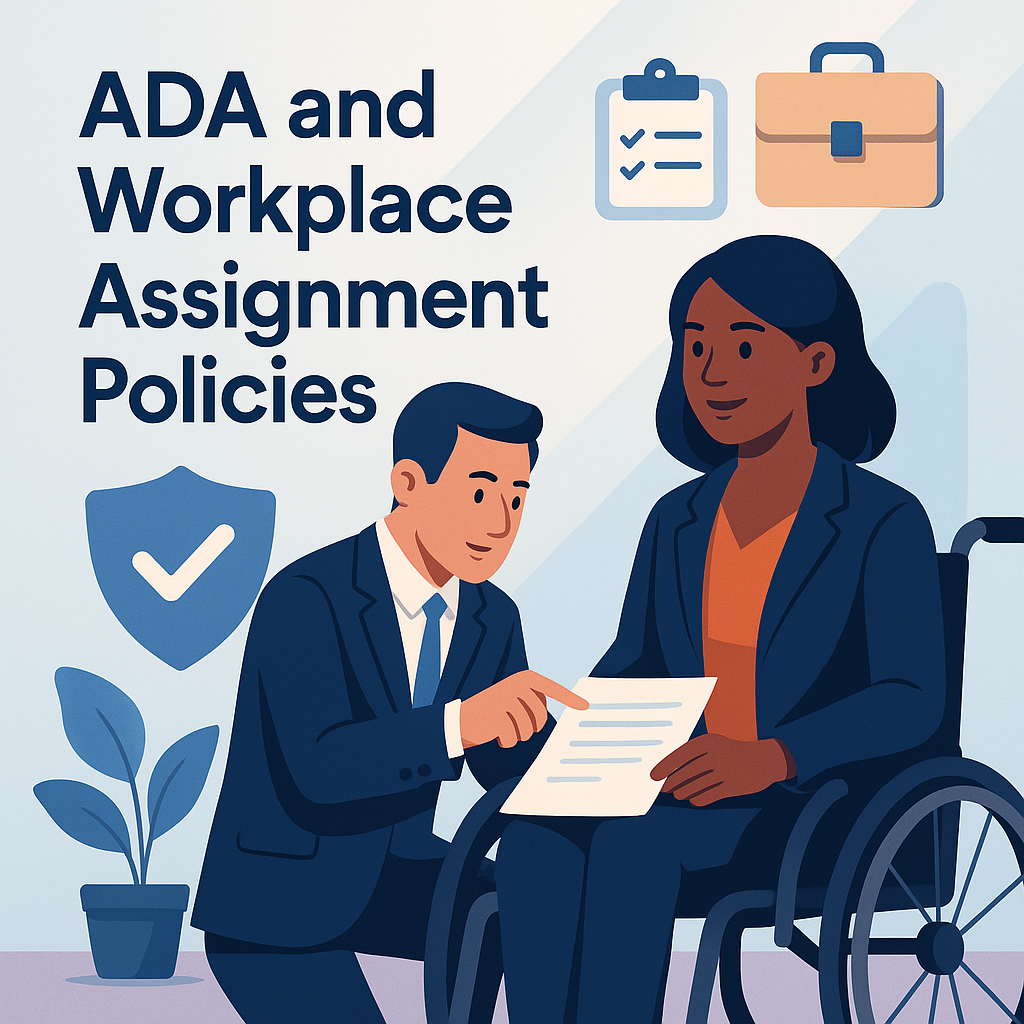
The Equal Employment Opportunity Commission (EEOC) v. AutoZone, Inc. represents a significant moment in employment law, highlighting key aspects surrounding the Americans with Disabilities Act (ADA) and workplace assignment policies. The legal challenge confronts how businesses handle the placement of employees with disabilities, ultimately influencing their rights and employers’ responsibilities. Understanding this landmark case and its implications is crucial for both employers aiming for ADA compliance and employees advocating for equitable treatment.
In this context, the Americans with Disabilities Act, introduced in 1990, aims to prevent discrimination against individuals with disabilities in several areas, including employment. The case against AutoZone, a leading automotive retailer, revolves around their workplace assignment policies, which allegedly did not accommodate employees with disabilities appropriately. Such legal disputes emphasize the importance of organizational practices that respect federal laws designed to secure equal employment opportunities for all individuals, regardless of their physical or mental abilities.
The necessity of dissecting EEOC v. AutoZone, Inc. is threefold. Firstly, it pertains to a broader interpretation of the ADA in workplace settings, providing a precedent for future cases. Secondly, it serves as a cautionary tale for corporations regarding how costly missteps can be when policies and procedures fail to comply with federal mandates. Lastly, the case highlights the evolving definition of reasonable accommodations and the expectations from employers in supporting a diverse workforce effectively.
The EEOC’s Role in Enforcing ADA Compliance
The Equal Employment Opportunity Commission is an essential body tasked with enforcing federal laws that make it illegal to discriminate against a job applicant or an employee. In the context of the ADA, the EEOC plays a pivotal role in investigating charges of discrimination based on disability, initiating lawsuits, and addressing systemic issues in workplaces.
In EEOC v. AutoZone, Inc., the EEOC alleged that AutoZone violated the rights of its employee by failing to provide reasonable accommodation necessary for the employee’s disability. This case gained attention for its illustration of how federal guidelines are interpreted and enforced. Employers are expected to engage in an “interactive process” to determine feasible accommodations, and failure to do so can lead to substantial legal repercussions.
The significance of this is not just legalistic but also ethical. Employers need to ensure that their workplace policies are inclusive and supportive of all employees, thus fostering an environment where diversity thrives and discrimination is promptly addressed.
Understanding Workplace Assignment Policies
Workplace assignment policies are internal guidelines that determine how tasks and responsibilities are distributed among employees. These policies should ideally be designed to accommodate the diverse needs of a workforce, including individuals with disabilities.
In the AutoZone case, the question arose about how these assignments are handled when an employee requires reasonable accommodation to perform essential job functions due to a disability. Reasonable accommodation, as defined by the ADA, might include adjustments such as modified work schedules, accessible work environments, or reallocation of non-essential job duties.
AutoZone’s policies were scrutinized to evaluate whether they unlawfully restricted the ability of an employee to perform his job due to his disability. The challenge was demonstrating that the company’s practices did not just impact workflow but also failed to adhere to ADA standards.
Real-World Implications on Employers and Employees
The implications of EEOC v. AutoZone extend beyond legal compliance into everyday business operations. It provides a case study on the repercussions businesses face when their policies are not adequately aligned with federal regulations.
Example Table: Key Components of a Compliance Strategy
| Component | Description |
|---|---|
| Policy Review | Regular audits of existing policies to ensure alignment with ADA guidelines. |
| Employee Training | Programs to educate employees on diversity, inclusion, and compliance standards. |
| Interactive Process | Structured dialogues between employers and employees to identify feasible accommodations. |
| Compliance Reporting | Systems to monitor and report on accommodation requests and implementations. |
Disability inclusion is no longer an optional factor but a fundamental aspect of organizational success and fulfillment of legal obligations. Within AutoZone’s case, the failure to accommodate the employee adequately highlighted the critical importance of adopting a proactive approach to making workplaces more accessible. As businesses reflect on this, they recognize that a strategic compliance framework not only protects them legally but enhances their overall workplace culture.
Lessons Learned and Strategic Actions
The AutoZone case teaches critical lessons: firstly, the necessity of a thorough understanding of ADA requirements; secondly, how businesses must integrate ADA considerations into their day-to-day operations without overcomplicating processes. Companies can achieve these by setting clear policies and actively engaging with employees requiring accommodation. The need for prompt and meaningful dialogue between managers and employees is crucial, as is the creation of an environment where employees feel heard and supported.
Additionally, this case demonstrates the potential financial and reputational impacts on businesses failing to comply. AutoZone faced not only legal challenges but also the loss of trust from employees and customers who value ethical business practices. Therefore, businesses must develop robust frameworks to manage employee needs efficiently. Implementing training sessions and consulting with ADA experts ensures policy development aligns with federal guidelines, fostering a sense of trust and fairness within the organization.
Summary and Next Steps
EEOC v. AutoZone, Inc. serves as a pivotal example of ADA enforcement and workplace assignment policies interacting in the legal arena. It underscores the vital importance of understanding and upholding the ADA’s principles in spirit and practice, demonstrating the broader necessity for inclusive and equitable employment environments. Companies can take meaningful steps by reviewing policies, involving employees in decision-making, and integrating comprehensive training initiatives.
For employees, this case highlights their rights and empowers them to advocate for their needs, knowing the legal frameworks designed to protect them. Both employees and employers stand to benefit from a more profound understanding of the ADA, promoting a collaborative, inclusive environment for everyone.
As businesses move forward from lessons learned through EEOC v. AutoZone, Inc., the challenge remains to ensure continuous improvement in policy development and implementation. Employers should proactively assess and refine their strategies to meet ADA compliance while nurturing an inclusive organizational culture. Collaborating with legal experts and engaging in transparent communication with employees are essential steps towards achieving these goals.
The call to action is clear: organizations must prioritize ADA compliance as a strategic business objective. By doing so, they not only safeguard themselves from potential litigation but also contribute to a fairer and more inclusive society. This approach transforms compliance into a means of fostering an empowered workforce, ultimately benefiting both business objectives and employee satisfaction.
Frequently Asked Questions
1. What was the EEOC v. AutoZone, Inc. case about?
This case revolved around the principles of the Americans with Disabilities Act (ADA) and how AutoZone, Inc. handled the work assignments of its employees who were protected under this legislation. The Equal Employment Opportunity Commission (EEOC) filed a lawsuit against AutoZone, arguing that the company breached ADA regulations by inappropriately transferring an employee with a disability to another position. The core issue was whether the company’s actions constituted discrimination by denying the employee the opportunity to work in an area for which they were otherwise qualified. This case highlights the importance of considering whether reasonable accommodations are being made for employees with disabilities to enjoy the same workplace benefits and opportunities as those without disabilities.
2. What is the Americans with Disabilities Act (ADA) and how does it relate to workplace assignments?
The Americans with Disabilities Act (ADA) is a comprehensive civil rights law that prohibits discrimination based on disability. It ensures that individuals with disabilities have equal opportunities in various areas, including employment. Within the context of the workplace, the ADA requires employers to provide reasonable accommodations to qualified individuals with disabilities, unless doing so would cause undue hardship to the business. In terms of workplace assignments, this may involve making adjustments or modifications that allow an employee with a disability to perform the essential functions of their job. The EEOC v. AutoZone, Inc. underscores the importance of accurately assessing and implementing these accommodations, as errors or oversight can lead to allegations of discrimination.
3. How did the EEOC argue that AutoZone violated the ADA in this case?
The EEOC contended that AutoZone unlawfully transferred a disabled employee simply because of their disability, rather than due to any legitimate business need. By doing so, the EEOC argued that AutoZone failed to provide a reasonable accommodation that would have allowed the employee to continue working at their current location. The agency emphasized the importance of accommodating qualified employees with disabilities unless providing such accommodation would pose an undue hardship. In this case, the EEOC believed that AutoZone’s decision constituted a form of discrimination, as it imposed limitations on the employee’s work conditions and job opportunities based solely on their disability.
4. What are the implications of the EEOC v. AutoZone, Inc. case for other employers?
The EEOC v. AutoZone, Inc. case serves as a cautionary tale for employers about the importance of adhering to ADA requirements concerning workplace assignments for employees with disabilities. Employers must carefuly consider how they manage and accommodate employees with disabilities, ensuring that any workplace adjustments or transfers are justified and not based on discriminatory reasons. This case emphasizes the need for businesses to be diligent about developing and enforcing policies that comply with disability discrimination laws. Employers should engage in interactive processes with their employees to discuss and devise reasonable accommodations that allow individuals with disabilities to perform their job duties effectively. Failure to do so can result in costly legal battles and damage to a company’s reputation.
5. What lessons can HR professionals learn from the EEOC v. AutoZone, Inc. case?
Human Resources professionals can learn several pivotal lessons from this case. Firstly, it highlights the need for HR departments to provide proper training to management and staff on how to comply with ADA requirements. Understanding how to identify reasonable accommodations and why it’s essential to engage in meaningful dialogue with employees about their needs is crucial. HR professionals should develop clear policies and procedures for handling accommodation requests and ensure that these are consistently applied across the organization. Moreover, maintaining detailed records of all interactions and accommodations considered or provided can be crucial if the company’s compliance with the ADA is ever questioned. This case serves as a reminder that proactive measures and open communication are the cornerstones of an inclusive workplace that respects the rights of employees with disabilities.