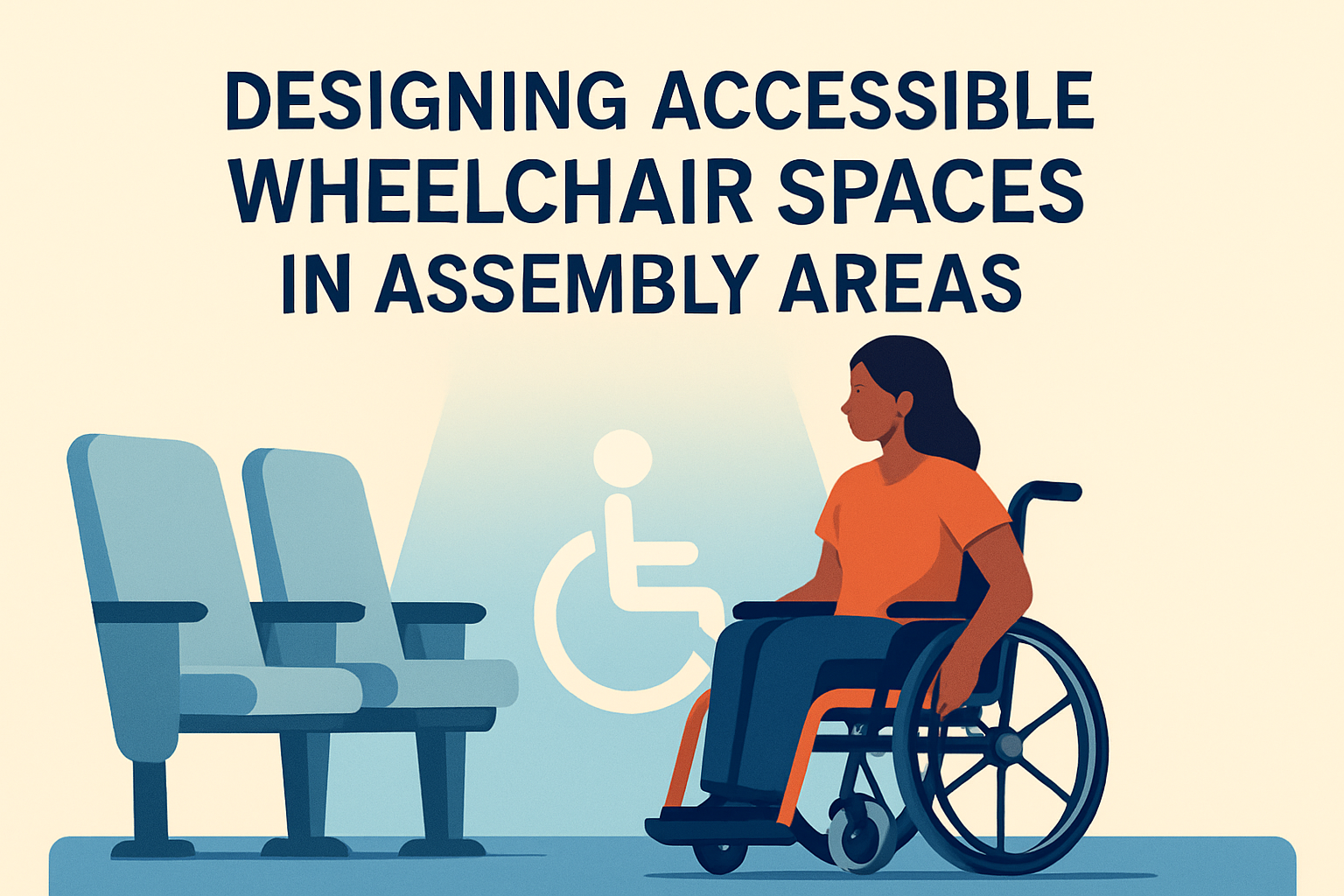
Creating accessible wheelchair spaces in assembly areas is a critical component of modern architectural and design principles. This topic is essential as it involves the integration of accessible design to ensure that assembly areas are inclusive and provide equal access to individuals who use wheelchairs. Key terms like “accessibility” refer to the practice of making environments more inclusive for individuals with disabilities. “Wheelchair spaces,” on the other hand, refer to designated areas meant to accommodate individuals using wheelchairs, ensuring they can participate fully in various activities.
The importance of this subject cannot be overstated. By designing assembly areas with accessible wheelchair spaces, we empower individuals with mobility impairments to enjoy the same experiences as everyone else, whether at theaters, sports venues, or conference centers. It’s not just an ethical obligation but also often a legal requirement under regulations like the Americans with Disabilities Act (ADA). As societal values evolve toward inclusivity, businesses and organizations benefit from embracing these principles. Notably, doing so enhances their reputation and expands their potential audience by making events accessible to a broader range of participants.
Understanding the Requirements for Accessible Wheelchair Spaces
The first step in designing accessible wheelchair spaces in assembly areas is understanding the regulatory and practical requirements for such spaces. Regulations may vary, but generally include specifications on dimensions, location, and access routes. For instance, the ADA specifies clear floor space dimensions for wheelchair seating spaces, typically requiring a space 30 inches by 48 inches for each wheelchair.
Furthermore, these spaces need to be integrated into different locations within the assembly area to provide wheelchair users with choices about their seating location, much like any other attendee. Importantly, pathways to these spaces must also be unobstructed and sufficiently wide to allow free and independent movement.
Consider a real-world example of a concert hall that revamped its seating plan to accommodate more accessible wheelchair spaces. By reallocating sections to ensure that at least 1% of the total seating is reserved for wheelchairs, and providing companion seating adjacent to each space, they have not only met ADA compliance but also improved patron experience. This thoughtful design not only adheres to legal standards but also enhances inclusivity and operational efficiency.
Design Elements in Accessible Assembly Areas
Aside from meeting space and location requirements, various design elements play a critical role in making areas wheelchair accessible. Adequate signage is crucial; signs should be positioned low enough to be easily readable from a wheelchair, using symbols and fonts that are clear and large enough to be visible from a distance.
Flooring materials matter too; non-slip surfaces are essential to ensure safety. Acoustic considerations also come into play. Acoustically treated panels or strategic placement of speakers can ensure wheelchair users receive clear audio, whether they are in the front or back of the assembly area.
A theater redesign shows that with floor gradient adjustments and innovative acoustic solutions, all attendees can enjoy a coherent auditory and visual experience. This includes repositioning aisles and utilizing technologies like audio loop systems for individuals with hearing aids, ensuring equitable access to audio performances.
Implementing Flexible Spaces
Flexibility in design can enhance the utility of wheelchair spaces in assembly areas. This involves creating spaces that can be adjusted as per the needs of events. Portable seating that can be removed or reconfigured allows a venue to adjust its layout depending on the function, maximizing inclusion without making permanent structural changes.
Real-world example: the convention center that adapted its floor designs by incorporating movable sections and modular seating exemplifies flexible planning. Such adaptations have empowered the venue to host a range of events, from business conferences to sports meets, while accommodating individuals with accessibility requirements seamlessly.
- Movable Sections: Allow for adjustment based on event type.
- Modular Seating: Provides flexibility in seating arrangement.
- Easy Relocation: Adjustable sections make cleaning and maintenance easier.
The Importance of Staff Training and Public Awareness
While physical accommodations are vital, staff training and public awareness are equally crucial in enhancing accessibility. Venue staff should be trained to assist individuals with disabilities, ensuring they are knowledgeable about the location of accessible seating and entry points. This knowledge enhances the overall experience for wheelchair users, promoting independence and reduction of anxiety when attending events.
Additionally, raising public awareness about accessibility features ensures that all patrons, not just those with immediate needs, understand the offerings of a venue. An informed audience can self-navigate accessible features, report its availability to peers, and appreciate the inclusive design efforts of the venue.
Consider a case study of a sports arena that implemented a proactive training program for its staff and launched an awareness campaign for its attendees. The combination of informed staff and public resulted in a smoother experience for individuals with disabilities, from entry to participation.
Challenges and Innovative Solutions
Despite sincere efforts, challenges remain in designing wheelchair-accessible spaces. Common challenges include limited space in historic buildings, budgeting constraints, and balancing aesthetics with functionality. Nonetheless, innovative solutions are emerging to mitigate these concerns.
For instance, the use of technology such as virtual reality (VR) can help in visualizing and testing the effectiveness of proposed accessible designs before they are implemented. Modular technology is another promising innovation, allowing designers to develop scalable and adaptable layouts that can evolve with changing regulations and expectations.
Integrating Technology into Accessible Design
The integration of advanced technologies is an emerging trend that enhances the design and functionality of accessible spaces. Technologies, such as smart seating systems that allow for reserving seats through apps, ensure that wheelchair users can easily plan their visits without encountering accessibility barriers when they arrive.
Another example is augmented reality (AR) wayfinding tools that help individuals navigate large venues with ease. These tools can provide voice or text directions specifically tailored to lead individuals to accessible paths and seating areas, adapting automatically as venue layouts change.
| Technology | Benefit |
|---|---|
| Smart Seating Systems | Ease of Planning and Booking |
| AR Wayfinding | Customized Navigation Assistance |
| Virtual Reality | Design Visualization and testing |
Future Outlook and Continuous Improvement
The future of designing accessible wheelchair spaces rests in continuous improvement and adaptation. As the societal demand for equity rises, so too must our dedication to progressive design solutions that go beyond mere compliance and toward true inclusion.
Looking toward the future, we anticipate more dynamic, integrated designs that regard accessibility as an essential component rather than an afterthought. Consider a speculative case of a future conference venue incorporating advanced IoT systems to automatically recalibrate the locations of accessible routes as crowd levels and room configurations change.
Conclusion: Building for Accessibility and Inclusion
The creation of accessible wheelchair spaces in assembly areas is an ongoing journey that requires a careful balance of design, regulation, and technology. Key takeaways emphasize the importance of integrating regulatory knowledge with innovative design strategies and technology use. What’s most vital is a commitment to continuous improvement and adaptation of our spaces to meet the evolving needs of society.
The benefit of ensuring accessibility goes beyond fulfilling legal requirements; it creates a richer, more inclusive environment for everyone. By focusing on inclusive design, we contribute positively to societal values of equity and opportunity.
Your next step, whether you are a designer, venue manager, or policymaker, is to assess your current practices and explore ways to implement or enhance accessibility features in the spaces you control or influence. Consider consulting with accessibility experts and stakeholders, including potential users, to gain a comprehensive understanding of the necessary modifications.
Let us make a concerted effort toward creating spaces where everyone can participate fully and without barriers.
Frequently Asked Questions
1. What are the key considerations when designing accessible wheelchair spaces in assembly areas?
When designing accessible wheelchair spaces in assembly areas, there are several factors to consider to ensure these areas are truly inclusive. First and foremost, it is essential to adhere to accessibility standards and guidelines like the Americans with Disabilities Act (ADA) in the United States, which provide specific requirements for accessible design. These standards will dictate the minimum number of wheelchair spaces required, as well as the dimensions and placement. Besides compliance, consider sightlines, orientation, and proximity to exits to ensure users have a clear view and can evacuate easily during an emergency. Providing integrated spaces rather than segregated ones enhances inclusivity, allowing individuals who use wheelchairs to sit alongside friends and family. Furthermore, consider the path of travel – from the parking lot to the seating area – and ensure it is accessible, with ramps and elevators as needed. The seating should be comfortable and provide space for companions. Finally, materials and finishes should be chosen carefully to prevent glare and ensure surfaces are durable yet easy to navigate.
2. How can architects and designers ensure equal access for individuals with wheelchairs in assembly areas?
To ensure equal access for individuals with wheelchairs, architects and designers need to prioritize inclusion from the initial stages of project planning. This begins with understanding and incorporating all relevant accessibility standards into the design. Designers should engage with wheelchair users during the planning process to gain insights into their needs, thus ensuring the spaces meet real-life requirements. Integration of technology is another viable approach. For instance, utilizing dynamic signage and smartphone apps can enhance navigation within large assembly areas. Frequent collaboration with accessibility consultants can also provide valuable external perspectives, helping to amplify accessibility considerations. Moreover, it’s essential for architects to focus on both physical and experiential access. This means considering acoustics, lighting, and comfort, alongside tactile and visual guides. The goal is to create an environment where people with mobility challenges have equivalent experiences to those without.
3. Why is it important to have designated wheelchair spaces in assembly areas?
Designated wheelchair spaces in assembly areas are crucial for promoting inclusivity, dignity, and equality among all individuals. These spaces allow individuals who use wheelchairs to participate fully in various social, cultural, and recreational activities, fostering social integration. By incorporating designated spaces, assembly areas send a strong message of acceptance and respect towards individuals with disabilities. Such inclusivity not only benefits users but enhances the overall social atmosphere, creating environments where diversity and equality thrive. Moreover, these designations are not just ethical imperatives but also a reflection of societal progress towards universal accessibility. They ultimately work to reduce stigma and barriers, encouraging a more cohesive and equitable community for everyone.
4. What challenges might arise when implementing wheelchair spaces in older assembly venues?
Implementing wheelchair spaces in older venues presents unique challenges due to architectural constraints that weren’t designed with modern accessibility principles in mind. Retrofitting these spaces can be costly and complex, as it often requires significant structural modifications. Challenges may include limited physical space for creating accessible paths and seating arrangements, insufficient vertical access due to existing stairs, and outdated emergency egress strategies unsuitable for safe evacuation of wheelchair users. Furthermore, aesthetic preservation concerns might conflict with practical accessibility needs. Owners of historically significant buildings may prioritize the integrity of design over inclusivity, causing friction. To overcome these issues, creative solutions like portable ramps, temporary seating adjustments, and lifts may be employed. It’s vital that these adaptations maintain compliance with current accessibility codes to ensure safety and navigability for all users.
5. How do regulations and standards influence the design of wheelchair spaces in assembly areas?
Regulations and standards are the backbone of accessible design, providing the necessary framework to ensure wheelchair spaces in assembly areas meet inclusive design criteria. They dictate mandatory dimensions, specify the number of required spaces relative to venue size, and set guidelines for pathways, reach ranges, and height constraints. For instance, guidelines may specify that wheelchair spaces must be on an accessible route and located where occupants can view performances comfortably. These standards are in place to ensure that individuals with disabilities have equivalent access to amenities and opportunities as all other patrons, without additional hindrance. Designers and architects must remain knowledgeable of these evolving standards and integrate them into the planning and construction phases. By doing so, they not only comply with legal responsibilities but also contribute to the creation of fair, safe, and welcoming environments for everyone involved.