Introduction to Accessible Passenger Loading Zones
In today’s world, the need for inclusive and accessible urban infrastructure cannot be overstated. As cities grow and evolve, it becomes imperative to design environments that cater to all individuals, regardless of their physical abilities. A critical component of this infrastructure is the design of passenger loading zones. These designated areas provide a safe and convenient place for individuals to board and disembark from vehicles. However, without proper attention to accessibility, these zones can become barriers rather than facilitators of mobility.
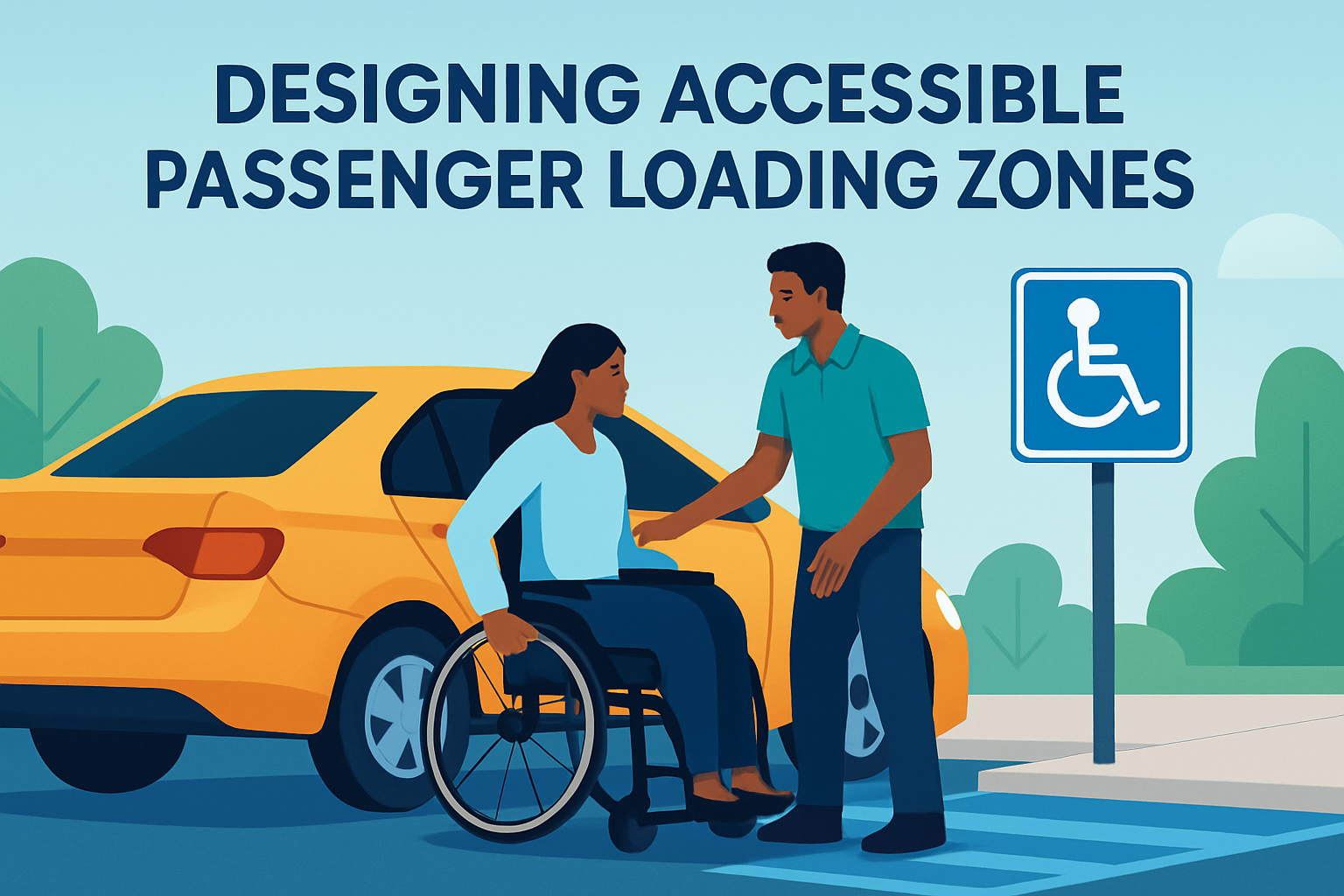
Accessible passenger loading zones are designed to cater specifically to individuals with disabilities. These zones must ensure safety, convenience, and accessibility, offering features such as adequate space, clear signage, non-slip surfaces, and ramps for wheelchair users. Creating such zones is not merely a legal obligation under disabilities acts and regulations but a moral one, promoting inclusivity and equal opportunities for all inhabitants.
Designing accessible passenger loading zones matters because it directly influences the quality of life for individuals with disabilities. It enables them to participate actively in everyday activities, contributing to society and living independently. By understanding the importance and components of accessible loading zones, urban planners, architects, and policymakers can work together to create environments that are welcoming and functional for everyone.
Key Considerations in Designing Accessible Passenger Loading Zones
When envisioning and creating accessible passenger loading zones, there are several key considerations to keep in mind. These considerations ensure that the zones effectively serve their intended purpose. Key among these is the location of the loading zone. Placing loading zones in convenient locations near important destinations such as hospitals, shopping centers, and public transportation hubs facilitates easier access for those who need it most.
Additionally, the surface material used in these zones should be non-slip and designed to minimize the risk of falls, especially in adverse weather conditions. Including tactile paving for the visually impaired can further enhance safety and usability. Another vital factor is providing adequate space, ensuring there is sufficient room for vehicle doors to open fully and for wheelchairs or mobility aids to maneuver comfortably.
A real-world example of thoughtfully designed accessible loading zones can be observed in the city of Portland, Oregon. Portland has invested in creating extensive curb ramp programs and accessible street designs, making the city more navigable for individuals with disabilities. These efforts demonstrate the impact of comprehensive planning and the prioritization of accessibility.
Incorporating Technology in Passenger Loading Zones
Technology integration in passenger loading zones offers a futuristic approach to enhancing accessibility. For instance, the use of mobile apps to reserve loading zone spaces can significantly reduce wait times and increase efficiency. These applications can also provide real-time availability of loading spaces, thus reducing the stress associated with searching for accessible parking or loading areas.
Furthermore, implementing smart sensors and cameras can aid in monitoring the usage of these zones, collecting data on peak times and usage patterns. This data can inform future design changes and policy decisions, ensuring that the zones continue to meet the needs of the community effectively.
A noteworthy example is the city of San Francisco, which has introduced digital permits and online pre-reservation for loading zones to ensure that these areas are available specifically for those who need them most. This innovative approach not only enhances accessibility but also optimizes the use of urban space.
Community Involvement in Designing Accessible Zones
Engaging the community in the design process of accessible passenger loading zones is crucial for their success. Involving local residents, especially those with disabilities, ensures that the design meets real-world needs and preferences. This collaborative approach fosters a sense of ownership and community responsibility towards maintaining these zones.
During the planning phase, conducting public consultations and workshops with community members, city planners, and disability advocates can provide valuable insights and feedback. Including diverse perspectives helps in identifying potential challenges and arriving at practical solutions that a single group may overlook.
One successful example is the New York City Department of Transportation’s community workshops. These workshops allow residents to voice their concerns and suggest improvements specific to their neighborhoods, resulting in more effective and inclusive urban planning.
Inequity and Its Impact on Accessibility
It is important to acknowledge the disparities that exist within different communities regarding accessibility. Socioeconomic factors, geographical distribution, and urban development priorities can create inequities in access to essential facilities, including passenger loading zones.
| Community | Accessibility Features | Challenges |
|---|---|---|
| Affluent Neighborhood | Well-maintained, ample loading zones | Parking congestion |
| Low-Income Area | Limited accessible infrastructure | Lack of investment |
| Suburban Area | Scattered loading zones | Transport dependency |
The table above illustrates the disparity in accessibility features and challenges faced by different communities. Addressing these inequities is essential for creating a universally accessible environment. Urban planners and policymakers must allocate resources and prioritize accessibility in underserved areas, ensuring equal opportunities for all residents.
For instance, the city of Chicago has taken steps to bridge this gap by implementing accessibility audits and redistributing resources to areas in need. By prioritizing accessibility in low-income neighborhoods, Chicago aims to provide equitable access to passenger loading zones, thereby promoting inclusivity.
Summary and Call to Action
Accessible passenger loading zones are a crucial element of inclusive urban infrastructure. By incorporating thoughtful design, leveraging technology, engaging with the community, and addressing inequities, cities can create environments that cater to individuals of all abilities. The examples set by cities like Portland, San Francisco, and New York demonstrate the tangible benefits of prioritizing accessibility.
For readers involved in urban planning, civil engineering, or policy-making, now is the time to take action. Assess your local community’s needs, engage with residents, and advocate for the design and implementation of accessible passenger loading zones. By doing so, you contribute to creating a more inclusive, equitable, and welcoming environment for everyone.
Together, we can ensure that accessible passenger loading zones are not just a legal requirement but a standard practice, enhancing the quality of life for individuals with disabilities and fostering a sense of belonging in our communities.
Frequently Asked Questions
1. What are accessible passenger loading zones, and why are they important?
Accessible passenger loading zones are specially designed areas where vehicles can safely load and unload passengers, including those with disabilities. These zones are vital for ensuring that transportation systems are inclusive and accessible to everyone, regardless of physical ability. By providing a designated space with features like curb ramps, clear signage, and proximity to building entrances, accessible loading zones facilitate seamless transition from vehicle to the destination. This is particularly crucial for individuals using mobility devices such as wheelchairs or walkers, as well as for those who require additional space or time to enter or exit a vehicle. In urban environments where efficient space utilization and safety are priorities, these zones also help organize traffic flow and reduce congestion.
2. What specific features should be included in the design of an accessible passenger loading zone?
When designing accessible passenger loading zones, several key features need to be incorporated to make them effective and truly accessible. Firstly, curb cuts or curb ramps are essential to provide a smooth transition between the sidewalk and the street level. These should have a gentle slope and be wide enough to accommodate all types of mobility devices. Secondly, the surface should be slip-resistant and maintained regularly to prevent hazards. Additionally, there should be adequate clear space adjacent to the vehicle loading area to allow passengers to move freely without obstruction. Signage is another critical feature; clear, easily readable signs that denote the loading zone and its accessibility status are important. These signs should also provide information about any time restrictions or specific usage guidelines. Lastly, the zone should be located in close proximity to building entrances or associated amenities, reducing the distance passengers need to travel after alighting.
3. How do accessible passenger loading zones benefit individuals with disabilities?
Accessible passenger loading zones are fundamentally beneficial to individuals with disabilities for various reasons. These zones provide a predictable and safe environment for people with mobility challenges to board and disembark from vehicles, reducing anxiety and physical strain. For wheelchair users, the presence of curb ramps and additional space allows them to transition smoothly without the need for assistance, fostering independence. The clear and direct signage helps those with visual impairments or cognitive disabilities interpret the environment better and navigate more effectively. Furthermore, because these loading zones are often located close to building entrances or transport hubs, they minimize travel distances, making it easier for those with fatigue issues or who tire easily to reach their destinations. Overall, they are a vital component in creating inclusive and equitable urban landscapes.
4. What challenges might urban planners face in implementing accessible passenger loading zones?
Implementing accessible passenger loading zones does present several challenges. One major issue is space constraint in dense urban areas, where competition for curb space is high among various uses such as parking, bus stops, and bike lanes. Finding additional space to allocate to accessible loading zones without impinging on these functions can be difficult. Furthermore, ensuring compliance with legal standards and accessibility guidelines, like those put forth by the Americans with Disabilities Act (ADA), requires careful planning and may incur additional costs. Planners must also consider the integration of these zones into existing transportation networks and public infrastructure, which can involve complex coordination across city departments. Lastly, maintaining these zones—keeping them clear of unauthorized vehicles, ensuring signage remains visible, and surfaces are free of obstructions—can be a logistical and financial challenge for cities to manage on an ongoing basis.
5. How can community feedback be integrated into the design process of accessible passenger loading zones?
Integrating community feedback into the design process of accessible passenger loading zones is key to their success and efficacy. Engaging with local disability advocacy groups and individuals with disabilities from the onset gives planners invaluable insights into the practical realities and challenges faced by end users. This can be achieved through public consultations, focus groups, and surveys specifically targeting feedback on proposed designs or locations. Additionally, pilot programs can be launched to test new designs in real-world settings, allowing communities to provide constructive feedback before wider implementation. Urban planners should also maintain open lines of communication with stakeholders throughout the process, providing regular updates and asking for continuous input. Ultimately, meaningful community engagement not only helps to ensure that the design meets actual needs but also fosters a sense of ownership and community support around the new infrastructure.