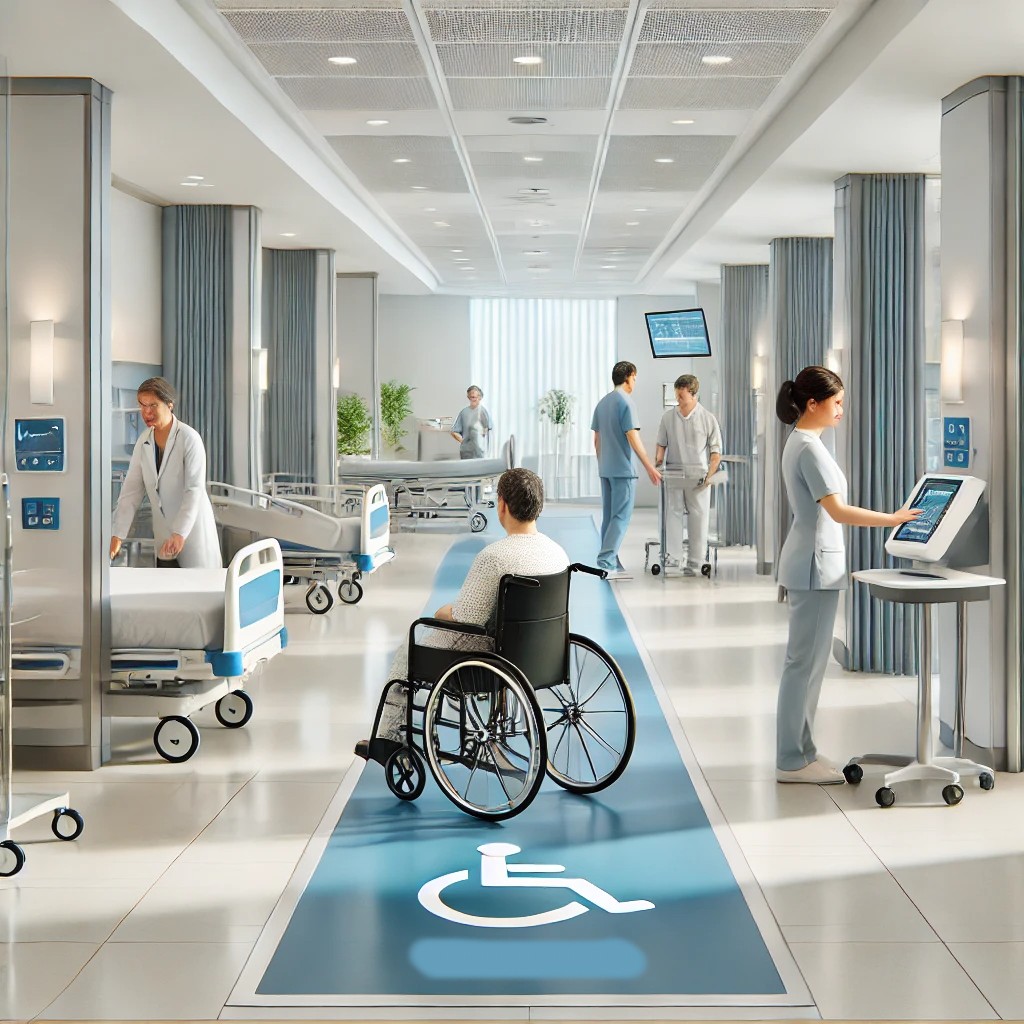
The Americans with Disabilities Act (ADA), enacted in 1990, remains a pivotal piece of civil rights legislation that seeks to eliminate discrimination against individuals with disabilities. Title II of the ADA focuses specifically on public entities, including public transportation services, and mandates non-discriminatory practices and accessible services to all individuals.
Understanding Title II
Title II of the ADA addresses the roles of state and local government entities, including public transportation services. This portion of the law mandates that all public services, which include city buses, subways, commuter rails, and public rail transit, must be accessible to persons with disabilities. The main goal of Title II is to ensure that individuals with disabilities receive equal opportunities to participate in and benefit from these public services.
Key Requirements for Public Transportation under ADA Title II
The following are integral components of ADA Title II as it pertains to public transportation:
- Stop Announcements and Information: Transportation services must provide audible and visible stop announcements and route information. This ensures that individuals with vision or hearing impairments are aware of their location and upcoming stops.
- Vehicle Accessibility: Public transportation vehicles, such as buses and trains, must be equipped with ramps or lifts. These accessibility features must support a range of mobility devices, including wheelchairs, and meet specific size and weight criteria.
- Service Modifications: Public transit agencies must make reasonable modifications to their policies, practices, and procedures when needed to avoid discrimination on the basis of disability.
- Service Animals: Individuals with disabilities are permitted to bring service animals onto public transportation vehicles.
- Complaint Mechanisms: Entities must provide processes for individuals to file complaints concerning ADA violations, ensuring that issues can be addressed and rectified.
Enforcement and Compliance
The enforcement of Title II in the context of public transportation is primarily the responsibility of the U.S. Department of Justice (DOJ). The DOJ works in conjunction with the Department of Transportation (DOT) to oversee compliance and handle any grievances related to ADA violations in public transportation. These departments ensure that public transit authorities adhere to ADA standards, providing necessary accommodations and modifications to enhance accessibility.
Impact of the ADA Amendments Act of 2008
The ADA Amendments Act of 2008 significantly broadened the scope of who is considered disabled under the ADA, emphasizing a broader interpretation of disabilities to increase protections. This expansion ensures that the ADA covers a wider range of impairments, thereby increasing the accessibility and inclusiveness of public transportation systems for more individuals.
Looking Ahead
The commitment to improving accessibility in public transportation continues to evolve as technology and public policy advance. Innovations in accessibility technology and ongoing public awareness are pivotal in furthering the inclusiveness of public transit systems. This ongoing development not only improves usability for individuals with disabilities but also enhances the overall efficiency and safety of public transportation systems.

Challenges and Solutions in Implementing ADA Title II
Implementing ADA Title II in public transportation involves addressing a variety of challenges ranging from infrastructure changes to policy adjustments. Public entities must frequently assess and update their services and facilities to comply with ADA requirements, which can be both costly and complex. However, through effective planning and the incorporation of innovative technologies, these challenges can be efficiently managed.
Financial Implications
The financial burden of making public transportation systems ADA-compliant can be significant. Upgrading older systems with new technology, ramps, lifts, and other accessibility features requires substantial investment. Public entities often leverage federal grants and funding programs to meet these costs, ensuring that necessary improvements are made without compromising on service quality.
Technological Integration
Advancements in technology have greatly facilitated the implementation of ADA Title II. For instance, real-time data systems can now provide audio and visual announcements in transit vehicles, enhancing accessibility for passengers with hearing or vision impairments. The integration of mobile applications has also allowed riders to receive updates about the accessibility features of stations and vehicles directly on their smartphones.
Training and Awareness
For ADA Title II to be effectively implemented, ongoing training and awareness programs for transit staff are essential. Employees must be well-versed in the rights of passengers with disabilities and trained in the use of all installed accessibility equipment. Moreover, public awareness campaigns are crucial in educating the general public about the rights of individuals with disabilities and the accommodations they are entitled to under the ADA.
Policy Enforcement
Effective enforcement mechanisms are crucial to the successful implementation of ADA Title II. The Department of Transportation, alongside the Department of Justice, monitors compliance and takes action against entities that fail to meet ADA standards. Regular audits, reviews, and the facilitation of complaint processes help ensure that public transportation services remain accessible to all.
Future Directions
Looking forward, the focus on smart cities and integrated public transportation systems presents opportunities for further advancements in accessibility. The development of more intuitive, user-friendly transportation options that incorporate AI and IoT technologies can significantly improve the mobility of individuals with disabilities.
Conclusion
The implementation of ADA Title II in public transportation is an ongoing process that requires continuous improvement and adaptation. By addressing financial, technological, and educational challenges, public entities can enhance the accessibility and usability of public transportation systems, ensuring that all individuals, regardless of their abilities, have equal access to public services. Through proactive compliance and innovative solutions, the principles of the ADA can be fully realized, fostering a more inclusive society.
This comprehensive discussion not only reflects the current state of ADA Title II in relation to public transportation but also underscores the importance of continued vigilance and improvement in meeting the needs of individuals with disabilities.
References
- ADA Title II Regulations – ADA.gov
- Americans with Disabilities Act of 1990, As Amended – ADA.gov
- Discrimination Fact Sheet: Public Transportation – Disability Rights California
Frequently Asked Questions
1. What is ADA Title II and how does it relate to public transportation?
Title II of the Americans with Disabilities Act (ADA) was implemented to ensure that public services provided by state and local government entities are accessible to individuals with disabilities. This includes public transportation services such as buses, trains, subways, and similar modes of transit. Under this title, public transportation services must offer accessible infrastructure like ramps, lifts, and signage, and ensure non-discriminatory practices in order to be inclusive of all passengers, regardless of their physical capabilities. The essence of Title II is the expectation that disabled individuals can enjoy the same public transportation opportunities without facing barriers that non-disabled individuals do not encounter.
2. How has ADA Title II impacted the design and operation of public transit systems?
The implementation of ADA Title II has profoundly influenced both the design and operational strategies within public transit systems. Transit agencies have had to evaluate and modify their services to ensure they are accessible and user-friendly for individuals with disabilities. This has led to practical applications such as retrofitting existing transit vehicles with wheelchair lifts or low floors for easy access, ensuring stop announcements are clear and consistently provided for individuals with visual or auditory impairments, and installing tactile paving or braille signage in stations for wayfinding. Moreover, Title II necessitates ongoing staff training to equip employees with the knowledge to assist disabled riders appropriately and respectfully. This expansive integration of ADA-compliant practices promotes an inclusive and efficient transit environment.
3. What responsibilities do public transportation providers have under ADA Title II to accommodate individuals with disabilities?
Under ADA Title II, public transportation providers have several specific responsibilities aimed at accommodating individuals with disabilities effectively. These responsibilities include providing paratransit services, which are essentially door-to-door transit solutions for individuals whose disabilities prevent them from using regular public transit. Providers must also ensure that vehicles and stations are physically accessible with features such as ramps, elevators, and priority seating. Additionally, they must make efforts to remove communication barriers by providing information in accessible formats such as braille, audio, or large print and ensuring that communication with individuals with disabilities is as effective as with others, including the use of sign language interpreters if necessary. They are required to have policies that reinforce non-discrimination and to make reasonable modifications to accommodate the needs of disabled individuals unless doing so would cause undue hardship or fundamentally alter the nature of the service.
4. How do public transit agencies ensure compliance with ADA Title II?
Ensuring compliance with ADA Title II involves a series of proactive strategies and continuous oversight by public transit agencies. Compliance begins with conducting a thorough self-evaluation of services and facilities to identify potential barriers to accessibility. Following this, agencies must develop and update transition plans that outline the steps needed to achieve ADA compliance within specific timeframes. This includes installing necessary equipment like lifts and ramps, implementing training programs for staff, and establishing feedback mechanisms to gather input from individuals with disabilities regarding existing services. Additionally, compliance is maintained through regular audits and assessments by government bodies tasked with enforcing ADA standards, alongside active collaboration with disability advocacy groups to refine policies and procedures. By embedding these practices into their operations, transit agencies commit to staying abreast of ADA requirements while fostering an inclusive transportation environment.
5. What challenges do public transportation providers face in implementing ADA Title II mandates?
Despite their best efforts, public transportation providers face several challenges when implementing the mandates of ADA Title II. Financial constraints are a significant hurdle, as retrofitting vehicles and stations to be fully accessible can require substantial investment in infrastructure and technology. Additionally, legacy systems that were established before ADA’s enactment may pose structural challenges, often requiring complex engineering solutions to meet compliance requirements. Providers may also experience difficulty in adequately training staff to meet the specific needs of individuals with various types of disabilities, as this requires ongoing education and awareness programs. Another challenge is the logistical difficulties in balancing the need for fast and efficient service with the need to accommodate diverse accessibility needs efficiently. Lastly, providers must constantly evolve their services to accommodate emerging technologies and updated regulations which can entail time-consuming adjustments. Despite these challenges, transportation agencies are dedicated to advancing their compliance efforts to provide equitable transit solutions for everyone.