When dining out, every person should have an equal opportunity to enjoy their meal comfortably and without barriers. The Americans with Disabilities Act (ADA) plays a critical role in ensuring this by setting forth specific standards for dining surfaces in restaurants and other dining establishments. These standards are designed to ensure accessibility for individuals with disabilities, making it possible for everyone, including those using wheelchairs or other mobility devices, to dine with ease and dignity. Understanding these standards and implementing them effectively is crucial for businesses that serve the public. This article will delve into these ADA standards, elucidating their importance and offering guidance on how to comply with them.
The ADA, enacted in 1990, is civil rights legislation aimed at eliminating discrimination against individuals with disabilities. Among its many mandates, it requires public establishments to make their premises accessible. This includes restaurants and their dining surfaces, ensuring that individuals with disabilities have the same dining experience as everyone else. ADA dining surface standards focus on aspects such as surface height, knee clearance, and overall accessibility. By following these guidelines, restaurants and other dining venues can not only ensure compliance but can also enhance their customer base by being inclusive and welcoming to everyone.
Understanding Seat Height and Surface Height Requirements
One of the key ADA standards for dining surfaces pertains to the height at which these surfaces are positioned. According to the ADA, the standard height for tables and counters should be between 28 to 34 inches, with 34 inches being the maximum height. This range is stipulated to accommodate individuals using wheelchairs and ensure they can comfortably reach and use the table or surface.
An effective way to understand this standard is through real-world application. Consider a popular café that regularly serves diverse clientele, including individuals with disabilities. By adhering to the ADA surface height requirement, this café ensures that all patrons can easily reach their dining surfaces, whether they are seated in a chair or a wheelchair. This simple measure significantly enhances the user experience and maintains compliance with federal regulations.
The Importance of Knee and Toe Clearance
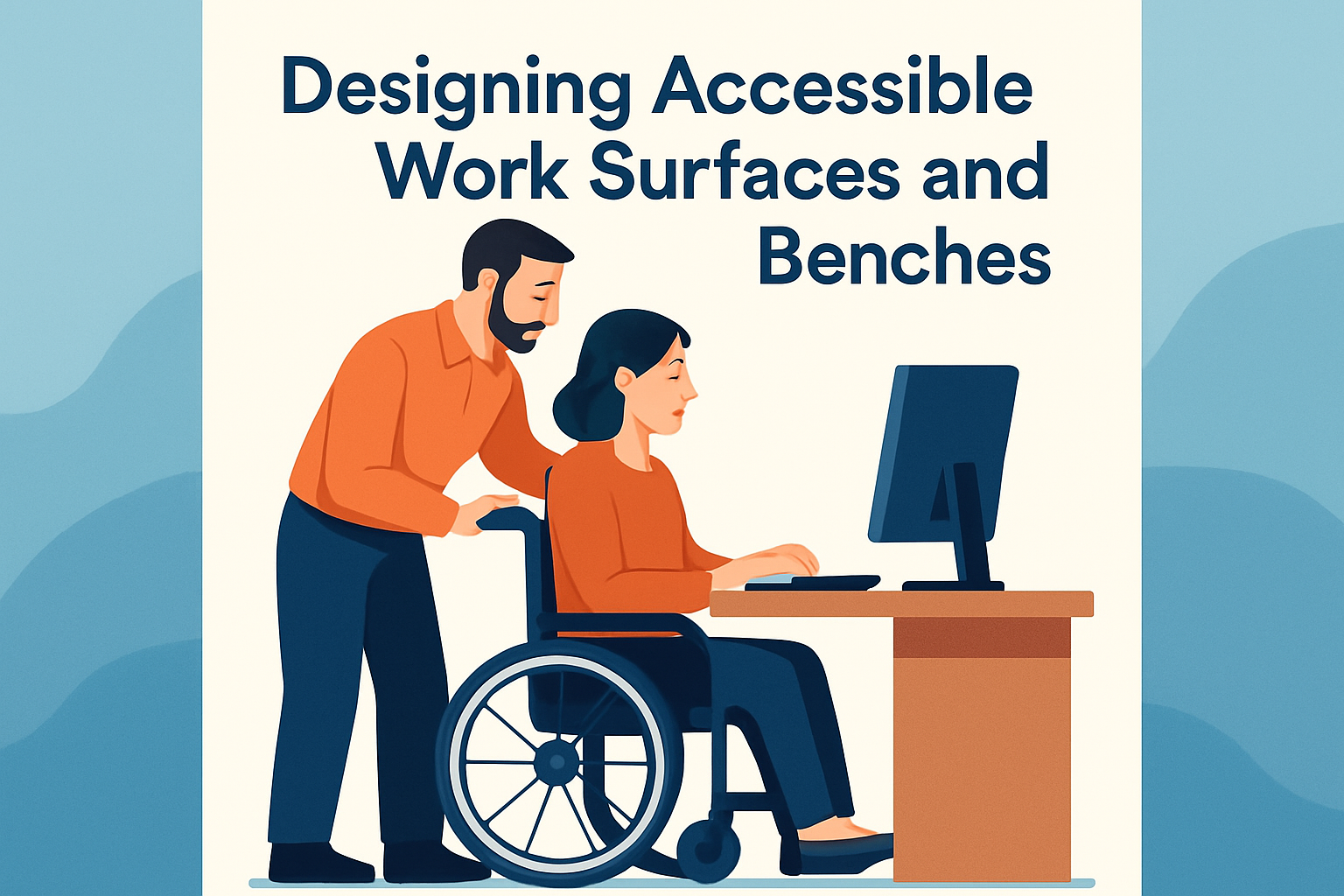
Knee and toe clearance is another critical aspect of ADA standards for dining surfaces. To ensure accessibility, the ADA requires that tables or counters provide at least 27 inches of knee clearance under the table and 9 inches of toe clearance from the floor. This clearance is crucial as it allows individuals in wheelchairs to position themselves comfortably under the table without obstruction.
Consider a high-end restaurant aiming to serve a diverse clientele. By adhering to the ADA standards for knee and toe clearance, the restaurant ensures that all customers, regardless of their mobility, have ample space to position themselves comfortably at the dining tables. This consideration not only complies with legal requirements but also enhances the dining experience for all guests, promoting inclusivity and comfort.
Ensuring Accessible Paths to Dining Areas
Accessibility extends beyond the dining surface itself to the paths leading to it. The ADA standards require that dining areas be accessible via routes that are free of obstructions and are at least 36 inches wide. These pathways should have minimal slope and be clear of barriers to accommodate individuals using mobility aids.
For example, a bustling urban eatery might face challenges in maintaining wide, unobstructed paths due to its compact space. However, by strategically arranging tables and pathways, the eatery can comply with ADA standards, ensuring that patrons using mobility devices can move through the space with ease. This compliance not only satisfies legal obligations but also enhances the establishment’s reputation as accessible and welcoming.
Incorporating ADA Compliance into Restaurant Design
ADA standards should be incorporated into the very design of dining establishments. This includes considering these standards during the initial layout planning and ensuring all dining surfaces and pathways meet the necessary dimensions and clearances.
Consider a new bistro being developed in a trendy downtown location. During the planning phase, architects and designers incorporate ADA standards for dining surfaces into the blueprint, ensuring that all tables meet height and clearance requirements, and pathways are accessible. By embedding these standards into the design from the outset, the bistro not only avoids costly retrofits but also positions itself as an establishment committed to inclusivity and accessibility from day one.
| ADA Component | Requirement | Application |
|---|---|---|
| Surface Height | 28-34 inches | Dining tables in restaurants |
| Knee Clearance | 27 inches high | Under dining surfaces |
| Toe Clearance | 9 inches high | Under tables |
| Pathway Width | 36 inches | Access routes to tables |
Benefits of Complying with ADA Dining Surface Standards
Compliance with ADA standards offers numerous benefits beyond legal alignment. Establishments that prioritize accessibility widen their customer base, ensuring that individuals with disabilities can dine comfortably and thereby boosting their potential clientele. In addition, the commitment to accessibility can enhance a restaurant’s reputation as a welcoming, inclusive place, which can foster customer loyalty and positive word-of-mouth.
For instance, a family-owned diner in a small town decides to upgrade its facilities to comply with ADA standards. As a result, they notice an increase in patrons with diverse mobility needs who regard the diner as a welcoming and inclusive space. This positive development not only enhances the diner’s community reputation but also increases its business, demonstrating the tangible benefits of ADA compliance.
Challenges and Solutions in Implementing ADA Standards
Implementing ADA standards can present challenges, particularly for established restaurants with existing infrastructures. Retrofitting spaces to meet ADA requirements may involve substantial changes and costs. However, by viewing these adaptations as long-term investments, businesses can mitigate these challenges.
Consider an established restaurant in an historic building. Facing the challenge of updating its space without compromising architectural integrity, the restaurant consults with accessibility experts. By employing creative solutions like adjustable height tables and movable seating, the restaurant successfully meets ADA standards while preserving its unique character. This example illustrates that with strategic planning and expert guidance, businesses can overcome obstacles to achieve compliance.
Conclusion
Adhering to ADA standards for dining surfaces is crucial for creating an inclusive and accessible dining environment. These standards ensure that individuals with disabilities can dine comfortably alongside their peers, elevating the dining experience for everyone. By following ADA requirements for surface height, knee and toe clearance, and accessible pathways, dining establishments not only comply with legal mandates but also broaden their customer base and enhance their reputation as inclusive spaces.
Understanding and implementing ADA standards requires planning and commitment, but the benefits are substantial. Dining establishments that embrace these standards can provide a superior customer experience while fostering inclusivity and equality. For business owners and managers, the next step is to evaluate their current facilities, identify areas for improvement, and begin the process of adapting their spaces to be fully accessible. Doing so will signal a commitment to inclusivity and offer every customer the ultimate dining experience.
Frequently Asked Questions
1. What are the ADA standards for dining surfaces in restaurants?
Under the ADA standards, dining surfaces in restaurants must be accessible to individuals with disabilities. This means that at least 5% of the seating and standing spaces are required to be accessible, but no fewer than one if there are less than twenty tables. Specifically, dining surfaces should have a height that is between 28 and 34 inches above the finish floor or ground. There needs to be adequate knee and toe clearance underneath, typically a minimum of 27 inches high, 30 inches wide, and 19 inches deep, to accommodate wheelchair users comfortably. These standards are established to ensure that diners using wheelchairs or with different mobility needs can sit at and access the table comfortably just like any other guest.
2. Why is it important for restaurants to comply with ADA standards for dining surfaces?
Compliance with ADA standards for dining surfaces is crucial for promoting inclusivity and accessibility in dining establishments. It ensures that people with disabilities can enjoy a dining experience that is barrier-free and comfortable. Failing to comply can lead to a discriminatory dining environment and possibly result in legal repercussions against the establishment. Additionally, providing accessible dining options can expand a restaurant’s customer base and enhance its reputation as an inclusive and welcoming place for all individuals. Ultimately, these standards are about creating equity and respect for all patrons, allowing everyone to dine with ease and dignity.
3. How do ADA standards affect the design of a dining area?
The ADA standards significantly impact the design of dining areas, requiring thoughtful consideration in layout and furniture selection. Establishments must incorporate accessible routes, meaning paths that are wide enough for wheelchairs, ideally at least 36 inches. Designers must ensure that seating is flexible, allowing enough space for individuals to easily transition from mobility aids to chairs, or to access tables directly if remaining in their wheelchairs. Dining surfaces themselves need to be level and stable, not posing hazards or obstructions. This approach not only fulfills legal obligations but also creates an inviting, accessible atmosphere for all guests. The design processes involve careful planning of table arrangements to ensure people with disabilities can socialize and dine as seamlessly as others.
4. What happens if a restaurant does not follow ADA standards for dining surfaces?
If a restaurant fails to adhere to the ADA standards for dining surfaces, it can face serious consequences, including legal action and penalties. Non-compliance can result in lawsuits, which may pull the establishment into costly and prolonged legal battles. Beyond legal repercussions, such neglect can damage the establishment’s reputation among patrons seeking accessible venues, potentially leading to a decrease in patronage and revenue. Moreover, failing to create an inclusive environment can alienate a significant segment of the population. It is in the best interest of any dining establishment to ensure compliance with ADA standards, not only for legality and customer satisfaction but also as a demonstration of commitment to inclusivity and equal access.
5. What steps can restaurant owners take to ensure their dining surfaces meet ADA standards?
Restaurant owners can take several proactive steps to ensure their dining surfaces are compliant with ADA standards. Firstly, they can consult with accessibility specialists or interior designers who are well-acquainted with ADA requirements to evaluate and adjust the space appropriately. Conducting a thorough review and potential redesign may be necessary to ensure paths of travel, seating arrangements, and dining surface dimensions meet accessibility needs. Training staff to understand and apply ADA standards in everyday operations is also beneficial in maintaining an accessible environment, especially in accommodating guests with specific needs. Owners should regularly review and update their setups, keeping abreast of any updates to ADA regulations. Taking these measures not only ensures compliance but enhances the guest experience, showing respect and inclusivity for all clients.