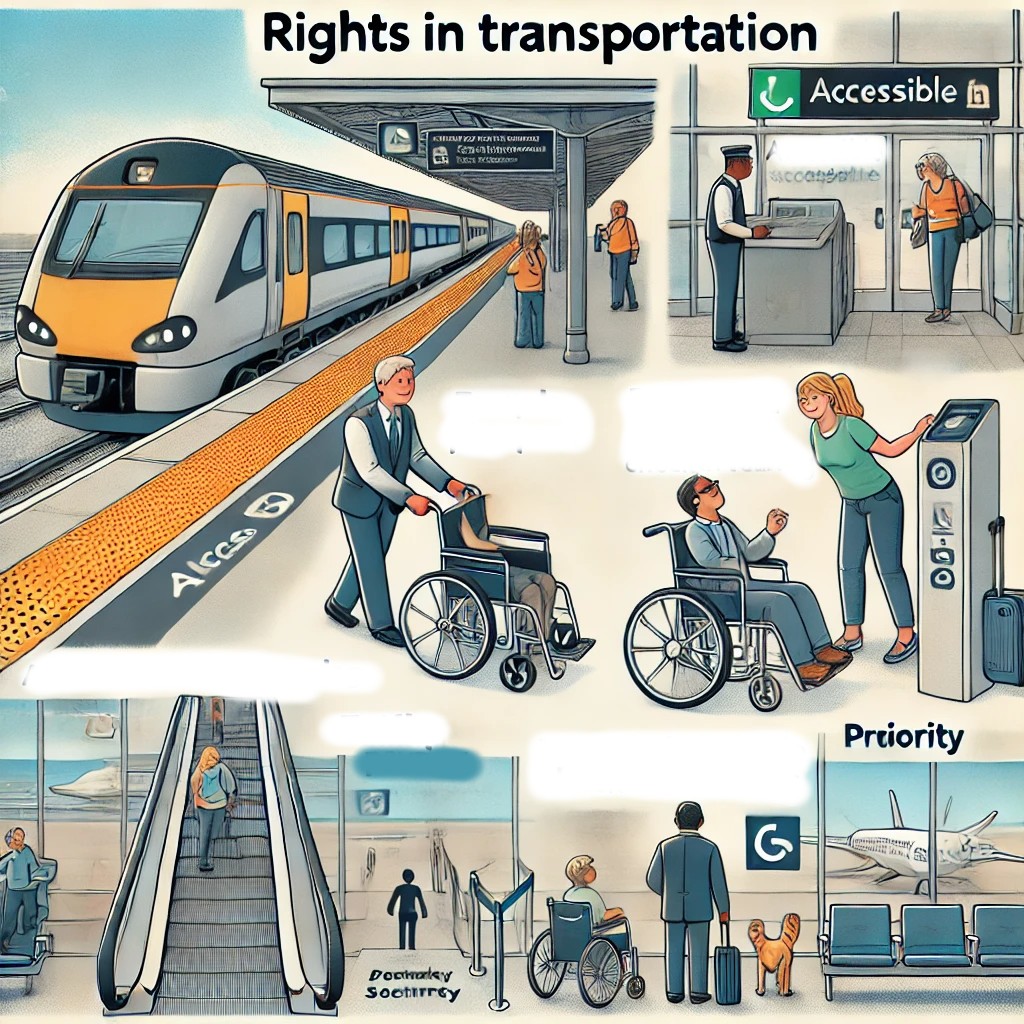
The Americans with Disabilities Act (ADA), a civil rights law enacted in 1990, aims to prevent discrimination against individuals with disabilities in all areas of public life. This includes workplaces, schools, transportation systems, and all public and private spaces open to the general public. ADA compliance helps ensure that people with disabilities have equal access and opportunities, enhancing their ability to lead fulfilling lives.
Among the most crucial aspects of ADA compliance is proper signage, which plays a vital role in ensuring accessibility. Signage that adheres to ADA requirements should be easily readable, understandable, and usable by everyone, regardless of their physical or cognitive abilities. Proper signage not only aids individuals with disabilities but also benefits everyone who uses the facility.
This comprehensive guide will delve into the specifics of ADA signage requirements, offering a detailed look at what organizations need to do to stay compliant. From understanding the key requirements to implementing best practices, this article will provide insights you can utilize to enhance the accessibility and inclusivity of your spaces. Let’s start by exploring the core elements of ADA signage, including size, contrast, text, and placement.
Understanding ADA Signage Requirements
Achieving ADA compliance in signage starts with understanding the basic elements defined under the law. These elements are designed to make information accessible to all users, including those with visual, hearing, or cognitive impairments. Let’s break down the primary aspects of ADA-compliant signage.
Contrast and Colors: High contrast between text and background is essential. This contrast ensures that the information stands out and is easily readable, particularly for individuals with visual impairments. Light-on-dark or dark-on-light color schemes typically provide adequate contrast.
Text Size and Font: ADA guidelines specify minimum and maximum text sizes for signs based on viewing distance. Moreover, fonts should be simple, sans-serif, and non-decorative to optimize readability. Recommended fonts include Helvetica, Arial, and Verdana.
Braille and Tactile Elements: To aid those who are blind or have severe visual impairments, signage should include Braille and raised tactile text. Braille should be Grade 2, a contracted form commonly used in the United States.
Mounting Height and Location: Signs should be mounted at specific heights and locations to ensure that they are easy to find and read. Typically, signs should be placed 48 to 60 inches above the finished floor, depending on the type of sign.
Types of ADA-Compliant Signs
ADA signage requirements vary depending on the type of sign. Understanding these differences is vital for ensuring full compliance. Here are some common types of ADA-compliant signs:
Identification Signs: These signs label specific rooms or spaces, such as restrooms, conference rooms, and offices. They must include both tactile text and Braille.
Informational Signs: Although these signs provide direction or information, they don’t necessarily identify a specific space. They can include elevator directories or floor level indicators. Informational signs aren’t required to have Braille but should still be easy to read.
Directional Signs: These signs help individuals navigate a building or space by providing wayfinding guidance. Examples include arrows pointing towards exits, restrooms, or other facilities. While Braille is not mandatory, the text should still be easy to read and in high contrast.
Regulatory Signs: These signs provide information on laws, rules, or regulations within a space, such as maximum occupancy or no-smoking areas. While ADA does not require these signs to have Braille, they should still be readable and use high-contrast text.
Placement and Mounting of Signs
The correct placement and mounting of ADA signs are as crucial as the content itself. Improperly placed signs can be just as inaccessible as unreadable signs. Here are key considerations for mounting and placement:
Mounting Height: ADA guidelines mandate that tactile signs be mounted at a height of 48 to 60 inches from the finished floor to the centerline of the sign. This height makes the signs accessible to people who are short, seated, or have overhead visual impairments.
Location: Ensure that signs are mounted on the wall adjacent to the latch side of doors. This placement ensures that individuals can find the sign before entering the room. For double doors, the sign should be placed on the nearest adjacent wall.
Clearance: Proper clearance around the sign ensures that it can be approached closely enough to be read by people with visual or mobility impairments. Signs should be located away from protruding objects that could obstruct visibility or readability.
Lighting: Sufficient lighting is vital for readability. Ensure that signs are installed in well-lit areas where shadows or glares do not obstruct the text or Braille.
Best Practices for ADA Signage
Implementing ADA-compliant signage goes beyond merely following the rules. Adopting best practices can further enhance accessibility and user experience. Here are some best practices:
Inclusive Design: When designing signs, aim to achieve both compliance and usability for all. Involve individuals with disabilities in the planning and design process to ensure that the signs meet their needs effectively.
Regular Audits and Updates: Conduct regular audits to ensure continued compliance with ADA standards. Technology and ADA guidelines evolve, and periodic reviews ensure that the signage remains up-to-date.
Consistent Signage: Consistency in design, font, and placement of signage throughout the facility ensures that navigation is straightforward. This consistency reduces confusion and enhances accessibility.
Employee Training: Educate employees about the importance of ADA compliance and proper signage. Trained staff are better equipped to maintain and identify necessary updates or adjustments to signage.
Implementing ADA Signage in Existing Buildings
Updating existing buildings to be ADA-compliant can be challenging but is essential for accessibility. Here are steps to effectively implement ADA-compliant signage in existing facilities:
Assessment: Conduct a thorough assessment of the existing signage and facility layout. Identify areas that require updates or the installation of new signs.
Prioritization: Prioritize areas with high traffic or where the lack of signage severely impacts accessibility. Areas like entrances, restrooms, and emergency exits should be addressed first.
Engage Experts: Consulting with ADA compliance experts can provide valuable insights and ensure that the signage meets all requirements. These experts can help in choosing, designing, and placing signs effectively.
Budgeting and Planning: Plan and budget for the necessary changes, allocating resources effectively. Phasing the implementation can help manage costs and minimize disruptions.
Leveraging Technology for ADA Compliant Signage
Technology can significantly enhance the efficiency and effectiveness of ADA-compliant signage. Incorporating technology can ensure that signs are not only compliant but also user-friendly and up-to-date. Here are some ways to leverage technology:
Digital Signage: Digital signs can be easily updated and customized to meet ADA requirements. They can also provide dynamic wayfinding information, which is particularly useful in large facilities.
Interactive Touchscreens: Touchscreen directories and informational kiosks can offer audio descriptions and zoom features, enhancing accessibility for individuals with visual impairments.
Mobile Apps: Develop mobile apps that can provide audio descriptions and detailed navigation instructions. Apps can be particularly useful in widespread or complex facilities, like hospitals or universities.
Smart Beacons: Use Bluetooth beacons combined with mobile apps to deliver location-based audio instructions and information directly to users’ smartphones. This can be especially useful for blind or visually impaired users.
Conclusion
The ADA’s goal is to ensure that individuals with disabilities have equal access to opportunities and resources. Compliance with ADA signage requirements is a critical aspect of this mission. By understanding the basic requirements, adopting best practices, and leveraging technology, organizations can create environments that are not only compliant but truly accessible and user-friendly.
Implementing ADA-compliant signage requires ongoing commitment and regular updates. Organizations should engage with accessibility experts, involve individuals with disabilities in the design process, and continually assess and update their signage. This proactive approach ensures that facilities remain inclusive and accessible to all.
Making accessibility a priority reflects an organization’s values and commitment to inclusivity. It’s more than a legal requirement; it’s a step towards creating spaces where everyone can participate fully and equally. By prioritizing ADA-compliant signage, you’re not only complying with the law but also making a meaningful impact on the lives of individuals with disabilities.
Frequently Asked Questions
1. What is ADA signage, and why is it important?
ADA signage refers to signs that are designed to comply with the Americans with Disabilities Act guidelines, which ensure accessibility for individuals with disabilities. These signs are essential in public and private spaces as they help guide visually impaired individuals, facilitate navigation, and promote independence. The importance of ADA signage cannot be understated; it provides critical information and directions that make it possible for everyone to access facilities safely and efficiently. Moreover, these signs uphold legal standards, thereby helping establishments avoid costly penalties associated with non-compliance. ADA signs are not only a legal obligation but also a moral one, demonstrating a commitment to inclusivity and accessibility.
2. What are the key components that make signage ADA compliant?
Signage must adhere to several crucial specifications to be ADA compliant. First, the text on the sign should include both visual and tactile elements, ensuring it is readable for individuals with visual impairments. This often means incorporating Braille and raised characters. Secondly, ADA signage must have a high-contrast background to ensure readability, with light characters on a dark background or vice versa. It’s essential that these signs are placed at an accessible height, usually between 48 and 60 inches from the ground, to be within the reach of individuals in wheelchairs. Signs must also use a non-glare finish to prevent reflections that could hinder readability. Following these detailed criteria ensures that the needs of all users, especially those with disabilities, are adequately met.
3. What types of signs need to be ADA compliant?
Not all signs are required to be ADA compliant, but many play pivotal roles in guiding and informing individuals. Essential ADA-compliant signs include those that identify spaces like restrooms, exits, and room numbers. Directional signage pointing to accessible routes, elevators, stairwells, and accessible parking must also meet ADA standards. In addition, signs that provide information about functions or commands in specific areas, such as emergency evacuation instructions, must be ADA compliant to ensure everyone has access to critical safety information. While decorative and temporary signage does not have to adhere to ADA rules, permanent identification signs must embrace these standards fully to avoid non-compliance issues.
4. How can businesses ensure their signage meets ADA requirements?
For businesses to ensure their signage aligns with ADA requirements, they must first gain a solid understanding of the standards set out by the ADA. It may be useful to consult experts or resources specializing in ADA compliance to assure that all aspects of signage, from design to installation, meet the necessary guidelines. Businesses should conduct thorough audits of their existing signs to ensure they are up to code, then plan to update or replace those that fall short. Selecting reputable vendors who specialize in ADA signs can also prove invaluable, as these manufacturers will have the expertise to create compliant signs. Finally, comprehensive staff training on accessibility standards can help maintain an inclusive environment and keep businesses up-to-date with any changes in ADA requirements.
5. What are the potential consequences of failing to comply with ADA signage requirements?
Non-compliance with ADA signage requirements can have significant implications for businesses and organizations. The most immediate consequence can be legal action, which might come in the form of complaints or lawsuits initiated by individuals with disabilities or advocacy groups. The Department of Justice oversees ADA enforcement, and non-compliance can result in hefty fines or mandated modifications that could lead to unanticipated expenses. Beyond legal and financial risks, failure to adhere to ADA guidelines can tarnish a business’s reputation as an inclusive and accessible establishment. Such negative perceptions can dissuade customers and clients, ultimately impacting revenue and public image. Ensuring compliance not only mitigates these risks but also demonstrates a commitment to inclusivity and accessibility, signaling that every visitor’s needs are valued and respected.