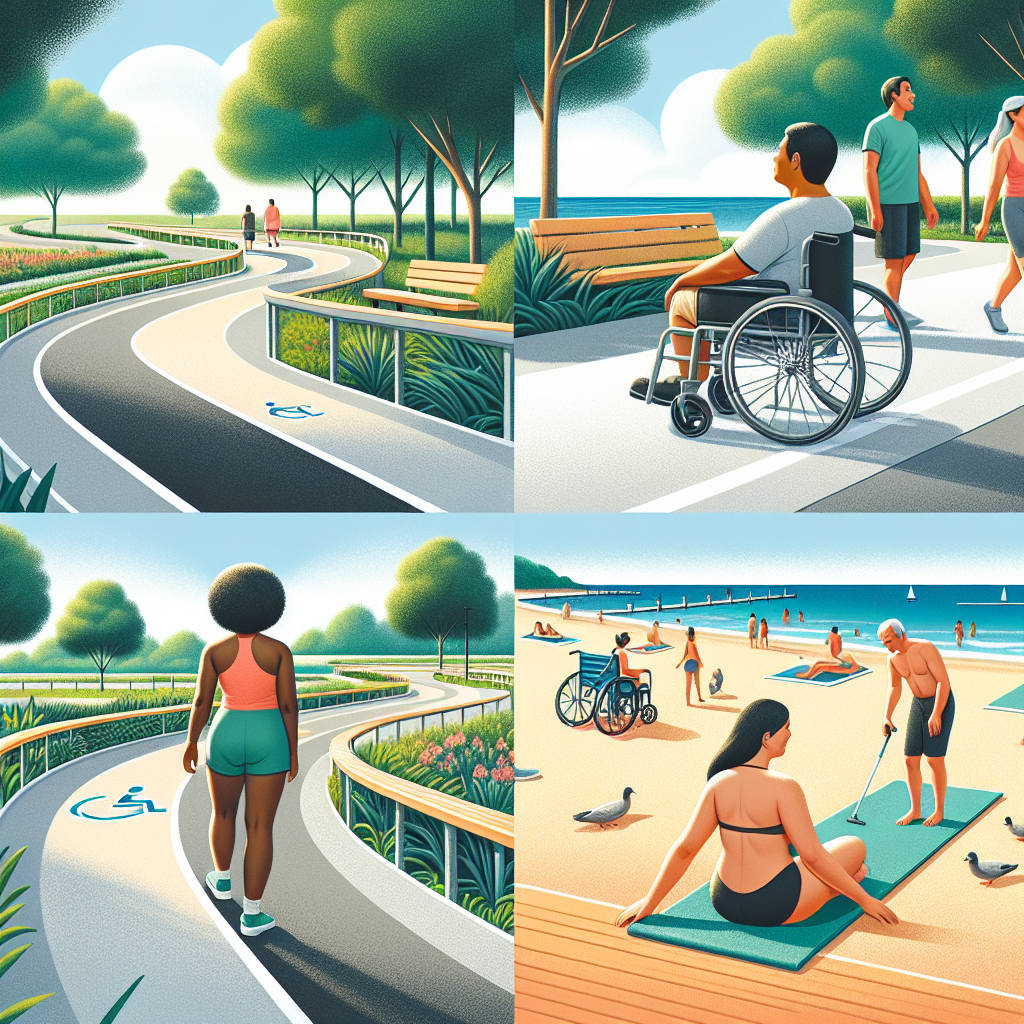
The Americans with Disabilities Act (ADA), passed in 1990, is a landmark piece of legislation that seeks to ensure individuals with disabilities are given equal opportunities in various aspects of life. One important area where the ADA has had a significant impact is in recreational facilities and parks. Accessibility is not just a legal requirement; it’s a crucial aspect of societal inclusion and equality. Recreational areas serve as spaces where people of all abilities can come together to enjoy leisure activities, engage in physical exercise, and experience the joys that nature and community spaces offer.
As these public spaces are critical for physical and mental well-being, it is essential for everyone to understand how the ADA applies here. Not only do these regulations dictate how facilities should be designed, but they also offer guidelines on how existing structures can be modified to ensure access for all. When parks and recreational facilities comply with ADA standards, they send a strong message that the community values inclusiveness and equal access.
The aim of this article is to provide a comprehensive understanding of ADA rights as they pertain to recreational facilities and parks. By breaking down various sections of the ADA and exploring practical implementations, we can better appreciate the importance of accessible spaces. Whether you’re a facility manager, park designer, or a member of the public with a vested interest in accessibility, this article offers valuable insights to better navigate these rules and regulations.
ADA Requirements for New Construction
When it comes to newly constructed recreational facilities and parks, the ADA requires that these spaces be fully accessible to individuals with disabilities. But what does that actually mean? ADA compliance in new constructions involves considering several factors, including but not limited to, paths of travel, seating arrangements, and restroom facilities.
Paths of travel are particularly crucial. They must be wide enough to accommodate wheelchairs, have gentle slopes, and be free from obstructions. Additionally, surfaces should be stable, firm, and slip-resistant. Signage should be clear and include Braille where appropriate.
In terms of seating, theaters, stadiums, and similar venues must offer accessible seating options dispersed throughout different sections so that guests with disabilities have choices comparable to those without disabilities. Restroom facilities should include features like accessible stalls, sinks at appropriate heights, and tactile signage indicating their location.
Failure to comply with these standards can lead to penalties and, more importantly, exclusion of community members from enjoying public spaces. Therefore, understanding and implementing these ADA requirements during the design and construction phase can lead to long-term benefits for the community.
Renovations and Existing Facilities
While new constructions must meet stringent ADA standards, existing facilities and parks are not exempt from regulation. The ADA mandates that barriers to access be removed in existing public spaces whenever it is “readily achievable” to do so. The term “readily achievable” means that the modifications can be carried out without much difficulty or expense.
Common examples of readily achievable modifications include installing ramps, widening doorways, and rearranging furniture. Even simple changes can dramatically improve accessibility. For instance, placing grab bars in restrooms or lowering water fountains can make a facility more usable for individuals with disabilities.
Facility managers should conduct regular accessibility audits to identify potential barriers and opportunities for improvement. ADA consultants can provide expert advice on how to make these modifications effectively. Grants and other funding sources may also be available to help offset the costs of these necessary changes.
Ultimately, making these changes sends a powerful message: people of all abilities are welcome and valued. Even small renovations can have a significant positive impact on the inclusivity of community spaces.
Playgrounds and Outdoor Recreation Areas
Playgrounds and outdoor recreation areas offer a unique set of challenges and opportunities when it comes to ADA compliance. These spaces are designed to be fun and engaging, yet they must also be safe and accessible for everyone. The ADA provides specific guidelines to ensure that playgrounds offer inclusive play opportunities.
Surfacing is a critical aspect of playground accessibility. Materials like engineered wood fiber, rubber mats, and poured-in-place rubber can provide safe, stable surfaces for children using wheelchairs or other mobility aids. Another vital component is the inclusive design of play equipment. Ramps, transfer platforms, and ground-level play components ensure that children with disabilities can enjoy the playground alongside their peers.
Moreover, sensory play elements like water features, musical instruments, and tactile panels can enrich the recreational experience for children with a variety of abilities. Clear pathways, accessible seating for caregivers, and shade structures further contribute to an inclusive and enjoyable environment.
For outdoor recreation areas like hiking trails, team sports facilities, and swimming pools, the same principles apply. Trail surfaces should be firm and stable, and slopes should be manageable. Sports facilities must offer accessible spectator seating, and pools should have sloped entry points or hydraulic lifts.
Special Events and Programs
ADA compliance extends beyond the physical aspects of facilities and parks; it also covers special events and programs. Whether it’s a summer camp, a community festival, or a guided nature tour, organizers must ensure that these activities are accessible to all participants.
Advertising and registration materials should provide information on how individuals can request accommodations in advance. Common accommodations might include sign language interpreters, assistive listening devices, or materials in alternate formats like Braille or large print.
Staff training is another crucial component. Employees and volunteers should be knowledgeable about ADA requirements and trained to respond to accommodation requests appropriately. Inclusion isn’t just about physical access; it’s also about creating an environment where individuals with disabilities feel welcomed and respected.
Evaluating programs for accessibility should be an ongoing process. Feedback from participants can provide valuable insights into how events and activities can be improved. By fostering an inclusive atmosphere, organizers can ensure that all community members have the opportunity to participate fully in recreational offerings.
Compliance and Advocacy
Ensuring ADA compliance in recreational facilities and parks is a shared responsibility involving government agencies, private businesses, and the community. While the ADA provides the legal framework, advocacy plays a vital role in promoting accessible and inclusive spaces.
Local governments often have ADA coordinators or similar roles responsible for ensuring compliance within public spaces. These individuals can provide guidance on projects and respond to concerns raised by the public. Community members and advocacy groups should not hesitate to get involved by attending public meetings, providing feedback on public projects, and advocating for needed improvements.
Private businesses that operate recreational facilities must also be committed to ADA compliance. Whether it’s a golf course, fitness center, or amusement park, these businesses have a legal and ethical obligation to provide accessible services. Regular training and updates on ADA regulations can help ensure ongoing compliance.
Finally, individuals with disabilities and their families can play an important role by remaining informed about their rights under the ADA. Knowing what the law requires can empower individuals to advocate for themselves and others. Joining or forming advocacy groups can amplify voices and drive community-wide change.
Conclusion
The ADA has been a game-changer in ensuring equal access and opportunities for individuals with disabilities. Recreational facilities and parks are no exception, and offering accessible public spaces is not merely a legal requirement—it’s a community imperative. By understanding the intricacies of the ADA as it pertains to these spaces, we can make informed decisions that benefit everyone.
New constructions must be ADA compliant from the outset, ensuring that all aspects, from paths of travel to seating arrangements and restroom facilities, meet stringent standards. Existing facilities should continuously evaluate and remove barriers where it is “readily achievable” to do so. Playgrounds and outdoor recreation areas must be inclusive, offering safe, accessible, and engaging environments for children and adults alike.
Special events and programs must be planned with ADA compliance in mind, ensuring that all community members can participate meaningfully. Ongoing training, advocacy, and a commitment to best practices are essential in fostering a truly inclusive environment.
In the end, ADA compliance is not just about adhering to regulations; it’s about recognizing the inherent value in everyone and providing spaces where everyone can thrive. By committing to accessibility in recreational facilities and parks, we take a significant step toward a more inclusive, equitable, and vibrant community.
Frequently Asked Questions
1. What is the Americans with Disabilities Act (ADA) and how does it apply to recreational facilities and parks?
The Americans with Disabilities Act (ADA), enacted in 1990, is crucial legislation designed to protect the rights of individuals with disabilities across various life aspects, including employment, public accommodations, transportation, and more. Specifically, when it comes to recreational facilities and parks, the ADA mandates accessibility, ensuring that individuals with disabilities can enjoy these public spaces just like anyone else. This means facilities must eliminate physical barriers, provide reasonable accommodations, and promote inclusive participation. For example, pathways should be accessible, and recreational programs should be designed to include everyone, ensuring a truly equal and enriching experience for all visitors.
2. What are some of the key requirements for making parks ADA compliant?
The ADA lays out several requirements to ensure parks are accessible to individuals with disabilities. These include accessible pathways, which must be smooth and wide enough for wheelchair use; adequate signage providing information in an understandable format; accessible restrooms and parking spaces; and ensuring facilities like picnic areas, playgrounds, and sports fields are usable by people with various disabilities. Additionally, there might be a need for modifications in services, such as offering assistive listening devices for park programs, or providing ramps and rails in various facilities, reinforcing the commitment to equal access and enjoyment for everyone.
3. How does the ADA impact organized sports and recreational programs in public parks?
The ADA requires that recreational programs, including organized sports in public parks, be accessible to participants with disabilities. This includes making reasonable modifications to policies, practices, and procedures to include individuals with disabilities. For example, a park’s soccer league might need to adjust rules or practices to accommodate players who use wheelchairs. Adaptive equipment might also be necessary, and sports programs should consider offering specialized training to staff to help them understand how to facilitate inclusive programs effectively. By doing so, parks embody an inclusive spirit and ensure everyone has the opportunity to participate fully in recreational activities.
4. What measures are available if I encounter a lack of accessibility in a park or recreational facility?
If you find that a local park or recreational facility is not accommodating individuals with disabilities as required by the ADA, there are several steps you can take. Initially, it’s helpful to speak directly with the park management or facility staff to discuss your concerns. Often, they may be unaware of specific issues and can make adjustments. If the issue persists, you can file a formal complaint with the U.S. Department of Justice, which oversees ADA compliance. Further, state and local governments may have additional resources and enforcement agencies you can reach out to for assistance. Advocacy groups can also be valuable allies in addressing accessibility concerns, and they often have resources to help support your efforts in seeking the necessary accommodations or changes.
5. Are there specific challenges faced by recreational facilities in meeting ADA requirements?
While ADA compliance is the law, many recreational facilities face challenges in meeting these requirements. One of the primary issues is funding, as modifications and renovations to improve accessibility can be costly. Many older parks and recreational facilities may not have been designed with accessibility in mind, leading to complex upgrades being necessary. Additionally, there can be a lack of awareness or training around the nuances of ADA requirements, leading to misunderstandings or improper implementations. Despite these challenges, fostering inclusivity by meeting ADA standards brings countless benefits, enriching community engagement, enhancing user experiences, and embodying the core values of equality and accessibility for all. It requires a commitment and understanding that can transform these facilities into truly welcoming environments for everyone.