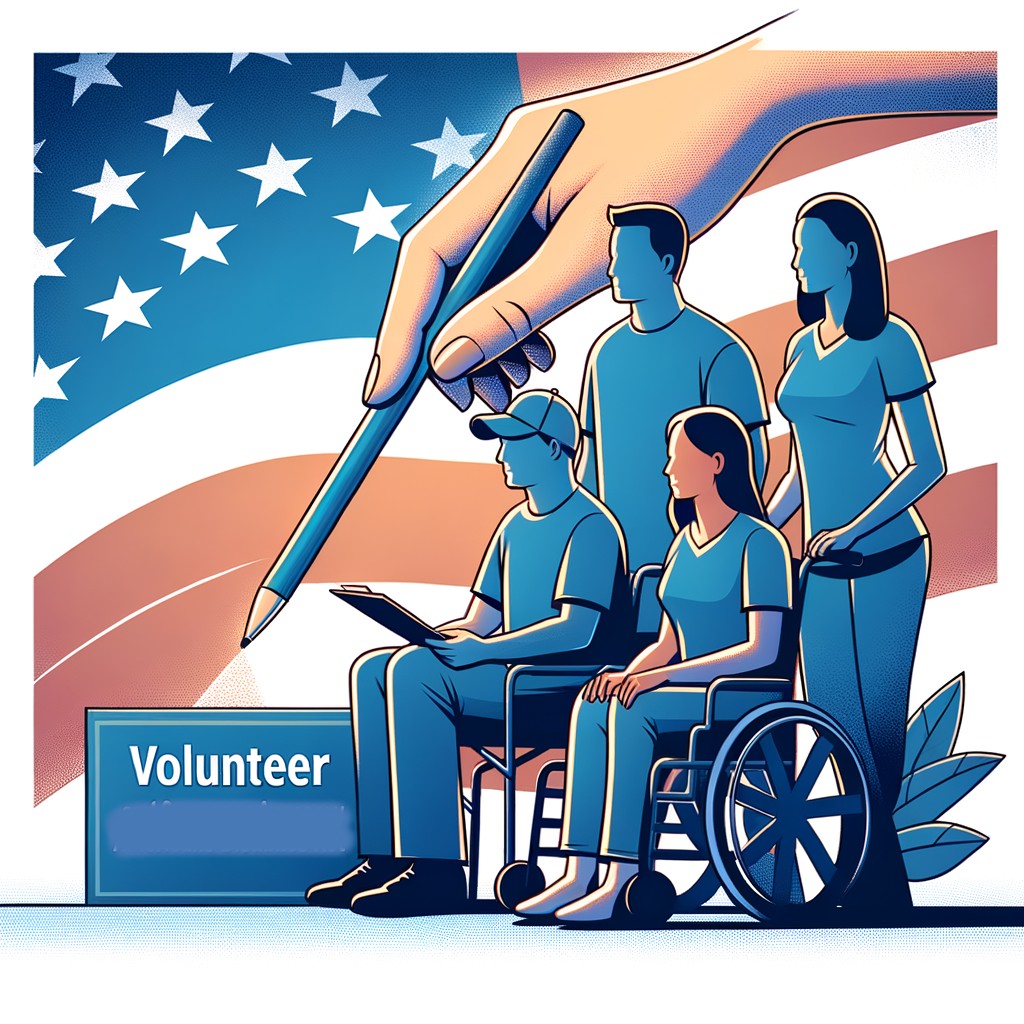
Ensuring that an event is accessible to all attendees, regardless of their disabilities, is not just a legal obligation but also a moral imperative. The term “ADA-friendly” refers to compliance with the Americans with Disabilities Act (ADA), which provides civil rights protections to individuals with disabilities similar to those provided to individuals on the basis of race, color, sex, national origin, age, and religion. ADA-friendly event planning involves creating an inclusive environment where everyone, regardless of their ability or disability, can equally participate and enjoy the benefits of the occasion. This involves careful consideration, planning, and compliance with a wide range of guidelines and resources.
Accessibility in event planning covers several aspects, including venue selection, communication, transportation, and amenities. These critical components require evaluation and adaptation to ensure no attendees encounter barriers due to physical, auditory, visual, or cognitive disabilities. Providing adequate infrastructure, services, and information—such as ramps, Braille signage, and assistive listening devices—is essential. Awareness and implementation of ADA guidelines and practical resources ensure everyone can experience the event fully and comfortably. This article will provide extensive resources and guidelines for ADA-friendly event planning to ensure your event is a success for all participants.
Understanding the Importance of ADA Compliance
The foundation of ADA compliance in event planning lies in understanding the purpose and significance of the ADA itself. Signed into law in 1990, the ADA prohibits discrimination against individuals with disabilities in all areas of public life. This includes jobs, schools, transportation, and all public and private spaces that are open to the general public. As an event planner, ensuring ADA compliance is critical, not only to avoid potential legal issues and penalties but also to demonstrate social responsibility and inclusivity.
Creating an ADA-friendly event is about more than checking off a list of requirements. It is about understanding the barriers those with disabilities face and actively working to eliminate these barriers. When events are accessible and inclusive, they become open to a broader audience, allowing for community engagement, diverse participation, and a more enriching event atmosphere. Additionally, implementing ADA guidelines fosters a sense of respect, accommodation, and inclusivity that reflects positively on the event’s hosts and organizers.
Venue Accessibility
The choice of a suitable venue is perhaps the most critical aspect of ADA-friendly event planning. When selecting a venue, accessibility should be top of mind. Look for venues equipped with wheelchair ramps, accessible parking, and elevators that are large enough to accommodate mobility devices. Entranceways should be wide enough for all attendees, including those using wheelchairs, scooters, or walking aids, and should be free of obstructions such as steps or narrow corridors.
In addition to physical access, consider the availability of accessible restroom facilities. These should have clear signage, enough space for maneuvering wheelchairs, and be easily reachable from the event area. Moreover, seating arrangements are crucial; ensure areas are reserved for those with mobility devices, and provide multiple seating options to accommodate different needs.
It’s also essential to evaluate the venue’s lighting and acoustics. Ensure that the lighting is even and bright enough for visually impaired attendees while avoiding excessively harsh lighting that could be overwhelming. For acoustics, consider interior setups that minimize echo and ensure clear sound, as well as assistive listening systems for hard-of-hearing attendees.
Communication Accessibility
Effective communication is essential to ensure that attendees with disabilities can access the same information as others. Start by ensuring that all event materials and communications—such as brochures, programs, websites, and registration forms—are available in multiple formats. This includes large print, Braille, audio descriptions, and digital formats accessible by screen readers.
During the event, ensure that presenters and speakers are visible to all attendees. Use sign language interpreters and captioning services for spoken presentations. It’s vital to ensure that any visual content, like slides or videos, is described verbally for attendees who are blind or have low vision. Additionally, provide microphones to ensure that questions and discussions can be heard by everyone.
Furthermore, the event website should meet the Web Content Accessibility Guidelines (WCAG), ensuring that all materials are accessible to individuals using screen readers or other assistive technologies.
Transportation and Mobility
Addressing transportation needs is a significant aspect of making an event ADA-compliant. Verify whether public transport options are accessible for those who might require them. Event planners should coordinate with local transportation services to provide reliable transportation options for attendees with disabilities. Availability of adequately equipped shuttle services, rental vehicles, or cabs helps ensure accessibility from transit points to the venue.
Accessible drop-off points close to venue entrances are critical to easing mobility. Ensure these spaces are clearly marked and reserved for those who need them, reducing the distance individuals must travel to access the venue. Furthermore, the availability of assistance for those who need help from the parking area or drop-off to the event space is essential. This could involve providing staff or volunteers trained to accommodate different mobility needs, ensuring a smooth arrival for all attendees.
Amenities and Accommodations
ADA-friendly event planning requires careful consideration of various amenities and accommodations to meet the diverse needs of attendees. This includes offering assistive devices such as hearing loops, headsets, or communication boards for individuals who might require them. Additionally, providing trained personnel to operate these devices aids in attendee comfort and safety.
Dietary accommodations are also critical. Ensure that all food and beverage options cater to those with dietary restrictions or allergies, and clearly label all food items. This consideration extends to seating areas designated for those with mobility impairments, ensuring they have adequate space to navigate the area comfortably.
Finally, ensure that your staff and volunteers are trained in disability etiquette and are prepared to assist attendees courteously and appropriately. Having clear protocols for emergency evacuations that consider the needs of individuals with disabilities is also essential to maintaining a safe and accessible environment.
Leveraging Technology for Accessibility
Incorporating technology into event planning can greatly enhance accessibility. Many software and tools available today are designed to assist in making events more compliant and inclusive. This can range from apps that provide real-time translation and captioning to platforms offering virtual attendance options for those unable to physically attend.
Moreover, consider deploying apps that facilitate navigation within the venue, such as those offering voice-guided tours or floor plans detailing accessible routes and facilities. These technological solutions help bridge gaps by providing attendees with the autonomy to explore and participate fully in event activities.
Additionally, offering a hybrid event model can accommodate a wider audience. Virtual attendance through the internet allows those with physical or logistical constraints to partake in the event fully. It’s vital that these virtual platforms are also accessible, providing features such as screen reader compatibility and keyboard navigation.
Conclusion
ADA-friendly event planning is a multifaceted process that requires diligence, empathy, and foresight. By integrating accessibility into every aspect of event planning, organizers not only adhere to legal standards but also embrace a broader commitment to inclusivity and diversity. The considerations discussed—from venue accessibility to leveraging technology—are essential in creating an event that truly accommodates everyone.
Ultimately, the goal of ADA-friendly event planning is to foster an environment where every attendee, regardless of ability or disability, can engage, connect, and participate in all aspects of the event without restriction or discomfort. Successful implementation of these guidelines and resources reflects well on the event planner’s dedication to inclusivity and enhances the reputation and success of the event.
As we build towards more inclusive communities, the knowledge and use of ADA guidelines will continue to expand opportunities and experience for people with disabilities. Such commitment not only honors ADA requirements but also represents an evolving standard in event management—a standard of caring consideration for all individuals, fostering event atmospheres marked by equality, respect, and shared experience.