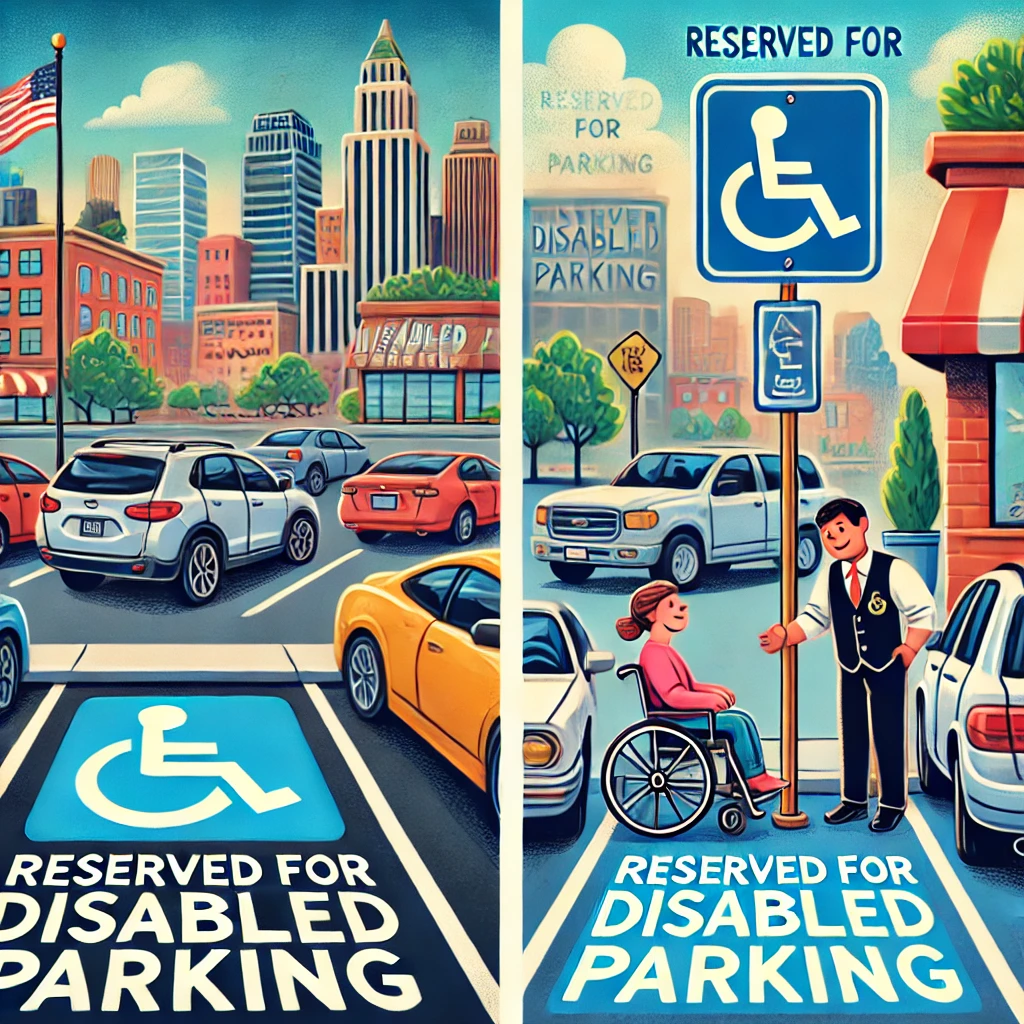
Welcome to our comprehensive guide on the Americans with Disabilities Act (ADA) compliance within the hospitality industry. Whether you own a hotel, restaurant, or any other type of service-related business, ensuring compliance with the ADA is not just a legal obligation but also a moral responsibility to provide accessible services to all customers, including those with disabilities. The ADA sets out a range of standards to make public spaces accessible, and adhering to these regulations can significantly enhance the customer experience while also shielding your business from potential lawsuits and penalties.
Introduction to ADA Compliance
The Americans with Disabilities Act (ADA) was enacted in 1990 to ensure that people with disabilities have the same rights and opportunities as everyone else. This civil rights law impacts nearly every facet of public life, including employment, transportation, public accommodations, communications, and access to state and local government programs and services. For the hospitality industry, which encompasses hotels, restaurants, and a myriad of other service-oriented businesses, ADA compliance means making sure that facilities are accessible and services are equally available to all patrons, regardless of their abilities.
Failure to comply with the ADA not only exposes businesses to the risk of substantial fines but can also damage a company’s reputation and alienate a significant portion of the customer base. As the public becomes more aware of the rights guaranteed by the ADA, there is an increasing expectation that all businesses, including those in the hospitality sector, will meet or exceed these accessibility standards. In many cases, ADA compliance can also result in enhanced customer satisfaction and loyalty, offering a competitive edge in a crowded marketplace.
In the following sections, we will delve into the key aspects of ADA compliance in the hospitality industry, outlining the specific requirements for both physical accessibility and digital accessibility. Additionally, we will provide practical advice and resources for ensuring your business meets these essential standards. From wheelchair accessibility and service animals to websites and mobile apps, this guide covers all the critical components to help you achieve ADA compliance and promote an inclusive environment.
Physical Accessibility in Hospitality Settings
One of the fundamental components of ADA compliance is ensuring that physical spaces are accessible to individuals with disabilities. This includes more than just installing wheelchair ramps and ensuring there are accessible restrooms. Physical accessibility encompasses a range of elements, from parking and entrances to the design of interiors and availability of accessible amenities.
For hotels, ADA compliance means providing accessible rooms equipped with features such as roll-in showers, adequate floor space for maneuvering, and visual and audible alarms. It also involves ensuring that common areas, such as lobbies, restaurants, pools, and fitness centers, are accessible. Accessible paths of travel, appropriate signage, and the availability of assistive devices are also critical elements of compliance.
Restaurants must also adhere to ADA standards by ensuring that seating arrangements accommodate wheelchair access, doors and walkways are wide enough, and restrooms are accessible. Braille menus or accessible digital menus can assist visually impaired guests, while appropriate training for staff on how to interact with customers with disabilities can greatly enhance the dining experience.
Moreover, service animals, which are defined by the ADA as dogs that are individually trained to perform tasks for individuals with disabilities, must be allowed in all areas where customers are allowed to go. This includes dining areas, guest rooms, and even gym facilities. Ensuring physical accessibility in your establishment is not only a regulatory requirement but can also provide a more welcoming environment for all guests.
Digital Accessibility in Hospitality
As digital technologies continue to permeate all aspects of life, ensuring online accessibility has become an essential component of ADA compliance. This includes company websites, mobile apps, and other digital platforms that provide information or enable transactions. For the hospitality industry, digital accessibility means making sure that all customers, regardless of their disabilities, can book rooms, make reservations, check-in online, and access all digital content efficiently.
The Web Content Accessibility Guidelines (WCAG) provide a comprehensive framework for making web content more accessible to people with disabilities. These guidelines cover a range of factors, including text alternatives for non-text content, adaptable and distinguishable content, simplified navigation, and the ways to make content more robust and compatible with assistive technologies.
Hotels and restaurants should ensure their websites adhere to these guidelines by incorporating features like alt text for images, keyboard navigation, screen reader compatibility, and accessible forms and buttons. Mobile apps should also provide similar functionalities, with emphasis on touch targets and voice-operated features where applicable. Regular audits of your digital platforms can help identify areas where accessibility can be improved, ensuring you remain compliant with the ADA and provide an inclusive digital experience.
Training Staff on ADA Compliance
One of the most crucial aspects of ADA compliance is staff training. While making physical and digital spaces accessible is essential, how your staff interacts with customers who have disabilities can significantly impact their experience. Training programs should educate employees on ADA requirements, proper etiquette, and effective communication techniques with customers with disabilities.
Staff should understand the importance of maintaining accessible spaces by not obstructing pathways or removing assistive equipment. They should be familiar with the protocols for assisting guests with disabilities, such as helping them navigate the premises, providing information in accessible formats, and accommodating service animals. Furthermore, employees should be trained to use any assistive devices the business provides, such as TTY (text telephone) machines, portable ramps, or accessible booking tools.
Role-playing scenarios can be an effective part of the training, allowing staff to practice interacting with customers with disabilities in a supportive environment. Moreover, such training should be ongoing, with regular updates and refreshers to ensure staff are always equipped with the latest information and best practices for providing excellent service to all patrons.
Leveraging Technology for Greater Accessibility
Technological advancements offer incredible opportunities to enhance accessibility in hospitality settings. From smartphone apps that provide real-time translation and navigation assistance to automated check-in kiosks that cater to various accessibility needs, technology can significantly improve the experience for guests with disabilities.
Hotels can leverage voice-activated room controls, which can be especially beneficial for guests with mobility impairments. Smart sensors and IoT devices can offer customized, accessible experiences, such as adjusting room temperature or lighting via voice commands or smartphone apps. Restaurants can implement digital menus that are easily navigable and readable by screen readers or other assistive technologies, providing a seamless and enjoyable dining experience for all customers.
Innovations such as immersive virtual tours can also allow potential guests to explore your facility online and ensure it meets their accessibility needs before booking. Moreover, AI-driven customer service chatbots can provide immediate assistance and answer queries about accessibility features, ensuring all customers feel supported and valued. Leveraging these technological advancements can not only boost compliance but also position your business as a leader in offering inclusive services.
Legal and Financial Benefits of ADA Compliance
Ensuring ADA compliance in your hospitality business can offer significant legal and financial benefits. Firstly, it protects your business from potential lawsuits and the financial penalties associated with non-compliance. ADA-related lawsuits are on the rise, and the cost of legal fees, settlements, or fines can far exceed the investment required to make your business accessible.
Moreover, making your business more accessible can also broaden your customer base. According to various studies, people with disabilities travel and dine out frequently, and they often bring along friends and family, further expanding your potential customer pool. An accessible business can attract new customers, enhance customer loyalty, and generate positive word-of-mouth recommendations.
Available financial incentives can also ease the financial burden of making accessibility improvements. For example, the IRS offers tax credits and deductions to small businesses that incur expenses to remove architectural and transportation barriers, provide accessible equipment, or make changes to improve accessibility. These financial incentives can make ADA compliance more feasible and advantageous for businesses of all sizes.
Conclusion
Achieving ADA compliance in the hospitality industry is a multifaceted endeavor, encompassing both physical and digital accessibility, staff training, and leveraging technology. It’s not merely about adhering to legal mandates but fostering an environment where all guests feel welcome and valued. Whether you run a hotel, restaurant, or any other service-oriented business, taking proactive steps towards ADA compliance can enhance customer satisfaction, protect against legal risks, and ultimately drive your business’s success.
Incorporating accessibility into your business model demonstrates a commitment to inclusivity and shows that your establishment is dedicated to serving all customers. From ensuring physical spaces are easily navigable to making digital platforms user-friendly and training staff in proper etiquette, comprehensive ADA compliance can set your business apart. Start by evaluating your current state of compliance, identifying areas for improvement, and leveraging available resources and technologies to make the necessary changes. Remember, investing in accessibility is an investment in your business’s future, ensuring it becomes a welcoming destination for everyone.
Frequently Asked Questions: ADA Compliance in Hospitality – Hotels, Restaurants, and Beyond
1. What is ADA compliance and why is it important for the hospitality industry?
ADA compliance refers to the adherence to the Americans with Disabilities Act, a vital piece of civil rights legislation that prohibits discrimination against individuals with disabilities in all areas of public life, including jobs, schools, transportation, and all public and private places open to the general public. In the hospitality industry, ADA compliance is crucial because it ensures that everyone, regardless of their physical abilities, can enjoy and access services. This not only fulfills a legal requirement but also embodies a commitment to inclusivity and equality. By meeting ADA standards, hotels and restaurants can expand their customer base, enhance their reputation, and demonstrate socially responsible conduct.
2. What are some specific requirements of the ADA for hotels and restaurants?
The ADA outlines a variety of requirements to ensure accessibility in hotels and restaurants. For hotels, this includes having a certain number of accessible rooms equipped for individuals with mobility challenges, hearing impairments, and visual disabilities. These rooms should have features such as grab bars in bathrooms, lower sinks, and roll-in showers. In restaurants, accessibility can include wheelchair-accessible seating, restroom facilities, and pathways that are wide enough to accommodate mobility aids. Both hotels and restaurants must ensure that communication barriers are minimized, providing alternative formats like braille menus or assistive listening devices as necessary.
3. How can a hospitality business evaluate and improve its ADA compliance?
To evaluate and improve ADA compliance, a hospitality business should first conduct a thorough audit of its current facilities and policies. This can be done with the help of accessibility consultants who are well-versed in ADA standards. Key areas to assess include entryways, parking lots, signage, communication aids, and service protocols for guests with disabilities. After identifying areas for improvement, businesses should develop a comprehensive plan that addresses these gaps. This might involve physical renovations, staff training on disability etiquette and inclusion practices, and implementing new technologies that enhance accessibility. Regular training and updates will help maintain a high standard of access and customer service.
4. What are the potential penalties for failing to comply with the ADA in hospitality settings?
Failure to comply with the ADA can result in significant legal and financial penalties for hospitality businesses. Individuals who face discrimination due to lack of compliance can file lawsuits that may result in costly settlements or judgments. Moreover, the Department of Justice (DOJ) can impose civil penalties, which for a first violation can be up to $75,000, and for subsequent violations, up to $150,000. Beyond financial repercussions, non-compliance can gravely harm a business’s reputation, leading to loss of patronage and a negative public image. It is therefore critical for hotels and restaurants to prioritize ADA compliance not only to avoid penalties but to align with standards of fairness and accessibility.
5. Are there tax incentives available for businesses making ADA-related improvements?
Yes, there are several federal tax incentives available to encourage businesses to make ADA-compliant improvements. These include the Disabled Access Credit, which provides a non-refundable credit for small businesses that incur expenditures for the purpose of providing access to persons with disabilities. The credit can cover 50% of eligible expenditures up to $10,250, with a maximum credit of $5,000. Additionally, the Barrier Removal Tax Deduction allows businesses to deduct up to $15,000 per year for expenses related to removing barriers to accessibility. Taking advantage of these incentives can help offset costs associated with implementing ADA guidelines, making it economically feasible for businesses to enhance their facilities.