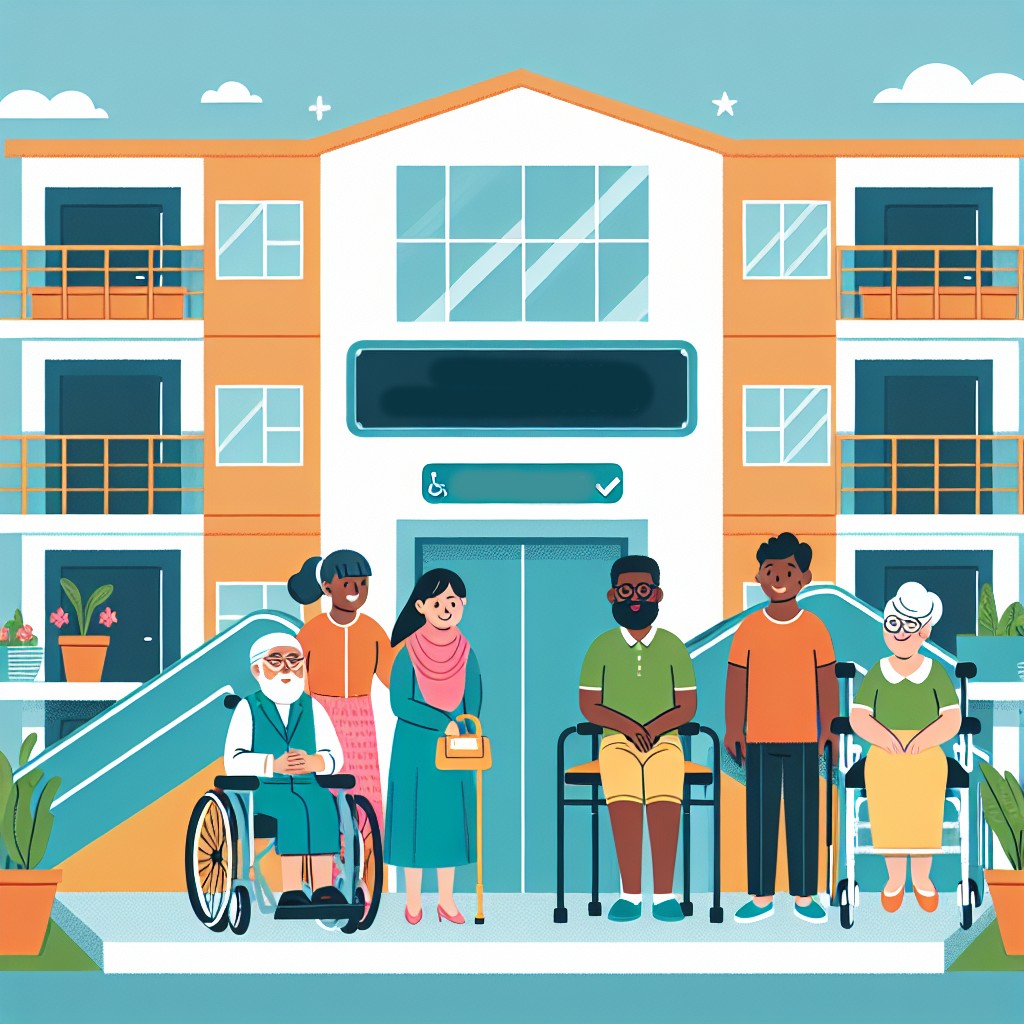
The Americans with Disabilities Act (ADA), enacted in 1990, stands as a monumental piece of civil rights legislation. Its purpose is to prohibit discrimination and ensure equal opportunities for individuals with disabilities in public accommodations, employment, transportation, and government services. One critical area of focus is ensuring that people with disabilities have the right to participate in public events – a fundamental aspect of social inclusion and civic engagement.
Living in a society that values equal opportunities necessitates an understanding of the ADA’s provisions and how they come into play in various public settings. Whether it’s a community festival, sports event, concert, or a political rally, the ADA specifies clear guidelines to make these events accessible for everyone. This article delves into the essential aspects of the ADA regarding public event participation and highlights the steps necessary to comply with its requirements.
The Scope of ADA and Public Accommodations
The ADA’s Title III specifies that public accommodations should be accessible to individuals with disabilities. Public accommodations span a broad spectrum, including schools, recreation centers, restaurants, and theaters, to name a few. Essentially, any venue open to the public must accommodate disabled individuals.
Accessibility extends beyond just physical structures. It encompasses a wide range of requirements, such as ensuring informational and navigational support, availability of assistive listening systems, and ensuring that websites and online platforms associated with the events are accessible. For instance, a theater must have wheelchair seating available and clearly marked, and a website selling event tickets must comply with accessibility standards to ensure visually impaired individuals can navigate and purchase tickets independently.
The scope of these regulations underscores the importance of a holistic approach to accessibility, ensuring the physical, digital, and operational aspects of public events are admirably inclusive.
Physical Accessibility Requirements
Ensuring physical accessibility involves a multitude of considerations. Venues must provide accessible entrances, restrooms, seating, and pathways. For outdoor events, such as concerts or fairs, this includes providing accessible parking, ramps instead of stairs, and pathways that are navigable by wheelchairs or mobility scooters.
Moreover, temporary modifications may be necessary for events in non-traditional spaces. This could mean setting up temporary ramps, creating signage that is readable and situated at accessible heights, and ensuring that temporary structures like tents and stages have space and means for disabled participants to maneuver comfortably.
To illustrate, consider a local county fair. Organizers must plan for multiple accessible entry points, clear and sturdy pathways free of obstructions, designated areas for wheelchairs, and accessible restrooms. Considering elements like these, in advance, highlights the importance of meticulous planning to ensure inclusivity.
Accessibility in Information and Communication
Beyond physical spaces, the ADA caters to communication and informational needs, ensuring that individuals with sensory disabilities can also participate fully. Sign language interpreters or live captioning services may be necessary for individuals who are deaf or hard of hearing. Similarly, providing written materials in larger print or braille can address the needs of visually impaired participants.
The distribution of information regarding the event should also consider accessibility. Event websites should follow web content accessibility guidelines (WCAG), allowing individuals using screen readers or other assistive technology to access information effortlessly. Social media posts and promotional materials should include alternative text for images and accessible links.
Imagine attending a public lecture where an interpreter translates the speech into sign language, and a large screen projects live captions. For online portfolios or ticketing services, ensuring compatibility with screen readers and avoiding overly complex navigation can significantly enhance user experience for people with disabilities, thus supporting greater inclusivity.
Inclusivity in Event Activities
Events often feature a variety of activities where inclusivity is paramount. For sports events, this involves providing accessible seating and pathways to spectate. However, it also means ensuring that participants with disabilities can actively participate in activities.
Adaptive equipment and modifications may be required in participatory events. For instance, a marathon might include wheelchairs or hand cycles to accommodate athletes with mobility impairments. Similarly, accessible booths, games, and interactive displays should incorporate features that allow individuals with disabilities to participate.
An inclusive event goes beyond merely accommodating; it emphasizes active participation settings that engage every community member despite potential physical or cognitive challenges. This creates a vibrant and equitable environment where everyone can contribute to and enjoy the occasion.
Legal Framework and Compliance
Adhering to ADA guidelines is not just a moral imperative; it is a legal one. Non-compliance can result in legal actions and significant penalties, alongside damage to reputation. Understanding the legal framework is crucial for organizers and business owners operating public accommodations.
The ADA outlines specific technical standards for accessibility. However, achieving compliance can sometimes be complex, requiring professional assessments. Access consultants and legal advisors specializing in ADA compliance can be invaluable resources. They can conduct audits, provide actionable insights, and help develop practical strategies to align with ADA requirements.
For example, an event planner might work with an ADA consultant to review an upcoming sports event layout, ensuring all areas from parking to spectator stands and bathrooms comply with ADA guidelines. This proactive approach helps mitigate legal risks and fosters an inclusive atmosphere.
Real-Life Examples and Best Practices
Learning from real-life examples and best practices can offer invaluable insights into effectively adhering to ADA guidelines while hosting public events. Successful events across the globe illustrate how embracing inclusivity can elevate an event’s quality and community standing.
Take the Paralympic Games as a prime example. Organizers go to great lengths to ensure not just accessibility but an experience that highlights equal participation and celebration of sporting excellence among athletes with disabilities. Similarly, many music festivals now include ASL interpreters for performances, accessible viewing platforms, and detailed pre-event information, illustrating how inclusivity is woven into the very fabric of event planning.
These examples emphasize that inclusivity is not an afterthought but a fundamental aspect of successful event management. By integrating disability considerations from the initial planning phase and constantly seeking feedback from participants with disabilities, organizers can continuously refine their practices to create more inclusive and welcoming environments.
Conclusion
The Americans with Disabilities Act has undeniably paved the way for a more inclusive society. Ensuring the rights of individuals with disabilities to participate in public events is essential not just from a legal standpoint, but as a commitment to social equity and community enrichment.
Understanding and implementing ADA guidelines requires a multifaceted approach considering physical accessibility, effective communication, and inclusivity in event activities. Drawing insights from best practices and real-world examples further aids in crafting environments that resonate with inclusive philosophies.
Ultimately, the ADA is a living testament to the progress toward a society where everyone, regardless of ability, has the opportunity to contribute to and benefit from communal experiences. As business owners, event planners, and diligent members of society, it is incumbent upon us to ensure that these principles are not only upheld but celebrated.
Frequently Asked Questions
1. What is the Americans with Disabilities Act (ADA) and how does it relate to public events?
The Americans with Disabilities Act (ADA) is a vital piece of civil rights legislation that was enacted in 1990. Its primary aim is to prevent discrimination and promote equal opportunities for individuals with disabilities. This broad-reaching law covers several areas, including public accommodations, employment, transportation, and government services. One of the crucial aspects of the ADA is its focus on ensuring that people with disabilities have the right to participate in public events. Public events are fundamental for social inclusion and civic engagement as they provide opportunities for individuals to interact, share experiences, and be an active part of the community. The ADA mandates that these events, whether they are government-sponsored or organized by private entities, are accessible to everyone, including those with disabilities. It obligates event organizers to make reasonable modifications to policies, practices, or structures to remove any barriers that might prevent full participation by individuals with different types of disabilities, such as mobility, sensory, and cognitive impairments.
2. What are some common barriers to accessibility at public events?
There are several barriers that individuals with disabilities may face when attempting to participate in public events. Common barriers include physical obstacles such as stairs or narrow doorways that are impassable for people using wheelchairs or other mobility aids. Lack of accessible parking or inadequate signage can also pose challenges. Furthermore, sensory barriers such as a lack of audio descriptions for visually impaired individuals, or absence of sign language interpreters for those who are deaf or hard of hearing, make it difficult for them to access all the information and enjoy the event fully. Notably, inaccessible online registration processes can create initial barriers before individuals even arrive at the event. Additionally, attitudinal barriers, which stem from a lack of awareness or understanding of disabilities and the ADA requirements, often result in staff or organizers failing to accommodate individuals with particular needs appropriately. Overcoming these barriers requires a proactive approach by event organizers to design inclusively and ensure comprehensive accessibility planning.
3. What steps should event organizers take to comply with ADA requirements?
To comply with ADA requirements, event organizers should begin by conducting an accessibility assessment of the venue to identify and address potential barriers. This assessment should consider all areas of access including parking, entrances, restrooms, seating, pathways, and exits. Organizers should also ensure that any signage is clear and easy to read, and they may need to provide materials in alternative formats such as Braille or large print. It is crucial to offer reasonable accommodations, which can include providing interpreters, assistive listening devices, and designated seating areas for individuals with disabilities. Furthermore, event planners should train their staff and volunteers on ADA requirements and best practices for interacting respectfully and helpfully with people with disabilities. Publicizing accessibility features and allowing attendees to request specific accommodations during registration can also aid in preparation. By making these efforts, event organizers not only comply with the law but also foster an inclusive and welcoming environment.
4. How can individuals with disabilities advocate for their right to participate in public events?
Individuals with disabilities have several ways to advocate for their right to participate in public events. Firstly, acquaintances should familiarize themselves with their rights under the ADA to better understand what accommodations they are entitled to. When planning to attend an event, individuals can contact organizers in advance to inquire about accessibility provisions and request additional accommodations if necessary. It’s beneficial to highlight specific needs clearly and respectfully. Joining or forming advocacy groups can amplify individual voices, allowing collaboration on broader campaigns for better compliance with accessibility laws. If individuals experience barriers to participation, they can lodge complaints with the event organizers or escalate the issue to local authorities or the Department of Justice, which enforces ADA compliance. Sharing experiences on social media platforms can also raise awareness and encourage broader community support for accessibility improvements. Importantly, advocating for one’s rights is not only about demanding changes but also about contributing positively to creating inclusive communities.
5. What are the potential consequences for event organizers who fail to comply with ADA standards?
Event organizers who do not comply with ADA standards can face a range of consequences. Legally, they might be subject to complaints or lawsuits initiated by individuals who have been denied access due to barriers. This legal action can result in financial penalties, such as fines or settlements, and may also mandate organizers to make specific accessibility modifications as directed by the courts. Beyond legal implications, failing to comply with ADA standards can damage an organization’s reputation, affecting public perception and attendance at future events. It also undermines the ethical commitment to creating inclusive and equitable communities, potentially alienating individuals with disabilities and their advocates. Importantly, proactive efforts in accessibility not only help in avoiding these negative outcomes but foster positive relationships and trust within the community. By prioritizing accessibility, event organizers can ensure that public events are open and welcoming to all, thus enhancing social cohesion and diversity in participation.