The Americans with Disabilities Act (ADA) remains a cornerstone of civil rights legislation. Established in 1990, its extensive guidelines seek to eliminate discrimination against individuals with disabilities in all areas of public life, including employment, transportation, public accommodations, communications, and access to state and local government programs. While the act has been transformative across numerous domains, one area that often faces scrutiny and requires ongoing effort is the accessibility of public festivals and outdoor events. These communal gatherings are meant to be inclusive celebrations, but without proper accommodations, they can become sources of exclusion and frustration for people with disabilities.
Understanding ADA Requirements for Public Events
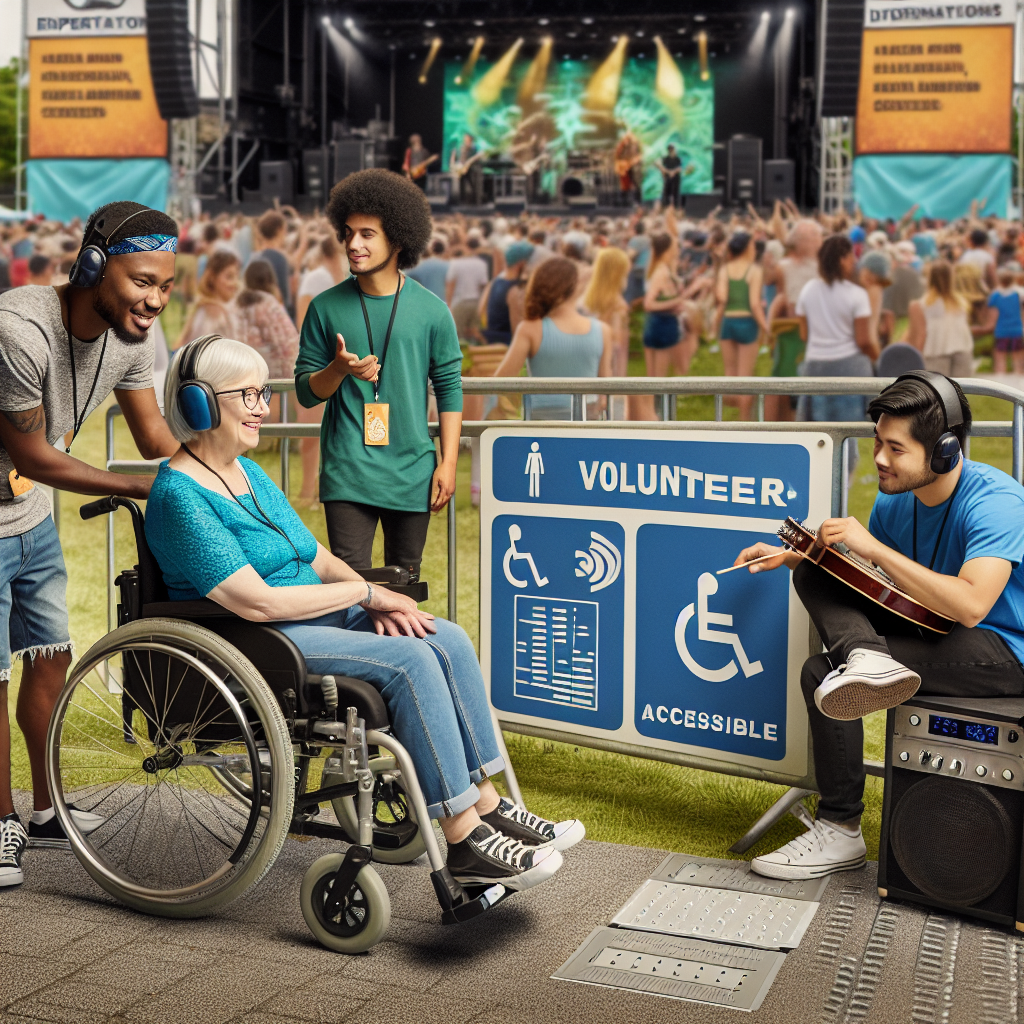
When it comes to public festivals and outdoor events, ADA stipulates specific requirements to ensure accessibility for all attendees. The fundamental principle of the ADA is to provide equal opportunities and full participation. This means organizers must offer reasonable accommodations so that individuals with disabilities have the same opportunities to attend, engage in, and enjoy these events as everyone else. But what exactly does this entail? From accessible restrooms to sign language interpreters, the range of necessary accommodations can be broad and varied.
Primarily, physical accessibility is crucial. This includes ensuring there are accessible entrances, paths of travel, signage, and parking areas. Temporary structures like tents and stages must also be designed to be accessible. Organizers often overlook details such as the stability of pathways for wheelchairs, adequate seating arrangements, and accessible restrooms. Beyond physical structures, consider the communication needs of attendees; public events should provide auxiliary aids and services, such as sign language interpreters, captioning, and information in accessible formats.
Creating an Inclusive Environment
Creating an inclusive environment goes beyond merely fulfilling legal obligations. It requires a proactive approach and a genuine commitment to inclusivity. An inclusive festival or event takes into account the diverse needs of all participants from the initial planning stages. This involves engaging with disability advocacy groups for feedback, conducting accessibility audits, and offering staff training focused on disability awareness and etiquette.
One effective way to ensure inclusivity is to establish an accessibility coordinator within the event planning team. This individual should be responsible for overseeing all aspects of accessibility, from planning to execution. Another best practice is to incorporate accessibility checks into the broader event planning timeline, instead of treating them as afterthoughts. This way, potential issues can be identified and addressed early on.
Marketing and communication materials should also emphasize the event’s commitment to accessibility. By highlighting available accommodations and encouraging attendees to reach out with specific needs, organizers can foster an environment where everyone feels welcome and supported. Ultimately, creating an inclusive environment enhances the event experience for all attendees, not only those with disabilities.
Overcoming Common Accessibility Challenges
Despite best intentions, event organizers often face challenges when striving to make festivals and outdoor events accessible. One common obstacle is the terrain. Outdoor settings can include uneven ground, gravel paths, and other physical barriers that complicate movement for individuals using wheelchairs, walkers, or other mobility aids. To address this, planners can implement temporary solutions like portable flooring or ramps.
Another challenge is ensuring accessible transportation to and from the event. Public transport options may not always be accommodating, and accessible parking can be limited. It’s essential to collaborate with local governments and transportation services to provide adequate solutions, such as shuttle services with wheelchair lifts or designated accessible drop-off points close to the entrance.
While ensuring physical access is paramount, sensory accessibility should not be neglected. This includes providing quiet zones for individuals with sensory processing challenges, clear visual and auditory information, and ensuring that all communication methods are accessible. For example, visual schedules and noise-canceling headphones can be beneficial for attendees with autism or other sensory-related conditions.
Case Studies of Accessible Public Events
Examining successful case studies of accessible public festivals and events offers practical insights and inspiration. One notable example is the Kennedy Center’s annual “Arts Across America” festival. This event stands out for its comprehensive approach to accessibility, featuring on-site accessible seating, dedicated viewing areas, assistive listening devices, and real-time captioning for all performances. The festival also partners with local organizations to provide transportation solutions and additional support services.
Another exemplary event is the New Orleans Jazz & Heritage Festival. This festival has made significant strides in providing an accessible experience through wheelchair-accessible platforms, interpreters for deaf attendees, and strategic partnerships with disability advocacy groups. Their continuous feedback loop with attendees ensures ongoing improvements each year. These cases underline the importance of thorough planning, community involvement, and a commitment to continuous improvement.
Resources and Tools for Event Organizers
A plethora of resources and tools are available to assist event organizers in making their festivals accessible. The ADA National Network offers extensive guidelines and training modules on various aspects of accessibility. Additionally, the Department of Justice provides technical assistance through its ADA Information Line, which can offer direct support and answers to specific questions. Leveraging technology can also enhance accessibility. Event management software often includes features for tracking accessibility needs, managing accommodations, and facilitating communication. Furthermore, mobile apps specifically designed for accessibility can be invaluable. For example, Aira provides visual interpreting services, and Wheelmap helps users find accessible locations and venues. Investing in these resources can make the difference between a basic level of compliance and truly exemplary accessibility. Future Directions and Innovations in Accessibility at Public Events
The landscape of accessibility at public festivals and outdoor events is continually evolving. Future innovations hold the promise of even more inclusive experiences. For instance, the advent of virtual reality (VR) and augmented reality (AR) offers groundbreaking ways to enhance accessibility. VR can provide virtual tours of events, enabling individuals with mobility issues to experience the festival environment before attending, while AR can offer real-time translations and information overlays for those with sensory disabilities. Another exciting development is the increasing use of artificial intelligence (AI) in creating more responsive and versatile accessibility solutions. AI-powered tools can analyze real-time data to identify and solve accessibility issues, offer personalized assistance, and facilitate better communication between event staff and attendees. Looking ahead, there is also a growing movement towards universal design, which emphasizes creating spaces and experiences that are inherently accessible to all, without the need for additional modifications or accommodations. As these technologies and principles gain traction, they have the potential to transform the landscape of public events, making them more inclusive, enjoyable, and welcoming for everyone.
Conclusion
Public festivals and outdoor events are an integral part of community life, offering opportunities for celebration, cultural exchange, and social connection. Ensuring that these events are accessible to individuals with disabilities is not just a legal obligation under the Americans with Disabilities Act (ADA), but a moral imperative that reflects the values of inclusivity, equality, and respect. By understanding and implementing ADA requirements, creating inclusive environments, overcoming common accessibility challenges, learning from successful case studies, and leveraging available resources and tools, event organizers can provide a welcoming and enjoyable experience for all attendees. Moreover, staying abreast of future directions and innovations in accessibility can help organizers anticipate and meet evolving needs, continually enhancing the inclusivity of their events. Ultimately, the commitment to accessibility in public festivals and outdoor events enriches the experience for everyone, fostering a sense of community and belonging that transcends barriers and celebrates the diversity of all participants.