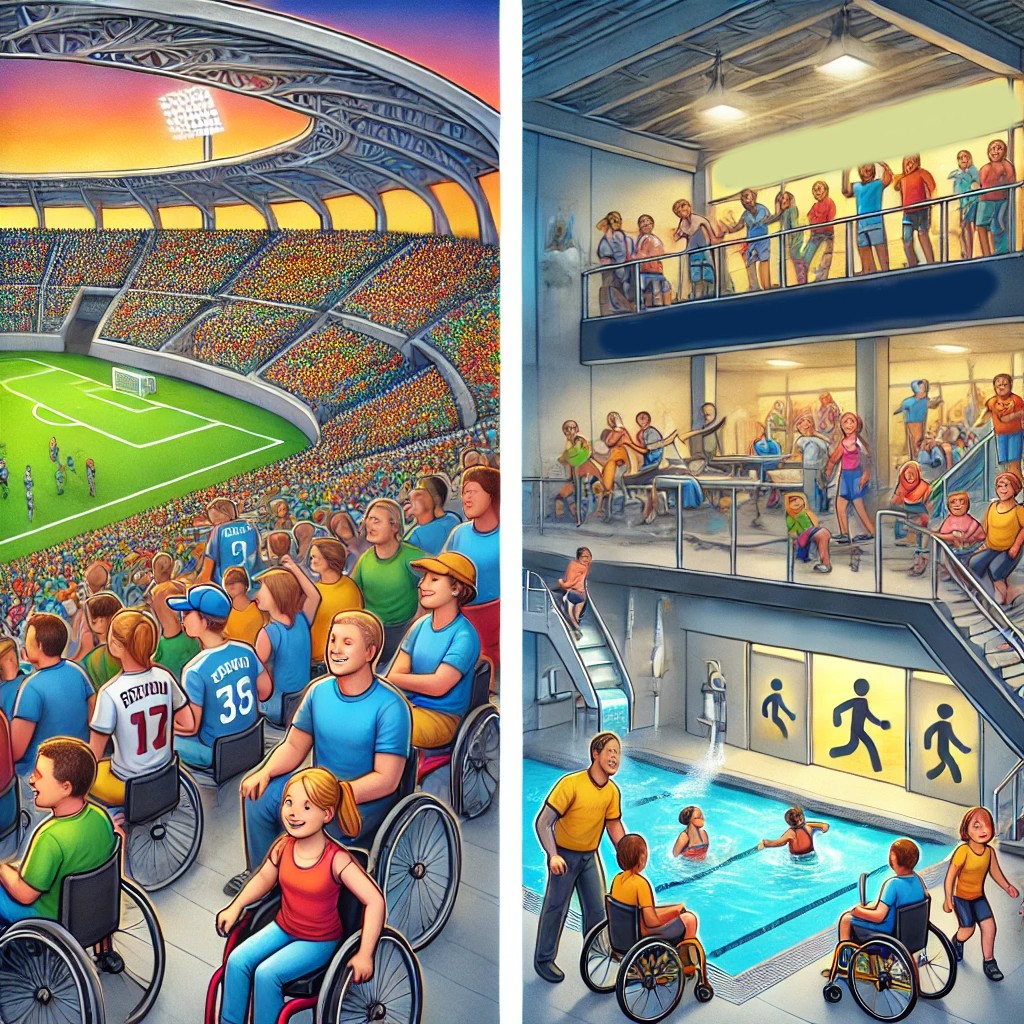
The Americans with Disabilities Act (ADA) is a groundbreaking piece of legislation that ensures people with disabilities enjoy equitable access to facilities and services across the United States. Among various sectors, the ADA has profoundly impacted parks and recreational areas. These spaces are vital for community well-being, and the ADA’s provisions ensure that everyone, regardless of their physical abilities, can enjoy them. By establishing accessibility requirements and guidelines, the ADA has made it possible for individuals with disabilities to engage in recreational activities, participate in community events, and take advantage of natural and cultural assets. This article explores the ADA’s influence on parks and recreational areas, detailing specific regulatory requirements, sharing examples of successful implementations, and offering insights into future improvements.
Importance of Accessibility in Recreational Spaces
Parks and recreational areas serve as communal hubs that provide opportunities for relaxation, physical activity, and socialization. For individuals with disabilities, access to these spaces can profoundly affect their quality of life. Accessibility ensures that everyone has the chance to experience the mental and physical health benefits of outdoor activities. The ADA’s implementation has made it possible for individuals with mobility issues, visual and hearing impairments, and other disabilities to enjoy these benefits. Accessible parks promote inclusivity, a sense of community, and provide equitable opportunities for recreation and exercise, contributing to overall public health.
Key ADA Accessibility Standards for Parks and Recreational Areas
The ADA outlines specific accessibility standards through the ADA Standards for Accessible Design. These guidelines ensure that parks and recreational areas accommodate individuals with various disabilities. Key areas covered include parking, pathways, recreational facilities, and restrooms. For instance, accessible parking spaces must be located near park entrances with clear paths of travel. Pathways should be firm, stable, and slip-resistant, with adequate width to accommodate wheelchairs. Recreational facilities, including playgrounds, swimming pools, and sports fields, must feature accessible options such as ramps, specialized equipment, and visual or auditory aids. Restrooms must also adhere to accessibility standards, providing adequate space, grab bars, and noticeable signage. These comprehensive standards ensure that all individuals can navigate and enjoy parks fully.
Challenges in Implementing ADA Standards
Despite the clear guidelines provided by the ADA, implementing these standards in parks and recreational areas can pose several challenges. Budget constraints often make it difficult to fund the necessary modifications or new constructions required for accessibility. Additionally, existing parks may have historical or environmental significance, making alterations to comply with ADA standards more complicated. There’s also the need for continuous maintenance to ensure that accessible features remain functional and safe. Public awareness and education about accessibility requirements are crucial, as community support often drives successful implementation. Thus, municipalities and organizations must collaborate to overcome these challenges through innovative solutions and continued commitment to inclusivity.

Examples of Successful ADA-Compliant Parks
Several parks and recreational areas have successfully implemented ADA standards, serving as models for others. The Morgan’s Wonderland in San Antonio, Texas, is a premier example of an inclusive amusement park specifically designed for individuals with disabilities. From accessible rides to sensory-friendly shows, it encompasses a holistic approach to accessibility. Another noteworthy example is the Gregory Mill Park in Smyrna, Tennessee, which features accessible playgrounds, sensory gardens, and fishing piers. Similarly, New York’s Central Park has made strides in accessibility with wheelchair-accessible entrances, ramps, and inclusive playgrounds. These parks embody the spirit of the ADA, providing enjoyable experiences for all visitors regardless of their physical capabilities.
The Role of Technology in Enhancing Accessibility
Technological advancements play a significant role in promoting accessibility within parks and recreational areas. Adaptive technologies, such as motorized wheelchairs and mobility aids, enable users to navigate challenging terrains. Additionally, assistive listening devices and mobile apps provide auditory and visual information to those with sensory impairments. Geographic Information Systems (GIS) offer detailed maps highlighting accessible routes and facilities, ensuring better planning and navigation. Technology also aids in maintenance by monitoring the condition of accessible features and notifying authorities about required repairs. By harnessing technology, parks can continually improve their accessibility and cater to the evolving needs of people with disabilities.
Future Directions and Continuous Improvements
As our understanding and recognition of diverse needs grow, so too does the need for continuous improvements in accessibility. Future directions include incorporating universal design principles that go beyond minimum compliance to create environments truly usable by everyone. There’s also a push towards greater community involvement, where parks regularly seek feedback from visitors with disabilities and disability advocacy groups. Enhancing staff training on accessibility awareness and protocols will ensure better support for all visitors. Furthermore, integrating more interactive, sensory-rich experiences can enhance engagement for individuals with sensory disabilities. In conjunction with evolving ADA guidelines, these approaches will help create more inclusive and welcoming recreational spaces.
Conclusion
The Americans with Disabilities Act has been instrumental in transforming parks and recreational areas into inclusive spaces. By adhering to ADA standards, parks can ensure that all individuals, regardless of their abilities, have equal access to recreational opportunities. While there are challenges in implementation, continued efforts, community support, and leveraging technology can overcome them. The successful examples of ADA-compliant parks provide valuable insights and inspiration for other communities and organizations. As we look to the future, ongoing improvements and a commitment to inclusivity will further enrich our parks, making them enjoyable and accessible for all.