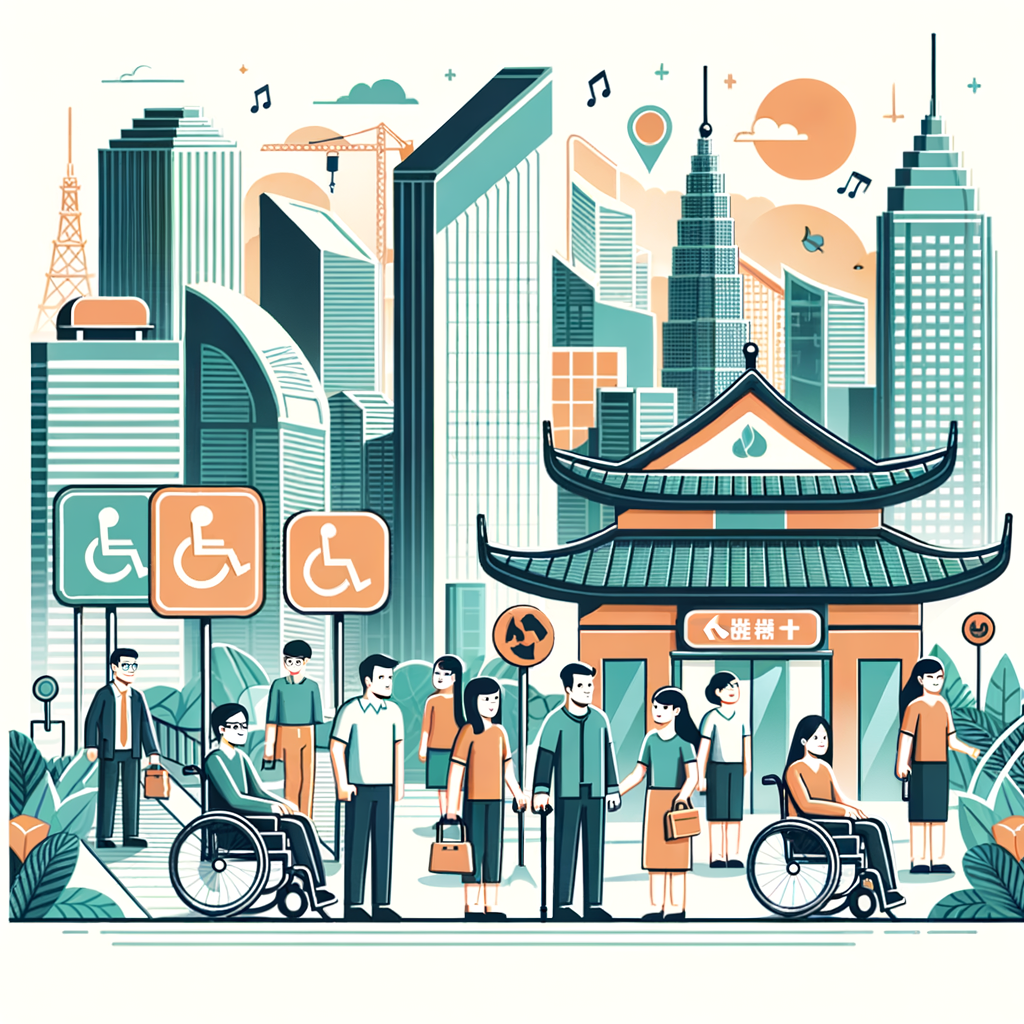
In a world striving for equality and inclusion, the fight for disability rights plays a crucial role in shaping societies that honor diversity and mutual respect. Disability rights revolve around the access and opportunities afforded to individuals with disabilities, ensuring they have the same freedoms and choices as anyone else. These rights are fundamental to human dignity, allowing individuals with disabilities to live independently, make their own choices, and fully participate in society. However, securing these rights often involves legal battles and advocacy on multiple fronts, encompassing international frameworks, local laws, and societal attitudes.
The importance of this subject cannot be understated, as it affects an estimated one billion people globally, or roughly 15% of the world’s population. Individuals with disabilities often face barriers in accessing education, employment, health care, and other essential services. By highlighting international disability rights stories, we can better understand the ongoing struggles and triumphs in the fight for equality. This not only raises awareness but also educates societies about the importance of inclusion and creates pathways for significant change.
International Frameworks and Their Impact
The most significant international instrument concerning disability rights is the United Nations Convention on the Rights of Persons with Disabilities (CRPD). Adopted in 2006 and ratified by 182 countries as of 2023, the CRPD is a landmark in promoting and protecting the rights of persons with disabilities globally.
The CRPD’s effectiveness lies in its comprehensive approach to changing perceptions and addressing the legal rights of individuals with disabilities. By advocating for equal treatment under the law, the Convention encourages nations to implement policies ensuring accessibility and inclusion in various areas of life.
An example of the CRPD’s impact can be seen in Kenya, where the government established the National Council for Persons with Disabilities to oversee the implementation of disability-inclusive policies. This council has been instrumental in promoting the rights and welfare of persons with disabilities, exemplifying how international agreements can foster national change.
Legal Battles and Precedents
Legal battles have often set important precedents for the advancement of disability rights. Such cases highlight the challenges faced and the persistence required to bring about legal reforms.
A landmark case in the United States is the Olmstead v. L.C. decision of 1999, where the Supreme Court ruled that the unnecessary segregation of individuals with disabilities in institutions constitutes discrimination under the Americans with Disabilities Act (ADA). This ruling has facilitated the transition of thousands of people from institutions to community-based living arrangements, radically improving their quality of life.
In Europe, another influential case was brought forward in Italy where the council of state ruled that students with disabilities were entitled to additional educational support and resources. This decision underscored the need for adequate educational provisions for students with disabilities, influencing policies across European Union member states.
Grassroots Advocacy and Local Solutions
While international conventions and legal decisions are vital, grassroots advocacy often spearheads meaningful change on the local level. Local organizations and activists work tirelessly to address immediate concerns and tailor solutions to community needs.
For instance, in India, a grassroots organization called NCPEDP (National Centre for Promotion of Employment for Disabled People) played a pivotal role in advocating for the Rights of Persons with Disabilities Act of 2016. By engaging with policymakers and raising awareness at the community level, NCPEDP contributed significantly to the successful passage of this comprehensive law.
- Identifying local challenges and barriers
- Raising awareness and educating communities
- Liaising with policymakers to influence legislation
- Ensuring implementation and monitoring of disability laws
These grassroots movements frequently drive broader legislative changes and ensure that the voices of people with disabilities are heard at every stage of the process.
Technological Advancements and Accessibility
Technological innovations have opened new doors in the realm of accessibility, profoundly affecting the lives of people with disabilities. Technologies designed to assist mobility, communication, and daily living are key to enabling greater independence and participation in society.
In Japan, the advent of smart technology in public transport, like the introduction of talking buses, has significantly enhanced the mobility of visually impaired users. These buses announce stops and landmarks, making it easier for passengers with visual impairments to navigate the city’s complex transportation system independently.
Adaptive technologies such as voice-activated software, screen readers, and augmented reality systems continue to enhance educational and occupational opportunities for individuals with disabilities, underscoring the importance of integrating accessibility features into new and existing technologies.
Challenges and Areas for Improvement
Despite the progress made in disability rights, challenges remain. Discrimination, stigma, and prejudice are still prevalent in many parts of the world, impacting the lives of individuals with disabilities daily.
In many developing countries, lack of resources, inadequate legal frameworks, and limited awareness contribute to ongoing disparities. For example, in rural parts of Africa, access to education and vocational training for children with disabilities remains alarmingly low.
| Region | Children with Disabilities in School (%) |
|---|---|
| Sub-Saharan Africa | 10% |
| South Asia | 19% |
| Latin America | 38% |
Addressing these challenges requires commitment from governments, international bodies, and local organizations. Greater investment in inclusive education, public awareness campaigns, and collaborative policymaking can help bridge existing gaps, leading to more equitable societies.
Summary of Key Takeaways
Advocating for disability rights is paramount in creating an inclusive world where everyone is afforded equal opportunities. The ongoing legal battles, grassroots advocacy, and technological advancements have significantly contributed to the progress achieved thus far. However, there is still a long way to go, particularly in areas where stigma and insufficient resources hinder the realization of these rights.
For meaningful change to occur, it is crucial to recognize the power of collective action. Individuals, organizations, and governments must work together to address challenges and implement initiatives fostering equality and inclusion. By actively participating in disability rights advocacy, we can help shape societies that honor the dignity and potential of every human being.
As a call to action, consider volunteering with local disability rights organizations, raising awareness within your community, or advocating for policies that promote accessibility and inclusion. Together, through collective effort and understanding, we can pave the way for a more inclusive and equitable world for future generations.
Frequently Asked Questions
1. What are some key international disability rights stories that highlight the importance of advocacy?
There are countless powerful stories worldwide that showcase the importance of advocacy in the realm of disability rights. One prime example is the journey leading to the United Nations’ Convention on the Rights of Persons with Disabilities (CRPD). This treaty, which was opened for signature in 2007, represents a pivotal moment in recognizing the rights of people with disabilities on a global scale. The CRPD was born out of extensive advocacy efforts from activists and organizations worldwide, emphasizing the need for an international framework to protect and promote the rights of individuals with disabilities.
Another noteworthy story is the Disability Rights Movement in the United States, which has served as an inspiration worldwide. Particularly, the hard-fought battle for the Americans with Disabilities Act (ADA) in 1990 was a significant milestone. This act was the result of decades of relentless advocacy, highlighting issues such as accessibility, employment, and discrimination. The success of the ADA has encouraged other nations to develop similar legislation aimed at enhancing the lives of people with disabilities.
Stories from nations such as South Africa also demonstrate the crucial role advocacy plays in advancing disability rights. Post-apartheid South Africa saw an upsurge of activism which led to constitutional recognition of the rights of persons with disabilities. This was a direct result of continuous campaigning and advocacy efforts which highlighted the intersection between race, disability, and inequality.
2. How has international advocacy influenced national disability rights legislation?
International advocacy has been instrumental in shaping national disability rights legislation across the globe. The impact of international conventions, such as the CRPD, cannot be underestimated. By setting global standards, these agreements urge nations to align their domestic laws with international norms and values.
In many countries, joining international treaties like the CRPD has galvanized national discussions, leading to critical changes in legislation and policy. For example, in Kenya, advocacy around the CRPD led to the enactment of the Kenyan Persons with Disabilities Act. This law was designed to enhance and protect the rights of individuals with disabilities concerning employment, education, healthcare, and access to information.
Moreover, international advocacy initiatives often bring together cross-border alliances, where activists share resources, strategies, and experiences. By doing so, they provide a robust support system that helps individual countries to adopt best practices and innovative solutions tailored to their unique socio-cultural and legal contexts.
3. What are some common challenges faced by advocates in the fight for disability rights internationally?
Advocates working in the realm of disability rights often encounter a range of challenges that can vary widely depending on local contexts. A common issue is the deep-seated stigma and discrimination towards people with disabilities, which can hinder the effectiveness of advocacy efforts. These negative attitudes can exist within both government institutions and the general public, making it difficult to achieve legislative change and enforce disability rights effectively.
Another significant challenge is the accessibility and availability of essential resources. Many advocacy groups, particularly those in lower-income countries, struggle with limited funding and support, which can impede their ability to carry out campaigns, educate the public, and engage in effective lobbying.
Additionally, legislative and bureaucratic inertia can pose obstacles. Passing and implementing laws that protect disability rights often require navigating complex governmental processes, which can be slow and cumbersome. Navigating these processes demands persistence, patience, and often creative problem-solving.
4. How can individuals and organizations contribute to international disability rights advocacy?
Individuals and organizations can play an essential role in advancing international disability rights advocacy. One effective way is through education and awareness-raising. By promoting understanding and empathy around the issues faced by people with disabilities, individuals can help dismantle stereotypes and foster a more inclusive society.
Engaging in active lobbying and campaigning is another impactful method. Writing to legislators, participating in protests, or joining advocacy organizations that work directly on disability issues can amplify efforts to bring about legislative change.
Moreover, supporting inclusive products and services is a powerful way to contribute. Whether through buying from companies that prioritize accessibility or advocating for greater inclusivity within consumer goods and services, individuals can drive market-based change that improves the lives of individuals with disabilities.
Organizations, particularly those with significant platforms or resources, can foster partnerships with disabled persons’ organizations (DPOs). These collaborations can drive increased visibility for disability issues, fund critical research, and support capacity-building initiatives that focus on localized needs and challenges.
5. What impact has social media had on international disability rights advocacy?
Social media has revolutionized international disability rights advocacy by providing a powerful platform for visibility and communication. Through social media, individuals and advocacy groups can reach a global audience instantly, breaking geographic and cultural barriers that previously constrained their activities.
This technological advancement has empowered people with disabilities to share their personal stories, raise awareness about their daily challenges, and challenge harmful stereotypes directly. Campaigns like #CripTheVote or #WeThe15 have highlighted the voices of disabled individuals and brought significant mainstream attention to disability rights issues.
Furthermore, social media serves as a potent tool for mobilizing support and organizing events, rallies, or virtual conferences. It provides a space for advocates to network, form alliances, and collaborate on initiatives that cut across borders.
However, social media does come with its challenges. Ensuring accessibility of online platforms and combating misinformation or negative interaction remain ongoing efforts within the social media space. Despite these challenges, its role in propelling international disability rights advocacy is undeniable, making it a valuable tool for future endeavors.