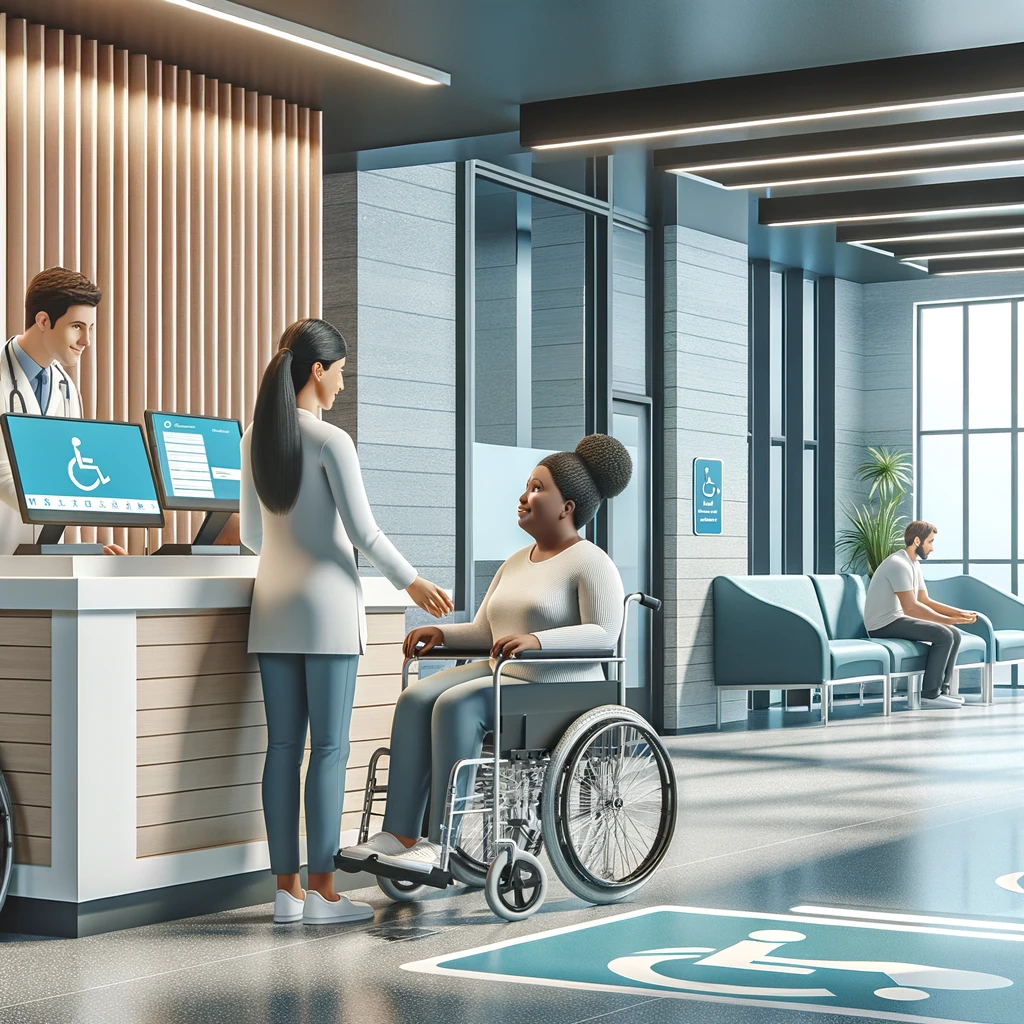
When discussing healthcare, it’s crucial to recognize the rights and protections that ensure individuals with disabilities receive fair, respectful, and competent care. The Americans with Disabilities Act (ADA) sets a framework that healthcare providers must follow, but understanding the practical application of these rights can empower patients and their advocates.
Understanding the ADA in Healthcare
The ADA is a civil rights law that prohibits discrimination against individuals with disabilities in all areas of public life, including jobs, schools, transportation, and all public and private places open to the general public. Specifically, in healthcare settings, this law ensures that people with disabilities have the same rights and opportunities as everyone else.
Access to Facilities
One of the primary rights under the ADA is physical access. This means that healthcare facilities must be physically accessible to people with all types of disabilities. Modifications might include wheelchair ramps, accessible exam rooms with enough space for maneuvering, and adjustable beds that lower for easier access.
Effective Communication
Effective communication is a cornerstone of good healthcare. For patients with hearing, vision, or speech disabilities, the ADA requires healthcare providers to offer appropriate aids and services to ensure effective communication. This might include providing qualified sign language interpreters, offering written materials in Braille, large print, or accessible electronic formats, and using communication technology like video relay services.
Modifications to Policies and Procedures
Healthcare providers must also make reasonable modifications to their policies, practices, and procedures to accommodate individuals with disabilities unless doing so would fundamentally alter the nature of the services. For example, a hospital might need to modify its check-in procedures to allow a person with an intellectual disability more time to complete forms.
Rights to Privacy and Dignity
The rights to privacy and dignity are also paramount. The ADA ensures that individuals with disabilities can expect the same level of privacy and dignity as any other patient. This includes the right to have a personal attendant present during an exam and the right to confidentiality of medical records.
Support Persons and Service Animals
Patients with disabilities are entitled to have support persons, including family, friends, or other individuals, accompany them to help with communication or physical needs during a healthcare visit. Furthermore, service animals must be permitted in most areas of a healthcare facility where the public and patients are allowed.
Rights to Fair Treatment
It’s essential that healthcare professionals understand and respect the legal rights of patients with disabilities. Discrimination can be subtle, such as assuming a person with a disability does not need the same preventative care as others, which can lead to poorer health outcomes.
Grievance Procedures and Enforcement
If a person with a disability feels their rights under the ADA have been violated, they have the right to file a complaint. Healthcare providers must establish grievance procedures to handle these complaints effectively. Patients can also file complaints with the U.S. Department of Justice or pursue legal remedies through the courts.
Empowering Patients and Families
Education is key to empowerment. Patients with disabilities and their families should be encouraged to learn about their rights under the ADA. Many organizations and resources can provide guidance and advocacy support to navigate these issues.
Community and Advocacy Support
Many non-profit organizations work to support the rights of people with disabilities by providing resources, advocacy, and education. These organizations can be vital in helping individuals understand their rights, find competent healthcare providers, and take action if their rights are violated.
The Role of Healthcare Providers
Healthcare providers play a crucial role in respecting and facilitating the rights of their patients with disabilities. Ongoing training on ADA compliance and disability awareness can help ensure that all staff members are prepared to provide equitable care.

Challenges and Solutions in Healthcare Accessibility
Despite the robust framework provided by the ADA, challenges in healthcare accessibility and equality persist. It’s crucial to identify these challenges and explore potential solutions that healthcare facilities can implement to better serve patients with disabilities.
Physical Accessibility Issues
While many healthcare facilities have made significant improvements, some older buildings still face physical accessibility challenges. Solutions may include remodeling projects to improve access, such as installing ramps, automatic doors, and accessible restrooms. Additionally, ensuring that medical equipment, such as examination tables and imaging devices, are accessible to patients with mobility issues is crucial.
Training and Awareness Among Healthcare Professionals
A common barrier is the lack of disability awareness and training among healthcare staff. To address this, healthcare facilities should implement regular training programs that focus on ADA compliance, sensitivity training, and practical strategies to assist patients with disabilities effectively. This training should be an ongoing process, not a one-time event, to continually enhance the skills and understanding of healthcare professionals.
Availability of Assistive Technologies
Effective communication between healthcare providers and patients with disabilities can be hindered by a lack of available assistive technologies. Ensuring that facilities are equipped with the latest technologies, such as video interpreting services for the deaf or hard of hearing, and accessible electronic health records, can significantly improve communication and the overall healthcare experience for these patients.
Inclusive Policies and Practices
Healthcare providers must review their policies and practices to ensure they are inclusive and do not inadvertently discriminate against people with disabilities. This might include revisiting appointment scheduling systems, patient intake procedures, and emergency protocols to ensure they accommodate the needs of all patients equally.
Addressing Implicit Bias
Implicit biases can affect the quality of care delivered to patients with disabilities. Training programs that include components on recognizing and addressing implicit bias can help healthcare professionals provide more compassionate and effective care.
Collaboration with Disability Advocates
Healthcare facilities can benefit from collaborating with disability advocates and organizations that specialize in disability rights. These collaborations can provide insights into the challenges faced by people with disabilities and offer practical solutions tailored to the specific needs of the community.
Ensuring Mental Health Support
Mental health often receives less attention in discussions about healthcare for people with disabilities. Ensuring that mental health services are accessible and sensitive to the needs of people with disabilities is crucial. This includes training mental health professionals in disability awareness and ensuring that mental health facilities are physically accessible.
Legal Compliance and Beyond
While compliance with the ADA is mandatory, healthcare providers should aim to exceed these standards. By adopting best practices and striving for excellence in accessibility, healthcare facilities can become leaders in providing equitable care.
Promoting Patient Advocacy
Encouraging patients with disabilities to become advocates for their own care is also important. Healthcare facilities can support patient advocacy by providing information and resources on patient rights and how to advocate effectively within the healthcare system.
Conclusion
The rights of people with disabilities in healthcare settings are a critical aspect of ensuring equitable healthcare access for all. By understanding and actively enforcing these rights, and by continually seeking to improve accessibility and inclusivity, healthcare providers can significantly enhance the health outcomes and overall well-being of their patients with disabilities. With the right commitment, healthcare can be a leading force in promoting the dignity, respect, and inclusion that all individuals deserve.
By addressing these challenges and implementing the solutions outlined, healthcare providers can not only comply with the ADA but also champion the cause of equality and accessibility in healthcare. This commitment to inclusivity will enrich the healthcare experience for everyone involved, proving that when healthcare is equitable, everyone benefits.
References:
- Americans with Disabilities Act of 1990, as amended.
- ADA National Network: Health Care and the ADA.
- U.S. Department of Health & Human Services: Civil Rights Office.
- Centers for Disease Control and Prevention: Disability and Health Information.
- National Council on Disability.
Frequently Asked Questions
1. What are the key rights that the ADA provides to people with disabilities in healthcare settings?
The ADA, or Americans with Disabilities Act, is central to protecting the rights of people with disabilities within healthcare settings. It ensures that healthcare providers do not discriminate against individuals with disabilities and mandates reasonable accommodations to facilitate equal access to care. This means healthcare facilities must be physically accessible with features like ramps and elevators, but also that communication aids, such as sign language interpreters or alternative formats for written materials, are available when needed. Additionally, the ADA ensures that medical equipment is accessible and that policies don’t unfairly exclude patients based on a disability. Understanding these rights can greatly empower patients and their advocates to seek care that respects their dignity and needs.
2. How does the ADA define a ‘reasonable accommodation’ in healthcare, and what are some examples?
‘Reasonable accommodations’ under the ADA refer to modifications or adjustments necessary for a person with a disability to have equal access and enjoy the same level of healthcare as individuals without disabilities. This can include a wide range of adjustments based on the specific needs of the patient. For example, a hospital might need to provide a sign language interpreter for a deaf patient to ensure effective communication. Similarly, for someone with a mobility impairment, ensuring all facilities are wheelchair-accessible is crucial. Accommodations could also involve sensory-friendly environments for those with autism or providing medical documentation in braille for the visually impaired. What’s important is that these accommodations enable patients to obtain care with the same level of quality and respect as anyone else.
3. Are healthcare facilities required to modify their policies or practices to accommodate people with disabilities?
Yes, healthcare facilities are required under the ADA to modify their policies and practices to accommodate people with disabilities unless doing so would fundamentally alter the nature of the service. This might include altering appointment scheduling protocols to allow longer visits for patients with specific needs, implementing training for staff on disability awareness, or reviewing treatment protocols to ensure they are inclusive. These modifications ensure that everyone, regardless of disability status, has access to healthcare services that are equitable and considerate of individualized needs.
4. What should individuals do if they believe their rights under the ADA are being violated in a healthcare setting?
If an individual believes their rights under the ADA have been violated, it is important to address the issue promptly. Initially, they should try to resolve the matter directly with the healthcare provider or facility by explaining their need for accommodations. Should this not resolve the issue, they can escalate by contacting the facility’s patient advocate or an ombudsman if available. Documentation and formal complaints may be necessary; thus keeping records of all communication is advisable. Additionally, individuals can file a complaint with the U.S. Department of Justice or choose to take legal action. Seeking the guidance of an attorney specializing in disability rights can provide further support and clarity in navigating these steps.
5. How can healthcare providers ensure they are compliant with the ADA and other disability rights legislations?
Healthcare providers can take several proactive steps to ensure compliance with the ADA and uphold the rights of patients with disabilities. Regular training and education for all staff members about disability rights and the practical requirements of the ADA are crucial. Creating a culture of inclusion involves understanding both the physical and communication barriers that patients might face. Facilities should conduct accessibility audits to identify and rectify potential barriers in their environment, whether they are physical spaces or digital communications. Engaging directly with patients and disability advocates can also provide real-world insights and practical solutions for better accommodating patients’ needs. It’s important that healthcare facilities remain committed to continuous improvement and actively seek feedback to promote an inclusive healthcare environment.