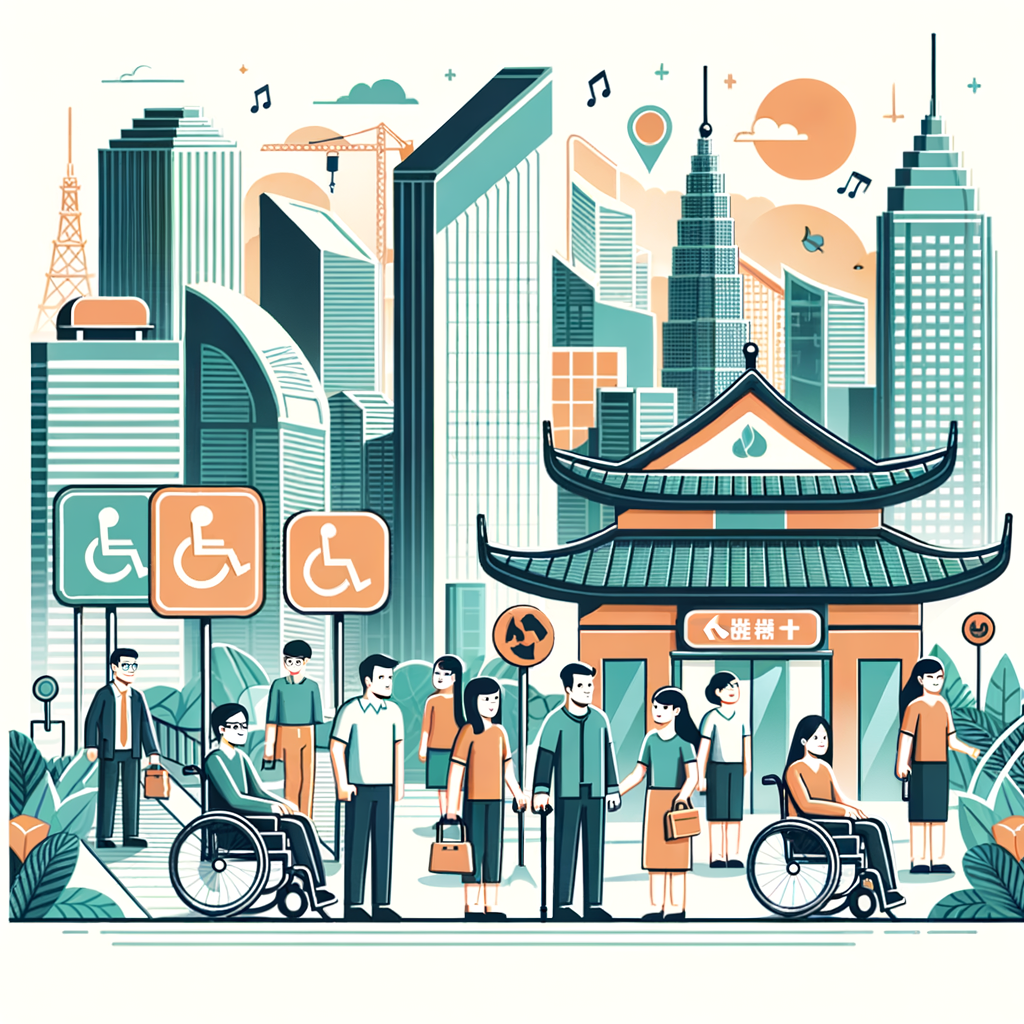
In an increasingly interconnected world, communication plays a vital role in fostering understanding and collaboration across cultures and communities. Sign languages, the natural languages of Deaf communities around the world, are a critical part of this landscape. However, for much of history, sign languages have been marginalized and overlooked. Recognizing the rights of Deaf individuals and the legitimacy of sign languages is an evolving global challenge that speaks to broader themes of accessibility, equality, and human rights.
At its core, sign language is a form of visual-manual communication, defined by its unique grammatical and syntactical rules, which differ from spoken and written languages. These languages are not universal but are as diverse and region-specific as spoken languages. For example, American Sign Language (ASL) and British Sign Language (BSL) differ significantly not only from each other but also from other signed languages around the globe.
The importance of sign language recognition stretches beyond mere communication; it is intrinsically linked to the culture, identity, and human rights of Deaf individuals. The acknowledgment of sign languages in policy and practice is crucial for achieving equitable access to services, education, employment, and participation in societal life. As we delve deeper into the evolution of sign language rights worldwide, understanding these dimensions helps underscore the ongoing journey towards inclusivity.
Historical Disregard and Emerging Recognition
Historically, sign languages have faced significant biases and misconceptions, often dismissed as lesser forms of communication compared to spoken languages. Throughout the 19th and much of the 20th century, an oralist approach dominated Deaf education, favoring spoken language acquisition and discouraging the use of sign language.
Real change began to take shape in the latter half of the 20th century. The pivotal moment came with the 1960 research by American linguist William Stokoe, who established that American Sign Language was a legitimate language with its own syntax and grammar. This recognition paved the way for greater respect and academic interest in signed languages worldwide, prompting a gradual shift towards recognizing the rights of Deaf individuals.
Further progress was marked by the United Nations Convention on the Rights of Persons with Disabilities (CRPD), adopted in 2006. The CRPD emphasized the need to recognize and promote the use of sign languages and encouraged state parties to facilitate the learning of sign language and the promotion of the linguistic identity of the Deaf community.
Sign Language Rights Movement by Region
The movement toward recognition and rights for sign languages has been uneven across the world, reflecting varying cultural, political, and social contexts.
Europe: A Unified Stance
European countries have been at the forefront of acknowledging signed languages. Finland became the first country to recognize sign language constitutionally in 1995. Sweden and Norway followed suit, integrating it into their educational systems and public services.
Major strides were taken with the European Union’s commitment to promote linguistic diversity. The Charter of Fundamental Rights of the European Union recognizes linguistic diversity, including sign languages, underscoring the EU’s commitment to accommodating sign language users within member states.
North America: Groundbreaking Advances
In North America, both Canada and the United States have seen progress in advocating for Deaf rights. In the U.S., the Americans with Disabilities Act (ADA) of 1990 made significant headway, mandating reasonable accommodations, including sign language interpreters. Canada has also taken steps forward, with provinces like British Columbia recognizing the importance of ASL within educational settings. In 2019, the Canadian federal government passed legislation recognizing the rights of Deaf Canadians, although it does not officially recognize ASL as an official language.
Asia: Diverse Challenges and Opportunities
Asia presents a diverse picture, with countries like Japan and South Korea making notable progress in the recognition of sign languages. Japan enacted the Sign Language Act in 2013, promoting and protecting sign language and acknowledging the Deaf community’s right to preserve its language and culture.
However, challenges persist in other parts of Asia, where sign language recognition might not be as pronounced due to differences in social norms, policies, and economic constraints. Efforts continue to gain traction, particularly through grassroots advocacy and larger governmental initiatives aimed at increasing accessibility and rights for people with disabilities, including Deaf communities.
Impact of Technology on Sign Language Rights
Technology has played a transformative role in enhancing the visibility and viability of sign languages. The advent of video communication platforms has provided Deaf individuals unprecedented access to remote services, education, and social interaction, furnishing tangible equality in communication opportunities.
Artificial Intelligence (AI) and machine learning developments are also beginning to assist in the creation of more sophisticated tools like real-time captioning and sign language interpretation applications. For instance, efforts by companies and research institutions to develop apps and devices that can translate sign language to text or spoken word are in various stages of advancement.
These technological innovations are valuable tools for breaking down communication barriers and are pivotal in reinforcing the rights and dignity of the Deaf community. However, they must be developed and implemented with sensitivity and inclusivity to avoid undermining the cultural significance and unique aspects of sign languages.
Framework for Global Recognition and Standardization
| Region | Legislation | Impact |
|---|---|---|
| Europe | Charter of Fundamental Rights, National Laws | Supportive policies, inclusive participation |
| North America | ADA, Provincial Acts | Educational access, rights advocacy |
| Asia | Selective National Policies | Varied recognition, ongoing advocacy |
The pursuit for a global framework for sign language rights necessitates standardized recognition while respecting regional differences. International efforts, spearheaded by organizations like the World Federation of the Deaf, aim to standardize public acceptance of sign languages. This often includes lobbying for governmental policies for greater accessibility and recognizing sign language in educational curricula across the globe.
Organizations seek collaborations with governments to integrate sign language into public broadcasting and media, allowing Deaf communities to fully participate with mainstream information channels. Furthermore, international cooperation fosters sharing best practices from countries with advanced sign language policies, providing blueprints for inclusive legislative action elsewhere.
The Road Ahead: Continuing the Pursuit of Equality
The journey towards sign language recognition and the realization of full rights for Deaf individuals is far from complete. While progress has been made, sustained advocacy and action remain essential to address residual disparities. This task involves not only further policy development but also a fundamental cultural shift in attitudes towards Deaf communities and their languages.
Governments, institutions, and individuals are called upon to support this movement by advocating for inclusive policies, educating the public, and adapting technologies that enhance communication without encroaching on cultural heritage.
The significance of sign language reverberates beyond linguistics; it embodies the fight for dignity, respect, and equal opportunity. By elevating sign language to its rightful status, societies globally can ensure that no member is left unheard.
Embracing the diversity of communication forms enriches the human experience. Individuals can engage in simple actions like learning basic sign language skills or supporting businesses and policies that prioritize accessibility. Actions at all levels, from individual to societal, help pave the way to an inclusive future.
A proactive step towards inclusivity would involve participation in community programs that foster better understanding of Deaf culture and languages. Demand changes in local policies and promote organizing events for spreading awareness about the significance of recognizing and respecting sign languages globally.
By continuing to acknowledge and amplify the significance of sign languages, we can ensure global societies are enriched by the diverse communication modalities inherent to humanity. Only through such comprehensive understanding and integration can full equality be realized, strengthening the bonds of our shared human community.
Together, let us champion the global evolution of sign language recognition and rights, creating a future inclusive to every voice and gesture.
Frequently Asked Questions
1. What is the significance of sign language in the global context?
Sign language holds an extraordinary significance on the global stage as it represents the natural language for Deaf communities worldwide, playing an integral role in bridging communication gaps. In a world that’s increasingly interconnected, the ability to understand and engage with various languages is more critical than ever. Sign language recognition is not just about language rights; it signifies cultural recognition and the validation of the Deaf community’s identity. Historically marginalized and often overlooked, sign languages are gaining recognition as legitimate languages with unique grammatical structures and rich expressive capabilities. They allow Deaf individuals to fully participate in society, access education, employment, cultural expression, and more. As we advance into a more inclusive era of communication, embracing sign language fosters understanding, breaks down barriers, and promotes a more inclusive society where linguistic diversity is celebrated and Deaf individuals are afforded the same rights and opportunities as their hearing counterparts.
2. How have rights activism and policies towards sign language evolved over time?
The journey of sign language rights activism and policies has been marked by both struggles and victories. Historically, sign languages were often suppressed in favor of oralism, where Deaf individuals were encouraged to read lips and speak instead of using their natural sign languages. This perspective of ‘normalization’ persisted well into the 20th century, leading to a systemic devaluation of sign languages and the exclusion of Deaf individuals from fully participating in societal frameworks. However, the tide began to turn with the emergence of the Deaf civil rights movement in the latter half of the 20th century. Landmark moments, such as the recognition of American Sign Language (ASL) as a legitimate language in the United States and the subsequent push for similar recognition worldwide, catalyzed efforts towards better policies. Consequently, numerous countries have established laws recognizing their native sign languages, advocating for inclusion in schools, and mandating the provision of sign language interpreters in public services. As the world increasingly acknowledges linguistic human rights, sign language rights activism remains vibrant, adapting to challenges and advancing towards true equality and inclusion.
3. What challenges remain for the global acceptance and integration of sign language?
Despite significant progress, numerous challenges linger in the path toward comprehensive global acceptance and integration of sign languages. Chief among these is the lack of standardization and uniformity in recognizing sign languages across different countries. While some nations have made commendable strides in enacting supportive legislation, others remain behind, often due to a lack of awareness or resources. Moreover, accessibility remains a predominant issue, with many Deaf individuals facing barriers in education, healthcare, and employment due to a scarcity of sign language interpreters and inadequate provision of sign language services. Furthermore, there is often a cultural stigma attached to sign language usage, perpetuated by societal pressure towards oralism and assimilation into the hearing culture. A deeper challenge lies in the need for the wider society, including policymakers and institutions, to redefine their understanding and approach towards Deaf culture and sign languages. Solutions involve coordinated efforts in education, awareness campaigns, policy-making, and international cooperation to forge paths toward embracing linguistic diversity and ensuring equality for everyone, including those within the Deaf community.
4. How does technology impact the recognition and use of sign language globally?
Technology has emerged as a powerful catalyst for change, greatly impacting the recognition and use of sign language worldwide. Innovative solutions such as video conferencing tools, social media platforms, and specialized apps are breaking down communication barriers, enabling Deaf individuals to connect across geographical and linguistic borders more than ever before. Telecommunication companies are increasingly incorporating video calls and texting services that cater specifically to the needs of Deaf users. Additionally, educational technology platforms are revolutionizing how sign language is taught and learned. Innovations in artificial intelligence and machine learning have also sparked developments in automated sign language translation, though refining these technologies to accurately translate the nuances of sign language remains an ongoing challenge. On the advocacy front, technology amplifies the voices of Deaf rights activists, allowing them to reach wider audiences and engage in global dialogue. However, to truly harness the potential of technology in this field, it’s crucial to ensure that solutions are developed with input from Deaf individuals, focusing on accessibility, inclusivity, and the authentic representation of sign languages.
5. What role do international organizations play in promoting sign language rights?
International organizations are pivotal in promoting sign language rights and fostering a world where Deaf individuals are guaranteed equal access and opportunities. Bodies like the United Nations have been instrumental in establishing frameworks such as the Convention on the Rights of Persons with Disabilities (CRPD), which explicitly recognizes sign languages and encourages states to safeguard related rights. The World Federation of the Deaf (WFD) plays an active role by partnering with governments and organizations to drive policy changes, and representing Deaf communities in high-level discussions to ensure their voices are heard. These organizations conduct research, provide resources, and facilitate knowledge exchange to support countries in their journey towards linguistic inclusion. They also foster international collaborations, celebrating International Day of Sign Languages annually to raise awareness and appreciation of sign languages worldwide. Through advocacy and their unifying influence, international organizations continue to push the boundaries for recognizing and respecting sign language rights, creating standards that influence local and national governments to enact meaningful change for Deaf individuals around the globe.