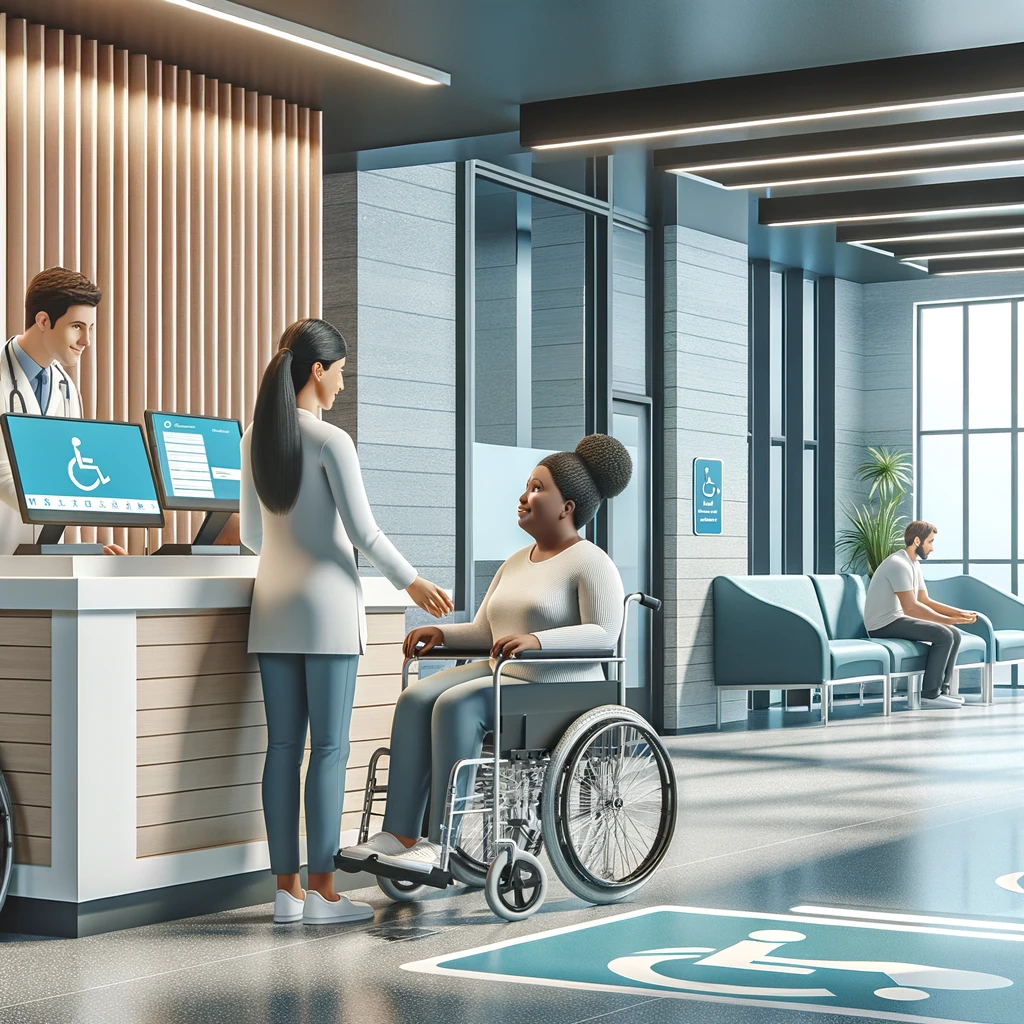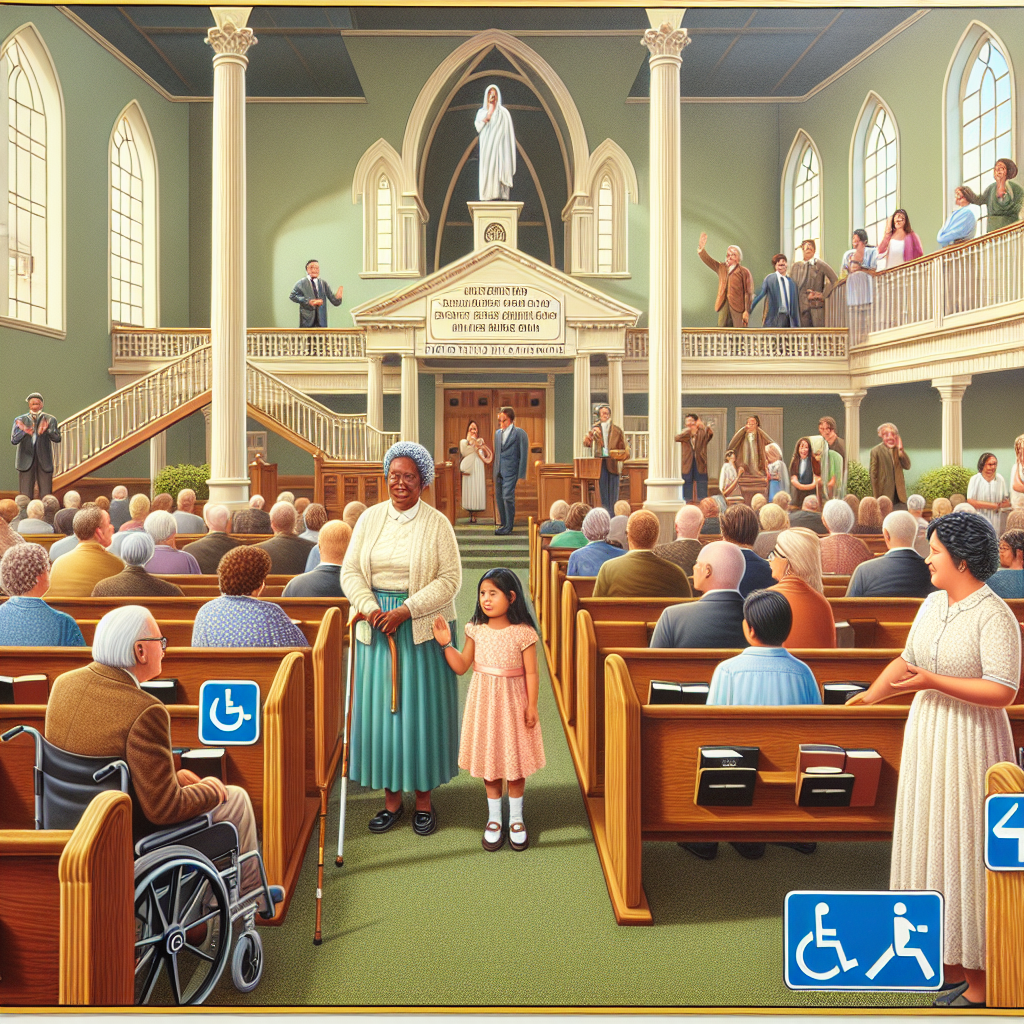
The Americans with Disabilities Act (ADA) was enacted in 1990 to ensure that individuals with disabilities are granted equal opportunities in all areas of public life. The scope of the ADA is extensive, covering employment, public accommodations, transportation, telecommunications, and more. However, one often-overlooked aspect is its application within religious institutions and activities. While religious entities have some exemptions from certain ADA provisions, they are by no means exempt from ensuring accessibility and inclusivity for individuals with disabilities.
Many religious institutions operate schools, daycare centers, community centers, and other public facilities. This means they still have responsibilities under the ADA, especially in services that are not intrinsically religious. The goal is to ensure everyone, regardless of their physical or cognitive abilities, can participate fully in these activities. This article aims to provide a comprehensive understanding of ADA rights and protections in religious settings, along with actionable steps to enhance accessibility.
Understanding ADA Exemptions and Obligations
One of the foundational aspects to understand is the exemptions provided to religious organizations under the ADA. Religious entities are exempt from Title III of the ADA, which means they are not required to comply with the same public accommodation standards as other organizations. However, this does not absolve them from all obligations. Any services that these religious organizations offer to the general public, such as schools, summer camps, or daycare centers, must be accessible to individuals with disabilities.
Title I of the ADA, which pertains to employment, still applies to religious organizations. This means that religious institutions must provide reasonable accommodations to employees with disabilities, much like any other employer. Understanding these nuances is crucial for religious entities to navigate compliance effectively while maintaining the essence of their religious practices.

Creating Accessible Worship Spaces
While religious institutions are not required by the ADA to make their worship spaces accessible, doing so is in the spirit of inclusivity and community. Creating accessible worship spaces can range from simple modifications to extensive renovations, depending on the existing infrastructure.
Basic accommodations might include installing ramps for wheelchair access, ensuring there is ample seating for individuals with mobility devices, and providing adequate signage for those with visual impairments. More advanced changes could involve installing assistive listening devices for those with hearing impairments or even creating dedicated spaces for individuals with sensory sensitivities. These changes not only comply with the ethos of the ADA but also foster a welcoming environment for all members of the congregation.
Accessible Programs and Activities
Beyond the physical space, religious institutions offer various programs and activities that must be accessible to individuals with disabilities. This spans everything from worship services and study groups to community events and extracurricular activities.
Ensuring accessibility can be achieved through several approaches. For example, providing sign language interpreters for services, offering written materials in braille or large print, and ensuring that online materials are accessible per WCAG standards are effective methods. Additionally, religious institutes should offer training for staff and volunteers on how to assist individuals with disabilities effectively while respecting their independence.
The Role of Technology in Accessibility
Technology plays a significant role in making religious activities accessible to individuals with disabilities. From assistive listening devices and real-time captioning to streaming services with sign language interpretation, the possibilities are vast.
Additionally, many religious institutions now offer virtual services. Ensuring that these online platforms are accessible is crucial. This involves using accessible website designs, providing subtitle options for video content, and ensuring virtual meeting platforms are compatible with screen readers. By leveraging technology, religious institutions can break down barriers and provide inclusive experiences for all participants.
Case Studies and Best Practices
Many religious institutions have successfully implemented accessibility measures, serving as role models for others. For example, some churches have established accessibility committees to oversee all aspects of accessibility within their community. These committees work to evaluate current facilities and programs, identify areas for improvement, and implement changes.
Another best practice is to involve individuals with disabilities in the planning and evaluation processes. Their firsthand experiences provide invaluable insights and help ensure that the measures taken are truly effective. Religious institutions should also stay informed about evolving ADA standards and best practices, ensuring ongoing compliance and inclusivity.
Conclusion
The Americans with Disabilities Act (ADA) is a critical piece of legislation that ensures individuals with disabilities are given equal opportunities to participate fully in all aspects of public life. While religious institutions have certain exemptions, they still hold a significant responsibility in creating inclusive environments for all individuals. Making worship spaces, programs, and activities accessible is not just about legal compliance; it’s about embodying the principles of community, respect, and inclusion that are often at the core of religious teachings.
Embracing accessibility measures, whether through physical renovations, program adaptations, or leveraging technology, allows religious institutions to serve their communities more effectively. By doing so, they not only adhere to the spirit of the ADA but also create welcoming spaces where everyone can participate and thrive. With thoughtful planning and a commitment to inclusivity, religious institutions can ensure that they are serving all members of their community, reflecting both legal obligations and moral values.
Frequently Asked Questions
1. What are the ADA requirements for religious institutions?
Religious institutions might be subject to ADA guidelines depending on the context of their facilities and activities. The Americans with Disabilities Act (ADA) entails two critical titles that may interact with religious settings: Title I, which pertains to employment, and Title III, which concerns public accommodations. While religious entities are typically exempt from Title III, which mandates that public accommodations be accessible to individuals with disabilities, they are not exempt from federal employment discrimination laws under Title I. This means that if a religious institution has a certain number of employees, it must comply with ADA’s employment discrimination provisions. Additionally, if a religious institution leases parts of its facility to other entities or hosts events open to the public, it might need to ensure ADA compliance for those specific occasions.
2. Are religious ceremonies required to be accessible under the ADA?
Religious ceremonies themselves are largely shielded from ADA obligations due to the religious exemption; however, this is not absolute. If a religious institution opens its doors to events that are public in nature, then the ADA’s accessibility standards may apply. For example, should a church host a concert or an outreach event open to the general public, it must ensure that these events are accessible to people with disabilities. This accessibility could include wheelchair ramps, sign language interpreter services, or other modifications to ensure inclusivity. Nevertheless, it’s important to note that the day-to-day worship services and religious functions within the institution remain largely exempt from ADA requirements.
3. How do religious schools fit into ADA compliance?
Religious schools that are controlled by religious organizations typically enjoy broader exemptions under the ADA. These schools often operate under a religious mission and therefore might not be required to observe certain ADA public accommodation standards. Still, they could be subject to other laws, like Section 504 of the Rehabilitation Act, if they receive federal funding. It is significant for religious schools to evaluate their funding sources and the nature of their operations to determine their specific compliance requirements. If a religious school opens its facilities to non-religious entities or programs, those specific activities might necessitate ADA compliance, requiring the institution to provide reasonable accommodations.
4. What should a religious institution do if it decides to enhance accessibility voluntarily?
If a religious institution elects to voluntarily enhance accessibility, there are numerous constructive steps they can take. First, they can conduct an accessibility audit to identify current barriers and prioritize improvements. Installing ramps, providing hearing devices, or creating accessible seating areas are all examples of physical modifications that could significantly enhance inclusivity. Developing policies for reasonable accommodation requests, offering training for staff to better serve individuals with disabilities, or collaborating with disability advocacy groups to understand best practices are noteworthy non-physical adjustments. Such initiatives not only enhance the worship experience but also enrich the community environment, epitomizing a welcoming and inclusive ethos.
5. What are some examples of reasonable accommodations for religious events?
Reasonable accommodations for religious events can vary widely, based on the nature of the event and the disabilities present among attendees. For those with mobility impairments, accessible parking spaces, pathways, seating arrangements, and restroom facilities are crucial. For individuals with hearing impairments, it may be beneficial to provide sign language interpretation, captioning during presentations, or portable hearing loops. Offering materials in braille or large print, and ensuring service animals are welcomed, accommodate individuals with visual impairments. Flexibility in engagement, such as offering recorded sermons for those who can’t attend or providing transportation services to functionally limited members, underscores the adaptability and consideration central to reasonable accommodation. Proactively seeking feedback from attendees can further illuminate specific needs and foster an environment where all feel acknowledged and included.